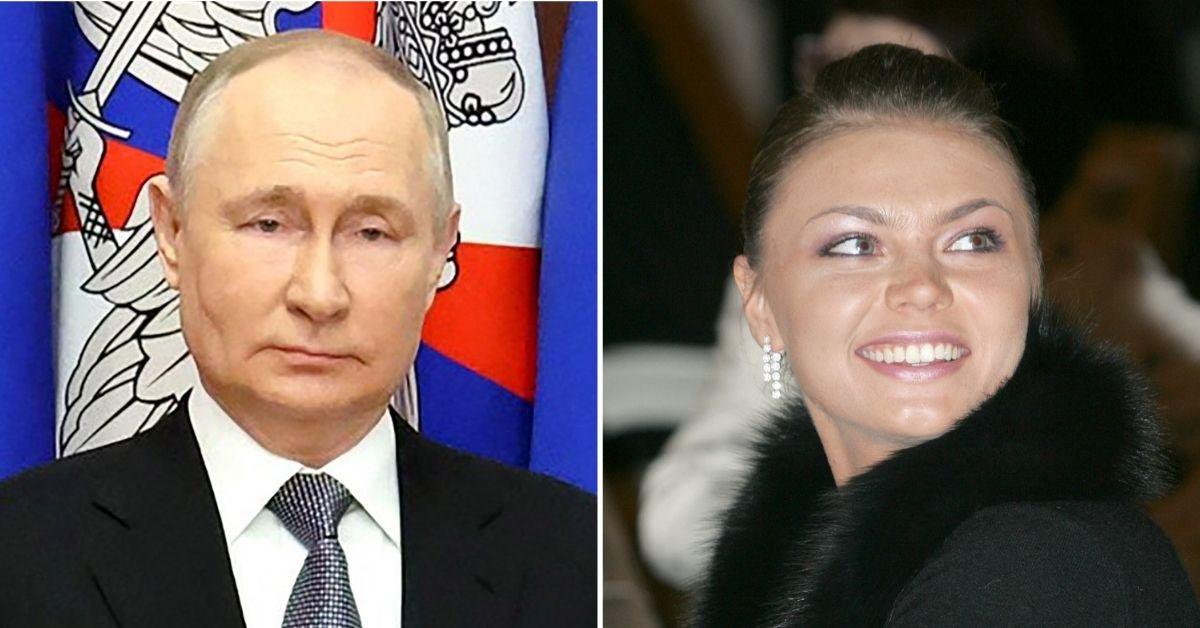
Alina Maratovna Kabaeva transitioned from an Olympic rhythmic gymnastics champion to a central figure in Russian politics and media. She served as a State Duma deputy from 2007 to 2014 before assuming the chairmanship of the National Media Group, where she oversees a massive pro-government media apparatus influencing Russian public discourse.
The Transition from Athletics to the State Duma
The entry of Alina Maratovna Kabaeva into the Russian political arena in the mid-2000s marked a significant shift in the Kremlin’s strategy for the State Duma. Following her storied athletic career, which culminated in an Olympic gold medal in 2004, Kabaeva was recruited into the United Russia party. This move was part of a broader trend often referred to as the "celebrity-athlete track," where the Russian government leveraged the immense popularity of sports stars to bolster the public image of the ruling party. By bringing in young, successful, and recognizable faces, United Russia sought to present a facade of dynamism and national pride.
Kabaeva’s official political career began in 2007 when she was elected to the 5th State Duma representing the Tatarstan region. Her presence in the parliament was not merely symbolic; she was assigned to the Committee on Youth Affairs. During this period, her role was focused on legislative initiatives regarding physical education, youth development, and sports infrastructure. However, the political landscape she entered was one of increasing consolidation under the "vertical of power," where the State Duma acted more as a legislative rubber-stamp for the executive branch than an independent deliberative body.
Throughout her tenure, Kabaeva was consistently associated with the core interests of the Kremlin. Her voting record aligned perfectly with party lines, supporting major reforms that strengthened state control over NGOs and tightened regulations on public assembly. For many observers, her presence in the Duma served to humanize a legislative body that was increasingly seen as technocratic or repressive. Her popularity as a national hero provided a layer of "soft power" to the legislative process, making state policies more palatable to a domestic audience that revered her athletic achievements.
Legislative Impact and Major Initiatives (2007–2014)
During her seven years in the State Duma, Alina Kabaeva was involved in several high-profile legislative actions. While she was not the primary architect of many laws, her sponsorship lent significant weight to specific bills. One of the most controversial pieces of legislation she co-sponsored was the 2012 "Dima Yakovlev Law." This law famously banned the adoption of Russian children by United States citizens. Proponents, including Kabaeva, argued it was a necessary step to protect Russian children from potential abuse abroad and a sovereign response to the U.S. Magnitsky Act. Critics, however, viewed it as a move that used vulnerable children as geopolitical pawns.
Kabaeva’s work on the Committee on Youth Affairs also led to the development of programs aimed at fostering "patriotic education." These programs were designed to integrate nationalistic values into the school curriculum and sports clubs. By focusing on the youth, the political movement she represented sought to ensure long-term loyalty to the state structure. Her legislative efforts often overlapped with her charitable work through the Alina Kabaeva Charitable Foundation, which funded sports facilities and youth festivals, further blurring the lines between her public office and her private philanthropic influence.
In 2011, she was re-elected to the 6th State Duma. Her second term saw a continuation of her alignment with the conservative turn in Russian politics. She supported the "Gay Propaganda Law," which prohibited the distribution of materials promoting "non-traditional sexual relationships" to minors. This period of her career solidified her status as a loyalist who could effectively bridge the gap between popular culture and hardline state policy. Her resignation from the Duma in September 2014 surprised many, but it heralded a shift into an even more influential, albeit less public-facing, role within the Russian power structure.
Leadership of the National Media Group (NMG)
The move from the State Duma to the chairmanship of the National Media Group (NMG) in 2014 transformed Kabaeva from a legislator into a media mogul. The NMG is one of Russia’s largest private media conglomerates, holding significant stakes in major television channels like Channel One, REN TV, and the Fifth Channel, as well as influential newspapers like Izvestia. In the Russian political system, control over the media is synonymous with political power. As the head of this organization, Kabaeva assumed responsibility for managing the narratives that reach tens of millions of Russian citizens daily.
Under her leadership, the NMG has been instrumental in coordinating state-aligned messaging. This includes the framing of domestic policy successes and the management of international conflicts. The strategic importance of the NMG cannot be overstated; it serves as the primary tool for maintaining social stability and public support for the Kremlin. Kabaeva’s role is to ensure that the diverse outlets under the NMG umbrella maintain a unified editorial line that supports the state's strategic objectives. This involves not just political news, but the "soft" influence of entertainment programming that reinforces traditional Russian values.
The appointment to the NMG was widely interpreted by political analysts as a sign of extreme trust from the highest levels of the Russian government. In Russia, the management of media assets of this scale is rarely left to individuals without deep, personal connections to the leadership. While her official salary and the inner workings of the NMG are largely opaque, the group's financial performance and its expansion into digital media indicate that it remains a central pillar of the state's information security strategy in 2026.
Geopolitical Standing and International Sanctions
The political influence of Alina Kabaeva took on a global dimension following the escalation of the conflict in Ukraine in 2022. Because of her role in the NMG and her reported close personal ties to President Vladimir Putin, she became a target for international sanctions. The United States, the European Union, the United Kingdom, and Canada all placed her on their respective sanctions lists. The justification for these measures was that she was a member of the inner circle that benefited from and supported the Russian government’s actions.
The sanctions targeted her assets, restricted her travel, and sought to isolate her from the global financial system. From a political perspective, these sanctions were intended to signal that those close to the Russian leadership would face personal consequences for the state's foreign policy. Kabaeva’s response, primarily channeled through media statements, mirrored the broader Kremlin sentiment: that Western sanctions were an illegal attempt to pressure Russia and its prominent citizens.
Despite these international pressures, her domestic standing remained largely unaffected. In fact, within the Russian political bubble, being sanctioned by the West is often framed as a "badge of honor," proving one's loyalty to the Motherland. In 2026, Kabaeva continues to operate within a sanctioned environment, focusing her efforts on domestic media consolidation and the development of alternative technological platforms to bypass Western digital influence. Her resilience in this role underscores the durability of the patronage networks that define current Russian politics.
Comparing Kabaeva’s Political and Media Roles
To understand the evolution of Kabaeva’s influence, it is helpful to compare the two distinct phases of her career. While her time in the State Duma was characterized by public visibility and legislative voting, her role at the NMG is characterized by behind-the-scenes power and the shaping of national perception.
| Feature | State Duma Period (2007–2014) | National Media Group Era (2014–Present) |
|---|---|---|
| Primary Function | Legislative voting and public representation. | Executive management of media assets. |
| Political Goal | Providing a popular face for United Russia. | Maintaining the state's information monopoly. |
| Key Influence | Sponsoring social and youth-oriented laws. | Dictating editorial policy for major TV channels. |
| Public Visibility | High (TV appearances, Duma sessions). | Strategic/Low (Rare interviews, official events). |
| Source of Power | Electoral mandate (via United Russia). | Direct trust and appointment by the power elite. |
| Global Status | Relatively unhindered travel and recognition. | Heavily sanctioned by Western nations. |
The "First Lady" Speculation and Political Optics
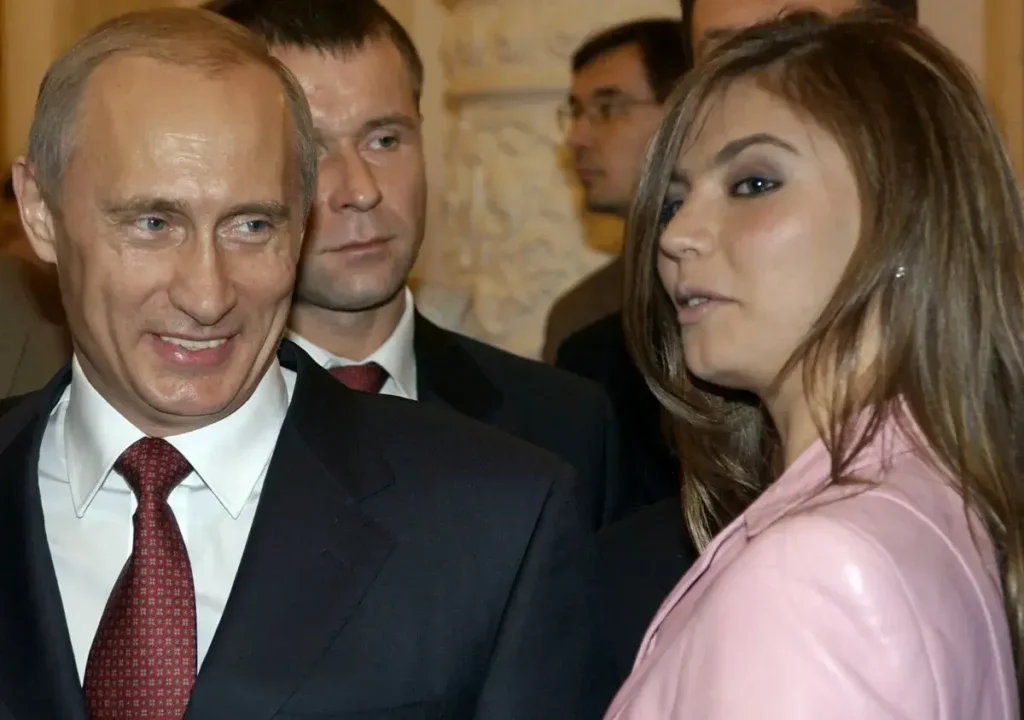
No analysis of Alina Kabaeva in Russian politics is complete without addressing the persistent rumors regarding her personal relationship with Vladimir Putin. While both parties have consistently denied these rumors—and the Russian media environment is strictly regulated to prevent unauthorized reporting on the private lives of leaders—the speculation itself carries political weight. In the context of Russian political optics, Kabaeva is often viewed by the public and the international community as an unofficial "First Lady" figure.
This perception influences how she is treated by both loyalists and the opposition. For loyalists, she represents the pinnacle of the "Russian Dream"—a self-made champion who reached the heights of power. For the opposition, she is frequently cited in investigations (such as those by the late Alexei Navalny's team) as a symbol of the opulence and lack of transparency within the ruling elite. Whether the personal rumors are true or not, the political reality is that she is treated as a person of extreme proximity to power, which grants her a level of protection and influence that few other figures in Russia possess.
In 2026, this proximity remains her most significant political asset. It ensures that the NMG receives preferential treatment in state contracts and that her initiatives, such as the "Alina" gymnastics festivals, receive prominent coverage and funding. Her role demonstrates how personal loyalty and professional management of state-critical assets (like the media) are the primary currencies in the contemporary Russian political system.
Practical Implications for Observers of Russian Politics
For those attempting to navigate or understand the Russian political landscape, Kabaeva serves as a case study in how power is exercised through informal networks. Understanding her role requires looking beyond official titles.
- Watch the Media Narrative: Because Kabaeva oversees the NMG, any shift in the tone of the channels she controls (like REN TV or Channel One) is a direct reflection of shifting Kremlin priorities.
- Follow Sanction Lists: Changes in her status on international sanctions lists often correlate with broader diplomatic shifts. If her sanctions were ever eased, it would signal a major breakthrough in Russia-West relations.
- Monitor United Russia’s Outreach: Kabaeva remains a blueprint for how the party uses celebrities. Observing which athletes or influencers are currently being fast-tracked into the Duma can provide clues about which demographics the Kremlin is currently trying to court.
- Charity as Soft Power: The activities of the Alina Kabaeva Charitable Foundation often precede state-funded social programs. The foundation acts as a testing ground for youth engagement strategies that later become national policy.
Frequently Asked Questions
What was Alina Kabaeva’s most famous law?
She is most frequently associated with the "Dima Yakovlev Law" of 2012. As a co-sponsor, she played a public role in defending the ban on U.S. adoptions of Russian children, arguing that Russia should take responsibility for its own orphans rather than sending them abroad.
Is she still active in the Russian government in 2026?
She does not hold an elected office or a formal government cabinet position in 2026. However, her role as Chairperson of the Board of Directors of the National Media Group makes her a critical part of the state's political infrastructure, as she manages the outlets that broadcast government policy.
Why was she sanctioned by the West?
The U.S. Treasury and the EU sanctioned her on the grounds that she is a person close to Vladimir Putin and leads an organization (NMG) that actively promotes the Kremlin's disinformation regarding the conflict in Ukraine. The sanctions aim to freeze her assets and prevent her from transacting with international entities.
How did she transition from gymnastics to such high-level management?
Her transition was facilitated by her membership in United Russia and her demonstrated loyalty during her time in the State Duma. In the Russian system, management positions in strategic industries (like media) are often awarded based on political loyalty and personal trust rather than traditional corporate experience.
What is the National Media Group?
The National Media Group (NMG) is a private media holding company. It owns or has significant stakes in Channel One, the Fifth Channel, REN TV, Izvestia, and Sport-Express. Under Kabaeva’s leadership, it has become the dominant force in the Russian private media market, working in close coordination with state-owned media.
Does she have any influence over Russian sports policy?
Yes, though mostly through her foundation and media holdings. Her "Alina" festival is one of the largest gymnastics events in the country, and her influence ensures that rhythmic gymnastics remains a high-priority, well-funded sport in Russia, even during periods of international competition bans.
Summary of Next Actions for Researchers
To stay informed about Alina Kabaeva’s ongoing influence in Russian politics through 2026, researchers should focus on monitoring the annual reports and corporate shifts within the National Media Group. Additionally, tracking the legislative trends of the current State Duma to see if they mirror the "patriotic" themes Kabaeva championed during her tenure will provide insight into her lasting legacy. For those interested in the intersection of sports and politics, observing the recruitment of current Russian Olympic athletes into the United Russia party will indicate whether the "Kabaeva model" of celebrity-political integration remains the preferred strategy for the Kremlin.