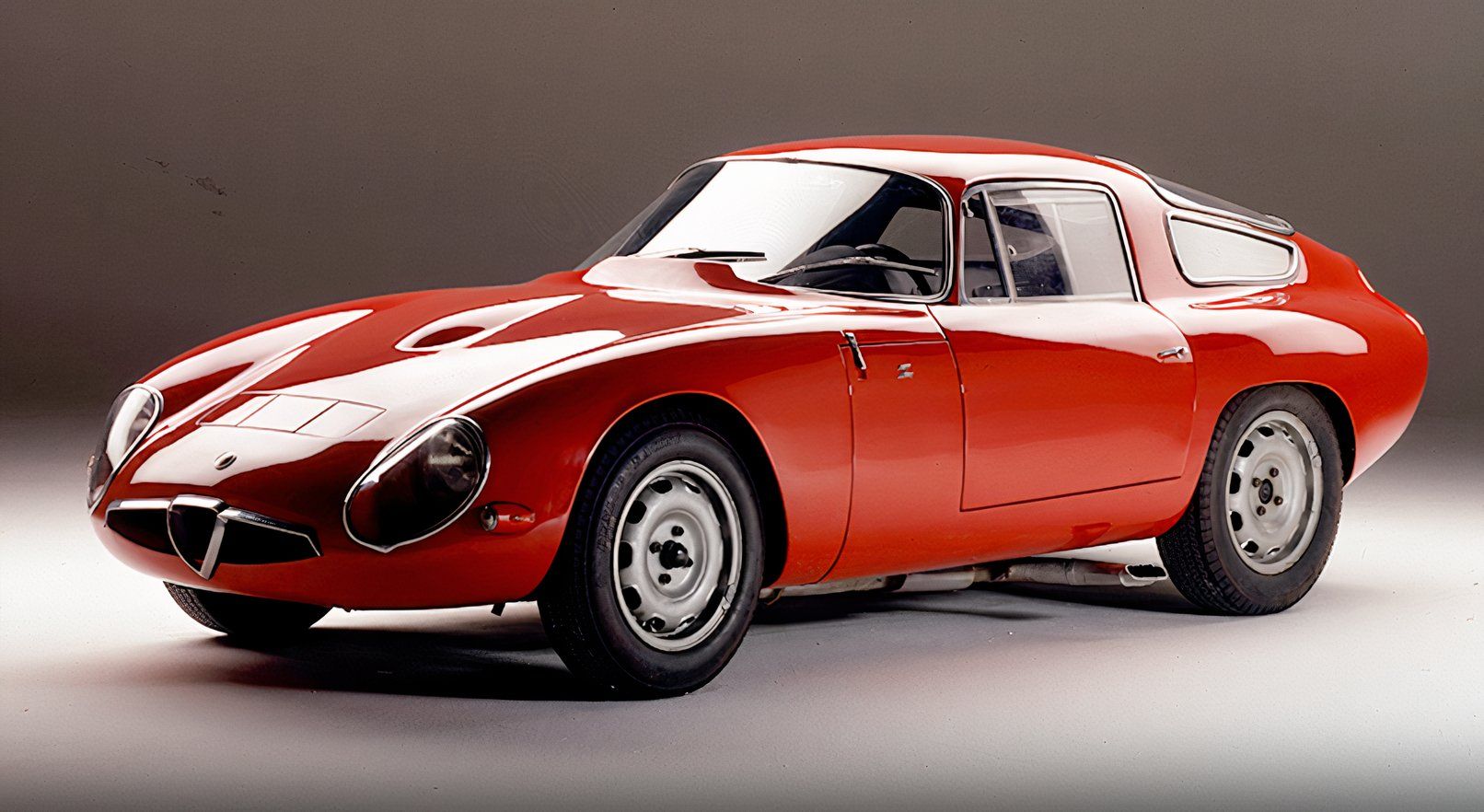
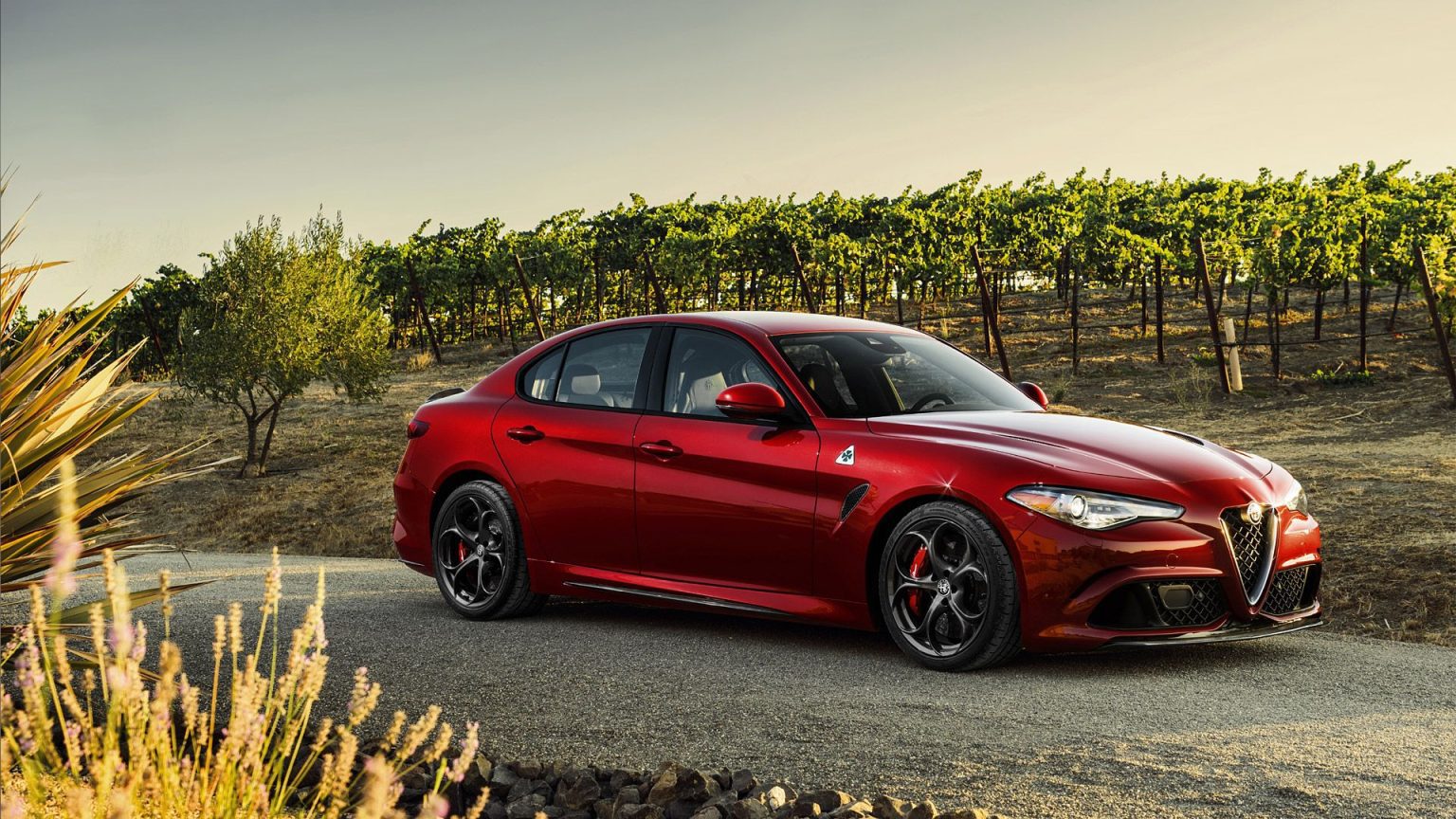
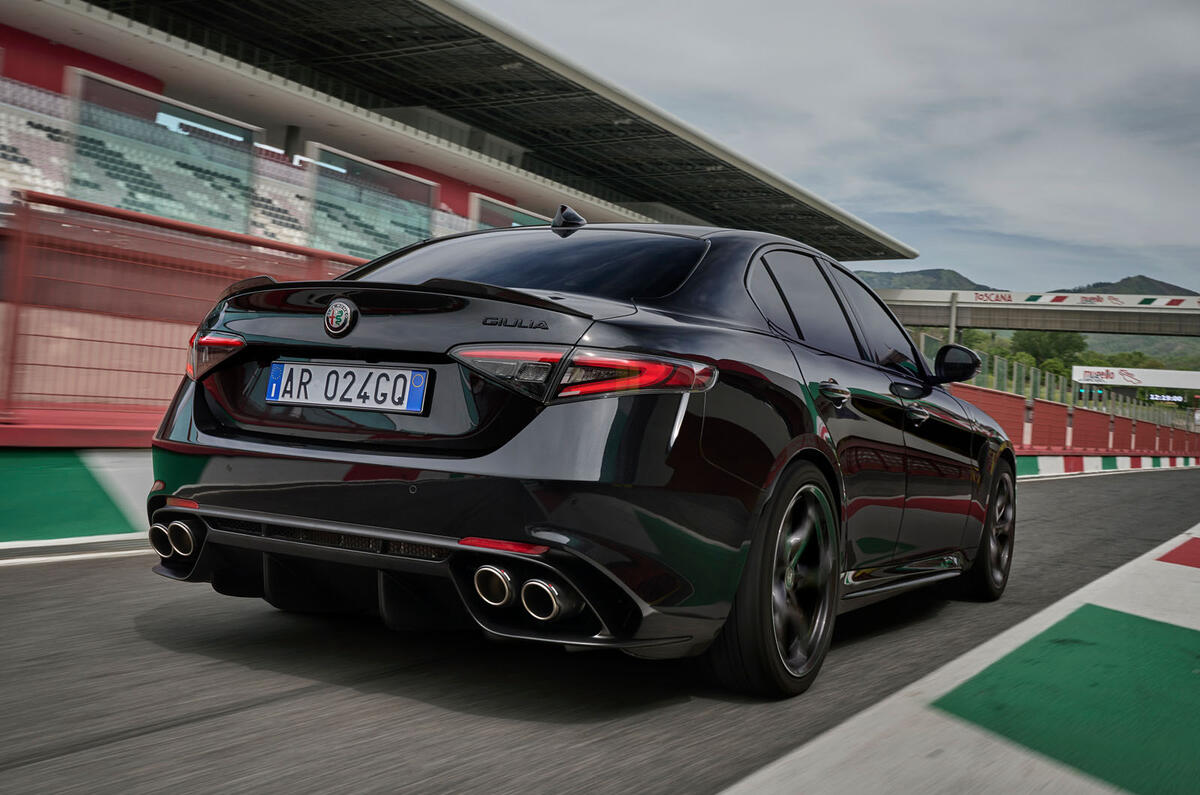
Alfa Romeo defines the sports sedan as a vehicle that balances everyday utility with the heart of a grand prix racer. From the post-war 1900 to the modern Giorgio-platform Giulia, these cars pioneered technical innovations like double overhead cams, five-speed transmissions, and transaxle weight distribution, cementing the "Berlina Sportiva" as a distinct automotive segment.
For over a century, Alfa Romeo has occupied a unique position in the automotive landscape. Unlike manufacturers that produce utilitarian vehicles and later "sportify" them, Alfa Romeo’s DNA was forged on the racetracks of Europe. When the company pivoted to mass production following World War II, it did not abandon its racing soul; instead, it transplanted it into the bodies of four-door family cars. This philosophy birthed the "sport sedan," a category where Alfa Romeo remained the undisputed benchmark for decades. As we evaluate this lineage from the perspective of 2026, the evolution of the Alfa Romeo sport sedan serves as a roadmap for the development of the modern performance car.
The Genesis: 1900 and the Birth of the "Berlina Sportiva"
Before 1950, Alfa Romeo was largely a boutique manufacturer of high-end, hand-built machines. The introduction of the Alfa Romeo 1900 marked a radical shift toward industrial production. However, it was the marketing slogan—"The family car that wins races"—that defined the brand’s trajectory.
The 1900 was the first Alfa Romeo to feature a unitary chassis (unibody construction), which significantly reduced weight and increased structural rigidity compared to traditional body-on-frame designs. Under the hood sat a 1.9-liter four-cylinder engine featuring Double Overhead Camshafts (DOHC), a feature then reserved for exotic machinery.
Technical Milestones of the 1900
The 1900 was not merely fast for its time; it was sophisticated. The engine used hemispherical combustion chambers and aluminum alloy cylinder heads. While the standard version produced a respectable 80-90 horsepower, the TI (Turismo Internazionale) and Super versions pushed the limits of what a four-door sedan could achieve on the Mille Miglia or the high-speed Autostradas of Italy. By the time production ended in 1959, Alfa Romeo had proved that a sedan could be a precision instrument.
The Golden Era: The Giulia 105 Series (1962–1978)
If the 1900 invented the category, the Giulia (Type 105) perfected it. Launched in 1962 at the Monza race circuit, the Giulia was a revelation. While its boxy silhouette appeared utilitarian to the untrained eye, it was one of the first cars designed with extensive wind-tunnel testing.
The "Kamm tail" (a truncated rear end) and the subtle sculpting of the body gave the Giulia a drag coefficient (Cd) of approximately 0.34—a figure that outperformed many dedicated sports cars of the era and even remained competitive against modern cars through the early 2000s.
The Mechanical Soul of the 105
The Giulia introduced several features that became Alfa Romeo hallmarks:
- Five-Speed Manual Transmission: At a time when four-speeds were the standard and three-speeds were common, the Giulia’s five-speed gearbox allowed drivers to stay within the engine's power band more effectively.
- Four-Wheel Disc Brakes: Alfa Romeo was an early adopter of all-around disc brakes, providing stopping power that matched the car's high-speed capabilities.
- The All-Aluminum Twin Cam Engine: The 1.3 and 1.6-liter engines were light, rev-happy, and incredibly durable. They featured sodium-filled exhaust valves for better heat dissipation—a technology derived from aircraft engines.
The Giulia was more than a car; it was a cultural icon. It served as the primary vehicle for the Italian Polizia and Carabinieri, leading to countless high-speed chases immortalized in "Poliziotteschi" films. It was the sedan that could outrun almost anything else on the road, while still carrying a family of five in relative comfort.
The Transaxle Revolution: Alfetta and the 75
In the 1970s, Alfa Romeo sought to improve handling through better weight distribution. This led to the development of the Alfetta (Type 116), named after the legendary 158/159 Alfetta Grand Prix cars.
The Alfetta utilized a transaxle layout, where the clutch and transmission were mounted at the rear of the car, integrated with the differential. This moved a significant portion of the drivetrain weight away from the front wheels, resulting in a near-perfect 50/50 weight distribution. Coupled with a De Dion tube rear suspension and inboard disc brakes (to reduce unsprung weight), the Alfetta offered handling balance that was virtually unrivaled in the executive sedan segment.
The Alfa 75 (Milano)
The culmination of the transaxle era was the Alfa 75, known as the Milano in North America. Released in 1985 to celebrate the brand's 75th anniversary, it was the last model developed by Alfa Romeo before its acquisition by Fiat.
The 75 is revered by enthusiasts as the "last of the pure Alfas." It featured the legendary Busso V6 engine, designed by Giuseppe Busso. This 2.5 or 3.0-liter V6 is widely considered one of the best-sounding and most responsive engines ever produced. The 75 also saw the introduction of the Twin Spark technology in its four-cylinder variants, using two spark plugs per cylinder to optimize combustion and increase power.
The Fiat Era and the Return of Style: 155 and 156
The transition to Fiat ownership in 1986 brought a move toward front-wheel drive (FWD) platforms to share costs. While purists were initially skeptical, Alfa Romeo’s engineers worked tirelessly to ensure these cars maintained the brand's driving dynamics.
The Alfa Romeo 155 gained fame through its dominance in touring car racing, particularly the DTM (Deutsche Tourenwagen Meisterschaft), where the V6 TI version famously beat the best from Mercedes-Benz and BMW.
However, it was the Alfa Romeo 156, launched in 1997, that truly revitalized the brand. Designed by Walter de Silva, the 156 featured hidden rear door handles and a cockpit-focused interior that made it look like a coupe. It won the "European Car of the Year" in 1998 and introduced Common Rail Diesel technology to the passenger car market—a massive technical milestone that changed the industry.
The 156 GTA
The 156 GTA (Gran Turismo Alleggerita) represented the peak of the Fiat-era FWD sedans. Equipped with the final 3.2-liter evolution of the Busso V6, it was a visceral, high-revving machine. Although FWD platforms naturally struggle with torque steer, Alfa’s suspension tuning allowed the GTA to remain a credible performance threat.
The Giorgio Platform and the Modern Renaissance
After a period of focusing on smaller cars and SUVs, Alfa Romeo returned to its roots in 2015 with the reveal of the Giulia (Type 952). This was a "clean sheet" project designed to reclaim the throne of the sports sedan market.
The cornerstone of the modern Giulia is the Giorgio platform. Designed with a "bottom-up" approach, the platform prioritized rear-wheel drive, a carbon fiber driveshaft (standard across all trims), and a 50/50 weight distribution.
The Giulia Quadrifoglio
The flagship Quadrifoglio (Four-Leaf Clover) model was developed by engineers with backgrounds at Ferrari. It features a 2.9-liter 90-degree V6 biturbo engine producing 505 horsepower (in original spec).
- Active Aero Splitter: A front splitter that adjusts based on speed to balance downforce.
- DNA Pro Mode: Includes a Race mode that shuts off electronic aids and opens the exhaust valves fully.
- Integrated Brake System (IBS): A "brake-by-wire" system that reduces pedal vibration and provides near-instantaneous response.
As of 2026, the Giulia remains one of the few sedans on the market that prioritizes steering feel and chassis feedback above all else, maintaining a direct link to the 1962 original.
Comparative History of Key Alfa Romeo Sedans
| Model | Production Era | Layout | Key Technical Innovation | Impact |
|---|---|---|---|---|
| 1900 | 1950–1959 | FR (Front-Engine, RWD) | Unibody, DOHC engine | Created the "Sports Sedan" niche |
| Giulia (105) | 1962–1978 | FR | 0.34 Cd Aerodynamics, 5-Speed | Set the global benchmark for 20 years |
| Alfetta | 1972–1984 | Transaxle RWD | De Dion Rear Suspension | Perfected weight distribution |
| Alfa 75 | 1985–1992 | Transaxle RWD | Twin Spark, Busso V6 | Final "Independent" Alfa Romeo |
| 156 | 1997–2007 | FF (Front-Engine, FWD) | Common Rail Diesel, De Silva Design | Revived brand sales and style |
| Giulia (952) | 2016–Present | RWD / AWD | Giorgio Platform, Carbon Driveshaft | Re-established RWD performance parity |
Purchasing and Maintaining a Historical Alfa Sport Sedan
For those looking to own a piece of this history in 2026, the market is divided into distinct tiers.
- The 105 Series Giulia: These are blue-chip classics. Values have risen steadily. When purchasing, the primary concern is rust. These cars were built before modern galvanization processes. Mechanically, they are robust, but the aluminum engines require specific coolants and regular valve adjustments.
- The Transaxle Cars (Alfetta/75): These offer the best "bang-for-buck" in terms of handling. However, the transaxle linkage can become vague over time, and the inboard brakes are notoriously difficult to service compared to standard outboard setups.
- Modern Classics (156/166): The Busso V6 versions are highly sought after. Buyers should verify that timing belt services have been performed religiously (typically every 3 years or 36,000 miles), as a failure is catastrophic for the interference engine.
- The Modern Giulia: As these cars age, the focus shifts to electronic maintenance. Early 2017-2018 models had some software "gremlins," but post-2020 models (the "Series 2") are generally considered very reliable.
Frequently Asked Questions
Which Alfa Romeo sedan is considered the most reliable?
Historically, the Giulia 105 series is remarkably simple and robust if rust is kept at bay. In the modern era, the post-2020 Giulia (952) has shown significant improvements in build quality and electronics. The four-cylinder 2.0L "MultiAir" engines are generally considered durable for daily use.
Why is the "Busso" V6 engine so famous?
Designed by Giuseppe Busso, this engine is celebrated for three reasons: its unique "intake chrome pipes" aesthetic, its distinctive high-pitched mechanical howl, and its incredibly linear power delivery. It remained in various stages of production from 1979 until 2005, the year Giuseppe Busso passed away.
What is the significance of the "Quadrifoglio" badge?
The "four-leaf clover" first appeared in 1923 when racer Ugo Sivocci painted it on his car for good luck before the Targa Florio. He won the race, and the symbol has since been used on Alfa Romeo’s highest-performance models. On modern sedans, it signifies a car capable of track-ready performance.
Did Alfa Romeo ever make an All-Wheel Drive (AWD) sedan?
Yes. The Alfa Romeo 155 Q4 used the turbocharged engine and AWD system from the Lancia Delta Integrale. The modern Giulia also offers the Q4 AWD system, which is rear-biased and only sends power to the front wheels when a loss of traction is detected, preserving the RWD driving feel.
Are parts still available for vintage Alfa Romeo sedans?
Fortunately, there is a massive enthusiast community and several specialist suppliers (such as Alfaholics, Classic Alfa, and Centerline International) that produce high-quality reproduction parts for the 105, 116, and 75 series. Maintaining these cars in 2026 is often easier than maintaining generic cars of the same age.
Future Considerations and Recommendations
If you are a driver seeking a connection to automotive history, the choice of an Alfa Romeo sedan should be guided by your desired level of involvement.
For the purest mechanical experience, seek out a 1960s Giulia Super. It offers a tactile connection that modern power steering and electronic throttles cannot replicate. For those who want modern performance with historical soul, a 2020+ Giulia Quadrifoglio remains one of the most rewarding driver's cars ever produced, even as the industry pivots toward electrification.
The history of the Alfa Romeo sport sedan is not just a list of models; it is a timeline of technical bravery. Whether it was adopting disc brakes decades before they were standard or perfecting the balance of a transaxle chassis, Alfa Romeo has consistently prioritized the driver’s experience over the manufacturer's bottom line. In 2026, as autonomous and electric vehicles dominate the landscape, these historical sedans stand as a testament to an era when driving was an art form.