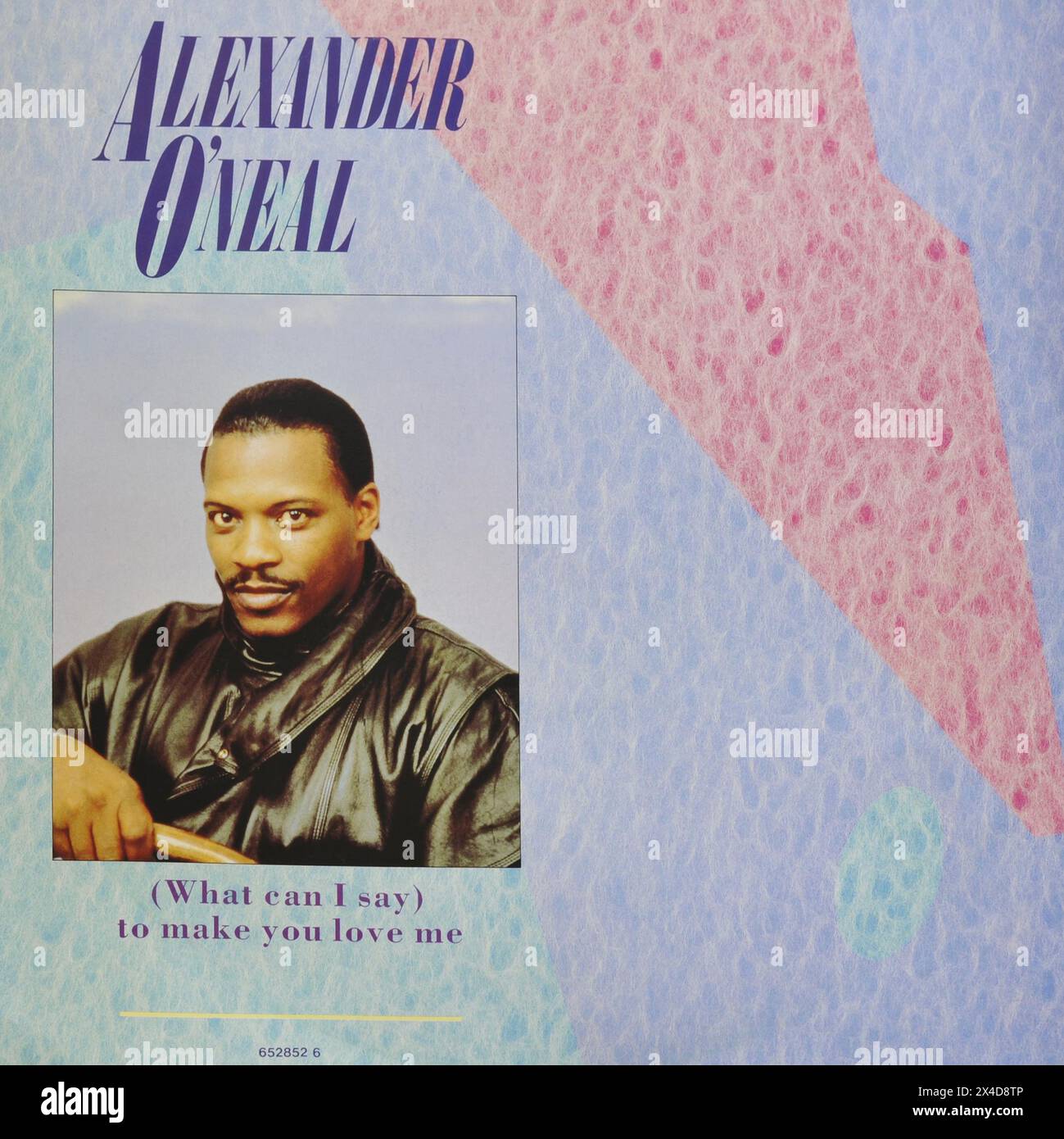
As of 2026, Alexander O'Neal has not publicly disclosed a diagnosis of a specific terminal or degenerative illness. His recent transition into retirement, marked by his "Time to Say Goodbye" farewell tour, was primarily motivated by the natural physical demands of aging, a desire to preserve his vocal legacy, and the cumulative effects of his historical battle with substance abuse.
Alexander O'Neal remains one of the most significant figures in the history of R&B and the Minneapolis sound. However, for many fans, the power of his voice has often been contrasted with concerns regarding his physical well-being. When discussing an "Alexander O'Neal illness," the conversation typically splits into two distinct categories: his well-documented historical struggles with addiction and the more recent, age-related decline in mobility and stamina that led to his retirement from the international stage. By examining his health journey through these lenses, we gain a deeper understanding of the resilience required to maintain a four-decade career in the music industry.
The Historical Context: Addiction as a Chronic Health Struggle
To understand Alexander O'Neal's health in 2026, one must first look back at the challenges that defined his mid-career period. O'Neal has been exceptionally candid about his long-term struggle with crack cocaine addiction, a battle that began during the height of his fame in the 1980s. In clinical terms, addiction is recognized as a chronic brain disease, and for O'Neal, this "illness" had profound implications for his physical health, his professional reliability, and his mental state.
During the late 1980s and throughout the 1990s, the physical toll of substance abuse began to manifest. Addiction often leads to secondary health issues, including cardiovascular strain, respiratory complications, and a weakened immune system. For a vocalist whose "instrument" is his body, these effects were particularly damaging. O'Neal’s autobiography, All True, Man, provides a harrowing look at how his dependency led to multiple stints in rehabilitation and strained his relationships with industry giants like Jimmy Jam and Terry Lewis.
The legacy of this period is a critical component of his current health profile. While O'Neal has achieved significant periods of sobriety, the long-term physiological impact of heavy substance use during one's youth often accelerates the aging process. This "weathering" effect can contribute to the issues fans have observed in recent years, such as fluctuating weight and changes in vocal timbre.
The "Time to Say Goodbye" Tour and the Reality of Aging
In 2023, Alexander O'Neal announced his final tour, titled "Time to Say Goodbye." This announcement sparked a wave of speculation regarding a potential hidden illness. However, O'Neal’s explanation was grounded in pragmatism rather than a specific medical crisis. He expressed a desire to retire while he could still deliver a performance that met his own high standards, acknowledging that the rigors of international travel and two-hour nightly sets were becoming increasingly difficult.
By 2026, the completion of this farewell cycle has allowed for a retrospective on why aging artists choose to step back. For O'Neal, the "illness" was less about a specific pathogen and more about the biological reality of being a performer in his 70s. The physical stamina required to hit the notes in "Criticize" or "Fake" is immense. Over the last decade, audiences noted that O'Neal frequently used a stool during performances and moved with more caution than in his youth. These are common adjustments for artists dealing with age-related mobility issues or mild arthritis, neither of which constitutes a "secret illness" but rather the standard progression of life.
Respiratory Health and the Preservation of the Soul Voice
For any singer, and particularly one known for the deep, resonant baritone of Alexander O'Neal, respiratory health is the foundation of their career. Throughout his later years, there were occasional reports of O'Neal struggling with breath control during live shows. This led some to speculate about chronic obstructive pulmonary disease (COPD) or other respiratory conditions, though these were never officially confirmed.
In the context of soul music, the voice is prone to "thickening" as a singer ages. This is caused by changes in the vocal folds and a decrease in lung capacity. When combined with a history of smoking or substance use, these changes can be more pronounced. O'Neal’s decision to retire was a proactive measure to protect his vocal legacy. By stepping away from the grueling schedule of world tours, he aimed to avoid the public decline that has affected many of his contemporaries who stayed on the road too long.
Mental Health and the Spotlight
A "closer look" at O'Neal's health must also include his mental and emotional well-being. The pressures of the music industry, combined with the public nature of his past failures, have created a unique set of stressors. His appearance on the UK’s Celebrity Big Brother in 2015 was a pivotal moment in this regard. His exit from the show following a confrontation highlighted the fragility of his peace of mind when placed in high-stress, artificial environments.
Mental health is increasingly viewed as an integral part of an artist's overall health profile. O'Neal has spoken about the importance of his family and his faith in maintaining his equilibrium. In 2026, he is often cited as a survivor—someone who navigated the treacherous waters of 80s excess and came out the other side with his dignity intact, even if his physical health required more careful management.
Summary of Key Health and Career Milestones
The following table outlines the timeline of Alexander O'Neal's career and how various health-related factors influenced his trajectory.
| Period | Career Status | Health/Lifestyle Context |
|---|---|---|
| 1985–1988 | Global Stardom (Tabu Records) | Peak physical health; beginning of substance use issues. |
| 1990–1999 | Commercial Decline | Height of addiction; multiple rehab entries; physical "weathering." |
| 2000–2010 | Legacy Performer Status | Stabilization; focus on sobriety; voice begins to show signs of age. |
| 2015 | Celebrity Big Brother | Public focus on mental health and past addiction history. |
| 2023–2025 | Farewell Tour ("Time to Say Goodbye") | Proactive retirement; focus on preserving vocal legacy. |
| 2026 | Retirement / Legacy Stage | Focus on health maintenance and family; occasional limited appearances. |
Addressing the "Stroke" and "Diabetes" Rumors
In the age of social media, rumors regarding the health of legendary figures often spread without verification. Alexander O'Neal has been the subject of various unsubstantiated claims, most notably rumors suggesting he had suffered a stroke or was battling severe diabetes.
It is important to clarify that no reputable medical report or official statement from O'Neal’s management has ever confirmed a stroke. The rumors likely stem from observations of his speech patterns in certain interviews, which fans sometimes misinterpret. Similarly, while many people in O'Neal’s age bracket manage type 2 diabetes, there has been no public confirmation that this is a factor in his life.
When analyzing "Alexander O'Neal illness" searches, it is vital to distinguish between confirmed facts and the "health-guessing" that often occurs in fan communities. His primary health narrative is one of recovery and aging, rather than one of hidden catastrophic illness.
The Role of Sobriety in His Longevity
One of the most positive aspects of O'Neal’s health journey is his long-term commitment to sobriety. Recovering from a multi-decade addiction is a monumental feat that requires constant vigilance. This commitment has likely extended his life and allowed him to continue performing into the mid-2020s.
Sobriety in later life involves more than just abstaining from substances; it involves a holistic approach to health, including better nutrition and stress management. By 2026, O'Neal’s "health" is defined as much by his successes in recovery as by any physical limitations he might face. His story serves as a case study for younger artists on the dangers of the industry and the possibility of redemption.
The Physical Demands of the Minneapolis Sound
The genre O'Neal helped pioneer—the Minneapolis Sound—is characterized by high energy, precision, and a blend of funk and R&B. Performing this music requires significant cardiovascular health. For a man in his 70s, the physical "illness" is often simply the inability to maintain the 120-BPM energy that the music demands.
O'Neal’s move toward acoustic sets and slower-tempo "evening with" style shows in his final years was a strategic health decision. It allowed him to showcase his vocal ability without the physical strain of a full-scale funk production. This adaptation is a form of health management that focuses on capability rather than limitation.
FAQs: Understanding Alexander O'Neal's Current Health Status
Did Alexander O'Neal retire because of a specific illness? No specific terminal or chronic illness was cited as the cause for his retirement. Instead, O'Neal pointed to the general physical toll of touring and his desire to retire while his voice remained strong. He described it as a "proactive" decision rather than a reactive one necessitated by a medical emergency.
What was the nature of his struggle on Celebrity Big Brother? His departure from the show in 2015 was related to a personality conflict and the use of a homophobic slur by another contestant, which O'Neal reacted to. While the stress of the environment was clear, it was not an "illness" in the traditional sense, but rather a conflict that highlighted the importance of mental well-being for those in recovery.
Does Alexander O'Neal still perform in 2026? Following the conclusion of his "Time to Say Goodbye" tour, O'Neal has largely stepped away from full-scale touring. However, he may still make occasional, limited appearances at special events or recorded tributes. His focus has shifted from the road to maintaining his health and enjoying his legacy.
Is there any truth to the rumors of a recent stroke? There is no evidence or official confirmation to support the rumors that Alexander O'Neal suffered a stroke. Most of these rumors appear to be based on fan speculation regarding his movement or speech, which are more likely attributed to the natural aging process and his history of lifestyle challenges.
How has his voice changed over the years? While O'Neal has kept much of his range, his voice has naturally deepened and become "smokier" with age. This is a standard physiological change in vocalists. He has adapted his performance style to accommodate these changes, focusing more on soul and phrasing than the high-energy delivery of his 20s.
Practical Recommendations for Fans and Observers
When following the health and career of a legend like Alexander O'Neal, it is best to rely on official channels for news. Fans looking to support the artist in 2026 should focus on his extensive discography and his autobiography, which provides the most accurate account of his life and struggles.
For those interested in the broader topic of health in the music industry, O'Neal’s story is a powerful reminder of the importance of early intervention in substance abuse and the need for mental health support for touring artists. Respecting the privacy of retired artists as they navigate their senior years is the best way to honor their contributions to the world of music.