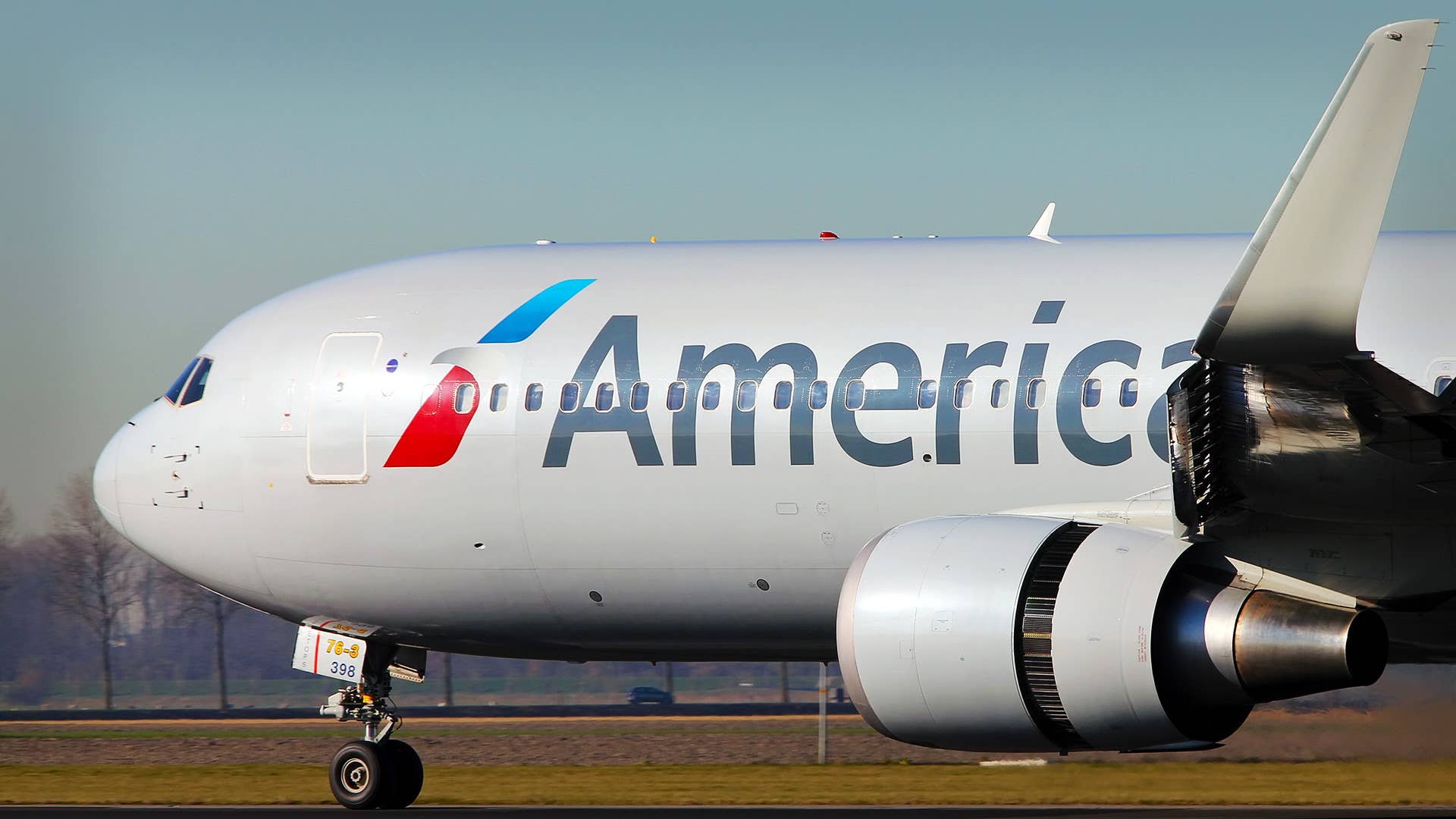
In December 2011, actor Alec Baldwin was removed from an American Airlines flight at Los Angeles International Airport after refusing to stop playing the mobile game "Words with Friends." The incident escalated from a routine safety request into a high-profile standoff that highlighted the tensions between celebrity privilege, federal aviation safety regulations, and the evolving role of mobile technology in public spaces.
The controversy began when Baldwin, seated in first class on Flight 708 bound for New York, continued to use his smartphone after the aircraft’s doors had closed and the "fasten seatbelt" sign was illuminated. Despite multiple requests from a flight attendant to power down his device in accordance with Federal Aviation Administration (FAA) regulations at the time, Baldwin reportedly became belligerent. The situation resulted in the plane returning to the gate, where Baldwin was escorted off the aircraft. While the event occurred over a decade ago, it remains a landmark case study in airline passenger conduct and the intersection of celebrity culture and commercial aviation law.
The Timeline of the Incident on Flight 708
The sequence of events on December 6, 2011, provides a clear picture of how a minor compliance issue transformed into a national news story. Understanding the timeline is essential for evaluating the actions of both the airline crew and the passenger.
Pre-Departure Conflict
As the aircraft prepared for departure from Los Angeles International Airport (LAX), the cabin crew began standard safety procedures. This included the instruction for all passengers to turn off and stow electronic devices. According to witness reports and official statements, Baldwin was engaged in a game of "Words with Friends" on his phone. When first approached by a flight attendant, Baldwin allegedly ignored the request. Upon a second, more firm request, the situation deteriorated.
Escalation and the Lavatory Incident
Reports from American Airlines and fellow passengers indicated that Baldwin’s reaction was not one of simple non-compliance, but of active hostility. He allegedly stood up, took his phone into the aircraft lavatory, and slammed the door so hard that the cockpit crew heard the impact. This behavior was categorized as a security concern. Under FAA rules, any passenger who becomes disruptive or fails to follow the instructions of a crew member can be deemed a threat to the safety and order of the flight.
Removal from the Aircraft
The captain of Flight 708 made the decision to taxi back to the gate rather than proceed with the takeoff. Law enforcement and airline ground staff met the plane, and Baldwin was removed. While he was not arrested, his removal caused a significant delay for the other passengers on board. Baldwin’s initial public reaction was one of defiance, as he took to social media to criticize the airline’s service rather than addressing the safety violation.
The Regulatory Framework: FAA Rules in 2011
To understand why this incident was so contentious, one must look at the technical and legal environment of 2011. Today, in 2026, passengers are accustomed to "gate-to-gate" use of mobile devices in airplane mode, but the rules were significantly more restrictive during the time of Baldwin's controversy.
Portable Electronic Devices (PEDs) and Interference
In 2011, the FAA maintained a strict "sterile cockpit" rule, which prohibited the use of almost all portable electronic devices (PEDs) during critical phases of flight, including taxi, takeoff, and landing. The prevailing technical concern was that the radio frequency emissions from mobile phones and tablets could interfere with the aircraft’s navigation and communication systems.
Airlines were required to enforce these rules strictly. If a passenger refused to comply, they were in direct violation of Federal Aviation Regulation (FAR) 91.11, which states that "no person may assault, threaten, intimidate, or interfere with a crewmember in the performance of the crewmember's duties aboard an aircraft being operated."
The Burden of Crew Responsibility
Flight attendants are not merely service staff; they are safety professionals charged with enforcing federal law. When the flight attendant asked Baldwin to stow his device, they were executing a mandatory safety protocol. Baldwin’s refusal put the crew in a position where they could not legally allow the flight to proceed. The "Word with Friends" incident became a prime example of how passenger ego can clash with the non-negotiable nature of aviation safety.
The Cultural Phenomenon of "Words with Friends"
An unusual byproduct of the controversy was the massive surge in popularity for the mobile game Baldwin was playing. "Words with Friends," a Scrabble-like social game developed by Zynga, became a household name overnight due to the incident.
The "Baldwin Bump" for Zynga
Following the news of Baldwin's removal, "Words with Friends" saw a dramatic increase in downloads and active users. The game’s developer, Zynga, capitalized on the publicity. While they did not officially sponsor Baldwin’s behavior, the brand association with a high-profile "addicted" celebrity was a marketing windfall. The controversy illustrated the nascent power of mobile gaming in the early 2010s and how social media could amplify a specific product through a negative news cycle.
Public Perception and Celebrity Privilege
The public response was sharply divided. Some fans of Baldwin viewed the airline's actions as an overreaction to a minor infraction. However, a larger segment of the public and the travel industry saw it as a classic case of celebrity entitlement. The notion that a famous individual could bypass safety rules that applied to everyone else sparked a broader conversation about "air rage" and the treatment of service workers by high-status individuals.
American Airlines’ Corporate Response
American Airlines took the rare step of issuing a detailed public statement regarding a specific passenger incident. This was likely a response to Baldwin’s immediate and vocal criticism of the airline on Twitter (now X).
Official Statement Analysis
The airline’s statement defended the crew, noting that Baldwin was "extremely rude" and used "offensive language" toward the flight attendants. The airline emphasized that the decision to remove him was based solely on safety and the need to maintain a professional environment for all passengers. By standing by their employees, American Airlines signaled that celebrity status did not grant immunity from federal regulations.
Comparison of Passenger Conduct Policies
To provide context, the following table compares how major airlines generally handle non-compliance and "air rage" incidents involving high-profile passengers vs. standard procedures.
| Aspect | Standard Protocol | High-Profile Treatment (Typical) | The Baldwin Case Outcome |
|---|---|---|---|
| Initial Non-compliance | Verbal warning and request to stow device. | Often handled with extra discretion. | Multiple warnings ignored. |
| Escalation | Captain notified; potential for removal. | Intervention by lead flight attendant. | Captain returned plane to gate. |
| Post-Incident | Local law enforcement report filed. | Often resolved via PR channels. | Public statement by airline; PR battle. |
| Consequences | Possible ban from airline. | Rarely banned unless physical. | Baldwin voluntarily switched airlines. |
| Publicity | Minimal outside of local news. | High social media engagement. | International headlines; SNL parody. |
The Aftermath and Baldwin's Parody on SNL
The controversy did not end with the flight removal. Alec Baldwin, known for his comedic timing and long-standing relationship with Saturday Night Live (SNL), used the platform to address the situation in a way that remains a classic moment in the show's history.
The "Captain Steve Rogers" Sketch
Days after the incident, Baldwin appeared on SNL’s "Weekend Update" segment. Rather than appearing as himself, he dressed as the American Airlines pilot, "Captain Steve Rogers," and delivered a mock apology to Alec Baldwin. The sketch was a masterclass in PR redirection; by lampooning the airline and himself, Baldwin managed to soften the public’s anger through humor. However, critics argued that the sketch was a way for Baldwin to avoid a sincere apology to the actual crew members he had offended.
Temporary Twitter Deactivation
In the immediate wake of the event, Baldwin deactivated his Twitter account, citing a desire to step away from the "toxic" nature of the platform. This was a recurring pattern for the actor, who has frequently used and abandoned social media in response to various controversies throughout his career.
Long-Term Impact on Aviation Policy and Celebrity Travel
Looking back from 2026, the Baldwin incident served as a precursor to the modern era of air travel, characterized by heightened security, cell phone ubiquity, and the constant presence of cameras on flights.
The Shift to "Gate-to-Gate" PED Usage
In 2013, only two years after the Baldwin incident, the FAA shifted its stance on PEDs. New research showed that modern avionics were sufficiently shielded from the low-power signals of mobile devices. The FAA began allowing airlines to permit the use of devices in "airplane mode" during all phases of flight. Had Baldwin been on a flight in late 2013 or beyond, his game of "Words with Friends" would likely have been perfectly legal, provided his device was in airplane mode. This underscores how much of the controversy was a product of a specific technological transition period.
The "Air Rage" Precedent
The incident is often cited in training for flight attendants as a high-visibility example of "Level 1" passenger interference. Level 1 threats involve disruptive behavior, including suspicious or threatening actions and non-compliance with crew instructions. By successfully removing a high-profile actor, American Airlines reinforced the authority of the cabin crew, a precedent that remains vital for maintaining safety on commercial flights today.
Technical Considerations for Modern Passengers
For travelers in 2026, the Baldwin controversy offers several practical lessons regarding the intersection of technology and airline rules. Even though "airplane mode" is standard, there are still technical and legal boundaries that must be respected.
- Crew Instructions Overrule Policy: Regardless of what the FAA or airline policy says on paper, the instructions given by the crew in the moment are legally binding. If a flight attendant asks you to put a device away—even if you believe it is allowed—you are legally required to comply.
- The Definition of Interference: Interference does not require physical violence. Under current legal interpretations, verbal abuse or refusing to follow safety directions constitutes interference, which can lead to hefty fines and inclusion on "no-fly" lists.
- Connectivity Limitations: While many flights now offer high-speed Wi-Fi, the use of cellular data (which Baldwin was likely using to play his game) remains prohibited on many flights because it can still ping ground towers, causing potential network issues.
Frequently Asked Questions
What game was Alec Baldwin playing on the plane?
Alec Baldwin was playing Words with Friends, a popular mobile word game similar to Scrabble. The game was developed by Zynga and was a major social media hit at the time of the 2011 incident.
Why was Alec Baldwin kicked off the American Airlines flight?
He was removed for failing to comply with a flight attendant's request to turn off his mobile phone. The situation escalated when Baldwin allegedly became verbally abusive and took his phone into the lavatory, slamming the door and creating a disturbance that the captain deemed a safety risk.
Did Alec Baldwin ever apologize for the American Airlines incident?
Baldwin issued a statement that was more of an "apology to the passengers" for the delay than an apology to the airline or the crew. He maintained that the flight attendant was "unfairly" targeting him and remained critical of American Airlines' service standards.
Can you play "Words with Friends" on a plane today?
Yes, in 2026, you can play mobile games on a plane throughout the entire flight, including taxi, takeoff, and landing, as long as your device is in airplane mode. Most modern aircraft also provide Wi-Fi that allows for online multiplayer games.
Was Alec Baldwin banned from American Airlines?
While there were rumors of a ban, Baldwin was not officially permanently banned from the airline. However, he publicly stated that he would never fly American Airlines again, preferring competitors like United or JetBlue in the years following the event.
Expert Guidance: Navigating Airline Compliance
The core lesson of the Alec Baldwin American Airlines controversy is that the airplane cabin is a unique legal environment where traditional social hierarchies are secondary to federal safety protocols. For high-profile individuals and standard passengers alike, the best course of action when faced with a crew request is immediate compliance.
If you believe a crew member is being unfair or incorrect about a policy, the time to address that is after the flight, through formal customer service or regulatory channels. Attempting to argue the point while the aircraft is on the tarmac will almost inevitably lead to removal, potential legal action, and a significant public relations disaster. In the age of viral video, an "air rage" incident can have long-lasting professional consequences that far outweigh the temporary satisfaction of winning a game or making a point.