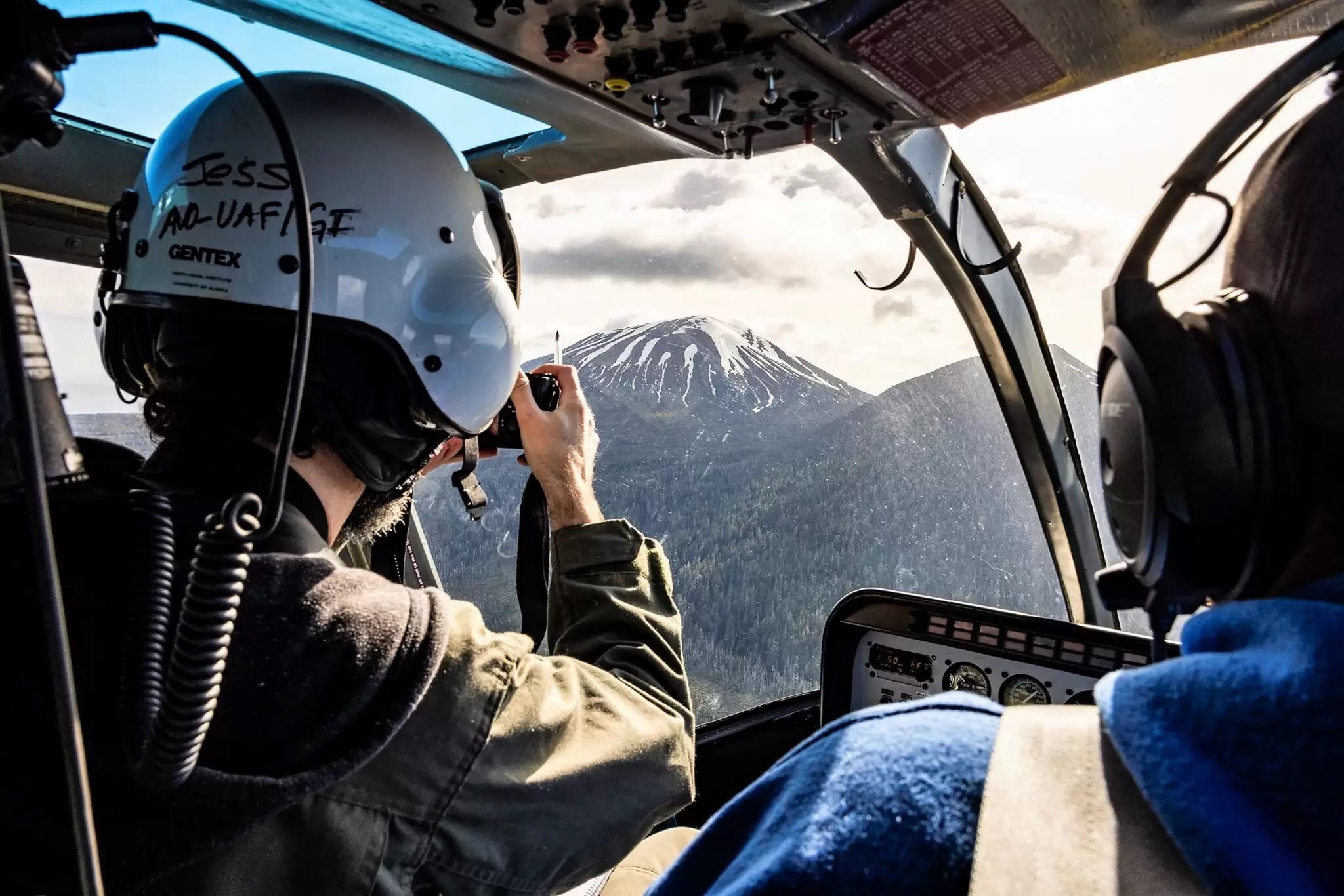
Alaska observatory dining refers to a selection of premier, high-altitude, or glass-walled restaurants designed to provide panoramic views of the state’s rugged landscapes, including glaciers, mountain ranges, and the Aurora Borealis. These venues, such as Seven Glaciers in Girdwood and the Crow’s Nest in Anchorage, prioritize a sensory fusion of gourmet local cuisine and immersive natural scenery.
The concept of "observatory dining" in Alaska is less about traditional astronomical telescopes and more about the architectural commitment to "observing" the wild, untamed beauty of the Last Frontier. In 2026, these establishments have refined the balance between rustic Alaskan hospitality and sophisticated international culinary standards. Whether perched atop a mountain reachable only by aerial tramway or situated on the top floor of a historic hotel, these dining rooms serve as windows into the soul of the North.
Seven Glaciers: The Peak of Alaskan Fine Dining
Located 2,300 feet above the valley floor at the Alyeska Resort in Girdwood, Seven Glaciers remains the gold standard for observatory-style dining. To reach the restaurant, guests must take a scenic aerial tram ride, which sets the tone for an evening of "elevated" atmosphere.
The Journey and Arrival
The experience begins at the base of Mount Alyeska. As the tram ascends, the forest thins, revealing the expansive Turnagain Arm and the jagged peaks of the Chugach Mountains. In 2026, the tram ride remains an essential part of the reservation, often included in the dining cost, offering a transitional period where the noise of the world fades away. Upon arrival at the Upper Tram Terminal, a short walk through a glass-enclosed sky bridge leads into the restaurant, where the atmosphere is one of hushed elegance.
Culinary Philosophy and Atmosphere
The interior of Seven Glaciers is designed to complement, not compete with, the view. Floor-to-ceiling windows wrap around the dining room, ensuring that every table is a "window seat." The decor utilizes natural stone, dark woods, and soft lighting to create a warm contrast to the blue-tinted glaciers visible outside.
The menu is a celebration of Alaskan ingredients. In 2026, the kitchen continues to focus on the "Triple-A" standard: Alaskan seafood, Artisanal meats, and Authentic flavors. Signature dishes often include:
- Snake River Farms Wagyu: Often paired with locally foraged morel mushrooms.
- Alaskan Scallops: Seared to perfection and served with seasonal purees.
- The "Baked Alyeska": A whimsical, gourmet take on the classic Baked Alaska, often featuring local berries and house-made meringue.
The wine cellar at Seven Glaciers is one of the most comprehensive in the Pacific Northwest, having received numerous accolades for its depth and variety. The sommeliers are trained to pair robust reds with the cool, crisp atmosphere of the mountain peak.
The Crow’s Nest: Anchorage’s Panoramic Icon
Situated on the 20th floor of the Hotel Captain Cook, The Crow’s Nest offers a different but equally compelling observatory experience. While Seven Glaciers is defined by wilderness, The Crow’s Nest is defined by the intersection of urban sophistication and natural grandeur.
360-Degree Perspectives
The Crow’s Nest provides a 360-degree view of Anchorage and its surroundings. From this vantage point, diners can see the Chugach Mountains to the east, the Cook Inlet to the west, and on clear days, the distant silhouette of Denali to the north. The atmosphere here is deeply rooted in Alaskan history, with nautical themes and dark wood paneling that evoke the voyages of Captain James Cook.
Sophisticated Dining Environment
In 2026, the restaurant maintains its status as the premier location for special occasions in Anchorage. The service is formal yet uniquely Alaskan—knowledgeable and attentive without being stuffy. The "Observatory" feel is reinforced by the sheer height of the venue, making the city lights below look like a reflection of the stars above.
The menu typically features French-influenced Alaskan cuisine. Notable highlights include their extensive wine list (exceeding 10,000 bottles) and a focused tasting menu that highlights the seasonal availability of Copper River Salmon or Alaskan King Crab. The atmosphere is particularly potent during the "Golden Hour," when the sun lingers on the horizon, bathing the dining room in a deep, amber light that is unique to high-latitude summers.
Latitude 65 and Aurora Observatory Dining
For those seeking an observatory experience focused on the night sky, Latitude 65 at Borealis Basecamp (near Fairbanks) represents the pinnacle of "Aurora Dining." Unlike the mountain-top restaurants of the south, this venue is designed specifically for viewing the Northern Lights.
The Geodesic Dome Experience
Latitude 65 is housed within a large, transparent-roofed structure that mirrors the geodesic domes used for guest accommodations. This creates a literal observatory atmosphere. In 2026, the facility has expanded its viewing decks and outdoor fire pits, allowing guests to transition seamlessly between a warm meal and the chilly spectacle of the aurora.
Interior Vibe and Cuisine
The atmosphere at Latitude 65 is "arctic chic." It blends modern architectural lines with the cozy, communal feel of a remote lodge. Large windows and skylights are the primary features, designed to ensure that if the lights begin to dance during dinner, no one misses the show.
The culinary focus here is on hearty, refined comfort food suited for the colder interior climate.
- Braised Elk: Slow-cooked with root vegetables.
- Sourdough Accents: Utilizing starters that have been maintained for years.
- Berry-Infused Desserts: Using lingonberries and cloudberries harvested from the surrounding tundra.
Comparison of Top Alaska Observatory Dining Locations
| Feature | Seven Glaciers (Girdwood) | The Crow’s Nest (Anchorage) | Latitude 65 (Fairbanks) |
|---|---|---|---|
| Primary View | Glaciers & Chugach Range | Cityscape & Cook Inlet | Aurora Borealis & Tundra |
| Elevation/Floor | 2,300 Feet (Mountain Top) | 20th Floor (Hotel) | Ground Level (Open Horizon) |
| Access Method | Aerial Tramway | Elevator | Vehicle/Lodge Shuttle |
| Vibe | Luxury Wilderness | Historical Sophistication | Modern Arctic Explorer |
| Best Time to Visit | Late Summer Sunset | Year-round (Sunset) | Winter (Aurora Season) |
| Signature Fare | Scallops & Wagyu | King Crab & French Wine | Elk & Boreal Berries |
The "Atmosphere" Factor: Why It Matters in Alaska
Atmosphere in an Alaskan observatory restaurant is not just about the furniture; it is about the integration of the outdoors. In 2026, architects and restaurateurs have moved toward "biophilic design," which emphasizes the connection between humans and nature.
Lighting and Visibility
One of the most technical aspects of observatory dining is managing interior reflections. High-end Alaskan restaurants use specialized non-reflective glass and angled window panes to ensure that diners see the mountains or the aurora, not their own reflection. In venues like Seven Glaciers, the lighting is kept intentionally low, with pin-spotting on the tables to ensure the food is visible while the landscape remains the focal point.
The Silence of the Heights
There is a specific acoustic quality to observatory dining. Because these restaurants are often isolated—either by height or distance—there is a profound sense of quiet. This "atmospheric silence" is a luxury in 2026, providing a sanctuary from the digital noise of modern life. The sound of a wine cork popping or the low murmur of conversation feels amplified against the backdrop of a silent, snowy peak.
Seasonality and the "Midnight Sun" Atmosphere
The atmosphere changes drastically between the summer and winter months.
- The Summer (June–August): The "Midnight Sun" creates a perpetual twilight. Dining at 9:00 PM feels like an afternoon garden party, with bright greens and blues dominating the view. The atmosphere is energetic and vibrant.
- The Winter (November–March): The atmosphere turns "Hythe"—the Danish concept of cozy contentment. The world outside is blue and white, and the interior becomes a bastion of warmth, firelight, and rich, heavy flavors.
Technical Considerations for Diners in 2026
Planning a visit to an observatory restaurant in Alaska requires more logistics than a standard dinner reservation.
Reservations and Lead Times
Due to their popularity and limited seating (designed to maximize window views), reservations at Seven Glaciers or The Crow’s Nest should be made 4 to 6 weeks in advance during peak tourist seasons (July and August). For Latitude 65, booking is often tied to lodging at Borealis Basecamp, which can fill up months in advance for prime aurora-viewing weeks in February and March.
Dress Code: "Alaska Formal"
The atmosphere in these high-end venues dictates a specific dress code often referred to as "Alaska Formal." This generally means:
- Men: Button-down shirts, slacks, and clean boots or dress shoes. Sport coats are common but not always mandatory.
- Women: Sweaters with elegant scarves, dresses with leggings, or stylish outdoor-ready attire.
- The Rule of Thumb: Avoid hoodies, tattered denim, or muddy hiking boots. Even though it is the wilderness, these venues maintain a standard of decorum that matches their price point.
Cost and Value Proposition
Observatory dining is an investment. In 2026, a three-course meal for two at a premier Alaskan observatory restaurant typically ranges from $250 to $450 USD, including wine and gratuity. The value lies in the exclusivity of the location and the logistical effort required to maintain a high-end kitchen in a remote or elevated environment.
Frequently Asked Questions
Is the tram ride included in the reservation at Seven Glaciers?
In most cases, yes. When you make a dinner reservation at Seven Glaciers, the cost of the Alyeska Tramway is typically complimentary. Guests should check in at the ticket office or the tram base to receive their dining tram pass. It is recommended to arrive at least 30 minutes before your reservation to enjoy the ascent.
Can I see the Northern Lights from these restaurants?
While Latitude 65 near Fairbanks is specifically designed for this, you can occasionally see the Aurora from Seven Glaciers or The Crow’s Nest if the solar activity is high enough. However, the light pollution from Anchorage can hinder the view at The Crow’s Nest. Fairbanks remains the best location for a dedicated "Aurora and Dining" experience.
Are these observatory restaurants family-friendly?
Most Alaska observatory restaurants welcome children, but the atmosphere is geared toward adults, couples, and quiet groups. Seven Glaciers offers a more formal environment where young children might find the long multi-course meals challenging. Latitude 65 is generally more relaxed and conducive to families staying at the basecamp.
What happens if the weather is bad?
In Alaska, "bad" weather (clouds and fog) can obscure the views that define observatory dining. While the restaurants remain open, the "observatory" aspect is diminished. Some venues, like Seven Glaciers, have a distinct atmosphere even in the clouds—often described as being "inside a silk cocoon"—but if the view is your primary goal, check the mountain webcams before heading up.
Are there vegetarian or vegan options at these high-altitude venues?
Yes. By 2026, all premier Alaskan dining rooms have integrated sophisticated plant-based options. While the region is famous for seafood and game, chefs at Seven Glaciers and The Crow’s Nest utilize hydroponic Alaskan greens and cold-weather root vegetables to create high-quality vegetarian tasting menus.
Practical Recommendation for Travelers
If you only have time for one observatory dining experience, choose based on your location and the season. If you are in Southcentral Alaska during the summer, Seven Glaciers is an unbeatable bucket-list item due to the dramatic tram ride and glacier views. If you are visiting the Interior during the winter, prioritize Latitude 65 for the best chance of pairing a world-class meal with the Northern Lights. Regardless of your choice, always book the latest possible seating during the summer to witness the transition of light over the Alaskan wilderness.