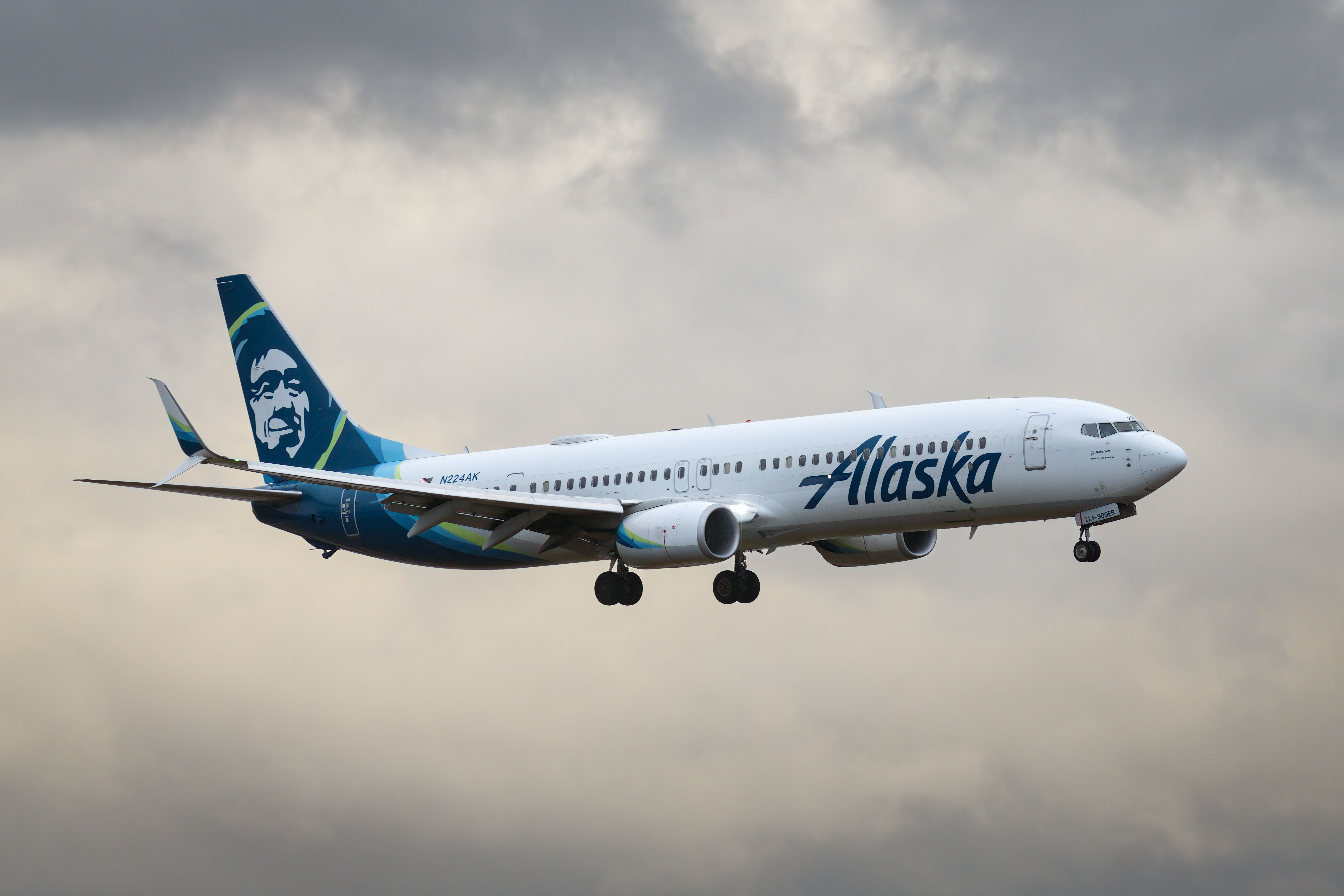
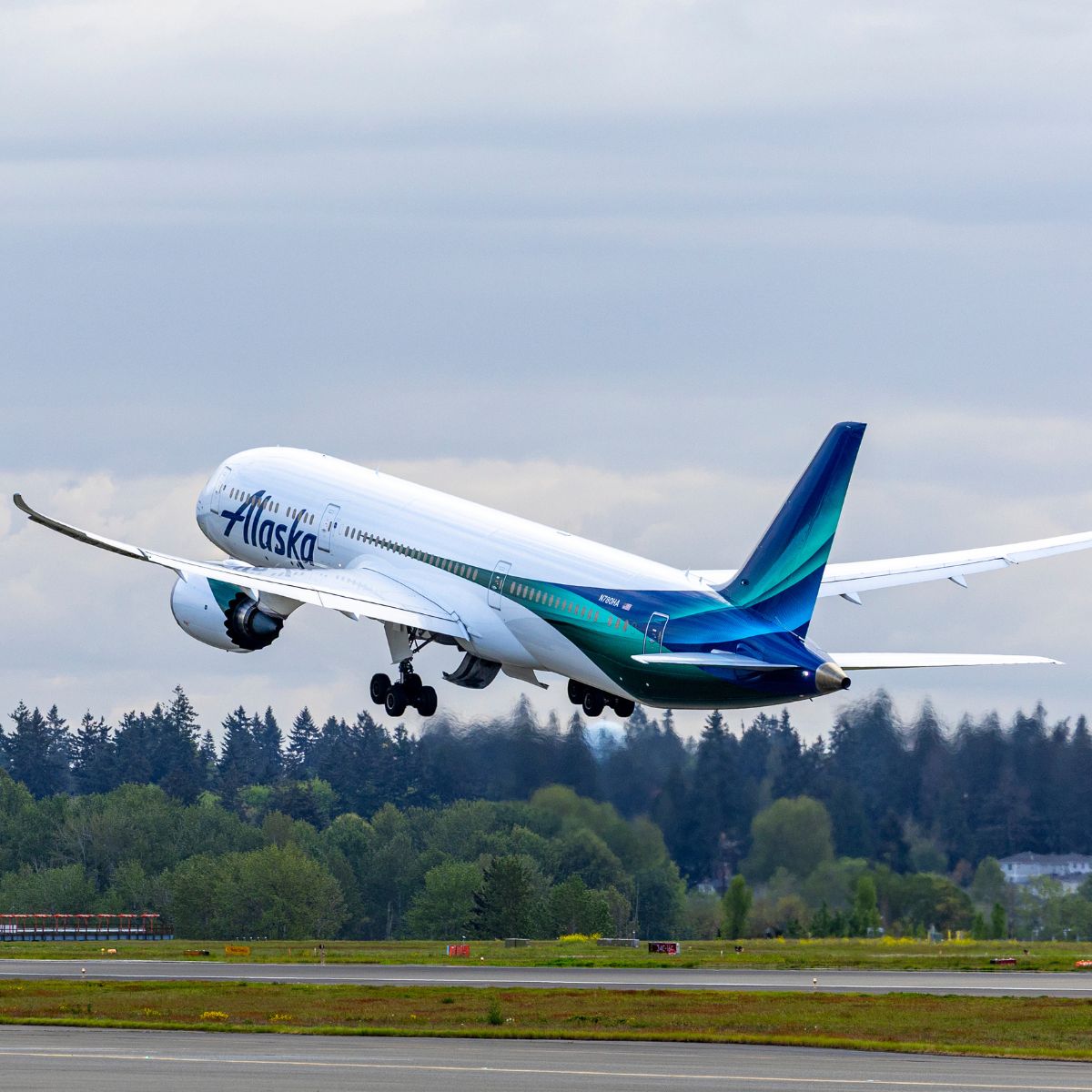
While Alaska Airlines and Delta Air Lines once maintained a robust, highly integrated partnership that allowed passengers to seamlessly earn and redeem miles across both carriers, that comprehensive alliance officially dissolved in 2017. Today, the two airlines operate as fierce competitors, particularly in Pacific Northwest hubs like Seattle, meaning travelers can no longer rely on reciprocal frequent flyer benefits, lounge access, or codeshare flights between them.
The Origins and Golden Era of the Alaska-Delta Alliance
To understand why travelers still frequently search for the Alaska Airlines and Delta partnership, it is necessary to examine how deeply intertwined the two carriers once were. For many years, Alaska Airlines and Delta Air Lines operated under a close commercial relationship that functioned much like a modern airline joint venture, long before alliance memberships like Oneworld or SkyTeam dictated strict operational boundaries.
During this era, Alaska Airlines served as a vital regional feeder for Delta, funneling passengers from smaller cities across Alaska and the Pacific Northwest into Delta's major international gateways, particularly Seattle-Tacoma International Airport (SEA) and Salt Lake City International Airport (SLC). In exchange, Delta passengers gained seamless access to Alaska’s extensive regional network, allowing travelers to book single-ticket itineraries combining flights from both airlines.
This cooperation extended far beyond simple ticketing and baggage transfer. The partnership offered robust frequent flyer reciprocity, allowing members of Alaska’s Mileage Plan and Delta’s SkyMiles programs to earn and redeem miles on each other’s flights. Elite status members also enjoyed cross-airline perks, such as priority boarding, checked baggage allowances, and occasional space-available upgrades. For frequent flyers based on the West Coast, this alliance provided unmatched flexibility, blending Alaska's regional dominance with Delta's expanding global route network.
The Strategic Shift and Eventual Dissolution in 2017
The landscape of West Coast aviation shifted dramatically in the mid-2010s as Delta Air Lines began aggressively transforming Seattle-Tacoma International Airport into its own major international hub. What had once been a symbiotic relationship shifted into direct competition. Delta started building out domestic routes from Seattle that directly challenged Alaska Airlines' core market, effectively turning a key partner into a primary rival.
Recognizing that Delta was building a competing fortress hub in its home territory, Alaska Airlines sought to secure its long-term competitive independence. This defensive strategy culminated in two major moves: Alaska's acquisition of Virgin America in 2016 and the systematic wind-down of its partnership with Delta.
As the competitive overlap widened, the two carriers began dismantling their cooperative agreements in phases. The reciprocal frequent flyer earning and redemption capabilities were phased out through 2017, and codeshare agreements were terminated. By May 2017, the comprehensive partnership had officially drawn to a close, forcing both airlines to build out independent loyalty ecosystems and route networks in the Pacific Northwest and beyond.
Current Standing: Competitors, Alliances, and Network Realities
Today, any lingering confusion regarding an Alaska Airlines and Delta partnership is entirely outdated. The two carriers operate as distinct competitors with entirely separate alliance affiliations and loyalty structures. Understanding their current market positioning helps travelers avoid costly booking mistakes and maximize modern frequent flyer strategies.
Alaska Airlines and the Oneworld Alliance
Following the end of its relationship with Delta and its successful integration of Virgin America, Alaska Airlines pursued a different strategic path to global connectivity. In March 2021, Alaska officially joined the Oneworld alliance, aligning itself with major international carriers such as American Airlines, British Airways, Qatar Airways, and Japan Airlines.
Through Oneworld, Alaska Mileage Plan members can earn and redeem miles across a massive global network, enjoy reciprocal elite benefits (such as Oneworld Sapphire and Emerald tiers), and access partner airport lounges worldwide. This alliance provides Alaska with the international reach it once partially relied on Delta to supply, while maintaining its independent domestic identity.
Delta Air Lines and the SkyTeam Alliance
Delta Air Lines remains a foundational member of the SkyTeam alliance, cooperating closely with global giants like Air France, KLM, Korean Air, and Virgin Atlantic. Delta continues to operate a massive, highly successful hub at Seattle-Tacoma International Airport alongside its other primary hubs in Atlanta, Minneapolis, Detroit, New York, Salt Lake City, Los Angeles, and Cincinnati. Delta's SkyMiles loyalty program operates entirely independently of Alaska's Mileage Plan, with separate elite tiers (Medallion status) and distinct redemption rules.
Comparative Overview of the Former Partners
To clearly illustrate how the relationship has evolved, the following table compares the operational and loyalty realities of Alaska Airlines and Delta Air Lines.
| Feature | Alaska Airlines | Delta Air Lines |
|---|---|---|
| Primary Alliance | Oneworld | SkyTeam |
| Key West Coast Hub | Seattle-Tacoma (SEA), Portland (PDX) | Seattle-Tacoma (SEA), Los Angeles (LAX) |
| Frequent Flyer Program | Mileage Plan | SkyMiles |
| Reciprocal Mileage Earning | Not available between Alaska and Delta | Not available between Delta and Alaska |
| Reciprocal Lounge Access | Not available between the two carriers | Not available between the two carriers |
| Current Relationship | Direct competitors | Direct competitors |
Frequently Asked Questions
Can I still earn Alaska miles when flying on Delta?
No. All reciprocal frequent flyer earning between Alaska Airlines and Delta Air Lines ended in 2017. Flights operated by Delta do not accrue Alaska Mileage Plan miles, and flights operated by Alaska do not accrue Delta SkyMiles.
Can I use Delta SkyMiles to book flights on Alaska Airlines?
No. Because the partnership has been terminated, you cannot redeem Delta SkyMiles for award tickets on Alaska Airlines, nor can you use Alaska miles to book Delta-operated flights.
Are there any remaining codeshare agreements between Alaska and Delta?
No codeshare agreements exist between Alaska Airlines and Delta. Each airline operates its own flights independently, and passengers cannot book multi-carrier itineraries involving both airlines on a single ticket through either carrier's website.
How does Alaska Airlines provide international connectivity now?
Instead of partnering with Delta, Alaska Airlines joined the Oneworld alliance in 2021. This allows Alaska passengers to connect seamlessly to global destinations via partner airlines such as American Airlines, British Airways, and Japan Airlines.
Do elite status benefits cross over between Alaska and Delta?
No. Alaska Mileage Plan elite members receive no status benefits (such as priority boarding, upgrades, or free checked bags) when flying on Delta, and Delta Medallion members receive no reciprocal perks when flying on Alaska.
Next Actions for Travelers
If you currently hold balances in both Alaska Mileage Plan and Delta SkyMiles, treat them as completely separate currencies managed within distinct ecosystems. When planning travel out of the Pacific Northwest or across the United States, evaluate routes, schedules, and pricing independently for each airline. For global travel, leverage Alaska’s Oneworld partners or Delta’s SkyTeam partners depending on which loyalty currency you prefer to accumulate and redeem.