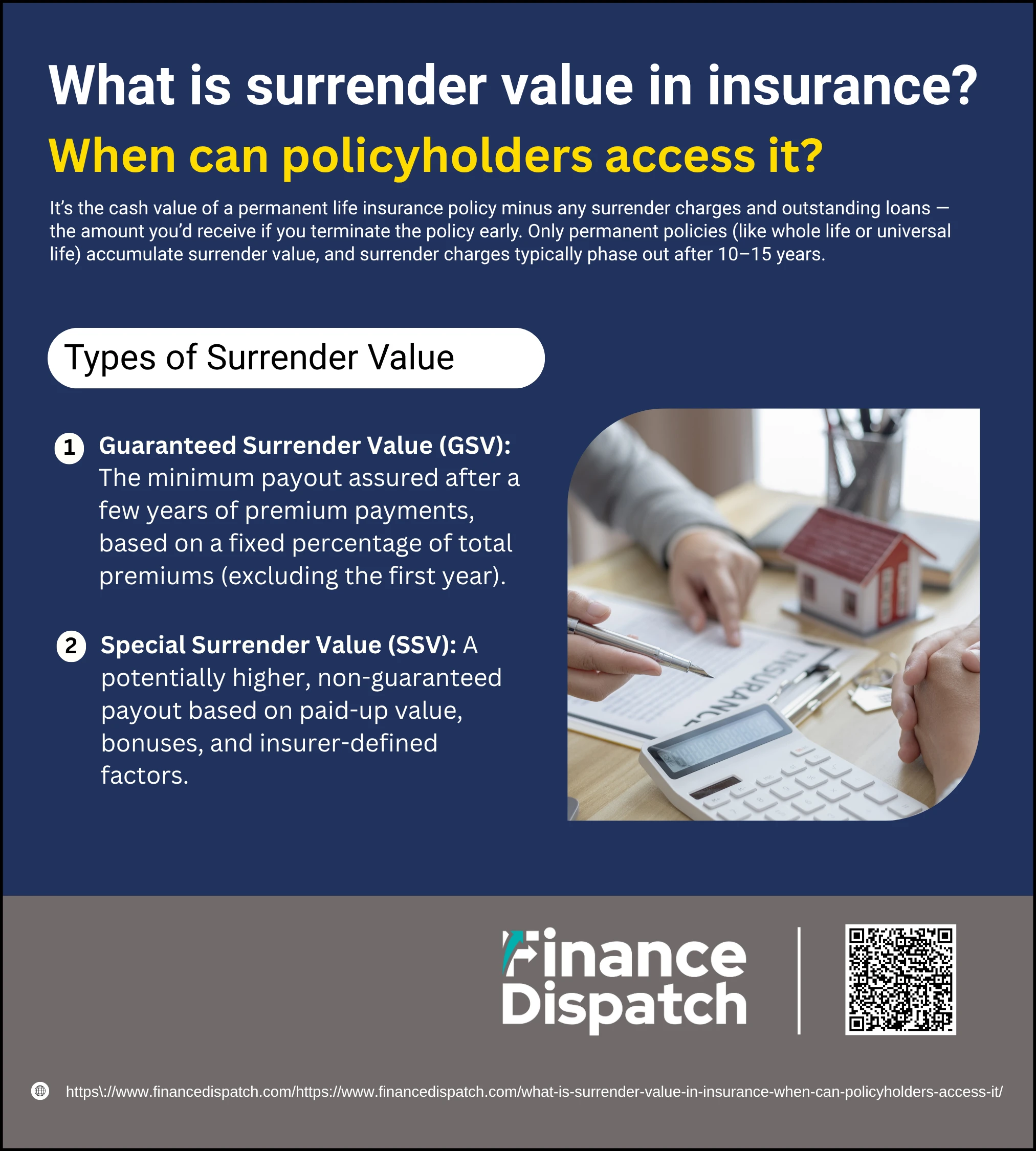
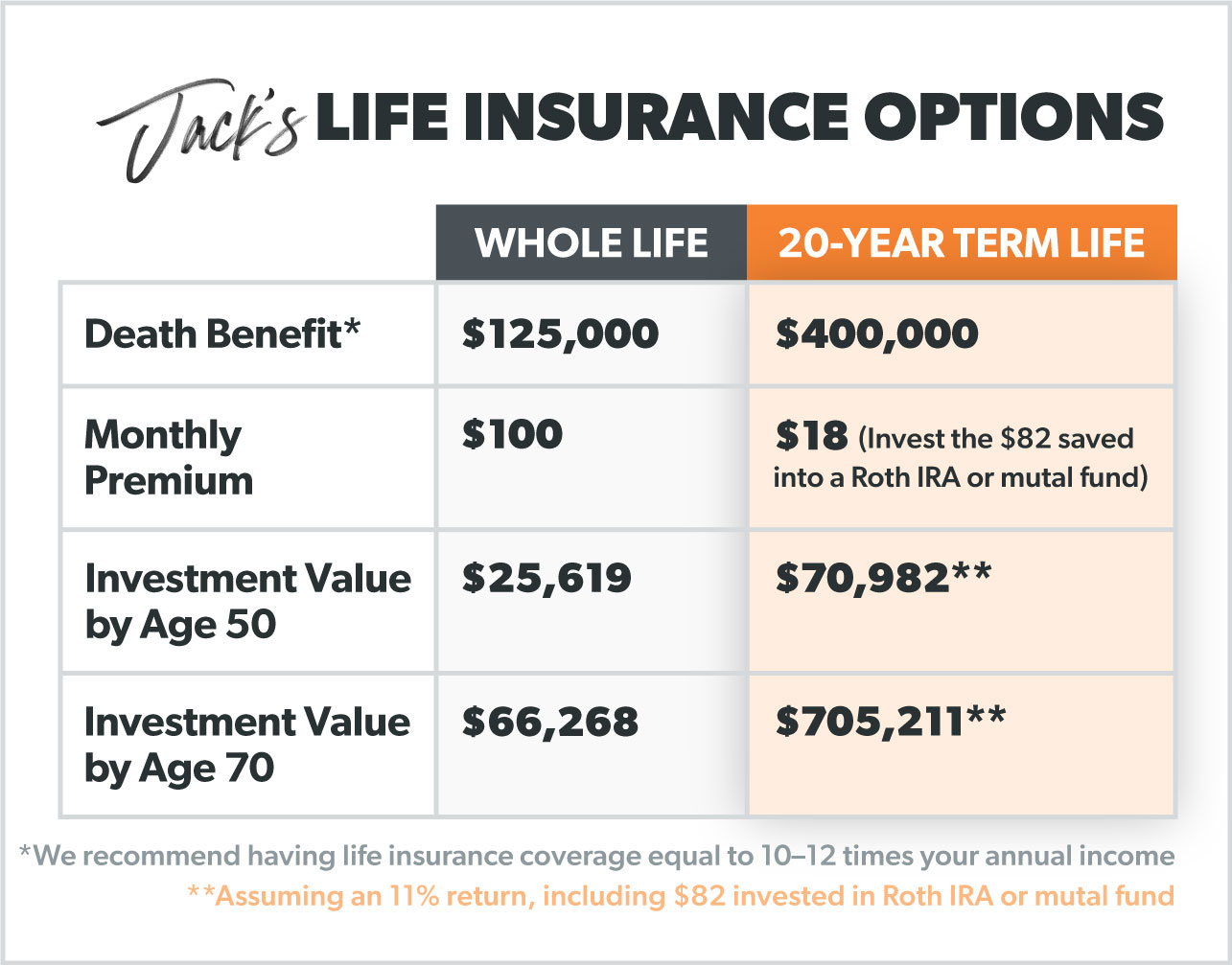
The surrender value of an Aflac whole life insurance policy represents the net cash amount available to a policyholder if they voluntarily terminate their coverage before the policy matures or a claim is filed. This value is determined by the premiums paid, the accumulation of interest or dividends, and any applicable surrender charges or outstanding policy loans that may reduce the final payout.
Defining Whole Life Insurance and Cash Value Accumulation
Whole life insurance is a permanent life insurance product designed to provide coverage for the duration of the policyholder's life, provided that the required premiums are paid. Unlike term life insurance, which functions purely as a death benefit contract, whole life insurance includes a "cash value" component. This component acts as a savings element that grows over time on a tax-deferred basis.
When you pay your premiums to an insurer like Aflac, a portion of that payment covers the cost of insurance and administrative expenses, while the remainder is directed into the policy’s cash value account. This account earns interest or dividends based on the insurer's performance and the specific terms of the policy contract. Over the years, the cash value generally increases, eventually creating a significant asset that the policyholder can leverage.
The "surrender value" is essentially this cash value account, adjusted for the insurer's costs associated with early termination. It is important to distinguish between "cash value" and "surrender value." While the cash value is the total amount accumulated in the account, the surrender value is what remains after the insurance company subtracts any surrender charges stipulated in the contract, particularly if the policy is canceled during its early years.
How Aflac Determines Surrender Value
Aflac, like most life insurance providers, calculates the surrender value using actuarial formulas established at the inception of the policy. The primary mechanism for determining this value involves the "cash surrender scale" found within your policy document.
- Premiums Paid: The base amount that has been contributed to the policy.
- Interest/Dividends: The earnings generated by the cash value over time.
- Surrender Charges: These are fees levied by the insurance company to recover the high initial costs of issuing the policy, such as underwriting expenses and agent commissions. These charges are typically highest in the first few years of the policy and decrease annually, eventually disappearing after a set number of years (often 10 to 15).
- Policy Loans: If you have previously borrowed against the cash value of your policy, the outstanding loan balance—plus any accrued interest—will be subtracted from the total surrender value before any payment is made.
It is critical to review your specific policy summary or "table of guaranteed values." This table outlines exactly what your minimum surrender value will be at specific anniversary dates of your policy.
The Financial Implications of Surrendering a Policy
Deciding to surrender a life insurance policy is a permanent financial move that terminates your death benefit and removes your protection. Before proceeding, you must weigh the short-term liquidity needs against the long-term cost of losing the coverage.
When you surrender a policy, you receive the cash surrender value as a lump sum. However, this transaction can have tax implications. According to general tax principles, if the surrender value exceeds the total amount of premiums you have paid into the policy, the gain is typically considered taxable income. Conversely, if you surrender the policy for less than the total premiums paid, there is generally no tax liability on the payout, as it is viewed as a return of principal.
Furthermore, surrendering a policy often results in the loss of a "guaranteed" financial asset. If you are older or have developed health issues since purchasing the original policy, obtaining new life insurance at the same premium rate may be impossible or prohibitively expensive.
Comparing Surrender with Alternative Liquidity Options
Before opting to surrender your Aflac policy, consider that there are often alternatives that allow you to access the value of the policy without terminating the death benefit entirely.
| Option | Effect on Death Benefit | Impact on Policy |
|---|---|---|
| Policy Loan | Reduces benefit by loan amount | Keeps policy in force; interest accrues |
| Partial Withdrawal | Reduces cash value/benefit | Some policies allow limited access |
| Surrender | Terminates policy entirely | Permanent loss of coverage |
| Reduced Paid-Up | Decreases benefit amount | No further premiums; coverage remains |
Policy loans are a common way to access capital. Because your cash value acts as collateral, the interest rates on these loans are often favorable. However, failure to repay the loan can result in the policy lapsing if the loan balance grows to exceed the remaining cash value.
Step-by-Step Procedure for Inquiring About Surrender Value
If you have determined that you need to know the specific surrender value of your Aflac policy, follow these steps to ensure you receive accurate, verified information:
- Locate Your Policy Documents: Find your original policy contract or the most recent annual statement provided by Aflac. These documents contain your policy number and, often, a table of guaranteed values.
- Contact Aflac Policyholder Services: Use the official Aflac customer service channels. Do not rely on third-party websites or unofficial calculators, as policy terms can vary significantly between different products and issue dates.
- Request a "Surrender Quote": Ask for a formal "surrender quote" or "cash value illustration." This document will provide a precise breakdown of the gross cash value, any applicable surrender charges, any outstanding loan balances, and the final net amount you would receive.
- Confirm Tax Reporting: Inquire if the company will provide a tax form (such as a 1099-R) upon the completion of the surrender, as this will be required for your tax filings in the year the payment is received.
- Review and Decide: Once you have the official numbers, consult with a tax professional or a financial advisor to determine if surrendering is the most efficient way to meet your financial goals.
Common Misconceptions Regarding Surrender Value
A frequent misunderstanding is the belief that the surrender value is the same as the "death benefit." It is crucial to remember that the death benefit is the amount paid to your beneficiaries upon your passing, while the surrender value is the amount available to you while you are alive.
Another common myth is that surrender values grow linearly or that they are equivalent to an investment savings account. While the cash value grows, it is designed primarily as a mechanism to support the permanent nature of the insurance coverage, not as a high-yield investment vehicle. Market fluctuations generally do not impact guaranteed cash values in a whole life policy, providing a layer of stability, but also limiting the growth potential compared to variable insurance products.
Limitations and Regulatory Protections
Insurance companies are subject to state regulations that govern how surrender values are calculated and disclosed. These laws protect policyholders by ensuring that companies maintain adequate reserves to meet their contractual obligations. If you believe your surrender value has been calculated incorrectly or if you have concerns regarding the information provided by the insurer, you may contact your state’s Department of Insurance. These regulatory bodies provide resources for policyholders to file complaints or verify the standing of their insurance carriers.
It is also important to note that if your policy includes optional riders—such as accidental death benefits or waiver of premium riders—these may be affected differently than the base policy upon surrender. Ensure you understand the status of all policy attachments before finalizing a termination.
Professional Advice and Final Considerations
Financial decisions involving life insurance should rarely be made in isolation. Because these products are designed for long-term protection, surrendering a policy can have consequences that span decades. If you are experiencing a temporary financial hardship, discuss your situation with an Aflac representative; they may be able to offer solutions such as premium payment deferrals or policy loans that help you keep the policy active during difficult times.
Before you proceed with a surrender, verify the exact amount you will receive and consider if there is an alternative way to achieve your current financial goals. If you decide to proceed, ensure you have a clear plan for your future insurance needs, as reapplying for coverage at a later stage in life usually involves higher premiums based on your current age and health status.
Frequently Asked Questions
1. Does my Aflac whole life insurance cash value increase every year? Yes, in a standard whole life policy, the cash value generally increases annually as you pay premiums and the policy earns interest or dividends. However, the rate of growth is defined by the contract and is not guaranteed to be high; it is intended to stabilize the cost of insurance over your lifetime.
2. How long does it take to receive the money after surrendering? After submitting the required forms for policy surrender, the process typically takes several business days to a few weeks, depending on the internal processing times at Aflac and the time required for administrative verification of the request.
3. Will I be charged a fee if I surrender my policy early? Yes. Surrender charges are common in the early years of a policy. These fees are designed to reimburse the company for the expenses incurred in issuing the policy. The "table of guaranteed values" in your policy will explicitly state whether a surrender charge applies at your current policy duration.
4. Can I surrender only part of my policy for cash? This depends on the specific product. Some policies allow for partial withdrawals, while others require a full surrender of the contract to access the cash value. Review your specific policy provisions or contact Aflac customer support to see what partial access options, if any, are available to you.
5. What happens to my beneficiaries if I surrender my policy? Once you surrender a whole life insurance policy, the contract is terminated. This means the death benefit is canceled immediately. Your beneficiaries will no longer be eligible to receive a payout from this policy upon your passing.
6. Do I have to pay taxes on the cash surrender value? You are generally only taxed on the portion of the cash surrender value that exceeds the total amount of premiums you have paid. If the amount you receive is less than or equal to the total premiums paid, there is typically no taxable gain.
Next Action: To move forward with clarity, log in to your policy account portal or call the Aflac customer service number found on your original policy document to request a current "Surrender Value Illustration." Review this document carefully with a financial advisor before authorizing any permanent change to your insurance coverage.