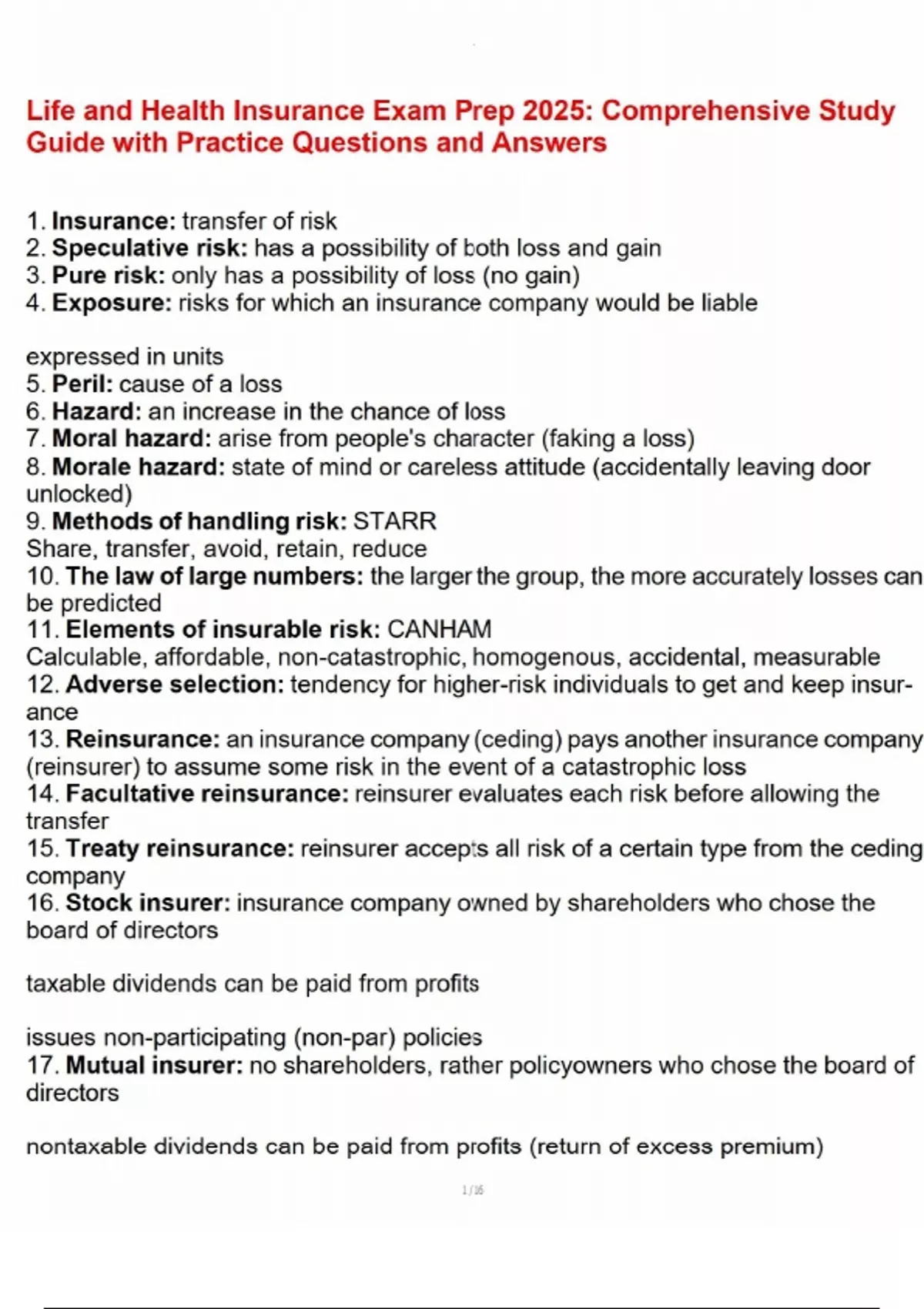
Securing affordable life insurance after completing an insurance licensing exam or while utilizing exam preparation services often involves navigating specialized insurance products tailored for professionals, students, or career-transitioners. While "exam prep life insurance" typically refers to policies secured by individuals studying for financial or insurance examinations—or group policies offered through education providers—finding cost-effective coverage requires understanding underwriting classes, term lengths, and policy riders.
Understanding the Landscape of Insurance for Exam Candidates and Professionals
When individuals search for affordable exam prep life insurance, they are usually navigating a specific life transition. They might be entering the financial services, accounting, or insurance industries and looking for professional-grade coverage, or they are students purchasing temporary protection while completing rigorous certification exams.
Because financial services professionals understand the mechanics of risk pooling, underwriting, and mortality tables, they often seek out policies that maximize death benefits while minimizing premium costs. The primary goal is to lock in insurability at a young age or during a stable health window before career stress or age-related health changes increase premium rates.
The Intersection of Career Education and Financial Planning
Entering a career that requires licensing exams—such as a life and health insurance producer exam, a Series 6 or 7 securities exam, or a Certified Financial Planner (CFP) designation—puts professionals face-to-face with financial risk management concepts. Buying personal life insurance during this phase is often part of a broader financial blueprint. Many education providers partner with affinity groups or insurance carriers to offer discounted term life insurance or specialized disability and errors-and-omissions (E&O) products designed specifically for incoming professionals.
Key Factors That Determine Life Insurance Affordability
Affordability is relative to individual health profiles, age, and coverage amounts. However, certain structural elements of life insurance policies dictate whether a policy remains budget-friendly over the long term.
Term Life Versus Permanent Life Insurance
For the vast majority of individuals seeking affordable coverage, term life insurance is the definitive choice.
- Term Life Insurance: Provides coverage for a specific period (e.g., 10, 20, or 30 years). It offers pure death benefit protection without an investment component, making its monthly or annual premiums significantly lower than permanent alternatives.
- Permanent Life Insurance (Whole or Universal): Builds cash value over time and lasts for the insured's entire life. While it serves specific estate-planning or cash-accumulation goals, it is rarely considered "affordable" for young professionals or students on a tight budget.
Underwriting Classes and Health Metrics
Insurance carriers assess risk through medical underwriting. To secure the most affordable rates, applicants must understand how underwriters categorize health:
- Preferred Plus / Preferred Elite: Reserved for individuals with exceptional health metrics, normal blood pressure and cholesterol, no family history of major hereditary diseases, and zero history of tobacco use.
- Standard Plus / Standard: Applied to individuals with average health or minor, well-managed conditions. Premiums are noticeably higher than preferred tiers but still manageable.
- Substandard (Table Ratings): Assigned to individuals with chronic health conditions or high-risk lifestyles. Premiums increase incrementally per table rating.
- Tobacco Users: Automatically face substantially higher rates (often double or triple non-tobacco rates) across all categories.
Comparative Overview of Policy Structures for Career-Focused Buyers
Choosing the right policy structure requires balancing immediate budget constraints against long-term financial security needs. The following table outlines standard options available to professionals and exam candidates.
| Policy Type | Typical Term Length | Primary Benefit | Cost Profile | Best Suited For |
|---|---|---|---|---|
| Level Term Life | 10 to 30 years | Fixed death benefit and locked-in premiums | Lowest baseline cost | Income replacement for young families and mortgage protection |
| Annual Renewable Term | 1 year (renews annually) | Short-term protection | Low initial cost that rises every year | Temporary coverage needs or bridging a short financial gap |
| Group Term Life | Varies by employer/association | Basic death benefit without individual medical exams | Often subsidized or low-cost | Supplemental coverage via professional associations or employers |
| Return of Premium Term | 20 to 30 years | Death benefit plus refund of paid premiums if outlived | Higher than standard term | Savers who want a forced-savings mechanism built into term insurance |
Step-by-Step Guide to Securing Affordable Coverage
Navigating the insurance market efficiently prevents overpaying and ensures you secure a policy that matches your actual financial liabilities.
Step 1: Calculate Your Coverage Needs
Do not guess how much insurance you need. Use the DIME formula to calculate your financial footprint:
- Debt: Add up all personal debt, including credit cards and auto loans (excluding the mortgage if handled separately).
- Income: Multiply your annual income by the number of years your dependents would need support if you were to pass away.
- Mortgage: Calculate the remaining balance on your home loan.
- Education: Estimate the future cost of college tuition for your children.
Step 2: Shop the Open Market Through Independent Brokers
Captive agents work for a single insurance company and can only offer that company's proprietary products. Independent insurance brokers, on the other hand, compare quotes across dozens of top-rated carriers simultaneously. Because underwriting guidelines vary significantly from one carrier to another—especially regarding niche health issues, hazardous hobbies, or aviation—an independent broker can match your specific profile with the most lenient and cost-effective carrier.
Step 3: Complete Medical Underwriting Diligently
Be transparent on your application. Non-disclosure of medical history or prescription drug use discovered during the paramedical exam or MIB (Medical Information Bureau) check can lead to application denial or policy rescission down the line. If you require a paramedical exam (blood and urine draw), schedule it in the morning, avoid heavy exercise or salty foods for 24 hours, and fast as instructed to ensure optimal blood pressure and lab readings.
Common Mistakes to Avoid When Buying Life Insurance
Many buyers make avoidable errors that inflate their premiums or leave them underinsured.
- Waiting Too Long to Apply: Life insurance rates increase by roughly 8% to 10% for every year you age. Securing a 20- or 30-year term policy in your twenties or early thirties locks in rates that will seem remarkably low a decade later.
- ** relying Exclusively on Group Coverage:** While employer-sponsored or professional association group life insurance is convenient and often requires no medical exam, it is rarely portable. If you change jobs or leave the association, you lose the coverage—often at a time when your age makes buying an individual policy much more expensive.
- Focusing Solely on Price: A cheap policy from a financially unstable carrier provides little comfort. Always check the financial strength ratings of insurance companies through independent rating agencies such as A.M. Best, Standard & Poor's, or Moody's to ensure the carrier can pay out claims decades into the future.
Frequently Asked Questions
Do I need a medical exam to qualify for affordable life insurance?
Not necessarily. Many carriers offer "accelerated underwriting" or no-exam term life insurance policies for healthy applicants who meet specific age and coverage thresholds. While no-exam policies offer convenience and speed—sometimes approving coverage in days or hours—they can occasionally carry slightly higher premiums than fully underwritten traditional policies if you have complex health history.
Can insurance licensing exam study materials include life insurance guidance?
Study manuals for life and health insurance producer exams focus heavily on policy types, statutory regulations, underwriting principles, and contract law. While these educational materials explain how life insurance works theoretically, they do not sell or broker policies. Candidates must secure personal coverage through licensed independent agents, digital brokerages, or direct-to-consumer insurance platforms.
How does tobacco use impact the affordability of my policy?
Tobacco use is one of the most heavily weighted pricing factors in life insurance underwriting. Smokers typically pay two to three times more for the exact same coverage amount compared to non-smokers. However, many insurance carriers will re-evaluate your rate class and lower your premiums if you successfully quit smoking for 12 consecutive years or more and verify it with nicotine-free lab results.
What happens if I outlive my term life insurance policy?
A standard term life insurance policy provides pure protection for a set duration. If you outlive the term (e.g., your 20-year term expires), the coverage lapses, and no payout is made. However, most quality term policies include a conversion privilege, allowing you to convert your term policy into a permanent whole life policy without undergoing a new medical exam, regardless of any health changes you may have experienced.
Next Actions for Prospective Buyers
To secure the most affordable exam prep life insurance or professional-grade coverage for your household, start by reviewing your current financial obligations and determining an appropriate coverage multiplier. Request quotes from at least three independent brokers who can shop multiple A-rated carriers on your behalf. Complete any required medical examinations honestly and promptly, and lock in a long-term level term policy before your next birthday increases your baseline mortality risk bracket.