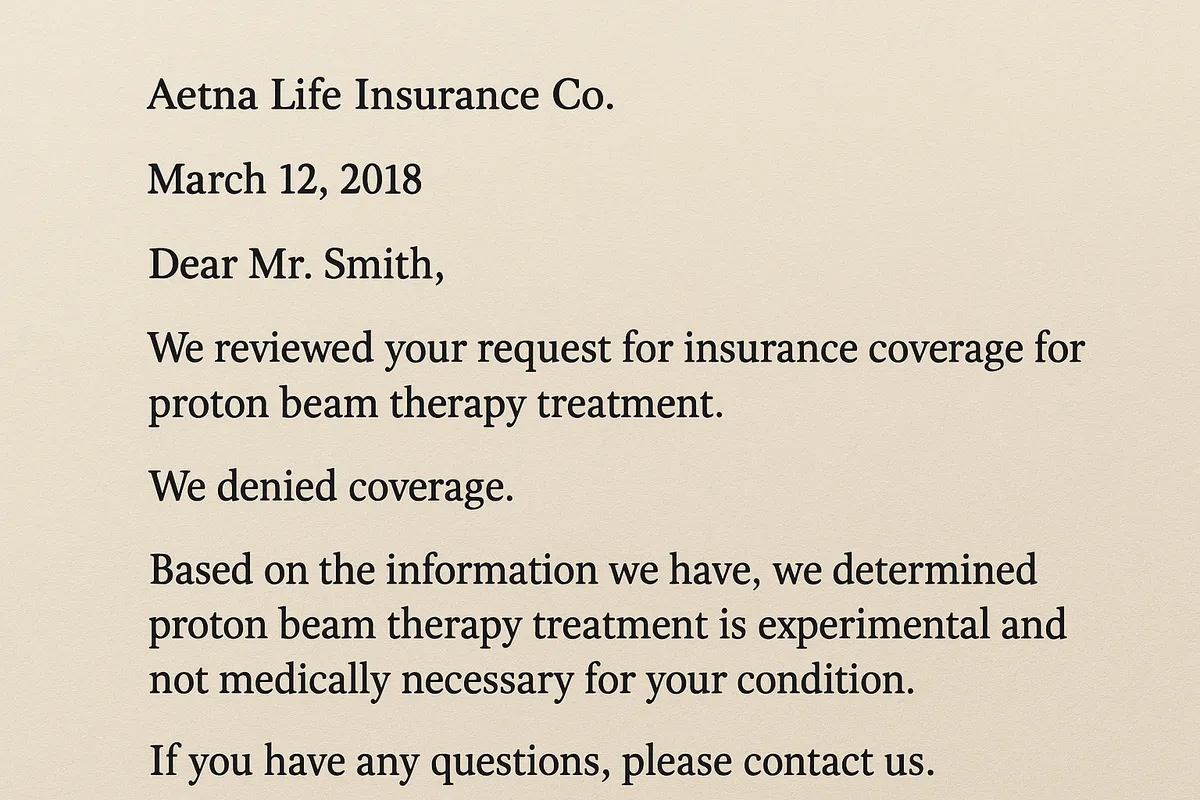
Aetna Life Insurance Company provides a broad spectrum of health, dental, and supplemental coverage options to residents of New Jersey. Its presence in the state is defined by a robust network of contracted healthcare providers, participation in the individual and small group insurance markets, and comprehensive administrative services for employer-sponsored benefit plans regulated by the New Jersey Department of Banking and Insurance.
Understanding Aetna’s Market Presence in New Jersey
Aetna, a CVS Health company, operates within the New Jersey insurance landscape as a major player in both the commercial and government-sponsored health sectors. When residents or employers discuss "Aetna Life Insurance Company," they are often referring to the suite of health benefit products offered under the Aetna brand. It is important to distinguish that while Aetna provides the plans, the actual medical services are delivered by a network of independent physicians, hospitals, and clinics.
In New Jersey, Aetna’s operations are governed by state-specific mandates. The New Jersey Department of Banking and Insurance (DOBI) oversees the solvency, product filings, and consumer protection standards for all carriers operating within the state. Aetna must comply with these state requirements, which include specific mandates regarding minimum coverage levels, provider network adequacy, and grievance processes for policyholders.
Product Offerings and Coverage Segments
Aetna’s portfolio in New Jersey is segmented into several key categories. Understanding which segment applies to your situation is essential for navigating coverage and provider networks.
1. Commercial Employer-Sponsored Plans
The majority of Aetna policyholders in New Jersey receive coverage through their employers. These plans are often "self-funded," meaning the employer pays the cost of claims while Aetna manages the network, processes claims, and provides clinical support. Alternatively, employers may purchase fully insured plans where Aetna assumes the financial risk.
2. Individual and Family Plans
Through the New Jersey health insurance exchange (Get Covered NJ), eligible residents can purchase individual coverage. These plans are categorized by "metal tiers"—Bronze, Silver, Gold, and Platinum—which dictate the ratio of premiums to out-of-pocket costs. Aetna’s participation in the individual market is subject to annual adjustments in the network of participating facilities and practitioners.
3. Medicare Advantage
Aetna offers Medicare Advantage (Part C) plans in New Jersey. These plans combine Part A (hospital) and Part B (medical) coverage into a single plan, often including prescription drug coverage (Part D) and additional benefits such as vision, hearing, or dental services that Original Medicare does not cover. These plans are highly localized; the availability of a specific Aetna Medicare Advantage plan depends on the applicant’s specific county of residence.
How to Verify Provider Networks in New Jersey
A common challenge for members is determining whether a specific New Jersey doctor or facility is "in-network." An in-network provider has a contract with Aetna to accept negotiated rates, which significantly lowers out-of-pocket costs for the member.
To verify a provider, follow these steps:
- Locate your Member ID card: The network name (e.g., Aetna Open Access, Aetna Choice POS II) is usually printed on the card.
- Access the Aetna Provider Directory: Use the official "Aetna DocFind" tool, ensuring you select the state of New Jersey.
- Verify via the provider’s office: Always call the physician’s office directly. State the specific name of the Aetna plan you have, as networks can change annually or even mid-year due to contract expirations.
Reliance on third-party provider search engines can be risky, as they may house outdated data. Always prioritize the internal Aetna portal or a direct phone call to the medical office.
Comparing Aetna Coverage Types
Choosing the right plan requires understanding the differences in administrative requirements and access to care. The following table summarizes the general structure of common Aetna plan types found in New Jersey.
| Plan Type | Primary Care Physician (PCP) | Referrals Required | Out-of-Network Coverage |
|---|---|---|---|
| HMO (Health Maintenance Org) | Required | Yes | Generally None |
| POS (Point of Service) | Optional/Recommended | Varies | Limited |
| PPO (Preferred Provider Org) | Not Required | No | Yes (at higher cost) |
| EPO (Exclusive Provider Org) | Not Required | No | None (except emergency) |
Note: Access levels are based on standard plan designs. Always refer to your specific Summary of Benefits and Coverage (SBC) for your plan's definitive rules.
Financial Considerations and Premiums
In 2026, the cost of Aetna insurance in New Jersey is influenced by several actuarial factors. Premiums for individual plans are determined by age, geographic rating area within New Jersey, and tobacco use status. For employer-sponsored plans, the cost-sharing arrangements are dictated by the contract negotiated between your employer and Aetna.
Policyholders should be aware of the "Maximum Out-of-Pocket" (MOOP) limit. This is the absolute most a member will pay for covered services in a plan year. Once this limit is reached, the plan pays 100% of covered services for the remainder of the year. Understanding your specific MOOP is critical for managing household medical expenses, especially in years where significant procedures or chronic condition management are anticipated.
Navigating Claims and Appeals
If Aetna denies a claim, it does not necessarily mean the end of the process. In New Jersey, consumers have specific rights to appeal. The process typically involves three tiers:
- Explanation of Benefits (EOB) Review: Check the EOB sent after a claim is processed. Often, an error in coding by the provider is the culprit. Call the provider’s billing department first to verify the code submitted.
- First-Level Internal Appeal: If the denial stands, file a formal appeal through Aetna. You must include medical records or a letter of medical necessity from your provider explaining why the service was essential.
- External Appeal: If the internal appeal is denied, New Jersey law allows for an independent utilization review. This is an unbiased third-party clinical assessment of whether the service met the "medically necessary" criteria.
Common Challenges and Troubleshooting
Network Disruption
If a physician leaves the Aetna network mid-year, members may be eligible for "continuity of care." This allows you to continue seeing the provider for a limited period—typically 30 to 90 days—if you are currently undergoing treatment for a serious condition or pregnancy. You must request this from Aetna’s member services department.
Prescription Formulary Changes
Aetna’s drug formulary (the list of covered medications) is subject to periodic updates. If a medication is moved to a higher tier or requires "Prior Authorization," it can cause unexpected costs. Always check the formulary on the Aetna website before your annual renewal, especially if you rely on high-cost maintenance medications.
Claims Processing Delays
Claims processing is often hindered by missing information from the medical provider, such as missing clinical notes or incorrect plan IDs. When troubleshooting a pending claim, reach out to the provider’s office to ensure they have your correct current Aetna insurance information on file.
Frequently Asked Questions
1. Is Aetna accepted by all hospitals in New Jersey? No. Aetna contracts with many, but not all, hospitals in the state. Always verify your specific hospital’s network status through the Aetna provider search tool before scheduling a non-emergency procedure.
2. How do I get an Aetna Member ID card? If you have lost your card, you can print a temporary copy or view a digital version by logging into the Aetna member portal. You can also request a physical replacement card to be mailed to your address on file.
3. Does Aetna cover mental health services in New Jersey? Yes. Under the Mental Health Parity and Addiction Equity Act, and specific New Jersey state mandates, Aetna plans must provide coverage for mental health and substance use disorder services that is comparable to the coverage provided for medical and surgical services.
4. Can I use my Aetna plan if I travel outside of New Jersey? Most PPO and POS plans offer "traveling" benefits or coverage for urgent care services nationwide. However, HMO plans usually restrict coverage to emergency services only when you are outside of the service area. Consult your plan documents before traveling.
5. What should I do if a provider asks for payment upfront? If the provider is in-network, they should only collect your copay or coinsurance at the time of service. If they demand full payment, contact Aetna Member Services immediately to verify the provider’s current status and avoid potential billing disputes.
Next Steps for Policyholders
To effectively manage your Aetna coverage, log in to your secure member portal today to review your current Summary of Benefits and Coverage (SBC). Check that your contact information is accurate, verify your primary care physician is still listed as in-network for the 2026 plan year, and familiarize yourself with your deductible and MOOP. If you anticipate needing specialized care, contact Aetna’s customer service line to ask about prior authorization requirements before your next appointment to prevent unnecessary administrative delays.