Aerospace engineer projects encompass complex, multidisciplinary initiatives focused on the design, development, testing, and operation of aircraft, spacecraft, satellites, and missile systems. These projects require rigorous adherence to safety standards, advanced computer-aided engineering, and collaborative validation across aerodynamics, propulsion, avionics, and structural mechanics.
Introduction to Aerospace Engineer Projects
Aerospace engineer projects represent the bleeding edge of human innovation, bridging atmospheric flight and deep-space exploration. Whether working on commercial transport category aircraft, uncrewed aerial systems (drones), or interplanetary probes, aerospace engineers apply principles of physics, mathematics, and materials science to solve high-stakes challenges.
Managing these projects requires navigating strict regulatory frameworks, massive capital budgets, and extreme operational environments. Because the failure of a single component can lead to catastrophic loss of life or mission failure, aerospace engineering projects place heavy emphasis on testing, verification, and risk mitigation. This guide explores the lifecycle of aerospace projects, key engineering domains, project management frameworks, and the practical realities of executing complex technological milestones.
The Lifecycle of an Aerospace Engineering Project
Every aerospace project, regardless of its ultimate application, follows a structured systems engineering lifecycle. This lifecycle ensures that safety, cost, and performance requirements are met from initial conception through retirement.
1. Conceptual Design and Requirements Definition
The genesis of any aerospace project lies in identifying a mission need. Systems engineers and project managers establish high-level requirements, such as payload capacity, range, operational ceiling, or delta-v budgets. During this phase, engineers perform trade studies to evaluate alternative configurations—such as comparing a blended wing-body aircraft design to a traditional tube-and-wing structure.
2. Preliminary Design and Analysis (PDR)
Once a baseline concept is selected, detailed subsystem design begins. Engineers utilize specialized computer-aided engineering (CAE) software to model aerodynamic performance, structural loads, thermal dynamics, and propulsion efficiency. Computational fluid dynamics (CFD) and finite element analysis (FEA) are standard tools used in this phase to simulate flight conditions long before any physical prototype is built.
3. Critical Design Review (CDR) and Prototyping
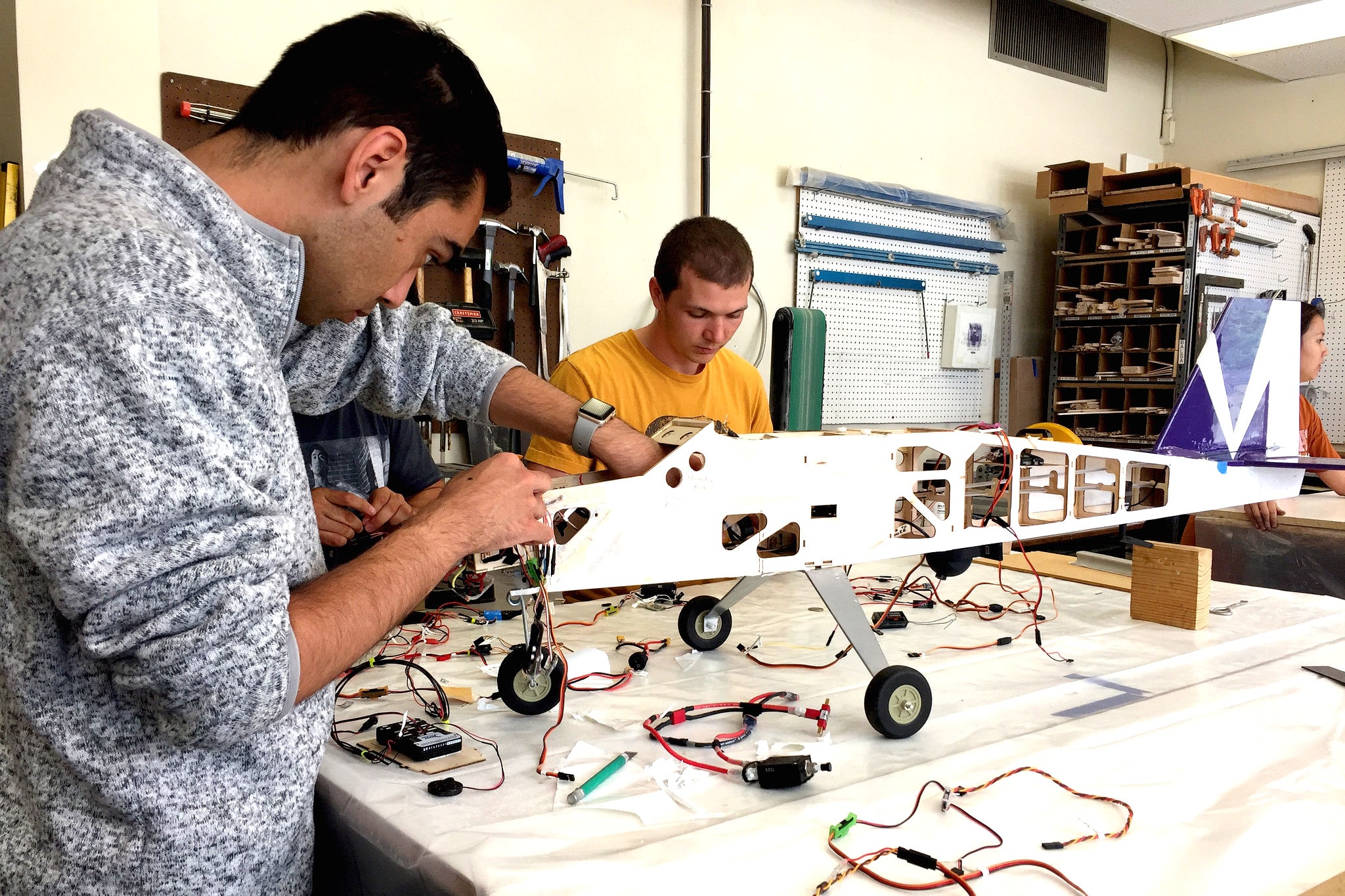
The Critical Design Review is a make-or-break milestone where the entire engineering team demonstrates that the maturity of the design is appropriate to justify proceeding with fabrication. Following a successful CDR, manufacturers build physical prototypes or pathfinder hardware for wind tunnel testing, stress testing, and avionics integration.
4. Integration, Verification, and Validation (IV&V)
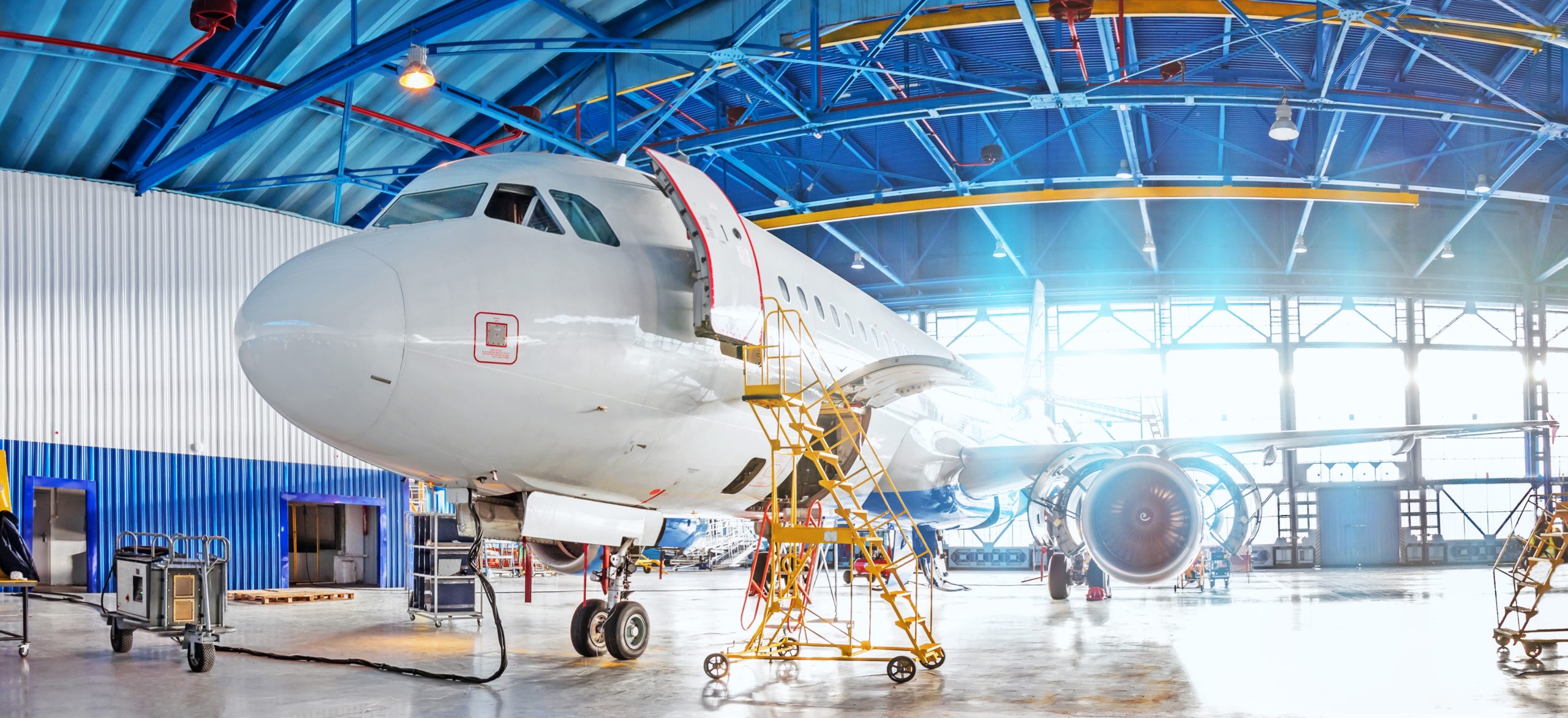
Assembling an aerospace vehicle is a meticulous process involving electrical harnesses, hydraulic lines, composite structures, and propulsion systems. Once assembled, the system undergoes rigorous environmental testing, including vibration tables (to simulate launch loads), thermal vacuum chambers (to simulate space environments), and iron-bird test rigs for flight control systems.
5. Flight Testing and Operational Deployment
The final validation step for atmospheric craft is flight testing, where envelope expansion is conducted incrementally. For space projects, this translates to hot-fire static tests followed by orbital launch. Upon successful certification by regulatory bodies such as the Federal Aviation Administration (FAA) or the European Union Aviation Safety Agency (EASA), the project transitions into mass production or operational service.
Core Disciplines and Specialized Projects
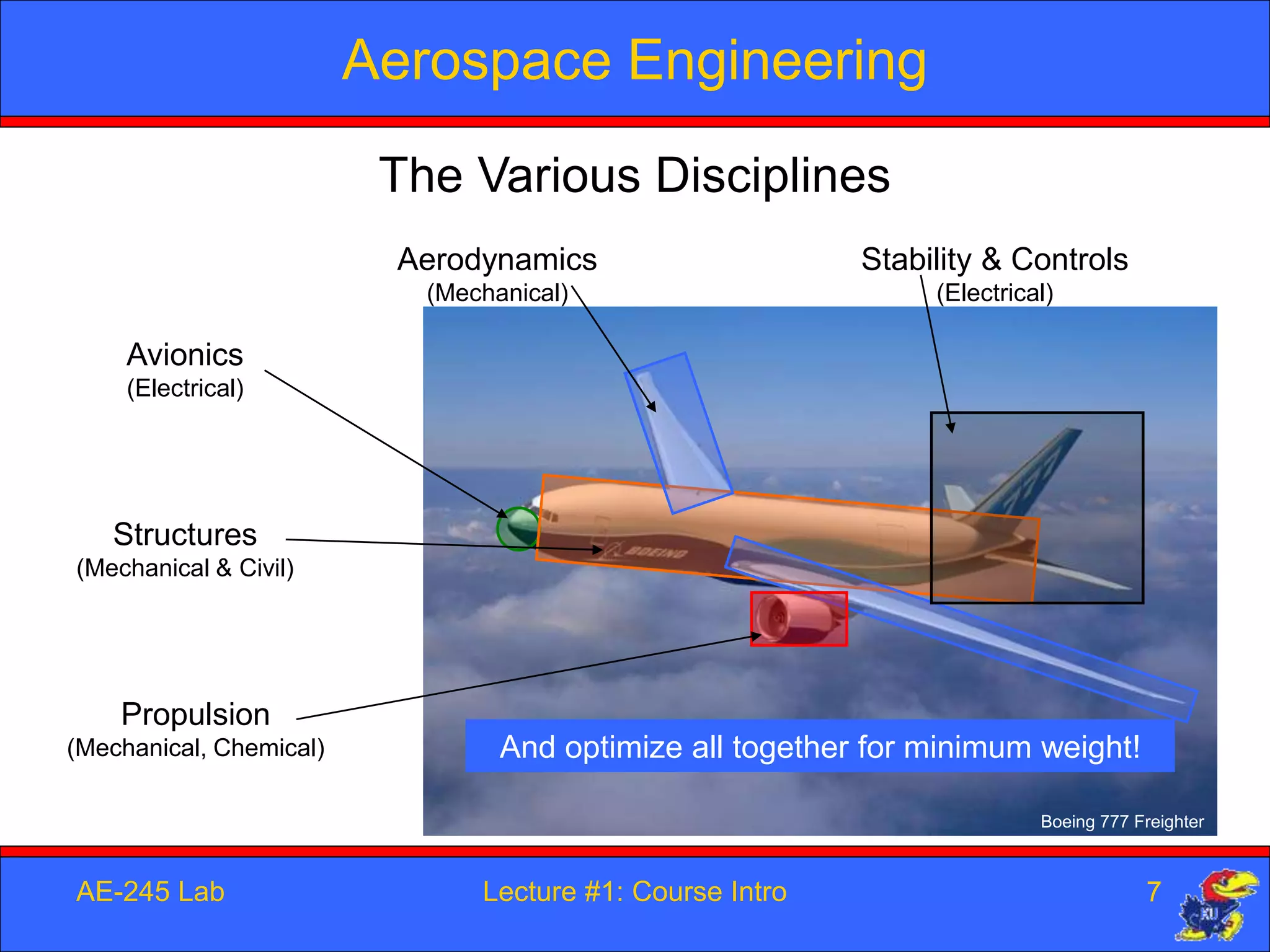
Aerospace engineering is broadly split into two primary branches: aeronautical engineering (focusing on atmospheric flight) and astronautical engineering (focusing on spaceflight). Projects within these domains require vastly different technical specializations.
- Aerospace Engineering
- Aeronautical
- Commercial Airliners
- Uncrewed Aerial Vehicles
- Supersonic/Hypersonic Jets
- Astronautical
- Launch Vehicles
- Earth Observation Satellites
- Deep Space Probes
- Aeronautical
Aeronautical Projects
- Commercial Transport Optimization: Projects focusing on reducing carbon emissions through laminar flow control, sustainable aviation fuels (SAF), and ultra-high-bypass turbofan integration.
- Urban Air Mobility (UAM): Development of electric vertical takeoff and landing (eVTOL) aircraft for intra-city passenger transport, requiring novel noise-reduction and battery-management solutions.
- Hypersonic Flight Systems: Research and development of scramjet-powered vehicles capable of maintaining speeds exceeding Mach 5, involving extreme thermal protection system (TPS) engineering.
Astronautical Projects
- Small Satellite Constellations: Designing CubeSats or SmallSats for global broadband internet, Earth observation, and scientific research, heavily emphasizing commercial-off-the-shelf (COTS) component integration.
- Planetary Rovers and Landers: Designing mobility systems and descent mechanisms capable of operating in non-terrestrial atmospheres and gravitational fields, such as Mars or the Moon.
- Heavy-Lift Launch Vehicles: Developing multi-stage rockets featuring reusable first-stage boosters, cryogenic propellant management, and advanced guidance, navigation, and control (GNC) algorithms.
Key Technologies Driving Modern Aerospace Projects
Modern aerospace engineer projects leverage advanced digital tools and manufacturing techniques that have revolutionized how hardware is conceived and validated.
Model-Based Systems Engineering (MBSE)
Traditional document-heavy engineering has largely been replaced by MBSE. By utilizing centralized digital models, multidisciplinary teams can track requirements, interface definitions, and system behaviors in real-time, drastically reducing integration errors during assembly.
Additive Manufacturing (3D Printing)
Additive manufacturing allows aerospace engineers to build complex geometries that were previously impossible to machine, such as regenerative cooling channels for rocket engines. This technology reduces part counts, minimizes material waste, and shortens lead times for custom or low-volume components.
Artificial Intelligence and Machine Learning
AI and ML are increasingly integrated into flight control software and satellite data processing pipelines. Autonomous collision-avoidance systems for drones and onboard data filtering for deep-space satellites rely on advanced neural networks to make split-second decisions without human intervention.
Comparison of Common Aerospace Project Categories
The following table outlines the structural, operational, and regulatory differences across various types of aerospace projects:
| Project Type | Primary Environment | Typical Development Timeline | Key Regulatory Bodies | Primary Engineering Focus |
|---|---|---|---|---|
| Commercial Aircraft | Troposphere / Stratosphere | 7 – 12 Years | FAA, EASA, ICAO | Aerodynamics, structural fatigue, passenger safety, fuel efficiency |
| Earth Observation Satellite | Low Earth Orbit (LEO) | 3 – 5 Years | ITU, National Space Agencies | Thermal management, radiation hardening, optics, power generation |
| eVTOL / UAM Vehicle | Urban Airspace | 4 – 7 Years | FAA, Local Aviation Authorities | Distributed electric propulsion, acoustics, autonomy, battery safety |
| Deep Space Probe | Interplanetary Space | 8 – 15 Years | NASA, ESA, National Agencies | Long-term reliability, autonomous navigation, deep-space communication |
Project Management and Regulatory Compliance
Executing an aerospace project requires strict adherence to industry standards and quality management systems. Unlike consumer electronics, where rapid prototyping and "moving fast and breaking things" is celebrated, aerospace engineering follows a zero-failure philosophy.
Quality Management Standards
Organizations must comply with strict quality frameworks such as AS9100, the quality management standard for the aviation, space, and defense industries. AS9100 builds upon ISO 9001 by adding rigorous requirements for risk management, configuration control, and product safety.
Configuration Management
Because aerospace designs evolve over years or decades, rigorous configuration management ensures that every drawing, software build, and physical part revision is fully traceable. Modifying a single fastener on an aircraft wing requires formal engineering change orders (ECOs) and stress re-analysis to prevent cascading structural failures.
Safety and Certification Audits
Projects destined for commercial service must pass exhaustive certification audits. Engineers must generate compliance documentation proving that the vehicle meets airworthiness standards under all conceivable operational conditions, including extreme weather, bird strikes, and engine-out scenarios.
Common Pitfalls and Troubleshooting in Aerospace Projects
Even with rigorous planning, aerospace projects frequently encounter complex technical and managerial roadblocks. Recognizing these issues early prevents costly delays.
- Mass Growth Creep: As projects progress through design phases, subsystems invariably gain weight due to added requirements or structural reinforcements. Unchecked mass growth degrades vehicle performance, payload capacity, and range. Mitigation requires strict mass-budget allocations and continuous tracking.
- Supply Chain Vulnerabilities: Aerospace manufacturing relies heavily on specialized materials, such as high-grade carbon fiber composites, titanium alloys, and radiation-resistant microchips. Single-source suppliers can cause multi-month project bottlenecks if production is disrupted.
- Software-Hardware Integration Delays: Complex avionics systems often suffer from integration delays when software development outpaces hardware availability, or vice versa. Utilizing hardware-in-the-loop (HIL) simulators helps mitigate this by testing flight software against simulated physical environments early in the cycle.
Frequently Asked Questions About Aerospace Engineer Projects
What software tools are essential for aerospace engineering projects?
Aerospace engineers rely on a suite of specialized software tools depending on their discipline. Computer-aided design (CAD) and analysis tools include CATIA, Siemens NX, ANSYS (for CFD and FEA), and NASTRAN. For orbital mechanics and trajectory planning, software like STK (Systems Tool Kit) is widely utilized, while MATLAB and Simulink dominate control systems design and data analysis.
How do aerospace engineers test projects before actual flight?
Before a vehicle ever leaves the ground, engineers employ wind tunnel testing for aerodynamic data, structural test rigs to apply mechanical loads via hydraulic actuators, and iron-bird test benches that integrate actual flight hardware and software in a simulated cockpit environment. Space hardware undergoes thermal vacuum (TVAC) testing and acoustic chamber testing to simulate launch vibrations.
What is the role of systems engineering in aerospace projects?
Systems engineering is the overarching discipline that ensures all disparate parts of an aerospace project—such as propulsion, avionics, thermal control, and structures—work together seamlessly. Systems engineers manage requirements, interface definitions, risk assessments, and verification processes throughout the entire project lifecycle.
How long does a typical aerospace engineering project take from start to finish?
Timelines vary wildly based on scope. A small CubeSat project can be conceptualized, built, and launched within 12 to 24 months. Conversely, a clean-sheet commercial airliner or a flagship planetary exploration mission typically requires 7 to 15 years from initial concept to operational deployment.
What are the biggest challenges in modern aerospace projects?
Current major challenges include reducing the aviation industry's carbon footprint through electrification and sustainable fuels, managing the increasing congestion and debris in Low Earth Orbit, and developing autonomous flight systems capable of safely navigating complex uncrewed traffic management (UTM) networks.
Conclusion and Next Actions
Aerospace engineer projects demand a unique blend of rigorous scientific principles, meticulous project management, and unwavering dedication to safety. Whether you are an aspiring engineer looking to contribute to cutting-edge research, a project manager navigating regulatory compliance, or an industry professional optimizing supply chains, understanding the structured lifecycle of these projects is vital. To take your involvement further, focus on mastering industry-standard CAD/CAE tools, familiarize yourself with AS9100 quality frameworks, and engage with professional societies such as the American Institute of Aeronautics and Astronautics (AIAA) or the Royal Aeronautical Society (RAeS) to stay abreast of technological advancements.