Navigating auto insurance options in McKeever requires a clear understanding of state-mandated liability minimums, optional protection plans, and local cost variables. Securing appropriate coverage involves evaluating risk factors like local road conditions, vehicle use patterns, and personal financial thresholds to balance adequate protection with sustainable monthly premiums.
Introduction to Auto Insurance in McKeever
Selecting the right auto insurance policy involves balancing mandatory legal requirements with personal financial protection. For residents and vehicle owners operating in McKeever, navigating the insurance market requires a firm grasp of how regional factors influence policy terms, risk evaluations, and premium calculations. Insurance policies are structured around transferring financial risk from the individual vehicle owner to an underwriting carrier in exchange for regular premium payments. However, the exact composition of this transfer depends heavily on statutory mandates, chosen coverage limits, deductibles, and individual driver profiles.
When evaluating coverage choices, policyholders must distinguish between baseline compliance and comprehensive financial safety. While purchasing the absolute minimum coverage required by law satisfies registration and legal operation prerequisites, it frequently leaves significant gaps in protection following a major collision, uninsured motorist incident, or severe weather event. Conversely, building an extensive policy with high limits and specialized endorsements increases monthly overhead but shields personal assets from catastrophic exposure. Understanding this balance is the first step toward making an informed decision regarding auto insurance in McKeever.
Regulatory Framework and Minimum Coverage Requirements
Every jurisdiction enforces specific legal parameters governing motor vehicle operation, and understanding these rules is essential for compliance. Insurance regulations establish the minimum financial responsibility an operator must maintain before registering a vehicle or driving on public roadways. These regulations protect third parties from losses caused by negligent drivers, ensuring that injured victims or property owners have access to a reliable pool of funds for recovery.
Statutory Liability Limits
Liability insurance is the foundation of any standard auto policy. It does not pay for damage to the policyholder's own vehicle; instead, it covers bodily injury and property damage inflicted on others when the policyholder is at fault. State frameworks typically express these requirements through a split-limit format, such as 25/50/20 or similar numerical configurations, representing:
- Maximum bodily injury coverage per individual injured in an accident.
- Total maximum bodily injury coverage for all individuals injured in a single accident.
- Maximum property damage coverage for a single accident.
Failing to maintain these baseline levels can result in severe legal penalties, including heavy fines, driver's license suspension, vehicle impoundment, and the mandatory filing of high-risk financial responsibility forms, such as an SR-22.
Optional vs. Mandatory Coverages
While liability coverage is universally mandatory for registered vehicles, several other coverage types are optional from a legal standpoint but often required by lienholders or recommended for holistic financial security:
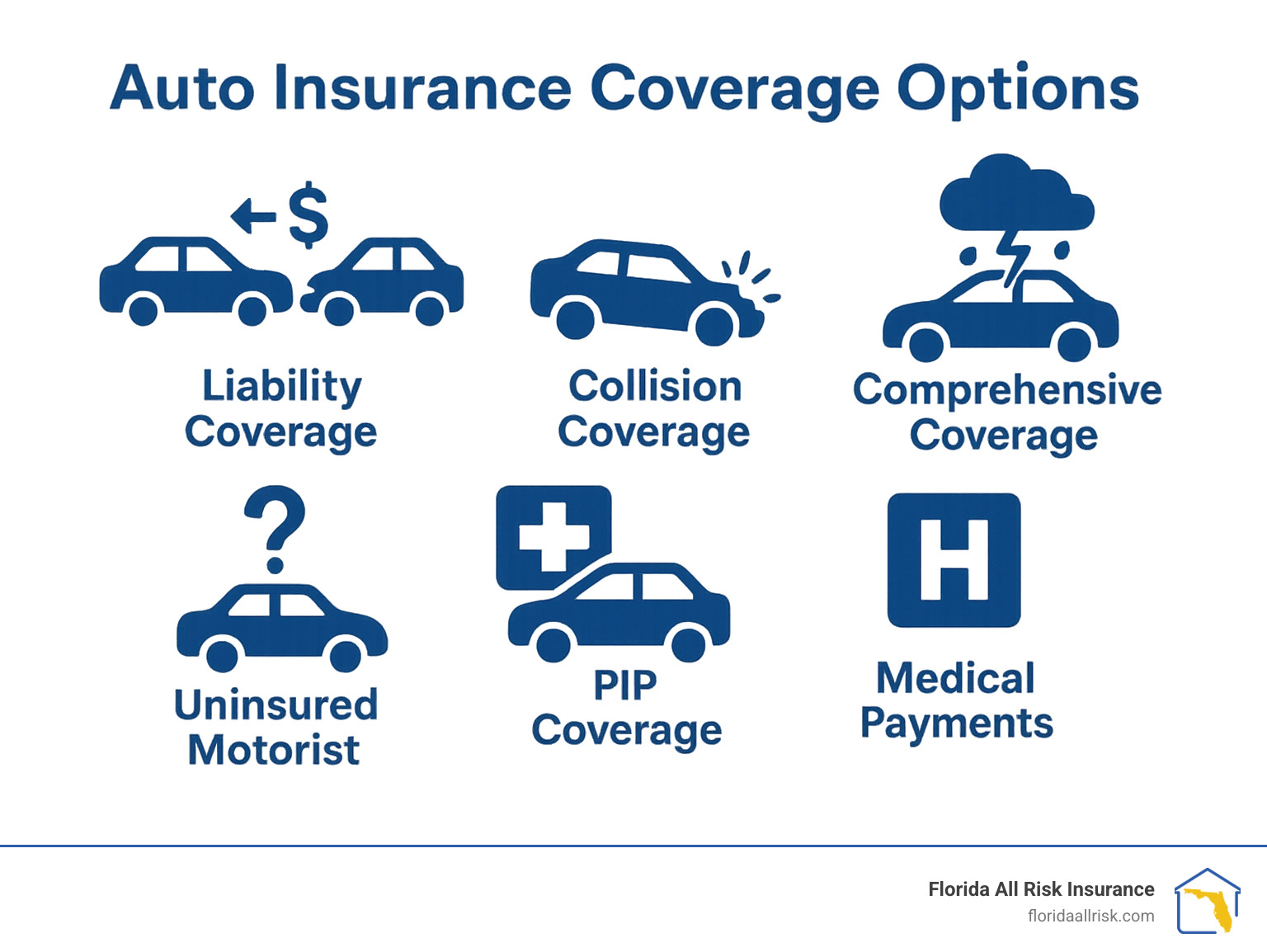
- Collision Coverage: Pays for repairs or replacement of the insured vehicle if it strikes another vehicle or object, regardless of fault.
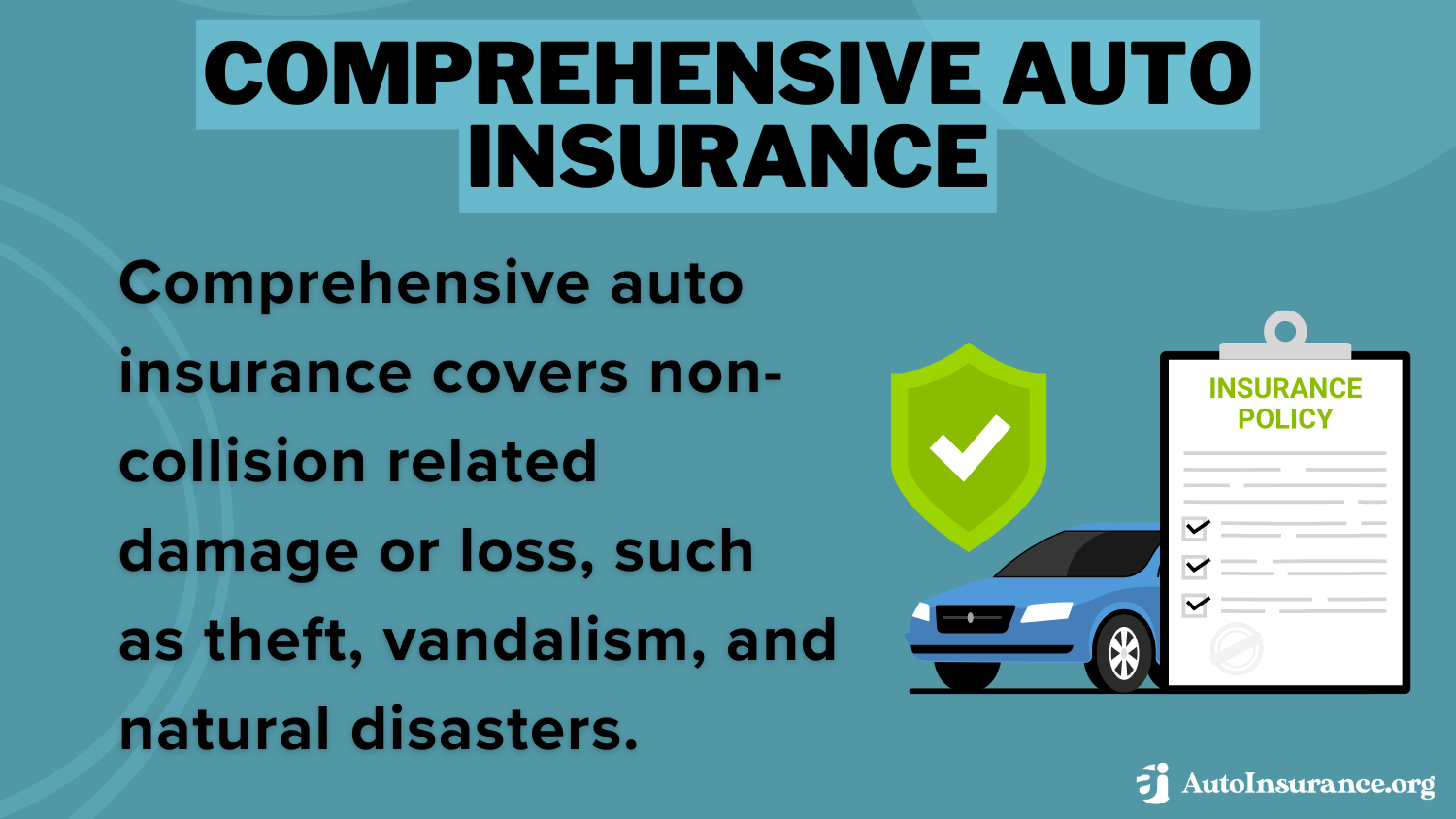
- Comprehensive Coverage: Protects against non-collision incidents, including theft, vandalism, fire, animal strikes, glass breakage, and weather-related damage such as hail or falling tree limbs.
- Personal Injury Protection (PIP) or Medical Payments: Covers medical expenses, lost wages, and related rehabilitation costs for the driver and passengers, regardless of fault.
- Uninsured/Underinsured Motorist (UM/UIM): Steps in when the policyholder is struck by a driver who carries no insurance or lacks adequate limits to cover the resulting damages and medical bills.
Cost Factors and Premium Calculation Mechanics
Auto insurance premiums are not arbitrary figures; they are derived from complex actuarial tables and statistical risk modeling. Insurers analyze thousands of data points to predict the statistical probability that a specific policyholder will file a claim. Understanding these variables allows consumers to manage their exposure and potentially lower their insurance expenditures through targeted behavioral changes.
Driver Profile and History
The individual behind the wheel remains one of the heaviest weighted factors in insurance pricing. Underwriters examine several personal metrics:
- Driving Record: Clean records featuring zero accidents or traffic infractions yield the lowest rates. Speeding tickets, reckless driving citations, and past at-fault collisions introduce surcharges that persist for several years.
- Experience Level: Younger, less experienced drivers—particularly teenagers—face substantially higher premiums due to statistical correlations between youth, inexperience, and elevated crash rates. Conversely, middle-aged drivers with mature habits often secure the most favorable rates.
- Credit History: In many jurisdictions, insurers utilize a credit-based insurance score to evaluate risk. Statistical studies frequently demonstrate a correlation between responsible financial management and a lower likelihood of filing claims.
Vehicle Characteristics and Usage
The physical asset being insured and how it is utilized directly impact underwriting risk:
- Make, Model, and Year: Vehicles equipped with advanced safety features, high crash-test ratings, and affordable replacement parts are generally cheaper to insure. High-performance sports cars, luxury imports, and vehicles with expensive structural technology carry higher comprehensive and collision premiums.
- Annual Mileage: Vehicles driven extensively for long daily commutes accumulate more exposure miles on the road, translating to higher risk than vehicles used primarily for occasional errands or kept in secure storage.
- Garaging Location: Where a vehicle is routinely parked overnight significantly influences rates. Areas with high rates of vehicle theft, severe weather vulnerability, or congested traffic patterns typically command higher premiums than quiet, rural districts.
Comparative Coverage Structure and Deductible Management
Choosing the right deductible and coverage limits requires balancing upfront savings against out-of-pocket exposure during an emergency. A deductible represents the specific dollar amount a policyholder must pay out of pocket before the insurance carrier begins covering the remaining repair costs.
| Coverage Type | Primary Purpose | Standard Deductible Range | Financial Impact of Adjustments |
|---|---|---|---|
| Liability | Covers third-party bodily injury and property damage. | None (No deductible applies) | Higher limits increase premium moderately but offer vital asset protection. |
| Collision | Repairs insured vehicle after a multi-car or single-car crash. | $250 – $1,000 | Raising deductible lowers monthly premium; increases out-of-pocket risk during a claim. |
| Comprehensive | Protects against theft, weather, fire, and animal strikes. | $250 – $1,000 | Lowering deductible increases monthly cost; reduces immediate financial burden after storms or theft. |
| Medical Payments | Covers immediate medical costs for vehicle occupants. | $0 – $500 | Minimal cost variance; provides immediate relief for minor medical bills without waiting for fault determinations. |
Managing deductibles effectively involves assessing personal liquidity. If a household maintains an emergency fund capable of absorbing a $1,000 unexpected expense, selecting a higher deductible is mathematically advantageous over time, as it consistently reduces monthly cash outflow. If an unexpected $1,000 expense would create a severe financial hardship, opting for a lower $250 or $500 deductible provides necessary stability, even though the ongoing premium will be slightly higher.
Evaluating Policy Exclusions and Endorsements
Standard auto insurance policies contain strict definitions and exclusions that policyholders must understand to avoid unexpected coverage denials. A thorough review of policy jacket language prevents costly misunderstandings regarding what is and is not protected.
Common Policy Exclusions
Most standard personal auto policies exclude specific scenarios unless modified by a specialized endorsement:
- Commercial Use: Operating a personal vehicle for business purposes—such as commercial delivery, courier services, or transporting paying clients—is typically excluded under standard personal policies. Drivers engaging in these activities require commercial auto insurance or rideshare endorsements.
- Intentional Acts: Damage or injury caused intentionally by the insured party is never covered.
- Wear and Tear: Mechanical breakdowns, tire wear, corrosion, and regular maintenance issues are excluded from comprehensive and collision protection.
- Racing or Track Use: Operating a motor vehicle in competitive racing events or timed track days voids coverage.
Valuable Endorsements for Enhanced Protection
To fill gaps left by standard policies, carriers offer optional endorsements that can be added for a nominal fee:
- Roadside Assistance: Covers towing, flat tire changes, battery jump-starts, and emergency fuel delivery.
- Rental Car Reimbursement: Pays for a rental vehicle while the primary insured vehicle is undergoing repairs following a covered insurance claim.
- Gap Insurance: Covers the difference between the actual cash value of a financed or leased vehicle and the remaining loan balance in the event of a total loss.
- New Car Replacement: Reimburses the policyholder for a brand-new vehicle of the same make and model if a brand-new car is totaled within its first model year or specified mileage threshold.
Practical Steps for Managing Auto Insurance Costs
Optimizing auto insurance coverage without sacrificing essential protection requires a systematic approach to policy management and shopping strategies. Drivers can utilize several proven methods to control expenses.
Bundling Policies
Many major insurance providers offer substantial multi-policy discounts to customers who consolidate their insurance needs. Combining auto insurance with homeowners, renters, umbrella, or life insurance policies frequently yields overall household savings ranging from 10% to 25% across the combined premiums.
Maintaining Discounts
Insurance carriers provide a wide array of specific discounts that policyholders can earn or maintain:
- Good Driver Discounts: Awarded to motorists who maintain a clean driving record free of moving violations or accidents for three to five consecutive years.
- Good Student Discounts: Offered to young drivers who maintain a specified grade point average (typically a B average or higher), reflecting disciplined habits.
- Safety Equipment Discounts: Applied when vehicles feature factory-installed anti-lock brakes, airbags, daytime running lights, and advanced anti-theft tracking systems.
- Paperless and Electronic Pay Discounts: Rewarding customers who enroll in automatic monthly electronic fund transfers (EFT) and paperless document delivery.
Regular Policy Reviews
Insurance markets fluctuate based on macroeconomic conditions, inflation in repair parts, and localized claims data. Conducting an annual or semi-annual review of coverage levels ensures that the policy still aligns with current life circumstances. For instance, if an older vehicle has depreciated to the point where its actual cash value is minimal, dropping collision and comprehensive coverage may save more money annually than the payout would ever yield in a total loss.
Frequently Asked Questions
What happens if I drive without auto insurance in McKeever?
Operating a motor vehicle without required auto insurance violates state law and exposes the driver to severe legal and financial consequences. Penalties typically include steep monetary fines, suspension of vehicle registration, revocation of driving privileges, and mandatory SR-22 insurance filings. Furthermore, uninsured drivers involved in accidents are personally liable for all resulting property damage and bodily injury expenses.
Does comprehensive insurance cover hitting an animal?
Yes. Striking an animal—such as a deer, bird, or domestic pet—is classified under comprehensive coverage rather than collision coverage. This type of incident is viewed as an unavoidable hazard beyond the driver's direct control, meaning filing a comprehensive claim generally does not impact future liability-related premium surcharges, subject to carrier underwriting rules.
How does credit score affect my car insurance premium?
In jurisdictions where permitted, insurers use credit-based insurance scores to help determine risk. Statistical analysis indicates a correlation between how individuals manage financial obligations and their likelihood of filing insurance claims. Policyholders with strong credit scores typically receive lower premium offers, while those with poor credit or thin credit histories may face higher rates.
What is the difference between actual cash value and replacement cost?
Actual cash value (ACV) calculates the market value of the vehicle at the exact time of the loss, factoring in depreciation, mileage, and wear and tear. Replacement cost policies, often available via special endorsements for newer vehicles, cover the cost of purchasing a brand-new vehicle of the same make and model without factoring in depreciation deductions.
Should I drop collision coverage on an older car?
Dropping collision and comprehensive coverage makes financial sense when the annual cost of those coverages, combined with your deductible, exceeds the actual market value of the vehicle. If a car is worth $2,500, paying $800 a year for comprehensive and collision with a $500 deductible provides diminishing returns, as the maximum payout in a total loss is capped at the car's low market value.
Conclusion and Next Actions
Securing appropriate auto insurance requires balancing statutory requirements, risk tolerance, and household budgeting. Reviewing current policy declarations, assessing vehicle values, and exploring available bundling discounts ensure comprehensive protection without overspending. To take the next step, gather your current policy documents, evaluate your existing deductible levels and liability limits, and contact licensed insurance professionals or carriers to compare quotes tailored to your exact profile.