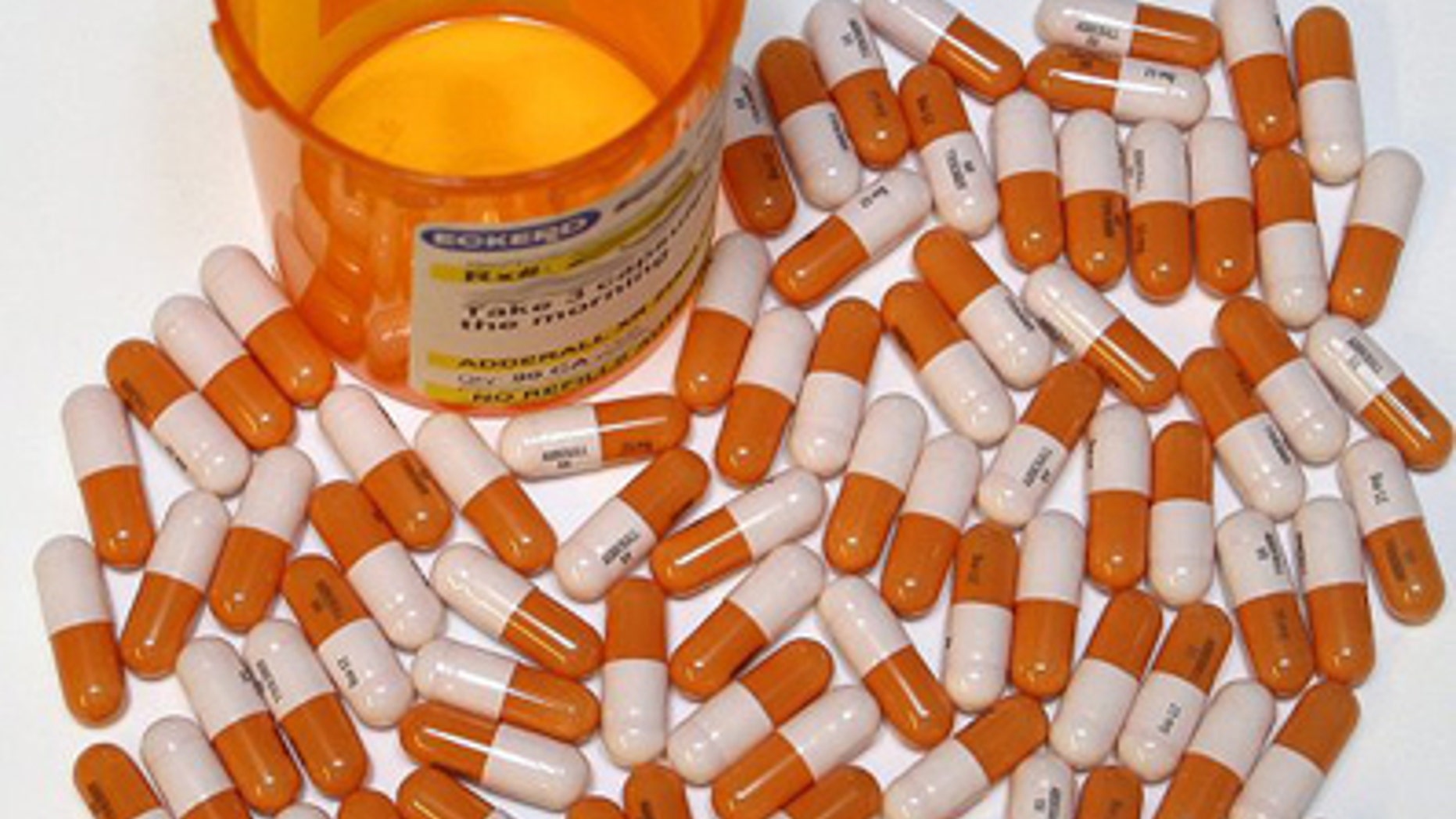
Navigating Adderall replacement options for ADHD treatment involves shifting from a primary stimulant-based approach to a spectrum of alternative medications, behavioral interventions, or lifestyle modifications. Patients often seek these alternatives due to persistent national drug shortages, adverse side effects such as insomnia or cardiovascular strain, or a clinical determination that non-stimulant therapy may provide a more stable, round-the-clock symptom management profile.
The Landscape of ADHD Medication Management in 2026
The treatment of Attention-Deficit/Hyperactivity Disorder (ADHD) has evolved significantly beyond the traditional reliance on immediate-release and extended-release amphetamine salts. As of 2026, healthcare providers evaluate ADHD management through a multimodal lens, balancing pharmaceutical intervention with executive function coaching and metabolic support.
When an individual considers an Adderall replacement, the process begins with a formal clinical assessment. Because Adderall is a Schedule II controlled substance, its replacements fall into distinct regulatory categories: non-stimulant medications, alternative stimulants with different release profiles, and off-label therapeutic agents. The primary challenge for patients is the titration period, as these alternatives often function through different neurotransmitter pathways—primarily norepinephrine and alpha-2 adrenergic receptors—rather than the direct dopamine-reuptake inhibition characteristic of amphetamines.
Non-Stimulant Medication Alternatives
Non-stimulants are frequently the first-line choice when transitioning away from amphetamines, particularly for patients concerned about the potential for abuse or those who experience significant "crash" periods in the evening.
- Atomoxetine (Strattera): As a selective norepinephrine reuptake inhibitor (SNRI), atomoxetine does not possess the same addiction potential as stimulants. It requires consistent daily dosing and may take several weeks to reach therapeutic efficacy. Unlike stimulants that provide near-immediate executive function support, atomoxetine works by gradually increasing the availability of norepinephrine in the prefrontal cortex.
- Alpha-2 Adrenergic Agonists (Guanfacine and Clonidine): These medications, originally designed for hypertension, are now FDA-approved for ADHD. They are particularly effective for individuals who struggle with emotional dysregulation or hyperactivity. By modulating the alpha-2A adrenergic receptors, these drugs help "quiet" the brain’s noise, often serving as an excellent adjunct to or replacement for stimulants.
- Viloxazine (Qelbree): Introduced to the market as a non-stimulant specifically for ADHD, Viloxazine acts on norepinephrine and serotonin pathways. It is widely used in pediatric populations but has seen increased adoption among adults who require a medication that avoids the cardiovascular intensity of traditional stimulants.
Categorizing ADHD Treatment Approaches
The following table outlines the primary pharmaceutical categories often utilized when exploring alternatives to amphetamine-based stimulants.
| Medication Type | Common Examples | Mechanism of Action | Primary Clinical Goal |
|---|---|---|---|
| SNRI | Atomoxetine | Norepinephrine Reuptake Inhibition | Sustained, non-fluctuating focus |
| Alpha-2 Agonist | Guanfacine ER | Alpha-2 Adrenergic Receptor Modulation | Reducing impulsivity & emotional volatility |
| Alternative Stimulant | Methylphenidate | Dopamine/Norepinephrine Reuptake Inhibition | Faster onset for executive function |
| Off-Label Agents | Bupropion | Dopamine/Norepinephrine Reuptake Inhibition | Addressing comorbid depressive symptoms |
The Role of Methylphenidate-Based Stimulants
For many patients, "replacing" Adderall does not necessarily mean moving to a non-stimulant. It may involve a switch to a different class of stimulant, such as methylphenidate (e.g., Concerta, Ritalin). While both Adderall (an amphetamine) and methylphenidate are stimulants, they affect the brain in slightly different ways. Amphetamines actively release dopamine from presynaptic vesicles, whereas methylphenidate primarily blocks the reuptake of dopamine and norepinephrine, preventing their clearance from the synapse.
Switching to a methylphenidate-based product is often a practical solution during supply-chain disruptions. However, physicians emphasize that individual biological responses vary significantly; a patient who responds well to amphetamines may experience different side effects or reduced efficacy when switching to methylphenidate.
Integrating Behavioral and Lifestyle Support
Medication is rarely the sole solution for ADHD. In 2026, the clinical standard of care emphasizes that pharmaceutical interventions are most effective when paired with structured behavioral support.
- Cognitive Behavioral Therapy (CBT): CBT for ADHD is specifically designed to target executive dysfunction, such as time blindness, task paralysis, and emotional regulation. Unlike traditional therapy, CBT for ADHD is skills-based, providing the patient with concrete tools to manage daily environments.
- Executive Function Coaching: Where therapy addresses the underlying thought patterns, coaching focuses on the "how" of daily operations—managing digital workflows, organizing physical spaces, and creating external accountability systems.
- Metabolic and Nutritional Considerations: While diet cannot "cure" ADHD, the management of blood glucose levels and proper sleep hygiene are essential. High-protein breakfasts and consistent hydration are frequently recommended to stabilize neurotransmitter production, particularly when transitioning between medication types.
Prerequisites for Switching Medications
Before changing your treatment plan, you must coordinate closely with a licensed prescriber. Abruptly stopping Adderall can lead to physical and psychological withdrawal, characterized by fatigue, irritability, and a temporary surge in ADHD symptoms.
- Clinical Consultation: Schedule an appointment to discuss the limitations of your current medication and define clear, measurable goals for a replacement (e.g., reducing physical jitters, improving evening stability).
- Insurance Verification: In 2026, insurance coverage for non-stimulant medications can differ significantly from stimulant coverage. Ensure your pharmacy benefits cover the intended switch to avoid unexpected out-of-pocket costs.
- Baseline Monitoring: Document your current symptoms, sleep quality, and heart rate for at least two weeks before the switch. This provides a baseline against which you and your physician can measure the efficacy of the new treatment.
Frequently Asked Questions
Are non-stimulant ADHD medications effective immediately? No. Unlike Adderall, which typically has an effect within 30 to 60 minutes, non-stimulants like atomoxetine or Viloxazine often require four to six weeks of consistent daily use to reach full efficacy. Patience during this titration period is critical.
Can I switch from Adderall to a supplement? While many over-the-counter supplements are marketed for focus, none are FDA-approved as treatments for ADHD. Supplements should never replace a prescribed medication without explicit guidance from your psychiatrist or primary care provider, as they may interact with other medications or lack standardized potency.
Does insurance cover these alternatives? Coverage varies by plan. Many insurance providers prioritize non-stimulant alternatives during stimulant shortages, but you may need a "prior authorization" from your doctor to prove medical necessity. Always verify coverage with your specific insurance carrier before finalizing a prescription switch.
What should I do if a non-stimulant doesn't work for me? Not every medication works for every brain. If a non-stimulant does not provide the desired results after the recommended titration period, your doctor may explore different stimulant classes, combination therapies, or refer you to an ADHD specialist to rule out comorbid conditions like sleep apnea or anxiety, which often mimic ADHD symptoms.
Is it safe to stop Adderall cold turkey? Stopping high doses of stimulants suddenly can be uncomfortable and potentially dangerous. Always taper your dosage under the direct supervision of your prescribing physician to minimize withdrawal symptoms and rebound effects.
Recommendation for Next Steps
If you are currently struggling with your Adderall prescription, your next action should be to request a "medication optimization" consultation with your prescribing physician. Prepare a log detailing the specific problems you are experiencing with your current regimen, such as afternoon crashes, inconsistent efficacy, or difficulty sleeping. By presenting concrete data, you enable your doctor to make an evidence-based decision about whether a switch to a different class of medication or an adjunct behavioral approach is the most effective path forward for your specific neurobiology.