Modern vehicles rely on Advanced Driver Assistance Systems (ADAS) to enhance vehicle safety, prevent collisions, and automate routine driving tasks through a combination of cameras, radar, lidar, and ultrasonic sensors.
The modern automotive landscape has undergone a profound transformation, moving away from purely mechanical engineering toward software-defined mobility. At the center of this evolution are Advanced Driver Assistance Systems (ADAS). These electronic safety and convenience networks are designed to assist human drivers, mitigate human error, and fundamentally reshape how vehicles interact with their surrounding environment. Understanding how ADAS functions, the technology behind it, and its impact on modern vehicle ownership is essential for drivers, technicians, and automotive enthusiasts alike.
The Evolution and Foundation of Automotive Safety Systems
To appreciate modern ADAS, it is necessary to look at the progression of automotive safety. Early automotive safety focused primarily on passive measures—features designed to minimize injury after a collision has already occurred. Innovations like seat belts, collapsible steering columns, crumple zones, and airbags saved countless lives throughout the latter half of the twentieth century.
However, the paradigm shifted toward active safety systems—technologies designed to prevent crashes before they happen. Early active safety milestones included the Anti-lock Braking System (ABS) introduced widely in the late 20th century, followed closely by Electronic Stability Control (ESC). These systems laid the groundwork for complex computing in vehicles.
As microprocessors became more powerful, affordable, and durable enough to withstand harsh automotive environments, engineers began integrating environmental perception sensors. Ultrasonic sensors for parking, radar units for cruise control, and optical cameras for lane monitoring evolved from luxury novelties into standard equipment. Today, ADAS sits at the intersection of mechanical engineering, computer vision, artificial intelligence, and network architecture.
Core Sensor Technologies Powering ADAS
Advanced Driver Assistance Systems cannot function without a comprehensive suite of sensors. Each sensor type offers unique strengths and suffers from specific limitations, which is why modern vehicles utilize a sensor-fusion approach—combining data from multiple sources to create a unified, highly accurate perception of the world.
Optical Cameras
Cameras are the eyes of the ADAS ecosystem. Typically mounted behind the windshield near the rearview mirror, forward-facing cameras capture high-definition visual data. They are exceptional at reading traffic signs, detecting lane markings, identifying pedestrians, and distinguishing between different types of vehicles. However, cameras are vulnerable to environmental conditions. Heavy rain, snow, direct blinding sunlight, and fog can degrade camera performance.
Automotive Radar
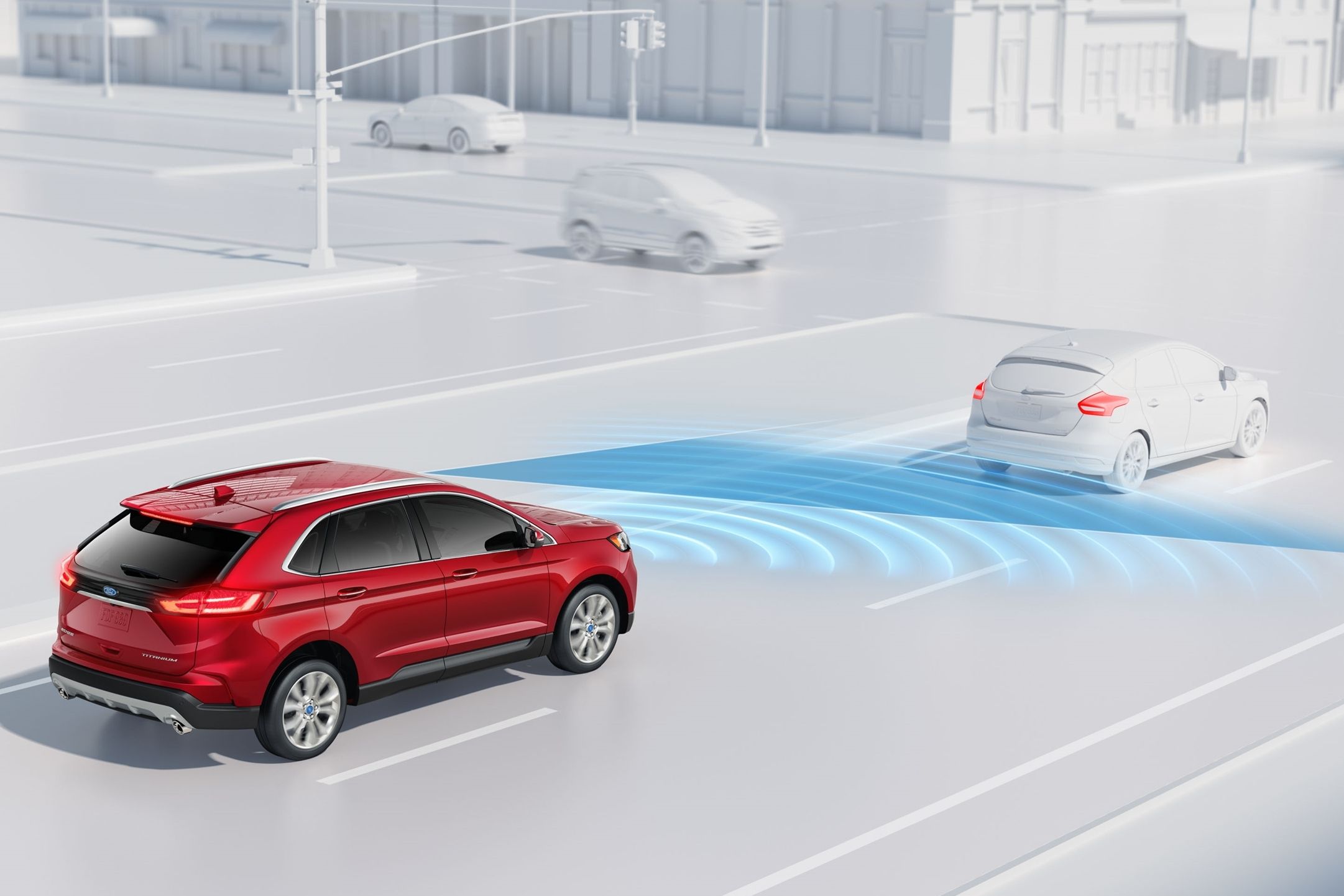
Radar (Radio Detection and Ranging) systems operate by transmitting radio waves and measuring the time it takes for them to bounce off objects and return. Radar excels at calculating the exact distance, relative velocity, and direction of moving or stationary objects. Unlike cameras, radar performs exceptionally well in adverse weather conditions like heavy downpours, snowstorms, or thick fog. However, traditional radar struggles with high-resolution imaging and fine shape classification.
Lidar (Light Detection and Ranging)
Lidar uses pulsed laser light to measure distances and generate precise, three-dimensional maps of the vehicle's surroundings. While lidar provides unmatched spatial resolution and depth perception, its high manufacturing and integration costs have historically limited its widespread deployment, though it is increasingly found in higher-tier autonomous driving packages.
Ultrasonic Sensors
Predominantly integrated into front and rear bumpers, ultrasonic sensors use high-frequency sound waves to detect objects in close proximity. They are the backbone of low-speed maneuvering aids, such as parking assistance systems, alerting drivers to curbs, walls, and other vehicles during parallel parking or reversing maneuvers.
| Sensor Type | Primary Function | Strengths | Limitations |
|---|---|---|---|
| Cameras | Lane tracking, sign recognition, object classification | High visual detail, color recognition | Impaired by weather, glare, and darkness |
| Radar | Distance tracking, collision warning, adaptive cruise | Reliable in all weather, precise velocity data | Lower resolution, struggles with fine shapes |
| Lidar | 3D environmental mapping, spatial depth perception | Extremely high precision and range finding | High cost, complex hardware integration |
| Ultrasonic | Close-range parking and low-speed obstacle detection | Highly accurate at short distances | Limited effective range, slow update rate |
Key ADAS Features Found in Modern Vehicles
ADAS is not a single technology, but rather an umbrella term encompassing a wide variety of subsystems. These features are generally categorized by their level of intervention, ranging from simple warnings to active steering and braking control.
Adaptive Cruise Control (ACC)
Traditional cruise control maintains a constant set speed. Adaptive Cruise Control takes this a step further by using radar or cameras to monitor the vehicle ahead. If the preceding vehicle slows down, ACC automatically reduces speed—even bringing the car to a complete stop in heavy traffic—and accelerates back to the preset speed when the path clears.
Lane Keeping Assist (LKA) and Lane Departure Warning (LDW)
Lane Departure Warning systems monitor lane markings using forward-facing cameras and alert the driver via visual, audible, or haptic cues (such as steering wheel vibrations) if the vehicle begins to drift out of its lane without an activated turn signal. Lane Keeping Assist goes a step further by actively applying gentle steering torque to guide the vehicle back to the center of the lane.
Automatic Emergency Braking (AEB)
Automatic Emergency Braking is one of the most critical safety interventions in modern vehicles. It continuously scans the road for potential front-end collisions with vehicles or pedestrians. If an imminent crash is detected and the driver fails to react, the system issues a warning and can autonomously apply maximum braking force to either avoid the collision or significantly mitigate its severity.
Blind Spot Monitoring (BSM) and Rear Cross-Traffic Alert
Blind spot sensors—usually radar units housed behind the rear bumper corners—monitor areas outside the driver's direct field of view. If a vehicle enters the blind spot, an indicator illuminates in the side mirror. When the driver engages the turn signal toward that side while an obstacle is present, the system issues an urgent warning. Rear Cross-Traffic Alert utilizes the same sensors when reversing out of parking spaces to warn of oncoming cross-traffic.
The Impact of ADAS on Vehicle Design, Repair, and Maintenance
The integration of advanced driver assistance systems has radically changed how cars are manufactured, maintained, and repaired. These shifts have profound implications for vehicle owners and the automotive service industry.
The Complexity of Collision Repair and Calibration
In the past, replacing a damaged windshield or repairing a crumpled bumper was a straightforward mechanical task. Today, these components house vital ADAS sensors and cameras. A simple windshield replacement on an ADAS-equipped vehicle requires precise sensor calibration. If a camera is misaligned by even a fraction of a degree, the vehicle's perception software may miscalculate distances, leading to system errors or dangerous misfires. Calibration requires specialized diagnostic hardware, software, level flooring, and controlled target boards, significantly increasing the cost and duration of collision repairs.
Electrical Architecture and Power Demands
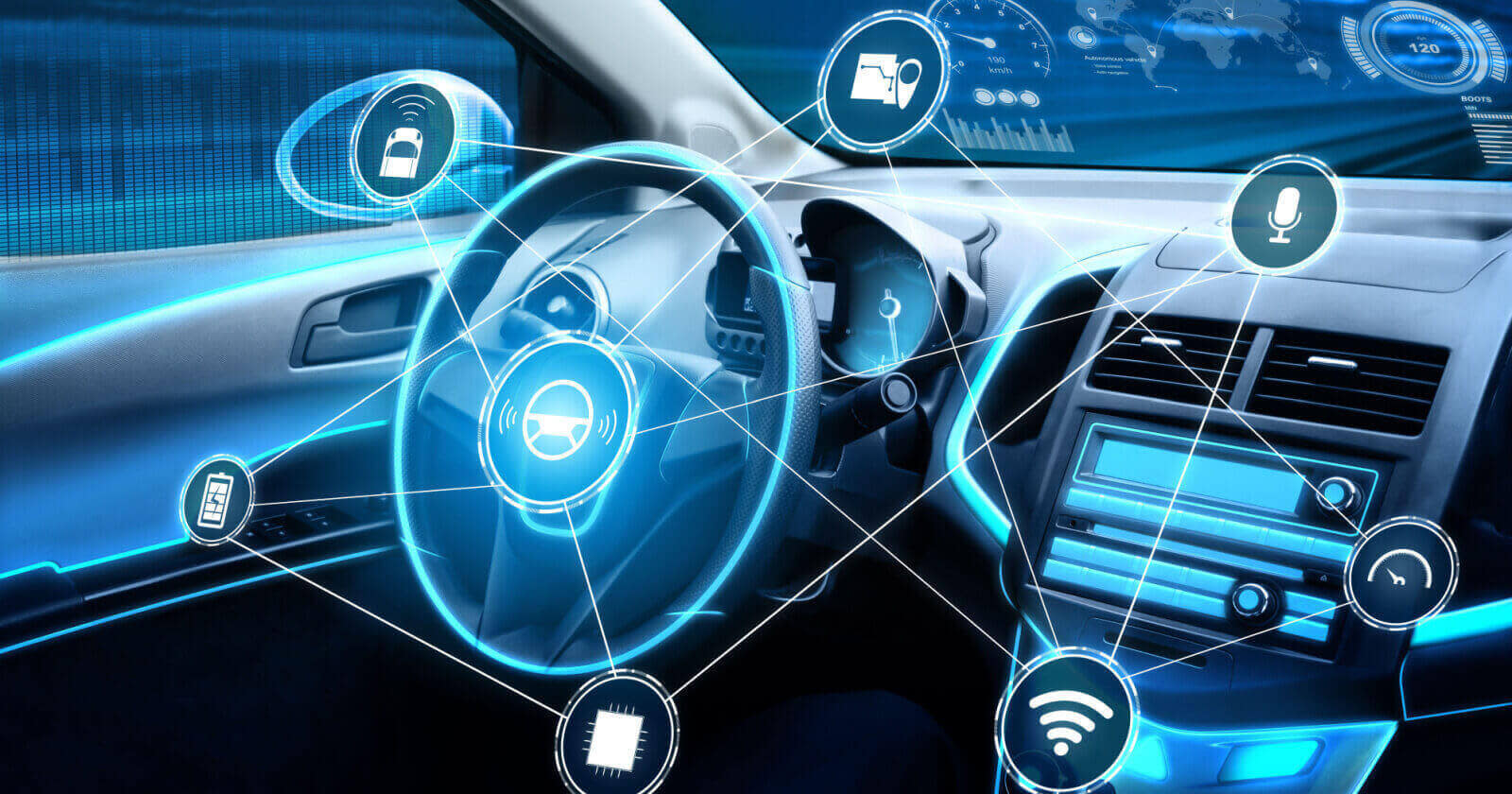
Running multiple high-definition cameras, high-frequency radar modules, and onboard computers requires robust electrical architecture. Modern vehicles are transitioning to higher-voltage electrical systems (such as 48-volt architectures alongside traditional 12-volt systems) to handle the immense data throughput and power consumption demanded by modern safety suites.
Driver Reliance and the Automation Paradox
While ADAS drastically reduces accident rates when functioning properly, it introduces new behavioral challenges. The "automation paradox" suggests that as automation increases, human operators become less attentive, leading to slower reaction times when the system reaches its operational limits and abruptly hands control back to the driver. Understanding that ADAS features are assistance systems rather than fully autonomous self-driving capabilities is critical for safe operation.
Frequently Asked Questions
Are ADAS features standard equipment on all new cars?
Many safety features, such as Automatic Emergency Braking and Lane Departure Warning, have become standard equipment on most new vehicles due to regulatory pressures and consumer demand. However, advanced packages like full Adaptive Cruise Control or automated lane-changing capabilities often remain optional upgrades or exclusive to higher trim levels.
Can aftermarket ADAS components be installed on older vehicles?
Yes, various aftermarket manufacturers offer universal or semi-custom ADAS solutions, such as dash cams with lane departure warnings, standalone blind-spot radar kits, and rear-parking sensor arrays. However, these aftermarket systems rarely integrate with the vehicle's core steering and braking systems in the way factory-installed OEM (Original Equipment Manufacturer) systems do.
How do weather conditions affect ADAS performance?
Severe weather can severely impact ADAS sensors. Heavy snow, ice, or thick mud caked over bumper-mounted radar units or grille sensors will temporarily disable those systems. Similarly, torrential downpours or heavy fog can obscure optical cameras. Modern vehicles are programmed to deactivate impaired features and display warning messages on the instrument cluster when sensors are blocked.
Do ADAS sensors require regular maintenance or calibration?
Under normal driving conditions, sensors do not require routine maintenance other than keeping them clean from dirt, snow, and road grime. However, calibration is strictly required after mechanical repairs involving the suspension, steering geometry, body panels housing sensors, or windshield replacements.
Is driving with ADAS the same as autonomous driving?
No. Standard ADAS features fall under Levels 1 and 2 of vehicle automation defined by the Society of Automotive Engineers (SAE). These levels require the human driver to remain continuously engaged, keep their hands on the wheel, and supervise the driving environment at all times. They do not constitute self-driving capability.
Practical Next Steps for Vehicle Owners
For those purchasing or maintaining an ADAS-equipped vehicle, safety and awareness begin with understanding the specific capabilities of your car. Review your owner's manual to identify which ADAS packages are installed and familiarize yourself with their operational limits. When scheduling service, ensure that any glass repair shop or collision center possesses the proper diagnostic equipment and certification to perform accurate ADAS calibrations. Maintaining clear sensor areas during winter months and adverse weather ensures these systems remain operational when you need them most.