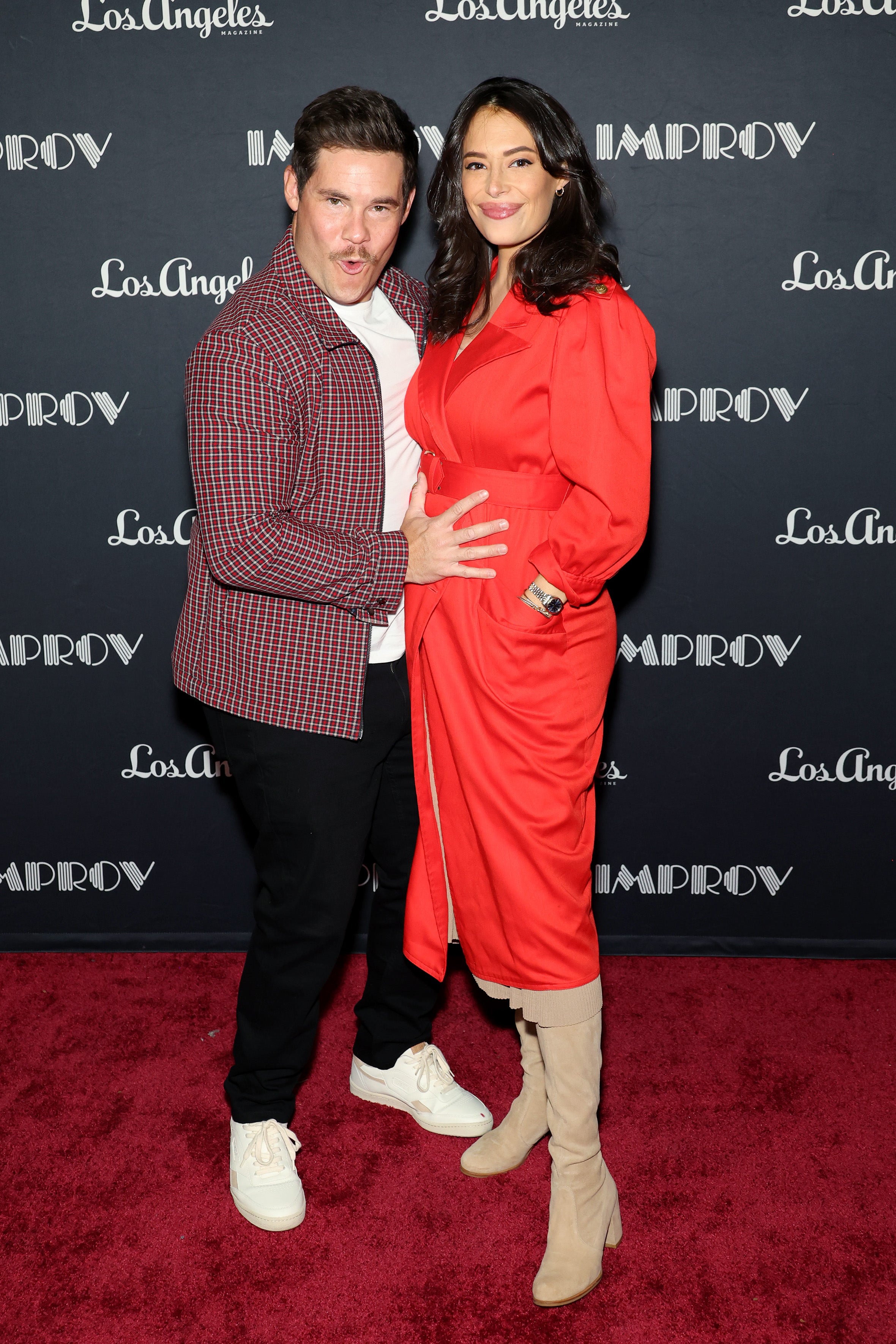
Adam DeVine’s weight loss and fitness transformation stems from a combination of targeted workout regimens, structured nutrition, and remarkable physical resilience. After surviving a life-threatening childhood accident that left him with severe leg trauma, DeVine reshaped his body through low-impact conditioning, strength training, and practical dietary moderation tailored for demanding film roles and long-term health.
The Backstory: How a Childhood Accident Shaped Adam DeVine's Health and Body
To understand Adam DeVine’s approach to body composition, exercise, and weight management, one must look at the foundational trauma that defined his youth. In June 1995, at eleven years old, DeVine was struck by a 42-ton cement truck while walking his bicycle across a street in Omaha, Nebraska. The impact pinned him beneath the vehicle, breaking nearly every bone in both of his legs, puncturing a lung, causing internal bleeding, and plunging him into a medically induced coma.
Over the following several years, DeVine underwent more than 25 surgeries to reconstruct his lower extremities. Doctors initially feared he might never walk again. The extensive physical trauma required years of intensive physical therapy, wheelchair confinement, and painful mobility exercises.
This extended period of immobility and heavy medication altered his childhood physique. During his recovery, physical inactivity naturally contributed to weight gain, while the physical scarring and structural damage to his legs limited his ability to participate in high-impact youth sports.
- Childhood Trauma (1995)
- 25+ Surgeries & Immobility
- Weight Gain & Physical Limitations
- Humorous Coping & Adaptation
- Functional Fitness Approach
Rather than letting these limitations define him permanently, DeVine turned to comedy as a psychological coping mechanism while gradually rebuilding his physical capacity. The lingering structural damage—including scar tissue, reduced joint flexibility, and metal hardware in his legs—meant that any future fitness or weight loss endeavor had to account for unique mechanical limitations. Unlike standard celebrity transformations that rely on heavy plyometrics or intense running, DeVine's journey required a carefully calculated approach to physical conditioning.
Key Drivers Behind Adam DeVine’s Physical Transformation
Adam DeVine’s physical changes throughout his adult career have been motivated by a mix of professional demands and long-term wellness goals. As a performer who transitioned from improvisational comedy to high-profile Hollywood action-comedies, his body image and physical capabilities have evolved across several key stages.
1. On-Screen Role Requirements
Hollywood casting demands often mandate sudden body composition changes. When DeVine transitioned from playing the lovable, slightly unpolished characters on Comedy Central’s Workaholics to leading roles in feature films such as Pitch Perfect, Mike and Dave Need Wedding Dates, and Netflix's The Out-Laws, his physical preparation underwent a dramatic shift.
To look believable alongside co-stars like Zac Efron or to perform strenuous stunts in action-comedies, DeVine engaged in structured "bulking and cutting" phases. These phases required shed excess body fat while building visible muscular hypertrophy in his upper body.
2. Moving Away from the "Dad Bod" Image
For many years, DeVine leaned into his self-described "dad bod" for comedic effect. However, as he entered his late 30s and early 40s, he publicly discussed the physical toll that rapid weight fluctuations, poor tour nutrition, and frequent alcohol consumption took on his energy levels and joint health.
Recognizing that carrying excess body weight put extra stress on his compromised leg joints, he made a conscious effort to establish a lower baseline body fat percentage.
3. Joint Protection and Pain Management
Carrying excess body fat creates compounding mechanical strain on lower-extremity joints. For someone with a history of extensive reconstructive surgeries, every additional pound of body mass increases the impact forces exerted on the knees and ankles during daily movement. Losing weight became a functional necessity to reduce chronic pain, improve joint alignment, and ensure long-term mobility.
The Workout Routine: How DeVine Trains Around Injury
Standard workout blueprints often emphasize heavy squatting, high-impact jump training, and prolonged distance running. Because of his extensive surgical history, DeVine had to adapt his training program with specialized exercise selections that build muscle and burn calories without overstressing his lower extremities.
| TRADITIONAL METHOD | DEVINE'S ADAPTED APPROACH |
|---|---|
| Heavy Barbell Back Squats | Leg Presses, Goblet Squats, Machine Isolations |
| High-Impact Running/Jogging | Airdyne Bikes, Rowing, Incline Treadmill Walks |
| Standard Plyometrics | Controlled Resistance Training & Core Work |
Resistance Training and Upper-Body Development
DeVine prioritizes upper-body strength and core stability to create an athletic frame while taking tension off his legs. His resistance training program generally includes:
- Compound Upper-Body Movements: Bench presses, dumbbell shoulder presses, seated cable rows, and pull-downs allow him to build muscular chest, shoulder, and back volume without placing compressive loads on his spine and damaged legs.
- Core Stabilization: Strong abdominal and back muscles help maintain pelvic alignment, reducing lower back strain caused by uneven leg length or altered gait mechanics resulting from his childhood injuries.
- Controlled Lower-Body Work: Rather than performing heavy barbell back squats, which require significant ankle mobility and knee stability, DeVine relies on target-isolated machines like leg presses, lying leg curls, seated leg extensions, and goblet squats with elevated heels to safely stimulate leg muscle tissue.
Cardiovascular Conditioning Without High Impact
Cardiovascular exercise is essential for creating the caloric deficit needed for weight loss. To protect his joints from repetitive impact stress, DeVine utilizes specific low-impact cardio modalities:
- Incline Treadmill Walking: Walking at a steep incline at a moderate pace elevates the heart rate into the fat-burning zone without the high-impact force of running.
- Stationary & Airdyne Biking: Cycling offers continuous cardiovascular engagement while keeping the joints supported in a non-weight-bearing position.
- Rowing Machines: Rowing provides a full-body cardiovascular workout that heavily engages the back, arms, and core with minimal joint torque on the lower legs.
- High-Intensity Interval Training (HIIT): Utilizing battle ropes, kettlebell swings, and upper-body ergometers enables high calorie expenditure without aggressive pounding on the lower limbs.
Dietary Strategy: Caloric Control and Practical Moderation
Weight loss is fundamentally driven by energy balance—consuming fewer calories than the body expends. DeVine’s approach to nutrition focuses on long-term sustainability rather than extreme, unsustainable diets.
Note on Medical & Nutritional Advice: The dietary strategies described below reflect published accounts of celebrity fitness routines. Individuals seeking significant weight loss or managing pre-existing medical conditions should consult a registered dietitian or certified medical professional before drastically modifying their nutrient intake.
Protein-Focused Macronutrient Distribution
To preserve lean muscle tissue while losing body fat, DeVine increases his dietary protein intake. Protein provides high satiety, reducing hunger pangs during calorie-restricted phases, and supports muscle recovery following weight lifting.
- Lean Protein Sources: Chicken breast, turkey, eggs, fish, and whey protein supplements form the core of his main meals.
- Complex Carbohydrates: Instead of eliminating carbs entirely, he uses smart carb timing—consuming oats, sweet potatoes, rice, and whole grains around workout windows to maintain training energy.
- Healthy Fats: Avocados, nuts, olive oil, and seeds are incorporated in controlled portions to support hormone production and cellular health.
Managing Tour Life and Alcohol Intake
One of the biggest challenges for touring comedians is maintaining clean eating habits on the road. Late-night meals, venue catering, and regular alcohol consumption can quickly stall weight loss progress.
DeVine has discussed making conscious lifestyle modifications during filming and tour cycles:
- Reducing Liquid Calories: Limiting sugary mixers, high-calorie cocktails, and heavy beers in favor of lower-calorie options or refraining during dedicated cutting phases.
- Meal Prep and Planning: Utilizing structured meal delivery services or sticking to simple restaurant choices (such as grilled protein with double vegetables) while traveling.
- Flexible Dieting (80/20 Rule): Adopting an 80/20 philosophy, where 80% of daily calories come from dense whole foods, allowing 20% flexibility for social events, comfort foods, and dining out.
Fitness Approaches Across Key Career Milestones
The table below breaks down how DeVine modified his physical training, dietary habits, and fitness objectives across different phases of his entertainment career.
| Career Milestone / Era | Primary Goal | Workout Focus | Dietary Approach | Physical Outcome |
|---|---|---|---|---|
| Early Comedy & Workaholics (2011–2016) | Relatable comedic persona; general fitness | Casual weight lifting; inconsistent cardio | Unrestricted; higher alcohol intake and late-night touring food | "Dad bod" physique; fluctuating weight around 190–205 lbs |
| Leading Man Roles (Pitch Perfect, Mike & Dave) (2016–2019) | Rapid fat loss; upper-body hypertrophy for on-screen shirtless scenes | High-frequency resistance training; supervised trainer workouts | High-protein, strict calorie restriction; low-carbohydrate phases | Leaner frame; improved upper-body muscularity |
| Action-Comedy Era (The Out-Laws, Gemstones) (2020–2024) | Stunt readiness; core strength; injury prevention | Low-impact HIIT; functional cable work; low-impact cardio (biking/rowing) | Controlled macronutrient split; reduced alcohol consumption | Dynamic athletic look; stabilized body fat percentage |
| Current Maintenance & Longevity (2025–2026) | Sustainable weight maintenance; joint health; overall longevity | Moderate strength training; daily mobility work; incline walking | Flexible dieting (80/20 balance); high protein emphasis | Consistent healthy weight; improved joint comfort and stamina |
Key Lessons from Adam DeVine’s Transformation
Adam DeVine’s weight loss and health journey offers practical strategies for everyday individuals, particularly those dealing with physical limitations or demanding schedules.
1. Adaptation Beats Excuses
Physical setbacks do not mean fitness goals are out of reach. DeVine’s extensive leg surgeries meant he could not follow traditional workout programs. By adapting exercises to fit his anatomical capabilities—using machines, low-impact cardio, and targeted resistance—he achieved an athletic physique without causing further damage to his joints.
2. Consistency Over Extreme Restriction
Drastic crash diets often lead to rebound weight gain once the diet ends. DeVine’s success comes from making sustainable modifications to his everyday diet, such as prioritizing protein, managing liquid calories, and allowing room for social flexibility.
3. Training for Function and Longevity
While looking fit for camera roles is a clear driver in Hollywood, DeVine’s journey highlights the importance of training for physical function. Reducing excess weight lowers stress on knees, ankles, and hips, which directly translates to improved daily energy and reduced joint discomfort.
Frequently Asked Questions
How much weight did Adam DeVine lose?
Adam DeVine has experienced various body transformations throughout his career rather than a single, sudden drop in weight. During dedicated cutting phases for film roles, he has lost upwards of 20 to 30 pounds by pairing clean, high-protein nutrition with intensive strength training and cardio.
Did Adam DeVine undergo weight loss surgery?
No. Adam DeVine did not undergo bariatric or surgical weight loss procedures. His surgeries—over 25 in total—were reconstructive operations performed during his childhood and teenage years to repair damage caused by a severe 1995 traffic accident. His adult weight transformations were achieved entirely through exercise, nutritional changes, and lifestyle management.
How did his childhood accident affect his ability to work out?
The cement truck accident left DeVine with severe scarring, tissue damage, and hardware in his lower legs. As a result, high-impact exercises like heavy barbell squats, box jumps, and long-distance running place excess stress on his lower joints. He adapts his workouts by using low-impact cardio machines (such as stationary bikes and incline treadmills) and machine-assisted leg training.
What is Adam DeVine’s weekly workout routine?
DeVine’s routine generally consists of four to five days of training per week. He splits sessions between upper-body hypertrophy work (chest, back, shoulders, arms), core stabilization, and targeted machine-based leg exercises. He complements lifting sessions with 20 to 30 minutes of low-impact cardiovascular conditioning.
How does Adam DeVine manage his diet while on comedy tours?
DeVine utilizes practical dietary strategies while traveling, including prioritizing high-protein meals, choosing low-calorie beverages, avoiding late-night heavy meals, and adhering to an 80/20 flexible dieting model. This balance allows him to stay on track without missing out on social settings.
Actionable Steps for Personal Fitness and Weight Loss
If you are looking to initiate a weight loss journey inspired by these functional principles, consider these immediate steps:
- Assess Personal Joint Capabilities: If you have past injuries or joint pain, swap high-impact exercises (like outdoor running or jump rope) for lower-impact alternatives such as rowing, cycling, or incline walking.
- Prioritize Daily Protein Intake: Aim to include a lean source of protein (chicken, fish, eggs, tofu, or protein powder) with every meal to maintain satiety and preserve muscle mass during weight loss.
- Track Caloric Baselines: Monitor your daily food intake for two weeks using a tracking application to identify hidden liquid calories, excess oils, and oversized portion sizes.
- Build Around Consistency: Focus on small, sustainable adjustments rather than total dietary overhauls. Establish habits you can maintain for months and years rather than weeks.