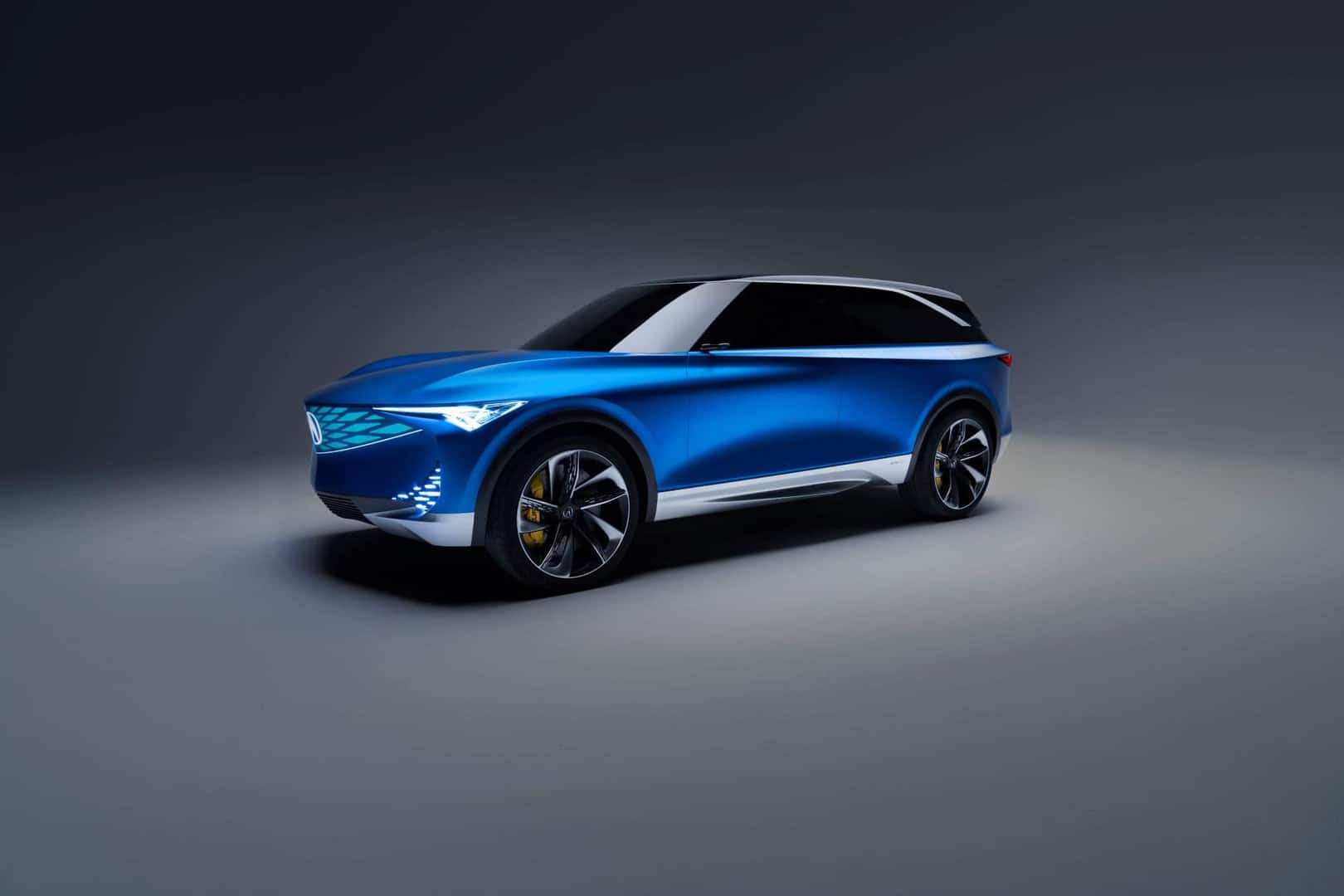
Acura is currently undergoing a massive transformation, pivoting from internal combustion engines to a high-performance electric future. By 2026, the brand has established the ZDX as its EV cornerstone while preparing to launch a dedicated in-house electric platform, a new entry-level ADX crossover, and a flagship electric sports car that honors the NSX legacy.
The automotive landscape in 2026 reflects a brand in the midst of its most significant evolution since its founding in 1986. Acura is no longer merely "Honda’s luxury arm"; it is positioning itself as a leader in the "Precision Crafted Performance" of the electric age. This transition involves moving away from shared platforms toward bespoke architectures that prioritize driving dynamics, software-defined features, and sustainable luxury. For enthusiasts and prospective buyers, the roadmap for Acura future vehicles provides a glimpse into how the brand intends to balance its racing heritage with the demands of a zero-emissions market.
The Shift to In-House EV Architecture
One of the most critical developments for Acura’s future is the transition from the General Motors-sourced Ultium platform to Honda’s proprietary e:Architecture. While the initial ZDX and ZDX Type S models benefited from the collaboration with GM, the next generation of Acura EVs—starting with models slated for late 2026 and 2027—will utilize an in-house platform designed specifically for the brand's performance metrics.
This new platform is expected to focus on "Thin, Light, and Wise" principles. By reducing the height of the battery pack and optimizing the placement of electric motors, Acura aims to achieve a lower center of gravity than what was possible with shared architectures. This is foundational to the "Precision Crafted Performance" ethos. The e:Architecture will also introduce a more sophisticated software stack, allowing for over-the-air (OTA) updates that can modify everything from suspension damping to power delivery profiles.
Technical specifications for this platform suggest a move toward 800-volt charging systems, which would significantly reduce DC fast-charging times compared to the 400-volt systems found in early-generation luxury EVs. This infrastructure is vital for maintaining Acura’s competitive edge against European luxury rivals who have already embraced ultra-fast charging capabilities.
The Acura ADX: Expanding the Entry-Level Gateway
As of 2026, the Acura ADX has become a pivotal player in the lineup. Positioned as an entry-level premium SUV, the ADX sits below the RDX and is designed to capture a younger demographic. It shares its fundamental architecture with the Integra, bringing a turbocharged powertrain and a focus on agility to the subcompact luxury crossover segment.
The ADX serves a dual purpose. First, it provides a high-volume entry point for buyers who want the Acura badge but do not require the size or expense of the MDX. Second, it acts as a "bridge" model. While Acura is moving toward full electrification, the ADX utilizes a highly efficient internal combustion engine (ICE) and potentially a hybrid variant to cater to regions where charging infrastructure is still maturing.
Interior appointments in the ADX mirror the driver-centric cockpit of the Integra, featuring a 10.2-inch digital instrument cluster and a 9-inch touchscreen with wireless smartphone integration. By 2026, the ADX has established itself as the successor to the "gateway" role once held by the ILX, but in the much more popular SUV body style.
The Performance EV Concept and Its Production Successor
Unveiled at the 2024 Monterey Car Week, the Acura Performance EV Concept provides the clearest blueprint for the brand's future design language. In 2026, we are seeing the production-ready version of this vehicle nearing its official launch. This model is significant because it is the first EV to be fully developed by Acura engineers in Ohio, representing a return to vertical integration for the brand’s electric efforts.
The design of the Performance EV moves away from the traditional SUV "box" shape. It features a "vented" hood, aggressive side ducting, and a dramatic "decklid" spoiler that pays homage to the second-generation NSX. These aren't just aesthetic choices; they are functional aerodynamic elements designed to increase downforce and cooling for the high-output electric motors.
Key Features of the Performance EV:
- Athletic Stance: A long wheelbase with short overhangs and massive 23-inch wheels.
- Neon Green Accents: A signature of the concept that is expected to translate into "Performance Electric" branding for production Type S variants.
- AcuraWatch 360+: The next evolution of driver assistance, utilizing lidar and high-definition mapping for enhanced hands-free driving capabilities.
The Evolution of the MDX and RDX
The stalwarts of the Acura lineup, the MDX and RDX, are also facing a period of reinvention. The MDX remains the brand's best-selling three-row SUV, and for the 2026 model year, it continues to refine its premium cabin experience with the elimination of the True Touchpad Interface in favor of a more intuitive 12.3-inch touchscreen.
However, the "future" of the MDX lies in its eventual electrification. Industry analysts expect an all-electric three-row SUV to join the lineup by 2027, potentially co-existing with the ICE MDX for several years. This electric flagship would likely utilize the e:Architecture and offer a dual-motor SH-AWD (Super Handling All-Wheel Drive) setup capable of delivering over 500 horsepower in Type S trim.
The RDX, meanwhile, is expected to follow a similar path. As the mid-size SUV market moves rapidly toward electrification, a "ZDX-sized" alternative that emphasizes luxury and daily utility is rumored to be in development. The goal is to ensure that every core segment Acura competes in—entry-level, mid-size, and three-row—has a competitive electric offering by the late 2020s.
The Return of the Halo: The Electric NSX Successor
Perhaps the most exciting prospect for Acura enthusiasts is the confirmed development of an all-electric supercar. Often referred to in 2026 as the "Electric Vision," this vehicle is intended to be the spiritual successor to the NSX. Unlike the hybrid NSX of the past, this new halo car will be a "battery-electric performance powerhouse."
Acura has signaled that this vehicle will showcase the absolute limits of their electric motor technology. It is expected to feature a multi-motor setup (likely three or four motors) allowing for independent torque vectoring at each wheel. This would provide a level of handling precision that surpasses even the legendary SH-AWD systems of previous generations.
The electric NSX successor is more than just a fast car; it is a laboratory for future technology. The lightweight materials, advanced battery cooling systems, and aerodynamic innovations developed for this supercar will eventually trickle down to the more mainstream Type S models in the Acura lineup.
Future Acura Vehicle Comparison (Projected 2026-2028)
The following table summarizes the expected trajectory of the Acura lineup based on current development cycles and official announcements.
| Model | Segment | Powertrain | Expected Status (2026/2027) | Key Highlight |
|---|---|---|---|---|
| Acura ADX | Subcompact SUV | 1.5L Turbo / Hybrid | In Production | Entry-level gateway; Integra-based SUV |
| Acura ZDX | Mid-size SUV | Electric (Ultium) | In Production | First mass-market Acura EV; 500HP Type S |
| Performance EV | Sport Crossover | Electric (e:Arch) | Launching Late 2026 | First in-house dedicated EV platform |
| Next-Gen RDX | Mid-size SUV | Hybrid / Electric | Development | Transition to full electrification |
| MDX EV | 3-Row SUV | Electric (e:Arch) | Projected 2027 | Luxury flagship with 300+ mile range |
| "Electric Vision" | Supercar | Multi-Motor EV | Prototype / Halo | Spiritual successor to the NSX |
Technological Innovations: Beyond the Powertrain
Acura’s future isn't just about changing how the cars are powered; it's about changing how the driver interacts with the vehicle. By 2026, several key technologies have become standard or are nearing production readiness.
Google Built-in and Software-Defined Features
Acura has fully embraced Google Built-in, integrating Google Maps, Google Assistant, and the Google Play Store directly into the vehicle's infotainment system. This allows for a seamless transition between a user’s digital life and their driving experience. Furthermore, the shift toward a software-defined vehicle (SDV) architecture means that Acura can offer "Features on Demand." While controversial to some, this allows owners to subscribe to or purchase performance upgrades, advanced lighting signatures, or enhanced autonomous driving features after the initial purchase.
Bang & Olufsen Premium Audio
Moving away from the previous ELS Studio systems, Acura has partnered with Bang & Olufsen to provide a bespoke audio experience. In models like the 2026 MDX and ZDX, this includes a 31-speaker "Beosonic" system with 3D sound technology. This partnership signals Acura's intent to compete at the highest levels of interior luxury and sensory experience.
Solid-State Battery Research
While not yet in production by 2026, Acura (via Honda) is heavily investing in all-solid-state batteries (ASB). These batteries promise double the energy density of current lithium-ion cells, significantly faster charging times, and better thermal stability. Acura’s roadmap suggests that high-performance models in the late 2020s or early 2030s will be the first to receive this game-changing technology, potentially allowing for 500+ mile ranges without the weight penalty of current battery packs.
Strategic Market Positioning
In 2026, Acura’s strategy is clear: focus on North America and double down on the "Performance" aspect of their brand identity. While some luxury competitors are diversifying into ultra-luxury or micro-mobility, Acura is staying lean. By focusing on a core group of SUVs and the Integra/TLX sedans, they can ensure each model receives the necessary R&D to remain a leader in its segment.
The brand is also navigating the "NACS Transition." Following the industry-wide shift, Acura future vehicles are now shipping with the North American Charging Standard (NACS) port, giving owners native access to the Tesla Supercharger network. For older EV models like the early ZDX, Acura has provided robust adapter programs and integrated charging station locators within the AcuraLink app to minimize range anxiety.
Addressing Potential Challenges
The road to a 100% electric future is not without hurdles. Acura must manage the "enthusiast gap"—the segment of their fanbase that mourns the loss of the high-revving VTEC engines and the mechanical feel of a traditional gearbox. To combat this, Acura is focusing on haptic feedback and synthesized performance sounds that provide a visceral connection to the car without being artificial.
Additionally, the brand faces stiff competition from new entrants in the EV space and traditional rivals who are also electrifying. Acura's "secret weapon" remains its dealer network and reputation for reliability. As EVs become more like consumer electronics, the long-term durability and serviceability that Acura is known for will be a significant differentiator for cautious buyers making the switch from gasoline.
FAQ: Frequently Asked Questions About Acura's Future
Will Acura still sell gasoline cars after 2026?
Yes. While Acura is aggressively moving toward a 100% EV lineup by 2040, they will continue to offer internal combustion and hybrid models like the MDX, RDX, and Integra for the foreseeable future. The transition is being handled in phases to ensure buyers in all regions have viable options.
What is the expected range of future Acura EVs?
Most future Acura EVs built on the e:Architecture are targeting a minimum range of 300 to 350 miles on a full charge. High-performance Type S models may have slightly lower ranges in exchange for increased power and grip, but improvements in battery density are expected to offset this over time.
Is there a new Integra coming?
The current Acura Integra (introduced in 2023) is still early in its lifecycle as of 2026. However, rumors of an "Integra EV" or a high-performance hybrid variant are circulating as Acura looks to maintain its presence in the compact sport sedan segment while meeting tightening emissions standards.
How does Acura’s SH-AWD work in an electric car?
In electric Acura models, SH-AWD is achieved through independent electric motors on the front and rear axles (and sometimes two motors on the rear axle). This allows for even more precise torque vectoring than a mechanical system, as the computer can adjust the torque at each wheel nearly instantaneously to improve cornering and stability.
When will the Acura ADX be available?
The Acura ADX was officially launched for the 2025/2026 model year cycles. It is currently available at dealerships as the new entry point into the Acura SUV lineup, sitting just below the RDX in terms of size and price.
Final Recommendation for Prospective Buyers
For those looking to transition into a luxury vehicle, the next 24 months are a crucial window. If you are ready to embrace the electric future, waiting for the 2027 Performance EV production model is a wise choice, as it will be the first to feature Acura's bespoke in-house architecture. However, if you require a versatile, proven three-row SUV right now, the 2026 Acura MDX remains one of the best values in the premium segment, offering a refined balance of technology and mechanical reliability. Keep a close watch on official announcements regarding the "Electric Vision" supercar if you are a collector, as that vehicle will define Acura's engineering capabilities for the next decade.