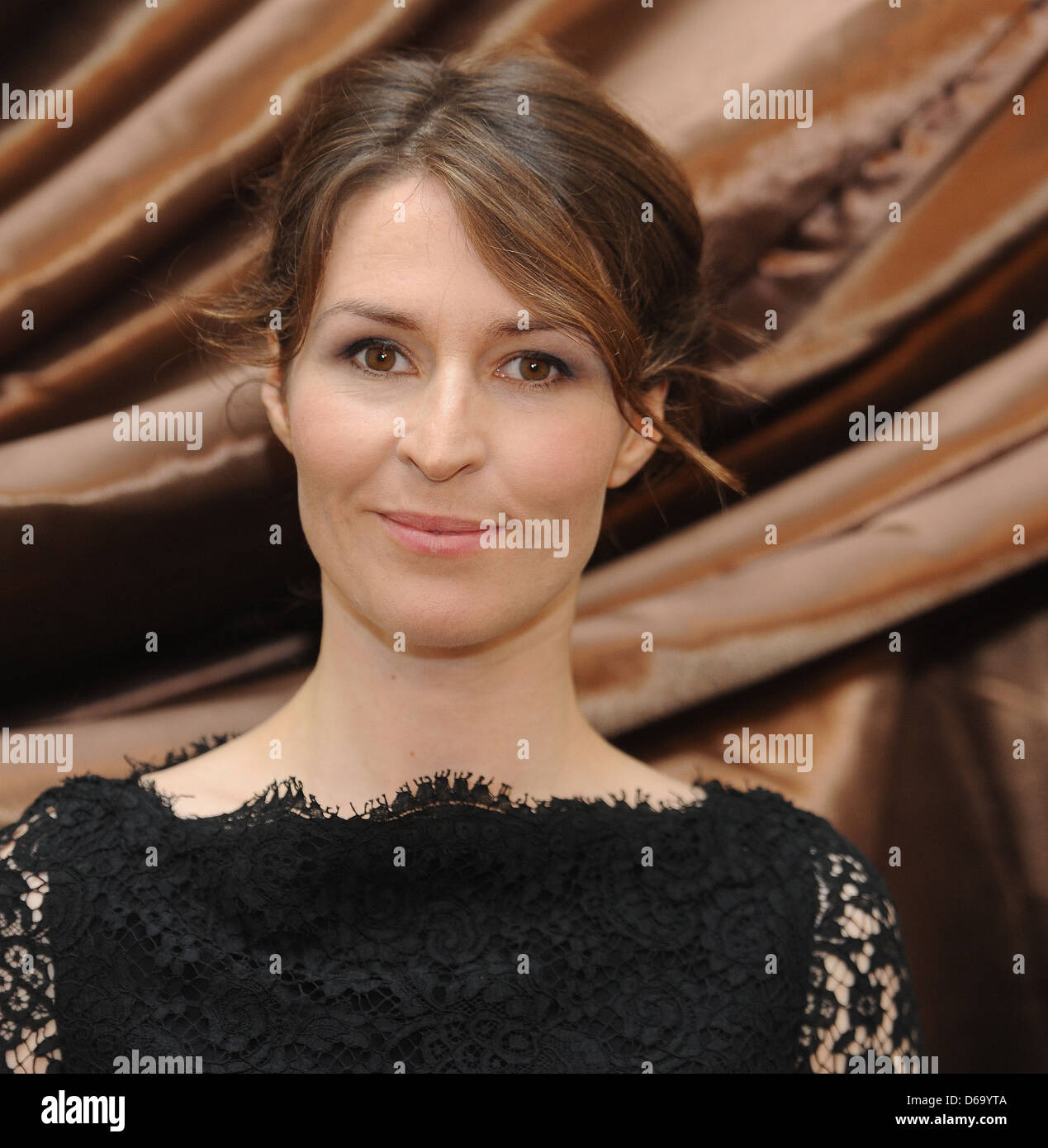
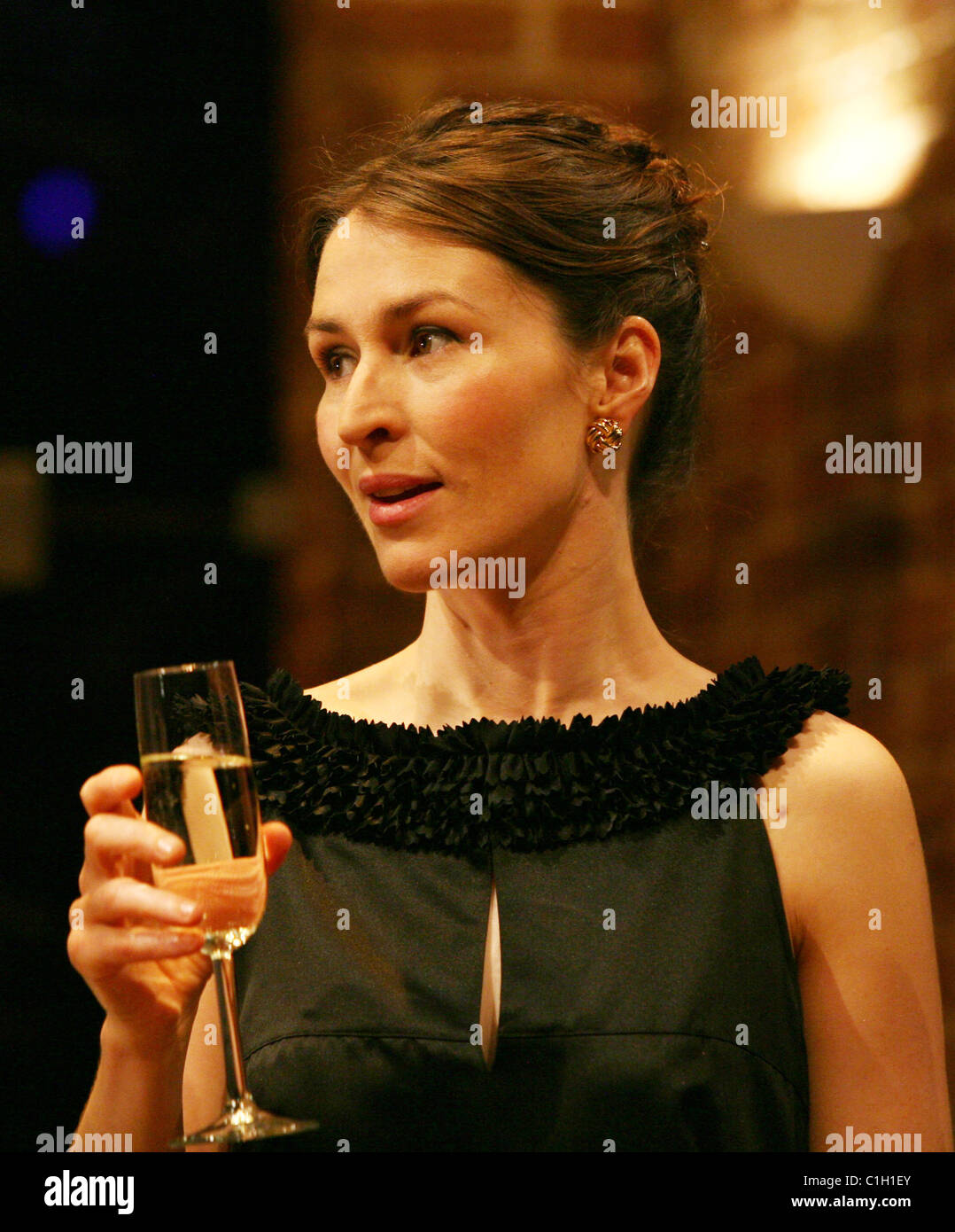
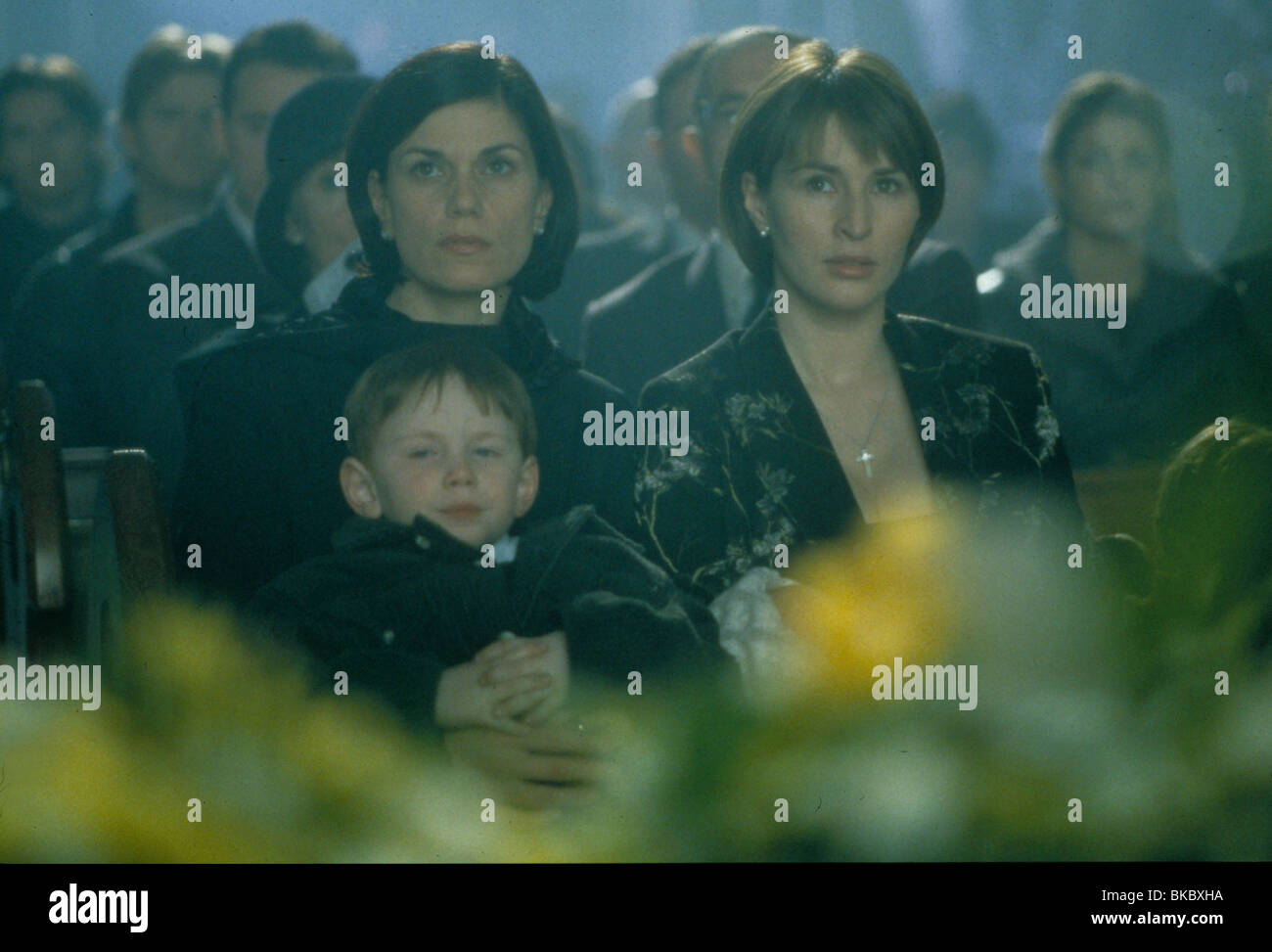
Helen Baxendale is a highly regarded British actress known for her versatility across television and theatre, having achieved international recognition through iconic roles in series such as Cold Feet and Friends. Her career spans over three decades, characterized by a commitment to character-driven performance and a deliberate transition between mainstream commercial success and critically acclaimed dramatic work.
The professional trajectory of Helen Baxendale is defined by her ability to balance long-running television commitments with independent film and stage productions. Born in Pontefract, West Yorkshire, in 1970, she began her formal training as a dancer before pivoting to acting at the Bristol Old Vic Theatre School. This foundation in physical discipline and classical training has informed her approach to performance, allowing her to portray a wide spectrum of roles—from the grounded, relatable characters of contemporary British dramas to the high-profile comedic roles that brought her global notoriety.
Early Career and Foundational Training
Before achieving household name status in the late 1990s, Baxendale developed her craft through rigorous stage work and small television appearances. Her early transition from classical ballet training to the Bristol Old Vic Theatre School provided her with the essential skills for projection, character development, and ensemble work. This period was crucial in establishing her professional identity, focusing on regional theatre and early television guest spots that honed her ability to inhabit complex emotional states.
Her break into mainstream consciousness occurred in the mid-1990s, most notably with the medical drama Cardiac Arrest. In this series, she played Dr. Claire Maitland, a role that required a departure from the typical, sanitized depiction of healthcare professionals on screen. The show was praised for its cynical, dark, and often gritty look at the National Health Service in the United Kingdom, providing Baxendale with the opportunity to display a sharp, intellectual edge that would eventually become a hallmark of her acting style.
The Breakthrough: Cold Feet and International Recognition
While Cardiac Arrest established her as a serious talent, it was her role as Rachel Bradley in the ITV series Cold Feet that secured her place in British television history. Running initially from 1998 to 2003, and later returning for a reboot in 2016, the show served as a cultural touchstone for the late 1990s. As Rachel, Baxendale portrayed one-third of a central romantic triangle, navigating the complexities of friendship, infidelity, and professional ambition.
Simultaneously, Baxendale gained significant international visibility as Emily Waltham in the American sitcom Friends. Joining the cast in 1998 during the show’s fourth season, her character’s tumultuous romance with Ross Geller remains one of the most discussed arcs in the series' history. This experience highlighted the stark differences between the production environments of British ensemble dramas and high-budget American sitcoms, requiring Baxendale to adapt to the rapid-fire timing and studio audience-led format of a global television phenomenon.
Artistic Versatility: Beyond Sitcoms
Following her high-profile stints in Cold Feet and Friends, Baxendale made a conscious effort to pursue diverse projects that showcased her range. Her work in the 2000s and 2010s reflects an interest in psychological thrillers, period pieces, and crime dramas. By avoiding typecasting, she maintained a career that focused on the strength of the script and the complexity of the character rather than the commercial scale of the production alone.
Key Production Roles and Genre Shifts
| Production Title | Genre | Role | Notable Impact |
|---|---|---|---|
| Cardiac Arrest | Medical Drama | Dr. Claire Maitland | Critical acclaim for realistic, dark tone |
| Cold Feet | Comedy-Drama | Rachel Bradley | National cultural impact in the UK |
| Friends | Situation Comedy | Emily Waltham | Global recognition in U.S. markets |
| Dirk Gently | Comedy/Mystery | Janice Pearce | Expansion into genre-bending narratives |
| Noughts + Crosses | Dystopian Drama | Maggie McGregor | Contemporary relevance and social themes |
Each of these roles allowed Baxendale to explore different facets of human behavior. Her performance in Dirk Gently, for example, highlighted her ability to handle surreal, eccentric dialogue, while her work in Noughts + Crosses showcased a mastery of nuance within a high-stakes, politically charged setting.
The Craft: Approach to Characterization
Baxendale’s longevity in the industry is often attributed to her grounded approach to characterization. Rather than relying on performative gestures, she often employs a minimalist style that emphasizes internal conflict and emotional honesty. This is particularly evident in her later-career work, where she has frequently portrayed mothers, mentors, or authority figures dealing with the friction of changing societal norms.
Industry peers and critics often point to her ability to anchor a scene, providing a sense of stability that allows her co-stars to shine. This "ensemble-first" mentality is a byproduct of her early theatre training, where the cohesion of the group is prioritized over individual spotlighting. By focusing on the reality of the situation rather than the artifice of the performance, she has managed to remain relevant across multiple decades of changing television aesthetics.
Balancing Professional and Personal Life
One of the defining aspects of Helen Baxendale’s career has been her ability to maintain a private personal life while navigating the demands of public celebrity. She has frequently spoken about the importance of creative choice over the pursuit of fame, often choosing to step away from the limelight during periods of intense media scrutiny. This discipline has likely contributed to her ability to remain a working actor for over thirty years, avoiding the burnout often associated with sustained public pressure.
Her choices in roles often mirror this priority, favoring projects that allow for geographic stability or those that resonate on a personal, creative level. This approach has allowed her to transition gracefully between the frenetic pace of a sitcom set and the more contemplative, character-focused environment of modern streaming dramas.
Frequently Asked Questions
What is Helen Baxendale’s most famous role? Helen Baxendale is most widely recognized for her role as Rachel Bradley in the British series Cold Feet and as Emily Waltham in the American sitcom Friends. Both roles served as major turning points in her international career.
Is Helen Baxendale still active as an actress? Yes, as of 2026, Helen Baxendale continues to work in television and theatre. She remains selective regarding her roles, often choosing projects that offer character depth rather than pursuing large-scale commercial exposure.
How did her role in Friends affect her career? While Friends provided her with immense global visibility and introduced her to American audiences, it also led to intense tabloid interest. She has frequently stated that she preferred the collaborative, character-driven nature of her British work, and she successfully returned to the UK television industry to continue her career on her own terms.
Did Helen Baxendale receive any formal acting training? Yes, she trained at the Bristol Old Vic Theatre School. This institution is well-regarded for its emphasis on classical acting and stage craft, which served as the foundation for her later performances on both screen and stage.
What kind of roles does she typically play now? Her recent work focuses on complex, mature characters, often in drama or genre-focused series. She tends to gravitate toward scripts that allow for emotional nuance and exploration of social or personal themes rather than superficial character tropes.
Recommendation for Further Engagement
For those interested in exploring the breadth of Helen Baxendale’s acting range, it is recommended to contrast her earlier work in Cardiac Arrest with her performance in the Cold Feet revival. This juxtaposition highlights the evolution of her craft, demonstrating how her mastery of subtle, lived-in acting has matured from her initial career stages to her current professional output. Those seeking to understand the British television landscape of the late 1990s should view Cold Feet as a essential starting point, as it serves as a primary example of the tonal shift in British comedy-drama that defined that decade.