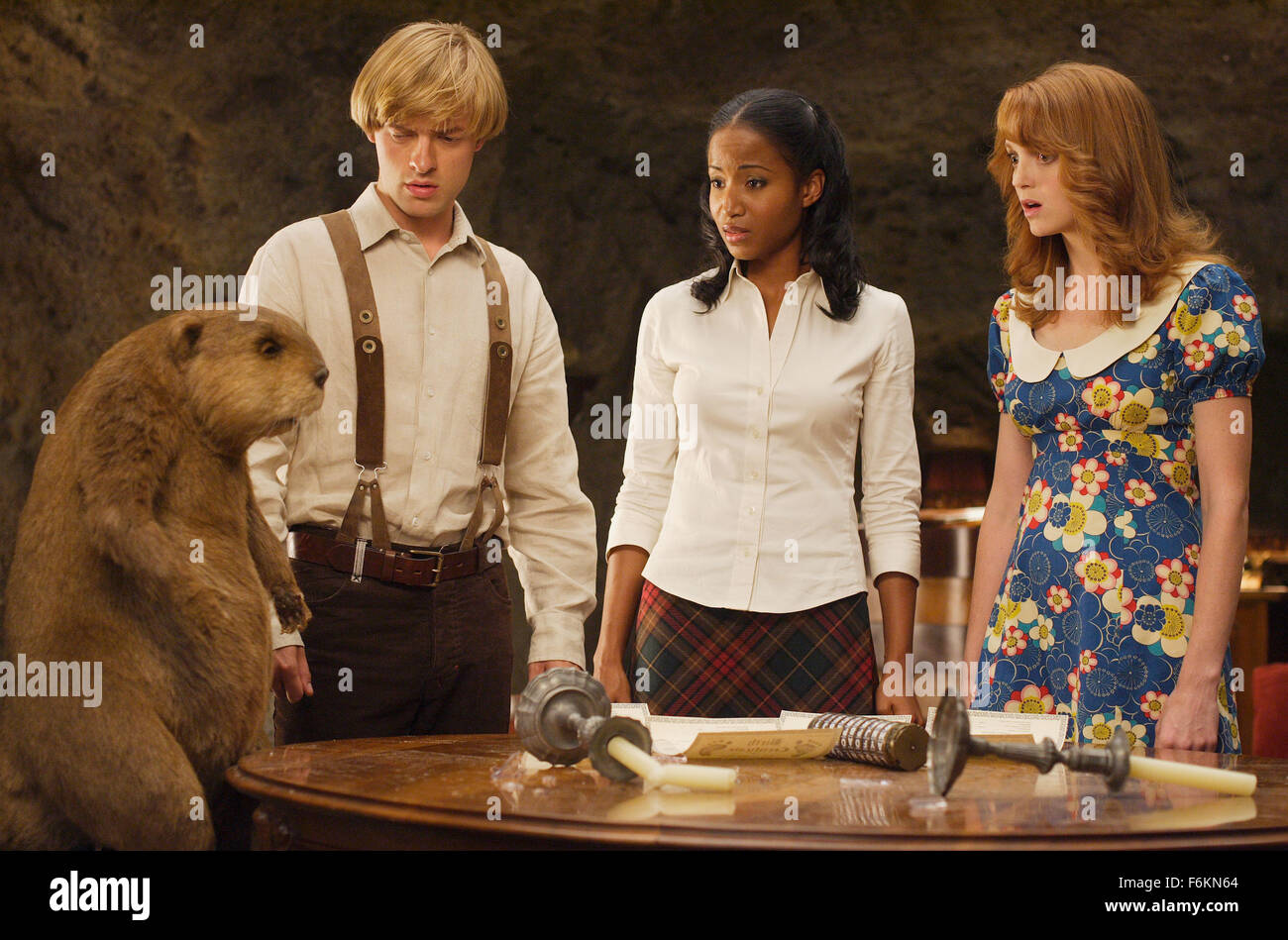
Aaron Seltzer and Jason Friedberg are a filmmaking duo recognized for their prolific, polarizing contributions to the "spoof" or parody genre in American cinema. Working primarily as a writing and directing team, they gained notoriety in the early 2000s for a succession of high-concept, low-brow comedies that target blockbuster film trends, often utilizing a rapid-fire style of physical humor, celebrity caricatures, and pop-culture non-sequiturs to satirize contemporary media.
Origins and Early Contributions to Comedy
Before establishing their own brand of parody films, Seltzer and Friedberg cut their teeth in the professional screenwriting circuit during the mid-1990s. Their early involvement in the industry was marked by work on some of the most commercially successful parody films of that decade. They were among the collective of writers who contributed to the script for Spy Hard (1996), a spoof of the spy genre that served as a showcase for Leslie Nielsen.
Their breakout as a household name—or at least a recognizable entity in the niche of parody—came with their involvement in the Scary Movie franchise. As part of a larger writing team, they helped shape the inaugural 2000 film, which became a significant cultural moment. The massive financial success of Scary Movie established a blueprint for the "slapstick-heavy" parody style that would eventually define their independent directorial careers. This period was characterized by an attempt to translate the irreverent, ensemble-writing style of the Airplane! or Naked Gun eras into a new millennium context, albeit with a sharper focus on pop-culture immediacy rather than character-driven narrative.
The Rise of the "Spoof" Auterism
Following their early success, Seltzer and Friedberg pivoted to directing their own screenplays, beginning with Date Movie in 2006. This transition marked a shift in their professional trajectory from contributing writers to hands-on filmmakers.
Their directorial work is defined by a specific set of stylistic pillars:
- Pop-Culture Saturation: Each film operates as a collage of the most popular movies and trends of the current release calendar.
- The "Gag-a-Second" Pace: Rather than relying on traditional three-act structures, their films often function as a stream of short sketches held together by a thin, often referential plot.
- Physical Comedy and Slapstick: Their scripts frequently prioritize exaggerated physical reactions, falling, and bodily function humor over verbal wit or subtle satire.
- Casting Archetypes: They often utilize actors who excel at impressionist comedy, tasking them with playing hyperbolic versions of established characters from existing intellectual properties.
This style, while consistent, has resulted in a unique reputation in critical circles. While their films have historically faced significant negative reception from professional critics, they maintained a period of commercial viability for several years due to their ability to produce films at relatively low costs that appealed to a younger demographic.
Chronology of Major Directorial Works
The following table outlines the primary feature films directed by Seltzer and Friedberg during their most active period of production. This list focuses on the projects where the two acted as the primary creative team.
| Release Year | Film Title | Primary Targets |
|---|---|---|
| 2006 | Date Movie | Rom-coms (My Big Fat Greek Wedding, Hitch) |
| 2007 | Epic Movie | Blockbusters (Narnia, Harry Potter) |
| 2008 | Meet the Spartans | Period action films (300, Spider-Man) |
| 2008 | Disaster Movie | Natural disaster films (Twister, The Day After Tomorrow) |
| 2010 | Vampires Suck | Vampire tropes (Twilight) |
| 2013 | The Starving Games | Dystopian young adult fiction (The Hunger Games) |
Structural Elements and Production Methodology
Understanding why their films take the form they do requires a look at the production economics of the 2000s and 2010s. For studios like 20th Century Fox or Lionsgate (in the case of later films), the Seltzer/Friedberg model offered a low-risk investment. By keeping budgets lean and focusing on "low-hanging fruit" targets—movies that were currently dominating the box office—they could maximize brand recognition for minimal effort in script development.
The methodology often involved creating a "checklist" of scenes from the most popular films of the previous 12–18 months. The scriptwriting process was essentially a transcription of those scenes into a comedic context, often replacing dramatic tension with absurdist escalation. This "referential humor" approach meant the films had a limited shelf life; as the original films they spoofed faded from public consciousness, the satire lost its context, which is a common phenomenon in the genre of topical parody.
Critical Reception and Audience Polarization
The career of Seltzer and Friedberg is frequently cited in film studies as a case study in the divide between commercial intent and critical assessment. Critics often argued that their work lacked the thematic depth of earlier parodies, which typically used the target film to comment on the genre as a whole, rather than simply recreating scenes with comedic inserts.
Conversely, the team maintained a consistent audience throughout the 2000s. For a specific subset of the public, the films served as a form of "comfort food" entertainment—a chaotic, fast-paced environment where the familiarity of the target material provided a baseline for the humor. Because they were rarely aiming for prestige, their success was measured not by critical acclaim but by their ability to maintain a consistent output of content that filled a niche in the home video and cable television rental markets.
Evolution of the Parody Genre
The parody landscape changed significantly following the rise of social media and viral video content. By the mid-2010s, the speed at which the internet could generate "spoof" content—via YouTube sketch comedy, memes, and short-form video—made the feature-length parody film less relevant. The type of satire Seltzer and Friedberg pioneered faced competition from creators who could respond to a blockbuster film's trailer within 24 hours of its release.
As a result, the duo’s influence shifted. The style of parody they popularized became a relic of the "blockbuster era" of comedy. Their body of work remains a historical reference point for a time when mainstream studios were willing to fund high-volume, low-effort comedic content aimed at capturing the broadest possible cross-section of current cinema trends.
Frequently Asked Questions
Are Aaron Seltzer and Jason Friedberg still making movies in 2026? As of 2026, the duo has significantly reduced their output compared to their peak in the late 2000s. Their primary focus in recent years has shifted away from the specific "spoof" format, as the appetite for feature-length parody films of that nature has waned in favor of short-form digital content.
What was their most financially successful project? Their most commercially successful period was the early to mid-2000s. While Scary Movie (which they co-wrote) is the most profitable project they have ever been associated with, their directorial feature Meet the Spartans (2008) is often cited as a benchmark for their standalone commercial performance, given its low budget compared to its box office return.
Did they write for any television shows? While their careers are primarily defined by their filmography, they have worked in various writing capacities within the industry throughout the 1990s and 2000s. Their primary focus remained centered on feature-length scripts, as this allowed them to maintain a consistent tone and style that was difficult to replicate in the episodic, team-based structure of television writing.
Why are their films so often criticized? Professional criticism of their work generally centers on the perceived lack of narrative structure and the reliance on "low-brow" or "crude" humor. Critics often contrast their work with the "high-concept" parodies of the 1980s, arguing that Seltzer and Friedberg emphasize direct imitation over clever subversion of tropes.
Recommended Next Actions for Further Research
For those interested in the history of cinema parody or the mechanics of Hollywood’s low-budget comedy models, the following steps are recommended:
- Contextual Analysis: Compare the scripts of their 2000s output with classic parodies like Airplane! or Top Secret! to understand the evolution of the genre's structure.
- Market Study: Review box office data for the 2006–2010 period to observe how these films performed relative to the major blockbusters they were satirizing.
- Media Evolution Tracking: Examine how the rise of YouTube-based sketch comedy in the early 2010s rendered the feature-length parody model less competitive in the mainstream theatrical market.