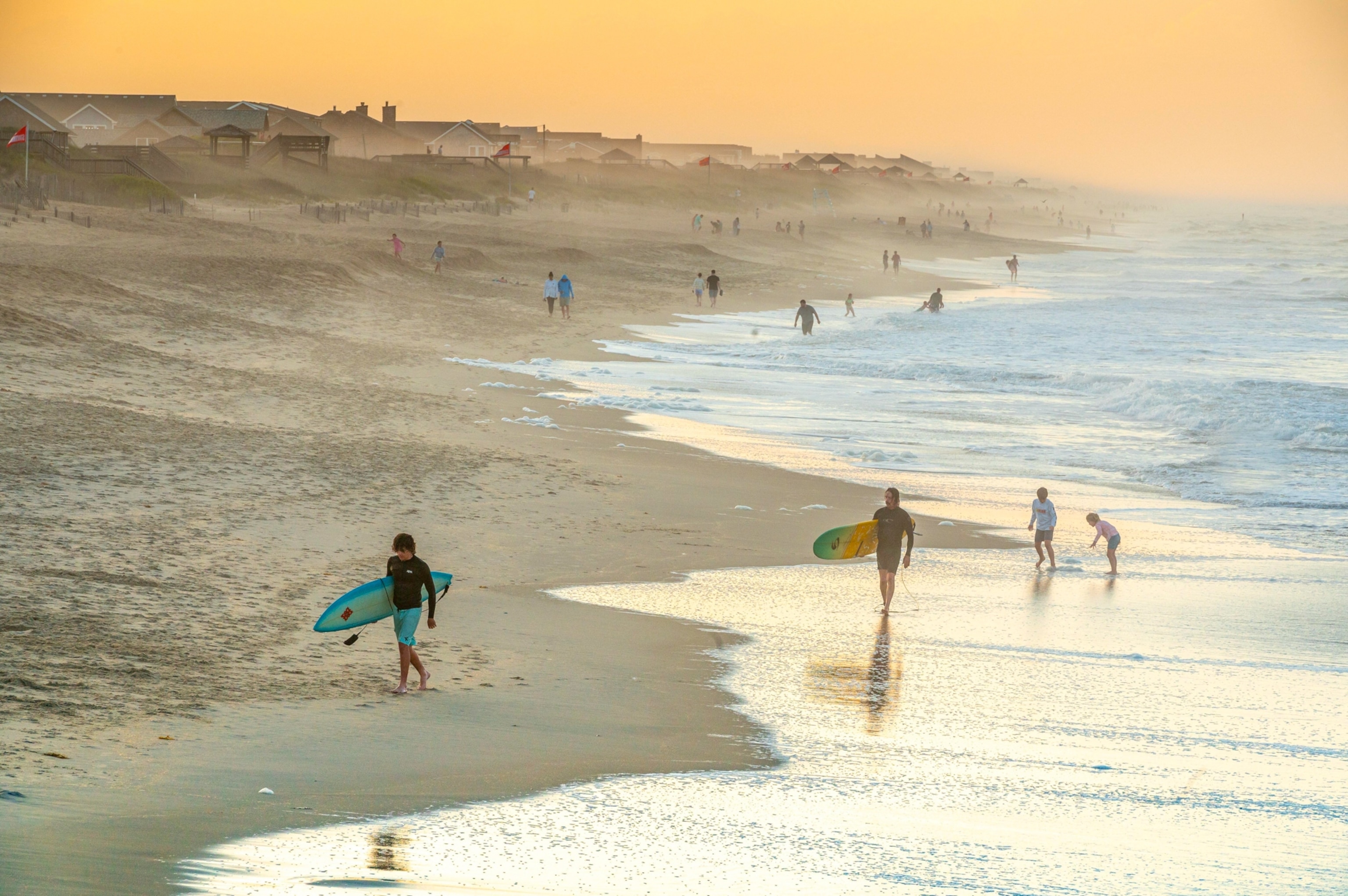
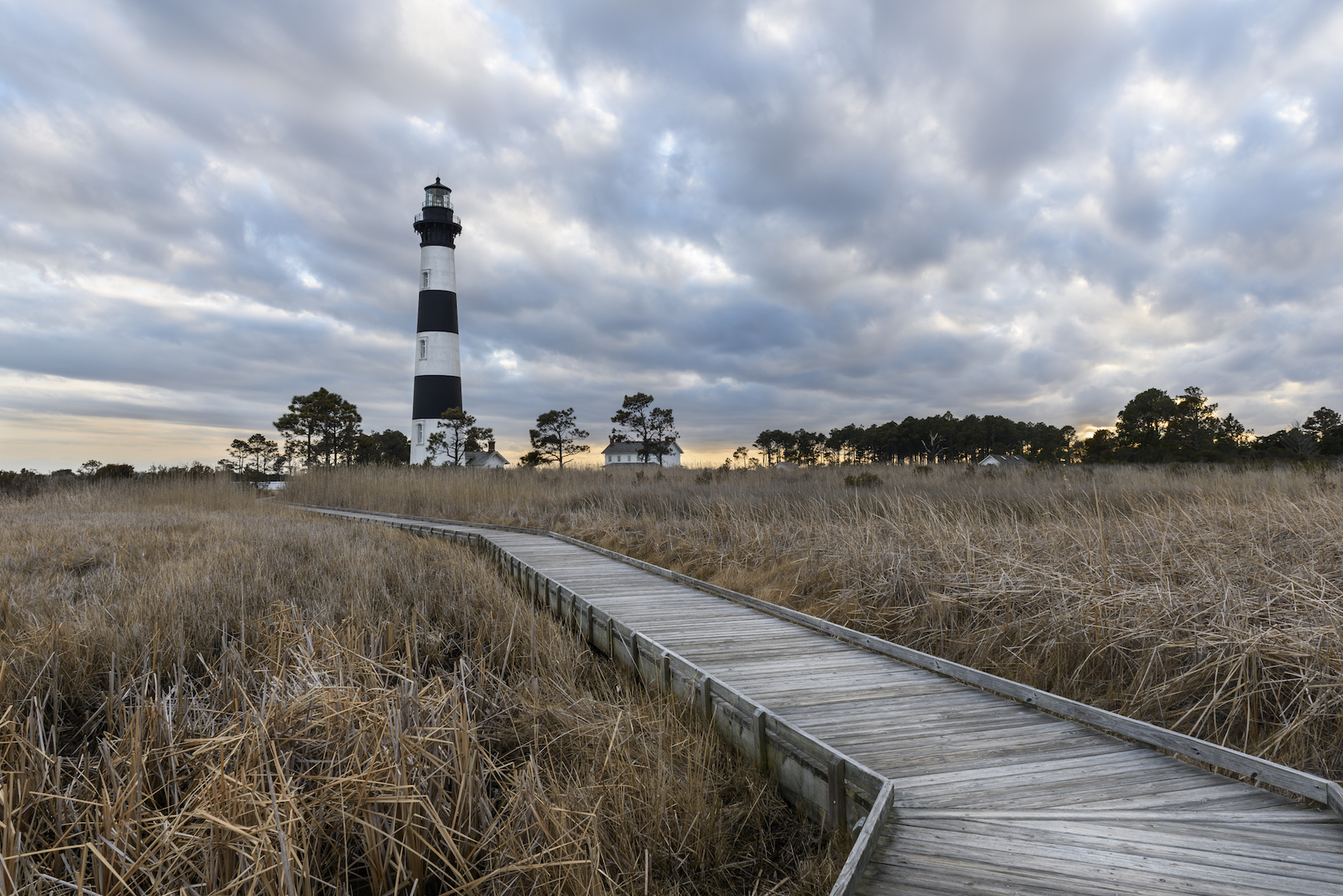
Deciding on the best time to visit the Outer Banks (OBX) depends entirely on what you want out of your coastal getaway, as this narrow strip of barrier islands shifts dramatically across a seven-month span from April through October. While summer brings peak beach weather and bustling beach towns, the shoulder months of spring and early fall offer quieter shores, lower rental rates, and more moderate temperatures for outdoor exploring.
Evaluating the Outer Banks requires looking beyond simple weather forecasts. Water temperatures, seasonal bridge traffic, wildlife migrations, local business operating hours, and hurricane season dynamics all shape the visitor experience. By breaking down the calendar into distinct operational periods, travelers can strategically align their personal preferences with the specific advantages each month provides.
Understanding the Outer Banks Seasonal Landscape
The Outer Banks spans over 200 miles of barrier islands off the coast of North Carolina, running from the Virginia border down to Ocracoke Island. Because the area is geographically isolated by sounds, inlets, and the Atlantic Ocean, seasonal changes dictate almost every aspect of travel logistics.
Spring marks the awakening of the islands. As April transitions into May, daytime temperatures climb out of winter chill, and rental properties begin filling up for the primary booking season. Summer—spanning June, July, and August—represents the high-demand peak. During these months, the population swells, traffic on the Wright Memorial Bridge and NC Highway 12 intensifies, and every local charter, restaurant, and boutique operates at full capacity.
Autumn brings a second distinct personality to the islands. September and October are prized by seasoned travelers for offering warm ocean water, fewer crowds, and lower accommodation costs, though this period also coincides with the peak of the Atlantic hurricane season. Understanding these overlapping factors ensures that whether you seek solitude, family-friendly activities, or prime surf fishing, you can pinpoint the exact month that fits your travel style.
April: The Quiet Awakening of Spring
April marks the true beginning of the Outer Banks tourism season, making it an ideal month for travelers who prioritize peace, quiet, and lower accommodation rates over swimming in the ocean. Daytime temperatures typically hover in the upper 60s, while nighttime lows can still be brisk, requiring a jacket for evening walks along the shoreline.
One of the primary benefits of visiting in April is the absence of heavy traffic and crowded beaches. You can easily secure reservations at top-tier restaurants without advance booking, and vacation rental agencies often offer attractive off-season pricing. Nature lovers will find April exceptional for bird watching, as migratory species pass through local wildlife refuges like the Pea Island National Wildlife Refuge.
However, travelers must manage expectations regarding water-based activities. The Atlantic Ocean remains cold—often dipping into the low 50s—making swimming and water sports impractical without a thick wetsuit. Additionally, some seasonal shops, beach rental outfits, and restaurants in smaller villages like Buxton or Ocracoke may remain closed or operate on limited weekend schedules until late spring.
May: Ideal Weather and Blooming Landscapes
May is widely considered one of the hidden gems of the Outer Banks calendar. The weather warms up significantly, with daytime highs reaching the mid-to-upper 70s, providing comfortable conditions for long days spent outdoors without the oppressive humidity of mid-summer.
During May, the islands come alive with coastal flora. The historic gardens at the Elizabethan Gardens in Manteo burst into color, and outdoor recreation reaches a sweet spot. Kayaking the soundside waters, exploring the Cape Hatteras National Seashore, and climbing historic lighthouses like the Bodie Island or Cape Hatteras lights can all be done comfortably without battling long queues.
Ocean temperatures begin a slow climb, though they remain brisk for casual bathers. Surfers and kiteboarders frequently take advantage of reliable spring winds. Rental rates are generally lower than peak summer pricing, and traffic patterns remain manageable, though Saturday changeover days on NC-12 start to see noticeable increases in volume as Memorial Day approaches.
June: The Kickoff of Peak Summer
June marks the official transition into the high season. School breaks kick off family travel, and the Outer Banks shifts into a vibrant, high-energy coastal destination. Daytime temperatures regularly push into the low 80s, and the Atlantic Ocean finally warms to comfortable swimming temperatures.
This month offers full operational capacity across the entire barrier island chain. Every charter boat, parasailing outfit, mini-golf course, and seafood restaurant is open and fully staffed. Special events, farmers markets, and outdoor concerts begin to populate the weekly local calendars. For families with school-aged children, June provides the classic beach vacation atmosphere with long daylight hours and lively boardwalks.
The trade-off for this vibrant energy is logistics. Accommodation rates reach peak levels, and minimum night stays or full-week Saturday-to-Saturday rental restrictions become standard across most property management companies. Traffic on the Wright Memorial Bridge entering Kitty Hawk can back up significantly on peak changeover days, requiring strategic arrival times to avoid delays.
July: Peak Heat, Crowds, and Classic Beach Culture
July is the undisputed zenith of summer on the Outer Banks. Sun-drenched days consistently sit in the upper 80s, accompanied by high humidity and warm ocean waters that invite hours of swimming, bodyboarding, and beachcombing.
The atmosphere is undeniably festive. Towns like Nags Head, Kill Devil Hills, and Duck buzz with activity from morning until night. Independence Day brings spectacular fireworks displays over the Roanoke Sound and Nags Head Pier, drawing thousands of spectators. Deep-sea fishing charters report some of their best catches of the season, targeting yellowfin tuna, blue marlin, and dolphin (mahi-mahi).
To maximize a July trip, advance planning is non-negotiable. Rental homes, oceanfront campsites, and popular dining spots book out months—sometimes a year—in advance. Visitors must also be prepared for summer afternoon thunderstorms, which are common and develop quickly, though they typically pass within an hour, leaving clear skies behind. Sun protection and hydration are critical during this warmest month of the year.
August: Warm Waters and Late-Summer Energy
August carries forward the high-energy momentum of July, maintaining warm weather and inviting ocean temperatures well into the 80s. While family travel remains heavy through mid-August, the latter half of the month often sees a subtle shift as some school districts across the country begin classes earlier, leading to slightly thinner crowds on the beaches.
Surfing conditions in August are often influenced by tropical systems churning out in the Atlantic, which can generate clean groundswells prized by local wave riders. Evening strolls become deeply relaxing as ocean breezes cool down the sun-baked sand.
However, August demands heightened awareness of meteorological tracking. This month marks the statistical ramp-up of peak Atlantic hurricane season. While major storms do not impact the Outer Banks every year, travelers must monitor tropical weather systems closely. Flexible travel insurance and a clear understanding of local evacuation protocols are sensible precautions for anyone booking an August coastal vacation.
September: The Sweet Spot for Savvy Travelers
For many seasoned visitors, September is the absolute best time of the year to experience the Outer Banks. The intense summer crowds dissipate dramatically as children return to school, yet the weather remains thoroughly summer-like. Daytime temperatures comfortably sit in the high 70s to low 80s, and the Atlantic Ocean retains its warmth from the summer months.
The benefits of a September trip are substantial. Accommodation rates drop noticeably compared to the peak summer months, and securing reservations at premier restaurants requires far less advance planning. Parking at popular beach accesses and nature preserves is readily available. Furthermore, surf fishing peaks during this month as game fish migrate southward along the coast.
The primary variable in September is tropical weather activity. Because peak hurricane season occurs during this month, travelers should monitor the National Hurricane Center and review cancellation policies before booking. When weather systems stay clear, September delivers pristine beach conditions combined with a tranquil, relaxed island atmosphere.
October: Fall Foliage, Solitude, and Coastal Calm
October wraps up the primary tourism season with crisp air, stunning sunsets, and absolute tranquility. Daytime temperatures settle into the comfortable 60s and low 70s, making it a favorite month for outdoor enthusiasts, photographers, and couples seeking a quiet coastal retreat.
Exploring the Outer Banks in October allows for unhurried sightseeing. The Cape Hatteras National Seashore is remarkably peaceful, wild horses in Corolla can be observed in cooler, more active states, and historic sites like the Wright Brothers National Memorial can be toured at a leisurely pace. Fall fishing remains exceptional, and local seafood festivals celebrate the regional harvest.
By mid-to-late October, some seasonal businesses, beach shops, and restaurants begin closing their doors or reducing their hours until the following spring. Ocean swimming is generally out of the question for most visitors due to dropping water temperatures, but the trade-off is an authentic, uncommercialized glimpse of island life.
Month-by-Month Comparison Matrix
| Month | Average High Temp | Ocean Temp | Crowd Level | Accommodation Cost | Primary Advantage |
|---|---|---|---|---|---|
| April | 68°F | 53°F | Low | Low-Moderate | Total solitude, wildlife viewing, blooming landscapes |
| May | 76°F | 62°F | Moderate | Moderate | Ideal outdoor weather, blooming gardens, manageable traffic |
| June | 83°F | 72°F | High | High | Full business operations, long daylight hours, lively energy |
| July | 87°F | 78°F | Very High | Peak | Peak summer experience, warmest water, festive atmosphere |
| August | 86°F | 79°F | High-Peak | Peak | Great surf conditions, late-summer warmth, vibrant nightlife |
| September | 79°F | 75°F | Low-Moderate | Moderate | Warm water, minimal crowds, excellent surf fishing |
| October | 70°F | 67°F | Low | Low | Fall festivals, crisp air, peaceful sightseeing |
Frequently Asked Questions
When is the absolute cheapest time to visit the Outer Banks?
The most cost-effective times to visit are April and October. During these shoulder months, vacation rental companies, hotels, and local inns drop their rates significantly to attract visitors. You will also find cheaper rates on vehicle ferry tickets and equipment rentals, alongside greater availability for short-term stays rather than mandatory weekly bookings.
Can you swim in the ocean during May or October?
Swimming in May and October is generally discouraged for casual beachgoers. In May, ocean temperatures hover around 62°F, which feels quite chilly without a wetsuit. By October, water temperatures drop back down into the mid-60s. While hardy surfers and polar bear plungers brave these temperatures, most vacationers prefer June through September for comfortable swimming.
How does hurricane season impact a 7-month Outer Banks season?
Hurricane season officially runs from June 1 through November 30, with historical activity peaking between mid-August and late September. While severe storms are the exception rather than the rule, travelers visiting in late summer or early fall should purchase travel insurance that covers trip interruption and monitor tropical forecasts closely via official channels like the National Hurricane Center.
Are all restaurants and shops open throughout the entire 7-month period?
No. While businesses in core areas like Nags Head, Kill Devil Hills, and Kitty Hawk remain open for extended seasons, many establishments in remote villages like Rodanthe, Buxton, Waves, and Ocracoke operate seasonally. They typically open around Easter in April and wind down their operations by late October or November.
What is the best month for surf fishing in the Outer Banks?
September and October are widely regarded by local anglers as the premier months for surf fishing. As water temperatures begin to cool, popular game fish such as red drum, bluefish, speckled trout, and flounder migrate through the coastal waters, bringing active feeding behavior close to the shoreline.
Final Recommendation
To capture the ideal balance of warm weather, manageable crowds, and comfortable ocean conditions, target September as your primary choice for an Outer Banks trip. If your schedule restricts you to the spring, May offers brilliant blooming landscapes and pleasant temperatures without the summer rush. Book early for peak summer months (June through July) to secure prime oceanfront locations, and lean into April or October if your ideal coastal getaway centers on quiet reflection and open shorelines.