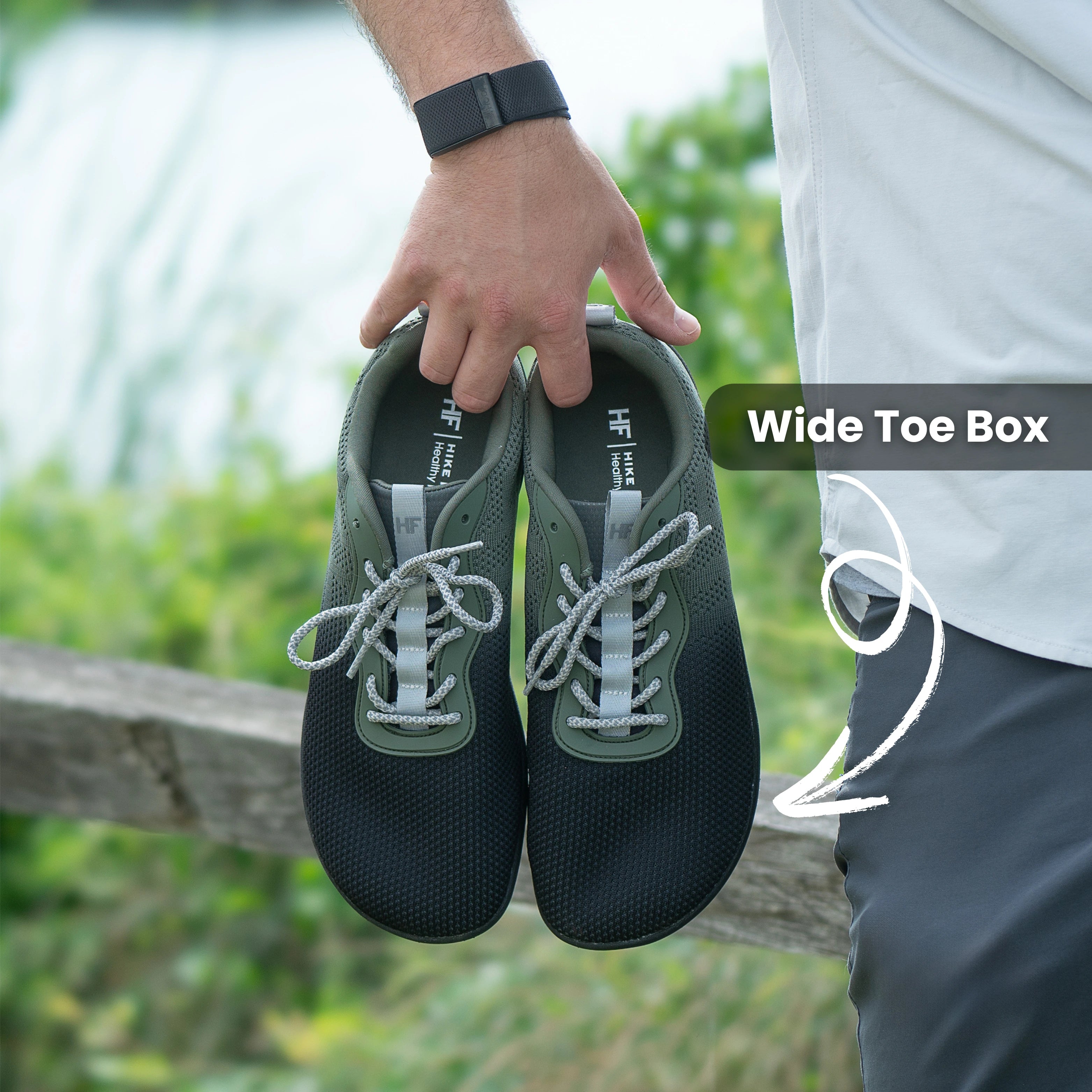
Choosing the right tennis shoes for being on your feet all day requires balancing superior arch support, responsive cushioning, a breathable upper, and a durable outsole to prevent fatigue during long hours of standing or walking.
Standing on hard surfaces for eight, ten, or twelve hours a day demands footwear designed to absorb impact, distribute weight evenly, and support the foot’s natural biomechanics. While traditional athletic sneakers are built for lateral movements and quick bursts on the court, many modern running and lifestyle tennis shoes have evolved to provide orthopedic-grade comfort for everyday wear. Whether you work in healthcare, retail, hospitality, or simply require dependable daily support for walking errands, selecting the correct pair can mean the difference between effortless mobility and chronic lower back and foot pain.
Understanding Foot Fatigue and the Role of Tennis Shoes
Foot fatigue occurs when the intrinsic muscles, tendons, and ligaments of the foot are overworked without adequate recovery time. Hard flooring—such as concrete, tile, and linoleum—offers zero shock absorption. Every step sends a jarring impact wave up through the ankles, knees, and lower spine.
Tennis shoes, particularly those engineered with advanced foam midsoles and structured heel counters, act as shock absorbers. Unlike flat-soled dress shoes or minimalist fashion sneakers, supportive footwear cushions the heel strike, stabilizes the arch, and encourages an efficient heel-to-toe transition. When evaluating options for all-day wear, look for key components:
- Midsole Technology: High-grade EVA, polyurethane, or proprietary foam blends (like Nike Air or Adidas Boost) that compress under pressure and spring back.
- Outsole Traction: Rubber outsoles that prevent slipping on polished indoor surfaces while remaining flexible enough for continuous walking.
- Upper Construction: Engineered mesh or breathable textiles that accommodate foot swelling, which naturally occurs after several hours of continuous standing.
The 7 Best Tennis Shoes for Being on Feet All Day
The following selection highlights models recognized for cushioning, arch support, and durability, making them well-suited for long shifts and extended wear.
1. Brooks Ghost 15 / Ghost 16
Originally designed as a neutral running shoe, the Brooks Ghost series has earned a loyal following among nurses, teachers, and retail workers who spend all day on their feet.
- Key Features: DNA Loft cushioning technology provides a soft, balanced underfoot feel without feeling overly mushy. The Segmented Crash Pad adapts to every footfall, ensuring smooth transitions.
- Pros: Excellent durability, generous toe box, and available in multiple width options (Narrow, Medium, Wide, Extra Wide).
- Cons: Neutral support may require aftermarket insoles for those with severe flat feet or extreme overpronation.
2. Hoka Bondi 8
Known for its maximalist design, the Hoka Bondi 8 features the thickest foam midsole in the brand's road-shoe lineup, making it a staple for high-impact standing environments.
- Key Features: Full-length compression-molded EVA midsole, meta-rocker geometry to propel forward motion, and an engineered mesh upper for airflow.
- Pros: Maximum shock absorption reduces joint fatigue; plush collar cradles the ankle.
- Cons: The chunky silhouette may feel bulky, and the high stack height takes time to get used to if you prefer a low-to-the-ground feel.
3. Asics Gel-Nimbus 26
Asics integrates its signature Gel technology into the heel and forefoot of the Gel-Nimbus line, delivering elite impact protection for individuals who log high step counts.
- Key Features: FF Blast Plus Eco cushioning combined with PureGels technology for cloud-like landings. A knit tongue and collar construction enhance step-in comfort.
- Pros: Exceptional shock attenuation; highly durable AHAR rubber outsole.
- Cons: Premium price point; snug fit through the midfoot may feel tight for wider feet unless ordered in a wide width.
4. Nike Air Monarch IV
A classic choice for all-day comfort, the Nike Air Monarch IV offers reliable structure and cushioning at an accessible price point.
- Key Features: Phylon midsole paired with a full-length encapsulated Air-Sole unit. Leather upper with perforations for ventilation.
- Pros: Budget-friendly, sturdy construction with firm arch support, excellent ankle stability.
- Cons: Less flexible out of the box; leather upper is less breathable than engineered knit alternatives.
5. New Balance Fresh Foam X 1080v13
New Balance’s Fresh Foam X technology delivers a plush, cloud-like ride designed specifically to reduce pressure points across the plantar surface of the foot.
- Key Features: Plentiful Fresh Foam X midsole cushioning, breathable second-skin mesh upper, and a rocker profile for effortless walking momentum.
- Pros: Incredibly soft underfoot feel; available in wide and extra-wide sizes.
- Cons: The ultra-soft foam may compress faster for heavier individuals over extended months of heavy daily use.
6. Adidas Ultraboost 1LIGHT / Ultraboost 1.0
While engineered as a high-performance running shoe, the responsive energy return and adaptive knit upper of the Ultraboost make it a favorite for standing comfort.
- Key Features: Boost capsule midsole that returns energy with every step, and a Primeknit upper that stretches to accommodate foot swelling.
- Pros: Exceptional energy return prevents leg heaviness; stylish aesthetic for everyday wear.
- Cons: High arch contour can cause discomfort for flat-footed wearers; premium price.
7. On Cloudmonsters
Swiss brand On Running designed the Cloudmonster with oversized Cloud elements that compress horizontally and vertically to absorb hard impacts on concrete floors.
- Key Features: Helion superfoam midsole, Speedboard plate for explosive toe-offs, and an engineered rocker shape.
- Pros: Unique springy feel, very lightweight, and highly breathable.
- Cons: Small pebbles can sometimes get caught in the outsole pods if worn outdoors.
Comparison of Top All-Day Footwear Options
| Shoe Model | Cushioning Type | Best Suited For | Width Options Available | Price Tier |
|---|---|---|---|---|
| Brooks Ghost (15/16) | Balanced DNA Loft | General standing & walking | Yes (Narrow to Extra Wide) | Mid-Range |
| Hoka Bondi 8 | Maximal EVA Foam | Severe joint pain & concrete floors | Yes (Wide available) | Premium |
| Asics Gel-Nimbus 26 | Gel + FF Blast Plus | High step counts & impact relief | Yes (Wide available) | Premium |
| Nike Air Monarch IV | Encapsulated Air-Sole | Budget-conscious supportive wear | Yes (Extra Wide available) | Budget |
| New Balance 1080v13 | Fresh Foam X | Plush, cloud-like step feel | Yes (Wide to Extra Wide) | Premium |
| Adidas Ultraboost | Responsive Boost Foam | Energy return & dynamic movement | Limited | Premium |
| On Cloudmonster | Oversized Cloud Pods | Lightweight spring & shock absorption | Standard | Premium |
Key Factors to Consider When Buying Shoes for Standing All Day
Selecting the right pair involves more than just picking a popular brand. Consider the following criteria to ensure long-term comfort:
1. Arch Type and Pronation
- Flat Feet (Overpronation): Look for shoes with a firm medial post or structured stability features to prevent your feet from rolling inward.
- High Arches (Supination): Prioritize maximum cushioning (like the Hoka Bondi or New Balance 1080) to make up for your foot's natural inability to absorb shock efficiently.
- Neutral Arches: Most balanced cushioning shoes will provide adequate comfort.
2. Sizing and Foot Expansion
Feet expand significantly over the course of a 10-hour shift due to heat, weight, and prolonged pressure. Always try shoes on at the end of the day when your feet are at their largest. Ensure there is roughly a thumb's width of space between your longest toe and the front of the shoe.
3. Outsole Material and Workplace Safety
If you work in healthcare, hospitality, or food service, slip resistance is just as important as cushioning. Look for rubber outsoles with specialized tread patterns that grip slick linoleum or tile flooring.
Frequently Asked Questions
Are running shoes better than walking shoes for standing all day?
Yes, in many cases. Running shoes are engineered to absorb two to three times your body weight in impact force with every stride. This high level of shock-absorbing technology often outperforms traditional walking shoes, which are typically built with firmer, thinner soles.
How often should I replace shoes worn for all-day standing?
Most supportive athletic and running shoes lose their shock-absorbing integrity after 300 to 500 miles of wear, or roughly every 6 to 9 months for full-time workers. Once the foam midsole becomes compressed or the outsole tread wears flat, it is time for a replacement.
Can insoles fix an unsupportive tennis shoe?
Quality aftermarket orthotic insoles (such as Superfeet or Powerstep) can significantly improve arch support and stability in shoes with removable sockliners. However, an insole cannot fix a midsole that has completely lost its cushioning capability.
Should I buy a half size up for long work shifts?
Yes. Because feet swell during long periods of standing, purchasing a half size up—or opting for a wider width (Wide or Extra Wide)—prevents toe cramping, blistering, and nail trauma.
Next Steps for Finding Relief
If you experience persistent foot, knee, or lower back pain, evaluate your current footwear's lifespan and structural integrity. Visit a specialty running or orthopedic footwear store to have your gait analyzed and your feet measured under load. Investing in a properly fitted pair of high-cushion tennis shoes is an essential step toward protecting your musculoskeletal health during long hours on your feet.