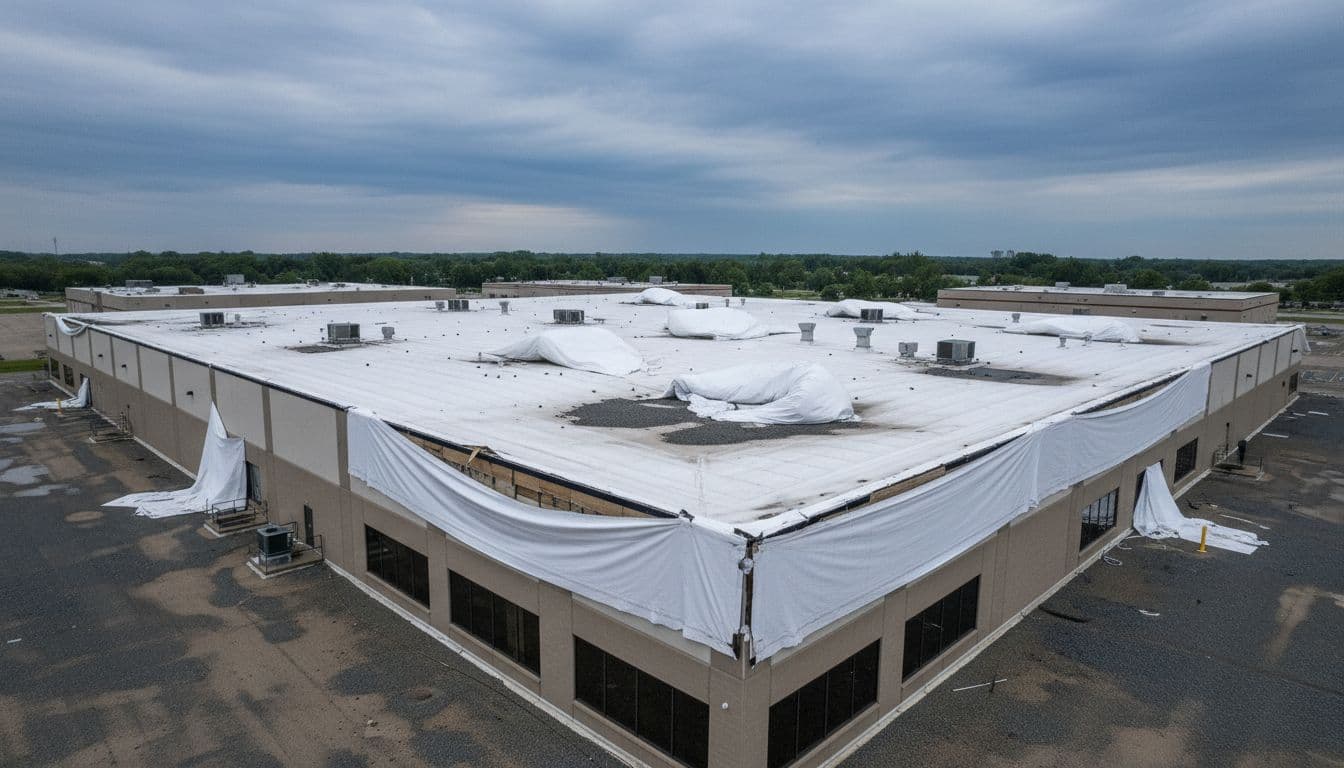
Sustained wind speeds or intense gusts reaching 50 mph occupy a dangerous threshold where severe weather transitions from a minor nuisance into a structural threat capable of damaging roofs, uprooting weak trees, and disrupting power grids.
When winds reach 50 mph, they exert approximately 8 pounds of pressure per square foot on vertical surfaces, creating enough force to peel back loose roof shingles, snap healthy tree branches, topple poorly secured fences, and hurl lawn furniture or debris into windows. While this velocity falls just below the National Weather Service threshold for a severe thunderstorm warning—which typically requires 58 mph winds or 1-inch hail—it is powerful enough to cause localized property damage, structural stress, and widespread power outages that demand immediate attention from homeowners and facilities managers.
Meteorological Classification and Aerodynamic Forces
To fully understand why 50 mph winds cause damage, it is helpful to examine how wind behaves from a meteorological and structural engineering perspective. The Beaufort scale classifies 50 mph winds as a "Gale" or "Strong Gale" (Force 9). At this velocity, surface air moves with immense kinetic energy, creating dynamic pressure that interacts directly with the built environment.
Wind does not merely push against a structure; it flows around and over buildings in complex aerodynamic patterns. When a 50 mph wind hits the windward wall of a house, it creates positive pressure, pushing inward against siding, windows, and doors. Simultaneously, as the wind accelerates over the roof and around the corners, it creates negative pressure (suction). This suction attempts to lift the roof deck upward and pull exterior cladding away from the framing.
Key Aerodynamic Factors at 50 mph:
- Dynamic Pressure: Pressure increases exponentially with wind speed, meaning a 50 mph wind exerts four times the pressure of a 25 mph wind.
- Turbulence and Buffeting: Gusts often exceed the sustained wind speed by 10 to 20 mph, creating sharp shock loads that fatigue building materials over time.
- Corner Vortices: Roof corners and eaves experience the highest suction forces, making them the primary initiation points for wind-driven roof failure.
Common Structural and Property Damage Caused by 50 MPH Winds
Property damage at this wind speed is rarely catastrophic on a macroscopic scale, but it can be extensive, costly, and dangerous if left unaddressed. Understanding the most vulnerable areas of a property helps owners prioritize inspections and mitigation efforts.
| Property Component | Vulnerability at 50 MPH | Typical Damage Manifestation |
|---|---|---|
| Roof Systems | High suction at eaves and ridges | Missing shingles, lifted flashing |
| Trees & Landscaping | Shallow root systems, heavy foliage | Broken limbs, uprooted small trees |
| Fences & Outbuildings | Lateral load stress on posts | Leaning panels, snapped wooden posts |
| Windows & Siding | Flying debris impact, loose nailing | Cracked glass, loose vinyl siding |
| Power Lines | Tree branch interference | Service drops torn away, outages |
Roof Vulnerabilities and Shingle Lifting
Roofs bear the brunt of wind uplift forces. At 50 mph, asphalt shingles that have lost their adhesive sealant strips—due to age, heat degradation, or poor initial installation—are easily lifted. Once wind gets underneath a single shingle, it creates a chain reaction, peeling back adjacent rows and exposing the underlayment to rain infiltration. Furthermore, metal flashing around chimneys, valleys, and vent pipes can bend or pull away, creating immediate leaks.
Tree Failures and Landscape Damage
Trees are among the primary secondary hazards during high-wind events. At 50 mph, deadwood, diseased branches, and trees with compromised root systems (often caused by saturated soils from prior heavy rain) are prone to failure. Falling limbs frequently puncture roofs, crush vehicles, tear down overhead utility lines, and destroy boundary fencing.
Siding, Gutters, and Exterior Fixtures
Vinyl and aluminum siding secured with worn fasteners can rattle, pull away from exterior walls, or tear off entirely when 50 mph gusts catch exposed edges. Similarly, gutters and downspouts loaded with debris or fastened with failing spikes can detach under the combined weight of water and wind resistance.
Assessing and Documenting Wind Damage Safely
When a wind event subsides, conducting a thorough, methodical inspection is essential for safety and insurance purposes. However, walking around a storm-damaged property carries inherent risks, including live electrical wires, unstable trees, and slippery surfaces.
Step-by-Step Inspection Protocol:
- Prioritize Personal Safety: Wait until the storm has completely passed. Never go outside during peak gusts. Wear sturdy shoes, work gloves, and protective eyewear during the inspection.
- Scan the Perimeter From a Distance: Walk around the exterior of the building while looking upward. Check for dangling power lines, leaning chimneys, sagging rooflines, and hanging tree limbs before approaching the structure.
- Inspect Ground-Level Elements: Check fences, outbuildings, HVAC units, exterior lighting fixtures, and windows for impact damage from airborne debris.
- Examine the Roof (Safely): Use binoculars from the ground or a secure ladder to inspect the roof for missing shingles, exposed nails, dented metal flashing, or displaced tiles. Do not walk on a wet or wind-damaged roof.
- Check the Interior for Intrusions: Inspect ceilings, attic spaces, and upper-floor walls for water stains or damp insulation, which indicate that wind-driven rain has penetrated compromised exterior barriers.
Insurance Considerations and Claims Documentation
Many property owners discover that wind damage is covered under standard homeowners or commercial property insurance policies, but navigating the claims process requires careful adherence to policy rules and timelines.
Understanding Deductibles and Thresholds
Property insurance policies frequently feature separate, percentage-based deductibles for windstorms and hurricanes, which differ from standard all-risk deductibles. For example, a windstorm deductible might be calculated as 1% to 5% of the home's total insured value rather than a flat $1,000 fee. Property owners should review their policy declarations page to determine whether a 50 mph wind event crosses their specific deductible threshold.
Documenting the Loss
Insurance adjusters require clear, verifiable evidence to process wind damage claims efficiently. To protect your financial recovery:
- Photograph Everything: Take wide-angle shots of the property and close-up, high-resolution photos of specific damage (missing shingles, dented siding, fallen branches).
- Record Timestamps: Note the date and time the wind event occurred. Reference local National Weather Service reports if necessary to substantiate peak wind speeds in your area.
- Mitigate Further Damage: Most policies require the insured to take reasonable steps to prevent additional loss. For instance, covering a damaged roof section with a heavy-duty tarp prevents interior water damage. Keep receipts for all emergency materials and labor, as these are typically reimbursable under the claim.
Mitigation Strategies to Protect Property Against Future High Winds
While property owners cannot control the weather, proactive structural hardening significantly reduces the risk of damage during 50 mph wind events and stronger storms.
Strengthening Roof-to-Wall Connections
In high-wind zones, traditional framing connections can be reinforced using metal hurricane ties and seismic clips. These steel connectors bind the roof rafters securely to the wall studs, preventing the entire roof structure from lifting during severe gusts.
Landscaping Maintenance
Regular tree management is one of the most effective ways to mitigate wind damage. Prune dead, dying, or rubbing branches annually. Consult a certified arborist to evaluate large trees located close to the primary structure, especially if their root zones have been compromised by construction or utility trenching.
Securing Outdoor Assets
During wind advisories, secure all loose outdoor items immediately. Store patio furniture, trash cans, potted plants, and garden tools in a garage or shed. Ensure that exterior doors, garage doors, and gates are fully latched; wind entering an open garage door creates internal pressure that can push the roof upward from the inside.
Frequently Asked Questions About 50 MPH Winds Damage
Can 50 mph winds break house windows?
Direct wind pressure alone rarely breaks standard residential window glass at 50 mph, but windows are highly vulnerable to airborne debris. Twigs, gravel, patio furniture, and trash cans picked up by gusts can shatter glass upon impact. Installing storm shutters or keeping outdoor items secured significantly reduces this risk.
Is roof damage from 50 mph winds covered by insurance?
Most standard homeowners insurance policies cover wind damage, including shingles torn off by high winds. However, coverage depends on your policy's specific windstorm deductible and the age and pre-existing condition of the roof. Insurers may deny claims if damage is attributed to long-term wear and tear rather than sudden storm impact.
How do I temporarily patch a wind-damaged roof safely?
If missing shingles expose the roof deck, place a heavy-duty waterproof tarp over the damaged area. Secure the tarp by fastening it to wood furring strips nailed into the roof deck rather than driving nails directly through the tarp alone, which can tear in subsequent wind gusts. If roof access is hazardous, hire a licensed roofing contractor to perform emergency dry-in services.
Are trees likely to fall in 50 mph winds?
Healthy trees with deep root systems generally withstand 50 mph winds without incident. However, trees are susceptible to failure if they are dead, diseased, top-heavy, or growing in water-saturated soil that loosens root anchorage. Conifers and trees with dense canopies acting as sails are also at higher risk during strong gales.
What should I do immediately after discovering wind damage?
Ensure everyone is safe, inspect the property for immediate hazards like downed power lines or gas leaks, and document all damage with photographs and notes. If water is entering the home, take immediate temporary action to stop the leak, and contact your insurance provider to report the incident and start the claims process.
Next Steps for Property Owners
Evaluating and repairing damage from 50 mph winds requires a balanced approach combining immediate safety checks, careful documentation, and long-term structural maintenance. Begin by conducting a safe visual inspection of your roof, siding, and landscaping. If you discover compromised structural elements, missing roofing materials, or electrical hazards, contact licensed professionals—such as roofers, arborists, or electricians—to perform necessary repairs. Finally, review your insurance policy to understand your windstorm deductible so you can make informed decisions before filing a formal claim.