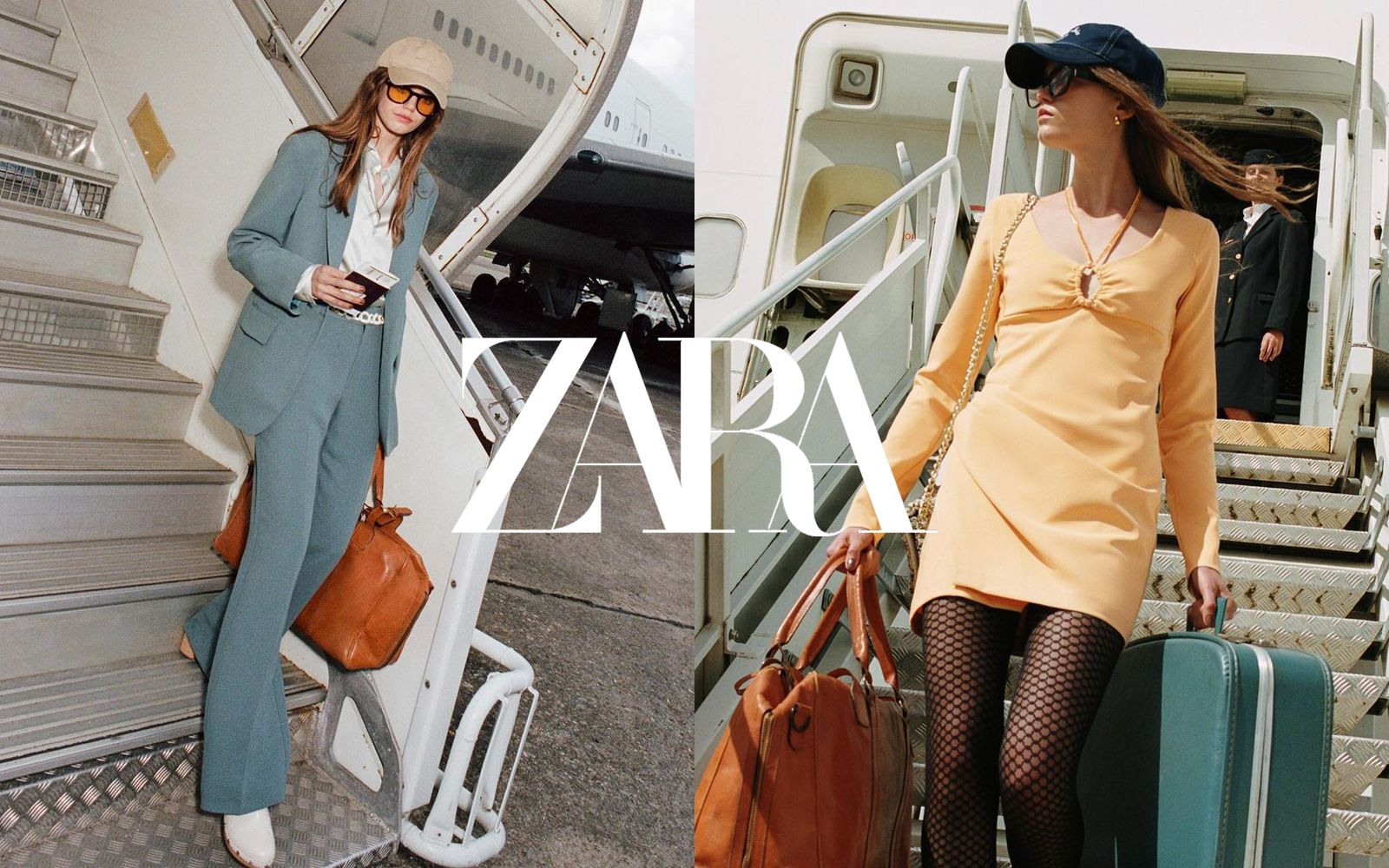
In 2011, parent company Inditex and flagship brand Zara solidified an operational playbook that fundamentally shifted the global fast-fashion landscape. By doubling down on real-time data integration, vertically integrated supply chains, zero-advertising models, limited-batch production, and rapid shop-floor feedback loops, Zara redefined how trend cycles operate, permanently altering consumer expectations and manufacturing economics across the apparel industry.
Introduction to Zara’s 2011 Operational Paradigm
To understand why 2011 stands out as a pivotal year in the history of retail, one must examine the intersection of digital supply chain maturity, changing consumer habits following the late-2000s financial recession, and Inditex’s aggressive global expansion strategy. Before 2011, the prevailing fast-fashion model relied on outsourcing large batches of production to low-cost factories several months in advance, leaving brands vulnerable to overstock, markdowns, and shifting trends.
In 2011, Zara demonstrated that speed and agility could entirely replace forecasting. Rather than guessing what shoppers would wear six months down the line, Zara manufactured small batches, monitored daily sales data via handheld devices in stores, and replenished or altered designs within a matter of weeks. This approach minimized unsold inventory, maximized perceived scarcity, and established a benchmark that legacy retailers and digital-first competitors alike have spent decades trying to replicate.
Below is a comparative breakdown of how Zara’s 2011 model contrasted with the traditional apparel manufacturing framework of that era.
| Operational Dimension | Traditional Apparel Model (Pre-2011 Era) | Zara’s 2011 Fast-Fashion Model |
|---|---|---|
| Design-to-Shelf Lead Time | 6 to 9 months | 2 to 4 weeks |
| Production Batch Sizes | Massive runs to lower per-unit manufacturing costs | Small, limited runs to test market demand and eliminate overstock |
| Inventory Turnover | Slow; heavy reliance on seasonal clearance sales and markdowns | Rapid; low inventory holding costs and minimal end-of-season discounting |
| Marketing Strategy | Heavy investment in traditional print, television, and billboard advertising | Minimal to zero conventional advertising; relying on prime real estate and store design |
| Data Feedback Loop | Delayed quarterly sales reports and post-season customer reviews | Real-time daily data feeds from store managers and point-of-sale systems |
1. Decentralized Real-Time Store Feedback and Data Integration
The foundation of Zara’s 2011 operational dominance rested on its unique approach to store-level data collection. While competitors waited for formal sell-through reports from regional distributors, Zara equipped its store managers with specialized handheld devices and digital tools to report daily customer preferences, unfulfilled requests, and immediate reactions to new displays directly to the design teams in Arteixo, Spain.
The Feedback Loop in Practice
Store managers were not merely retail supervisors; they acted as market researchers. If customers repeatedly asked for a specific shade of green or a particular cut of trousers that was missing from the racks, that qualitative feedback was synthesized alongside quantitative point-of-sale data every single day.
- Direct Communication Channels: Designers received immediate qualitative notes rather than generalized seasonal trends.
- Rapid Prototyping: Patterns were drafted and sampled within days based on verified consumer demand rather than speculative forecasting.
- Immediate Discontinuation: Designs that underperformed in the first week were pulled immediately, freeing manufacturing capacity for high-demand items.
By shortening the distance between consumer desire and design execution, Zara eliminated the lag that historically plagued the fashion industry. This real-time loop meant that 2011 collections could pivot mid-season to capture micro-trends born on the streets or at high-end runway shows.
2. Advanced Vertical Integration and Proximity Manufacturing
Many consumer misconceptions attribute fast fashion entirely to ultra-cheap overseas labor. However, Zara’s 2011 competitive advantage relied heavily on a sophisticated hybrid supply chain model anchored by proximity manufacturing. While basic garments were sourced from Asia to keep baseline costs low, trend-sensitive, high-fashion items were produced in-house or through a tight network of owned and contracted factories located in Spain, Portugal, Turkey, and North Africa.
Why Proximity Mattered in 2011
Proximity manufacturing allowed Inditex to retain total control over the manufacturing schedule. Because these factories were located close to the central distribution hub in Arteixo, finished garments could be shipped via truck or air freight to European stores within 24 to 48 hours, and to global stores within a matter of days.
- Capitalizing on Flexibility: Keeping factory capacity flexible meant Zara could leave a significant portion of its production uncommitted at the start of a season, reserving capacity to manufacture whatever was currently selling best.
- Reduced Transportation Bottlenecks: Shorter shipping routes insulated the brand from the maritime freight delays that frequently disrupted competitors relying entirely on distant Asian suppliers.
- Quality and IP Control: Owning fabric-cutting and dyeing facilities near headquarters ensured rapid turnaround on customized textiles and colors that matched emerging runway palettes instantly.
3. The Psychology of Artificial Scarcity and Limited-Batch Production
In 2011, the traditional retail playbook dictated that stores should be fully stocked with deep size runs of every item to prevent missing out on a sale. Zara inverted this philosophy by introducing intentional scarcity, a psychological driver that permanently altered consumer shopping behavior.
Transforming Store Traffic Patterns
By producing garments in strictly limited quantities, Zara created a sense of urgency among shoppers. Customers learned that if they saw an item they liked, they had to purchase it immediately because it would likely be gone during their next visit.
- Increased Visit Frequency: Traditional shoppers visited clothing stores once a month or seasonally. Zara shoppers returned weekly—or multiple times a week—just to see what new items had arrived.
- Elimination of Markdown Dependency: Because batches were small, items frequently sold out at full price. This protected profit margins and trained consumers to expect fewer massive clearance sales.
- The "Disposable" Perception Shift: While critics later pointed out the sustainability implications of rapid turnover, in 2011, the model successfully positioned trend-driven fashion as an accessible, high-velocity consumer good rather than a long-term investment.
4. The Zero-Advertising Model and Real Estate Investment
Long before direct-to-consumer digital brands popularized organic social media marketing, Zara pioneered a counter-intuitive marketing strategy: spending virtually nothing on traditional advertising. In 2011, while major apparel brands poured millions of dollars into glossy magazine spreads, television commercials, and celebrity endorsements, Inditex diverted those budgets directly into prime real estate.
Flagship Stores as Billboards
Zara treated its retail locations as its primary marketing medium. By securing high-visibility storefronts on the world’s most expensive shopping thoroughfares—such as Fifth Avenue in New York, Oxford Street in London, and the Champs-Élysées in Paris—the brand achieved organic visibility that traditional advertising could rarely match.
- Architectural Investment: Store interiors were designed to mimic luxury boutiques, featuring minimalist layouts, wide aisles, and sophisticated lighting that elevated the perception of the merchandise.
- Word-of-Mouth Momentum: The combination of low stock, frequent updates, and stunning store locations generated organic buzz among shoppers, effectively turning customers into brand advocates.
- Cost Efficiency: Avoiding costly media campaigns allowed the company to maintain competitive pricing while simultaneously funding its high-frequency logistics network.
5. Agile Logistics and Centralized Distribution Infrastructure
None of Zara’s design speed or manufacturing agility would have mattered without a world-class logistics backbone. By 2011, Inditex had perfected its highly automated distribution center in Arteixo, Spain, serving as the central nervous system for thousands of stores worldwide.
The Logistics Engine
Every garment produced—whether from a local European workshop or an overseas supplier—passed through this central hub, where advanced optical scanning and sorting systems processed hundreds of thousands of items per hour.
- Rigorous Scheduling: Shipments left the distribution center twice a week on strict, airline-like schedules, ensuring that store inventories were replenished with fresh stock on predictable days.
- Pre-priced and Tagged Merchandise: Garments arrived at stores already ironed, sensor-tagged, and priced, allowing floor staff to place items directly onto racks within hours of unboxing, minimizing labor overhead.
- Global Synchronization: Whether a store was located in Tokyo, Madrid, or New York, it received consistent, rapid deliveries tailored to its specific sales velocity and local climate needs.
Frequently Asked Questions
What made Zara’s 2011 business model different from competitors?
In 2011, Zara combined real-time store feedback, proximity manufacturing in Europe and North Africa, small-batch production, and a zero-advertising strategy. This allowed them to design, manufacture, and deliver new trends to stores in under four weeks, bypassing the long forecasting cycles used by traditional retailers.
Why did Zara rely on European manufacturing instead of outsourcing everything to Asia?
While Zara sourced basic, non-urgent garments from Asia to keep costs low, keeping trend-sensitive production close to its Spanish headquarters allowed the brand to react instantly to shifting trends mid-season. Proximity manufacturing reduced lead times from months to weeks and eliminated long shipping delays.
How did Zara’s inventory strategy affect consumer shopping habits?
By producing clothes in strictly limited batches and introducing new designs twice a week, Zara created artificial scarcity. This trained shoppers to visit stores much more frequently—weekly rather than monthly—and reduced the need for end-of-season clearance sales because items sold out at full price.
Did Zara spend money on traditional advertising in 2011?
No. Zara famously bypassed traditional television, print, and billboard advertising in 2011, investing those funds instead into securing high-profile real estate and designing luxury-mimicking flagship stores that acted as the brand's primary marketing tool.
What role did store managers play in Zara's fast-fashion success?
Store managers acted as frontline market researchers. Using handheld digital devices, they communicated daily customer preferences, unfulfilled product requests, and sales velocity directly to the design teams in Spain, driving the rapid creation of new apparel batches.
Strategic Recommendations for Modern Retailers
For contemporary apparel brands and retail executives examining the legacy of Zara’s 2011 operational framework, the core lesson is not merely about speed, but about responsiveness and inventory discipline. Organizations seeking to modernize their supply chains should focus on tightening the feedback loop between point-of-sale data and manufacturing execution, reducing reliance on speculative long-range forecasting, and maintaining flexible production buffers to capture micro-trends without accumulating excess stock.