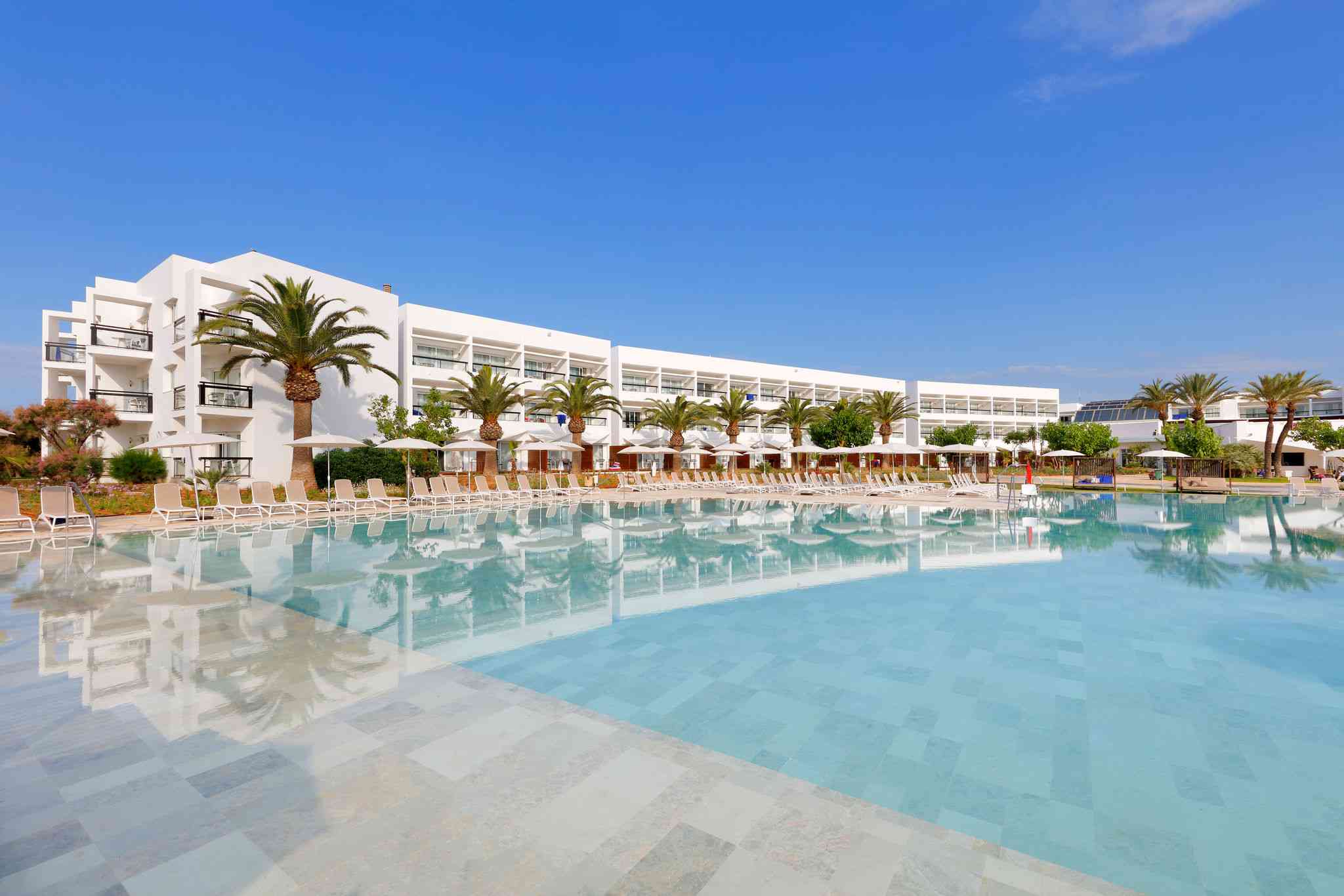
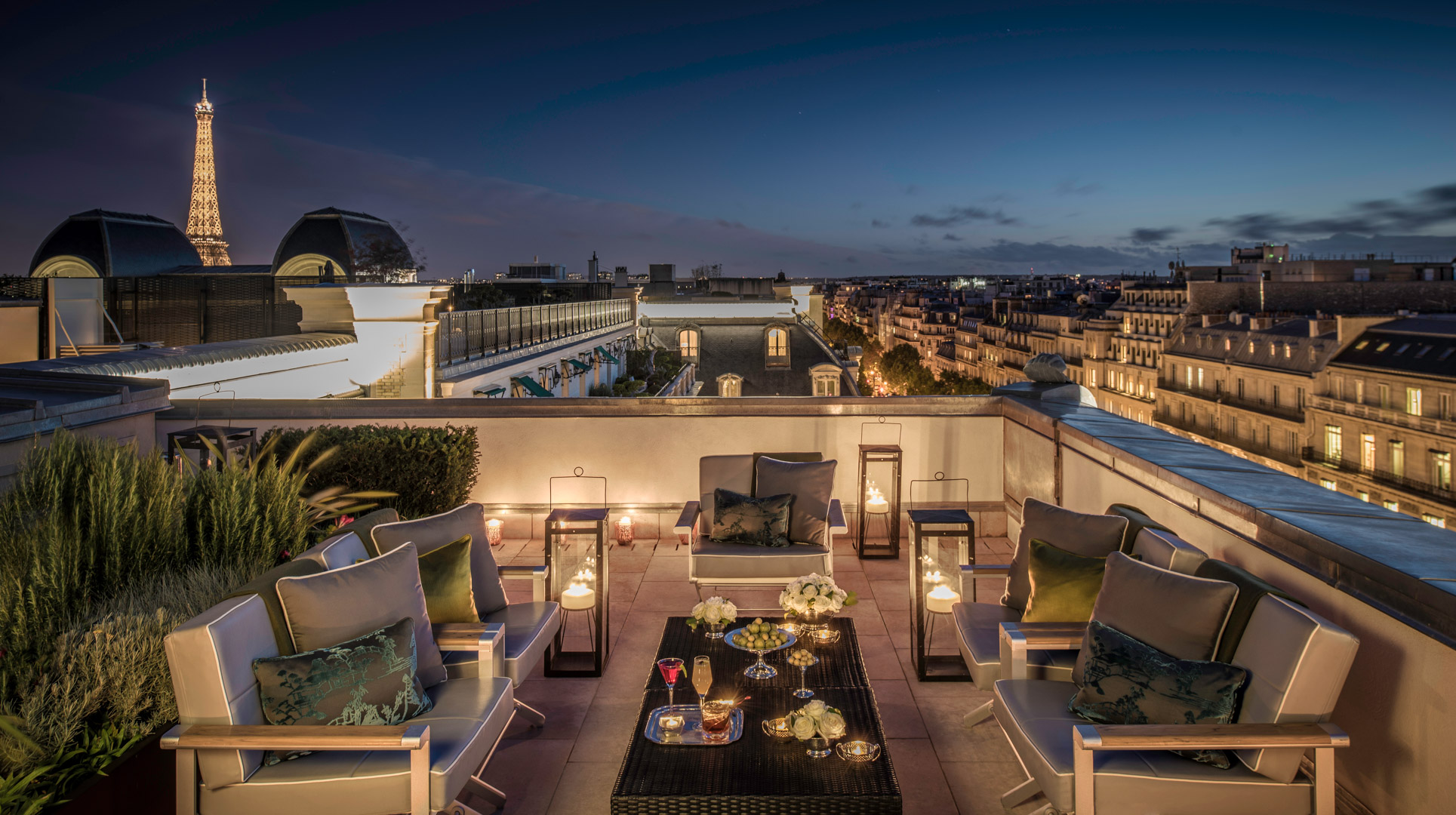
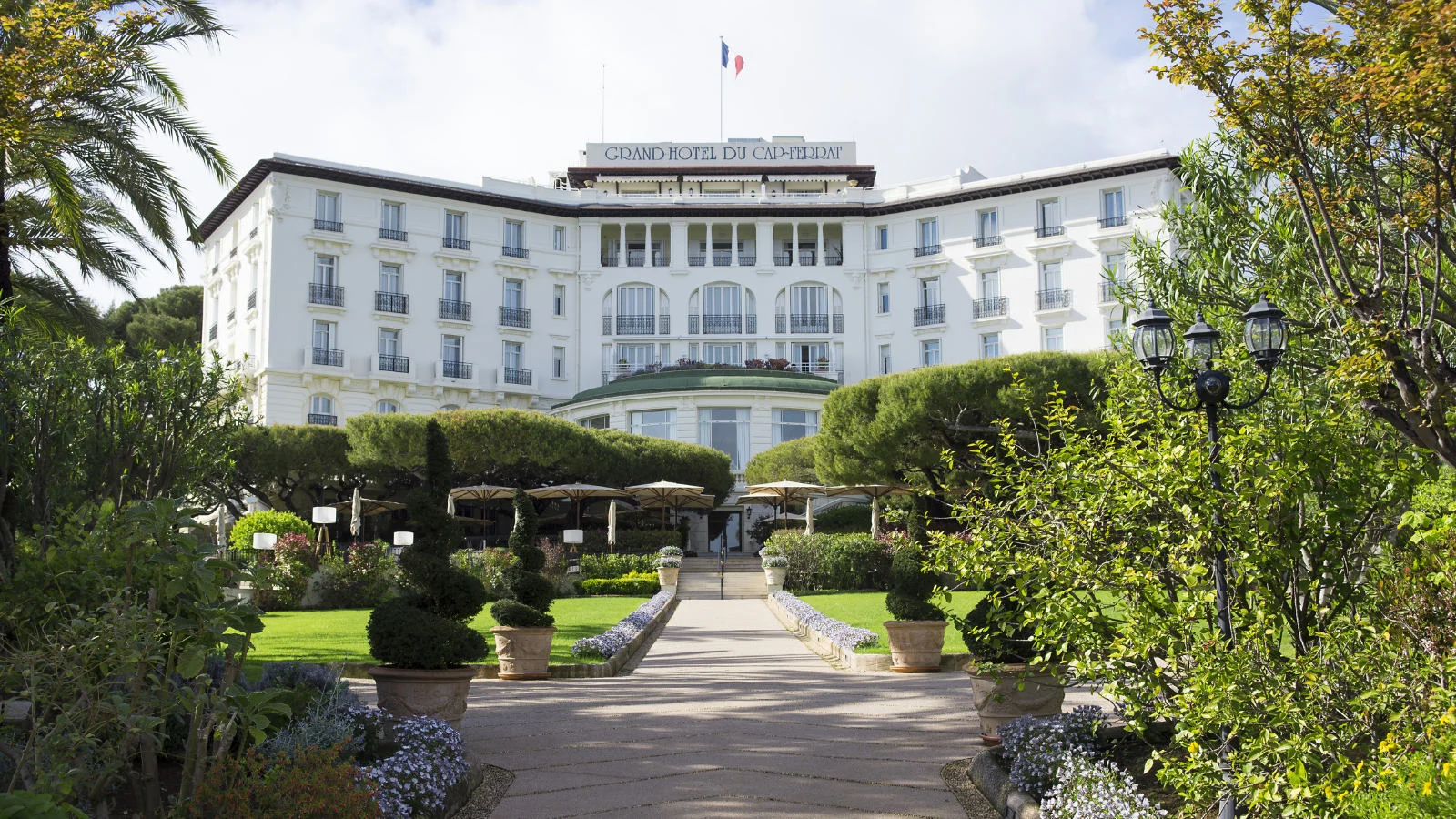
Europe’s five-star hotels represent the pinnacle of architectural heritage, bespoke hospitality, and uncompromising luxury, ranging from centuries-old grand palaces in Vienna and Paris to sleek, contemporary design retreats along the Mediterranean coastline. Selecting the right property requires understanding how official star-rating systems operate across different countries, evaluating historical authenticity versus modern amenities, and recognizing what distinct geographic regions offer discerning travelers.
Understanding the European 5-Star Hotel Standard
Unlike regions where hotel ratings are managed by independent travel guides or self-assessed, much of Europe utilizes structured, official evaluation frameworks. Travelers often wonder what distinguishes a four-star property from a true five-star establishment. The answer lies in a rigid checklist of physical dimensions, staff-to-guest ratios, and extensive service offerings mandated either by national governments or hospitality associations.
The Hotelstars Union and National Rating Systems
The Hotelstars Union (HSU) harmonizes hotel classifications across a large swathe of Central and Western Europe, including Germany, Austria, Switzerland, the Netherlands, Hungary, and Sweden, among others. Under this system, achieving a five-star rating requires meeting a baseline of points across multiple categories, followed by mandatory criteria that leave no room for compromise.
- Reception and Concierge: A five-star property under the HSU framework must feature a 24-hour manned reception desk, multilingual staff, a doorman or valeting service, and a dedicated concierge capable of arranging complex personal requests.
- Room Amenities: Minimum room sizes are strictly enforced (typically requiring significantly larger footprints for suites), alongside premium bedding, a pillow menu, high-definition entertainment systems, secure in-room safes, and individual climate control.
- Gastronomy: Breakfast must be available via a comprehensive buffet or full room service, accompanied by a high-end restaurant operating on-site for dinner, alongside a dedicated hotel bar or lounge area.
- Wellness and Leisure: Access to an indoor or outdoor swimming pool, a fully equipped fitness center, spa treatment rooms, and specialized staff offering cosmetic or massage services are mandatory prerequisites.
Countries outside the HSU network, such as France (regulated by Atout France), Italy, Spain, and the United Kingdom, maintain their own rigorous national standards. For example, France features an elite classification tier known as Palace (Distinction Palace), which sits above the traditional five-star rating, awarded only to establishments that possess exceptional historical, aesthetic, and cultural significance.
Key Criteria Breakdown
| Evaluation Category | 4-Star Standard | 5-Star Standard | 5-Star Superior (Where Applicable) |
|---|---|---|---|
| Minimum Room Size (Double) | ~16–18 m² | ~22–26 m² (Suites much larger) | Generous footprints with distinct living spaces |
| Staff-to-Guest Ratio | Moderate; standard front desk | High; dedicated concierge, valet, and butler options | Exceptional; personalized service and 24/7 butler availability |
| Dining Options | Restaurant and bar or breakfast room | Fine-dining restaurant, 24-hour room service, lounge | Multiple culinary venues, Michelin-starred partnerships |
| Wellness Facilities | Fitness room or small sauna area | Full spa, indoor/outdoor pool, treatment suites | Comprehensive wellness retreats, hydrotherapy, private cabins |
| Service Availability | 16-hour reception; luggage assistance | 24-hour reception, doorman, luggage service | 24-hour full-service staff, expedited express check-in/out |
Regional Characteristics of European Luxury Properties
The character of a five-star hotel in Europe is deeply tied to its geographic location. A grand hotel on the banks of Lake Geneva tells a vastly different story than a minimalist retreat tucked into the cliffs of the Amalfi Coast or a restored medieval castle in the Scottish Highlands.
Western Europe: Palaces, Grand Dames, and Historical Legacy
Capitals like London, Paris, and Vienna are home to the historic "Grand Dames"—hotels that have hosted royalty, artists, and heads of state for over a century. Properties such as The Ritz Paris or Claridge's in London do not merely offer accommodation; they serve as living museums of interior design, featuring Belle Époque architecture, hand-woven carpets, crystal chandeliers, and centuries-old art collections.
The primary challenge when booking these historic properties is balancing old-world charm with contemporary technical expectations. While top-tier heritage hotels undergo multi-million-dollar renovations to integrate silent climate control, high-speed fiber-optic connectivity, and state-of-the-art spa complexes, room layouts can occasionally reflect structural limitations of the 19th century, resulting in unique architectural quirks.
Southern Europe: Coastal Resorts, Palazzos, and Mediterranean Elegance
In Italy, Spain, Greece, and the southern coast of France, five-star luxury shifts toward leisure, outdoor living, and architectural integration with natural landscapes.
- Italy: Historic palazzos in Florence or Venice feature original frescoes and marble staircases, while coastal destinations like Lake Como and the Amalfi Coast emphasize terraced gardens, infinity pools cascading toward the water, and private boat docks.
- Spain: From the modernist luxury of Barcelona to secluded resort properties in Mallorca and Marbella, Spanish five-star hotels frequently blend contemporary architectural minimalism with vibrant local gastronomy.
- Greece: Luxury hospitality in the Aegean is defined by cliffside cave suites, private plunge pools, and uninterrupted views of the caldera in Santorini or secluded beach resorts in the Peloponnese.
Northern and Central Europe: Contemporary Design and Sustainable Luxury
In cities like Copenhagen, Stockholm, Zurich, and Berlin, five-star hospitality often leans heavily into Scandinavian minimalism, cutting-edge interior design, and rigorous environmental sustainability.
Rather than relying on gilded moldings and velvet drapes, these properties utilize natural light, sustainably sourced regional timber, acoustic engineering, and world-class contemporary art installations. Furthermore, many Northern European luxury hotels lead the industry in green certifications, implementing geothermal heating, zero-waste kitchens, and energy-efficient building operations without sacrificing guest comfort.
Common Mistakes to Avoid When Booking a 5-Star Hotel in Europe
Securing a five-star reservation in Europe requires careful scrutiny, as high pricing does not automatically guarantee adherence to standardized luxury metrics or personal preferences.
- Assuming Star Ratings are Globally Uniform: A five-star hotel in a developing tourism market can differ vastly in service execution and physical maintenance compared to a strict HSU-regulated property in Vienna or Zurich. Always research the specific national rating body or read recent independent reviews.
- Ignoring Room Category Nuances: Entry-level rooms in European historic hotels can occasionally be compact due to historical building constraints. Travelers requiring expansive spaces must explicitly book junior suites or executive suites rather than standard double rooms.
- Overlooking Seasonal Variations: Many luxury coastal resorts in Southern Europe operate seasonally (typically closing between November and April). Conversely, business-centric grand hotels in major financial hubs may experience fluctuating service dynamics or weekend rate drops depending on corporate travel calendars.
- Neglecting Fine Print on Ancillary Fees: High-end European properties frequently levy city taxes, resort fees, or mandatory breakfast surcharges that are not included in initial baseline booking quotes. Review the total cost breakdown prior to confirmation.
Choosing Between Historic Grandeur and Modern Minimalism
Travelers often face a decision between booking a historic heritage property or a modern design hotel. Each option caters to distinct travel styles.
- Seeking Historical Authenticity, Art, & Central Capitals?
- Choose: Historic Grand Dames (e.g., Paris, Vienna, London)
- Pros: Unmatched architecture, central locations, legendary service.
- Cons: Potential structural quirks, classic decor.
- Seeking Wellness, Clean Lines, & Natural Landscapes?
- Choose: Contemporary Design & Coastal Resorts (e.g., Alps, Mediterranean)
- Pros: Modern amenities, spacious layouts, integrated spa facilities.
- Cons: May lack central urban walkability.
Frequently Asked Questions
What does "5-Star Superior" mean in Europe?
The "Superior" designation is an official extension used in many European countries (particularly under the Hotelstars Union framework) to denote hotels that have accumulated significantly more points than the minimum threshold required for a five-star rating, often excelling in bespoke service, culinary offerings, or physical maintenance.
Do five-star hotels in Europe always include breakfast?
No. While breakfast availability is a mandatory prerequisite for five-star classification, it is rarely automatically included in the baseline room rate unless specifically stated as a bed-and-breakfast rate or part of a promotional package.
Are children welcome at ultra-luxury European hotels?
Yes, the vast majority of five-star European hotels welcome families and offer specialized services such as connecting rooms, babysitting, and tailored children's amenities. However, certain boutique properties or secluded wellness resorts may enforce adult-only policies during specific peak seasons.
How do I verify if a hotel's five-star rating is official?
Visitors can cross-reference hotel listings with official national tourism board registries, such as Atout France for France, the official portal of the Hotelstars Union for participating Central European nations, or VisitBritain for the United Kingdom.
What is the tipping etiquette in European five-star hotels?
Tipping practices in Europe differ from North America. While service charges are frequently included in restaurant and room bills, leaving a modest tip (e.g., €2 to €5 per bag for porters, €5 to €10 per day for housekeeping, or rounding up for concierges) is customary for exceptional service but not strictly mandatory.
Conclusion and Next Actions
Selecting a five-star hotel in Europe involves balancing geographical aspirations with a clear understanding of regional classification standards. To ensure an exceptional stay, define whether historic architecture or contemporary design aligns best with your travel goals, verify the property's official rating through recognized European tourism bodies, and carefully review room dimensions and seasonal operational dates before finalizing reservations.