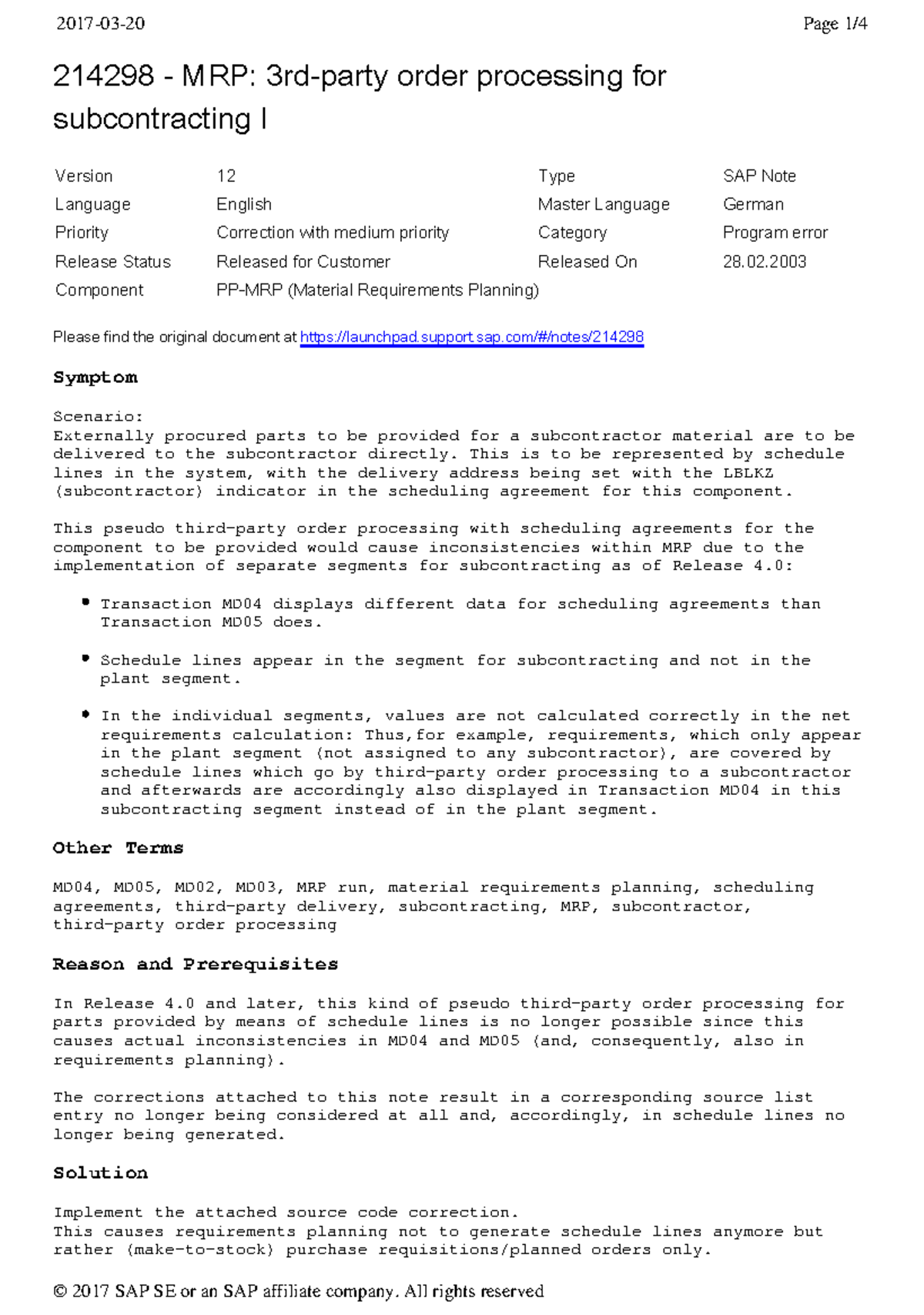
Third-party processing refers to the delegation of specific business operations, data handling, financial transactions, or manufacturing tasks to an external service provider rather than managing them entirely in-house. Organizations utilize these specialized external partners to scale efficiently, reduce capital overhead, and leverage advanced technical capabilities that might be cost-prohibitive to build internally. Whether dealing with payment transactions, cloud computing infrastructure, payroll execution, or data analytics, understanding the operational mechanics, security implications, and compliance frameworks of third-party processing is essential for modern enterprise management.
Defining 3rd Party Processing in Modern Business Infrastructure
At its core, third-party processing involves a tripartite relationship: the primary business entity, the end-user or customer, and the external vendor executing the designated workflow. As markets become increasingly interconnected and specialized, organizations rarely operate as closed, self-sustaining ecosystems. Instead, they rely on a web of specialized vendors to handle non-core or highly regulated functions.
In the financial sector, third-party payment processors facilitate credit card and electronic transactions between merchants and banking institutions. In information technology, third-party cloud infrastructure providers handle data storage, processing, and application hosting. In human resources, external vendors manage payroll, benefits administration, and background checks.
The primary driver for adopting third-party processing is operational efficiency. Building secure, globally compliant payment gateways, massive data centers, or intricate tax-calculation engines requires massive capital expenditure and continuous engineering maintenance. By outsourcing these functions to dedicated providers, businesses can focus their internal resources on product development, market strategy, and customer relationship management. However, this delegation introduces unique operational dependencies that require careful governance, robust service-level agreements (SLAs), and continuous oversight.
Core Categories of Third-Party Processing Services
External processing services span nearly every modern industry, each characterized by specific technical requirements, regulatory frameworks, and risk profiles. Examining these categories reveals how deeply integrated third-party systems are in daily commercial operations.
Financial and Payment Processing
Payment processing is perhaps the most visible form of third-party processing for consumers. When a customer enters their credit card details on an e-commerce website, the transaction data is routed through a third-party payment gateway and processor. These entities handle authorization, fraud detection, currency conversion, and settlement between the merchant’s acquiring bank and the customer’s issuing bank. Because money and sensitive financial data are in constant motion, these processors must adhere to rigorous security standards such as the Payment Card Industry Data Security Standard (PCI-DSS).
Information Technology and Cloud Computing
IT infrastructure outsourcing allows organizations to rent computing power, storage, and networking capabilities rather than purchasing physical hardware. Companies like Amazon Web Services (AWS), Microsoft Azure, and Google Cloud Platform act as third-party processors for vast amounts of enterprise and consumer data. This category also encompasses Software-as-a-Service (SaaS) platforms that process customer relationship management (CRM) data, enterprise resource planning (ERP) workflows, and automated marketing campaigns.
Human Resources and Payroll Processing
Payroll and benefits administration involve complex regulatory compliance, including tax withholding, social security contributions, and labor laws. Many organizations utilize third-party processors like ADP or Gusto to calculate wages, distribute direct deposits, file quarterly tax reports, and manage health insurance enrollments. This minimizes the risk of human error and legal penalties associated with shifting tax codes.
Supply Chain and Manufacturing Outsourcing
In physical industries, third-party processing often involves contract manufacturing, assembly, and logistics management. Companies design products in-house but partner with specialized third-party facilities to produce, package, and ship goods. This model allows brands to scale production up or down rapidly without tying up capital in factory real estate and heavy machinery.
| Processing Category | Primary Function | Key Regulatory Frameworks | Common Operational Risks |
|---|---|---|---|
| Financial/Payments | Authorization and settlement of monetary transactions | PCI-DSS, PSD2, GLBA | Transaction fraud, gateway downtime, chargeback disputes |
| Cloud/IT Infrastructure | Data storage, compute power, application hosting | SOC 2, ISO/IEC 27001, GDPR | Data breaches, service outages, vendor lock-in |
| HR & Payroll | Wage calculation, tax withholding, benefits administration | IRS regulations, FLSA, HIPAA | Payroll calculation errors, data privacy violations |
| Supply Chain | Manufacturing, fulfillment, logistics | OSHA, EPA, ISO 9001 | Quality control defects, supply chain disruption |
Risk Management and Security Considerations
Delegating operational workflows to external entities inherently alters an organization's risk profile. When a business transfers data or operational duties to a third party, it does not transfer the ultimate legal and reputational accountability for that process. Therefore, comprehensive vendor risk management (VRM) is a critical component of any third-party processing strategy.
Data Privacy and Security Vulnerabilities
Every third-party integration represents a potential entry point for malicious actors, frequently referred to as a supply chain attack. If a vendor maintains lax cybersecurity protocols, unauthorized parties can exploit vulnerabilities to access interconnected enterprise networks. Organizations must evaluate whether potential partners encrypt data both in transit and at rest, utilize multi-factor authentication, and conduct regular penetration testing.
Regulatory Compliance and Legal Liability
Regulatory bodies worldwide impose strict requirements on how organizations handle consumer and financial data. Frameworks such as the European Union's General Data Protection Regulation (GDPR) and the California Consumer Privacy Act (CCPA) hold data controllers legally responsible for the actions of their data processors. If a third-party processor experiences a data leak due to negligence, the primary business can face severe financial penalties and legal action from affected consumers.
Operational Dependency and Business Continuity
Relying heavily on external processors creates operational vulnerabilities. If a third-party payment gateway experiences an extended outage, a merchant cannot process customer sales, resulting in immediate revenue loss and reputational damage. Robust third-party processing agreements must include detailed business continuity plans, disaster recovery protocols, and clearly defined uptime guarantees backed by financial penalties for non-compliance.
Evaluation and Selection Criteria for Third-Party Processors
Selecting the right external partner requires a rigorous vetting process that extends far beyond evaluating the cost of services. Organizations must implement a structured framework to assess prospective vendors across technical, financial, and operational dimensions.
- Security Posture and Certifications: Request independent audit reports, such as Service Organization Control (SOC 2) Type II reports, ISO/IEC 27001 certifications, and relevant industry-specific compliance documentation.
- Financial Stability and Longevity: Review the vendor's financial health to ensure they have the operational longevity to support long-term business agreements without sudden bankruptcy or restructuring risks.
- Scalability and Performance Metrics: Analyze the vendor's historical uptime records, processing speed, and capacity to handle traffic surges during peak commercial periods, such as seasonal retail holidays.
- Integration Complexity and Documentation: Examine the quality of the vendor's Application Programming Interfaces (APIs), software development kits (SDKs), and technical documentation to estimate the internal engineering hours required for implementation.
- Customer Support and SLA Guarantees: Evaluate the responsiveness and availability of the vendor's technical support teams, ensuring that critical incidents receive immediate escalation pathways.
Implementation Workflow and Integration Steps
Integrating a third-party processor into an existing enterprise architecture requires a methodical approach to minimize disruption to ongoing operations.
- Vendor Discovery & Vetting
- Security & Legal Audit
- Sandbox Integration & Testing
- Staged Production Rollout
- Continuous Monitoring
1. Discovery and Vetting
Define the precise business requirements, budget constraints, and technical specifications needed for the project. Shortlist potential vendors that match these criteria and request comprehensive proposals and pricing structures.
2. Legal and Security Audit
Engage legal and compliance teams to review Service Level Agreements (SLAs), Data Processing Agreements (DPAs), and Master Services Agreements (MSAs). Ensure liability clauses, data ownership rights, and exit strategies are clearly delineated.
3. Sandbox Testing and Development
Utilize vendor-provided developer sandboxes and test environments to integrate APIs, configure data pipelines, and run rigorous unit and integration tests. This phase identifies friction points and compatibility issues before live deployment.
4. Phased Production Rollout
Execute a controlled rollout, directing a small percentage of live traffic or operational volume through the new third-party processor. Monitor performance metrics closely for latency spikes, error rates, or data synchronization failures.
5. Continuous Oversight
Establish ongoing monitoring protocols, quarterly vendor reviews, and annual compliance audits to ensure the third-party processor maintains agreed-upon performance and security standards over time.
Frequently Asked Questions
What is the difference between a data controller and a data processor?
A data controller is the entity that determines the purposes and means of processing personal data, while a data processor is an external entity that processes data on behalf of the controller. Under privacy laws like GDPR, controllers retain primary legal responsibility for ensuring that processors comply with data protection standards.
How do businesses protect themselves against third-party data breaches?
Organizations protect themselves by implementing rigorous vendor risk assessments, mandating cryptographic encryption for all data shared with external parties, continuously monitoring vendor access permissions, and establishing clear indemnity clauses within legal contracts to assign financial responsibility in the event of a breach.
What should be included in a Service Level Agreement (SLA) with a processor?
An effective SLA should specify guaranteed system uptime percentages (e.g., 99.99%), maximum allowable response times for technical support requests, scheduled maintenance windows, procedures for disaster recovery, and financial remedies or service credits if the vendor fails to meet performance benchmarks.
Can a company be held liable for the compliance failures of its third-party processor?
Yes. Regulatory bodies and industry standards frequently hold primary organizations legally accountable for regulatory breaches committed by their contracted vendors, making comprehensive pre-selection vetting and continuous compliance monitoring a mandatory business practice.
What is a SOC 2 report, and why is it important when choosing a processor?
A SOC 2 (Service Organization Control 2) report is an auditing procedure developed by the American Institute of CPAs (AICPA) that evaluates a service provider's non-financial reporting controls relevant to security, availability, processing integrity, confidentiality, and privacy. Reviewing a SOC 2 report gives organizations verifiable proof of a vendor's security posture.
Conclusion and Next Actions
Third-party processing is a foundational element of modern scalable enterprise operations, enabling businesses to leverage specialized expertise, accelerate time-to-market, and reduce internal capital expenditures. However, outsourcing critical functions introduces notable operational, security, and compliance risks that require structured oversight. To optimize this relationship, organizations should begin by conducting a comprehensive audit of all existing external vendors, verifying their current compliance certifications, reviewing active SLAs, and establishing a centralized vendor risk management framework to safeguard organizational data and maintain operational resilience.