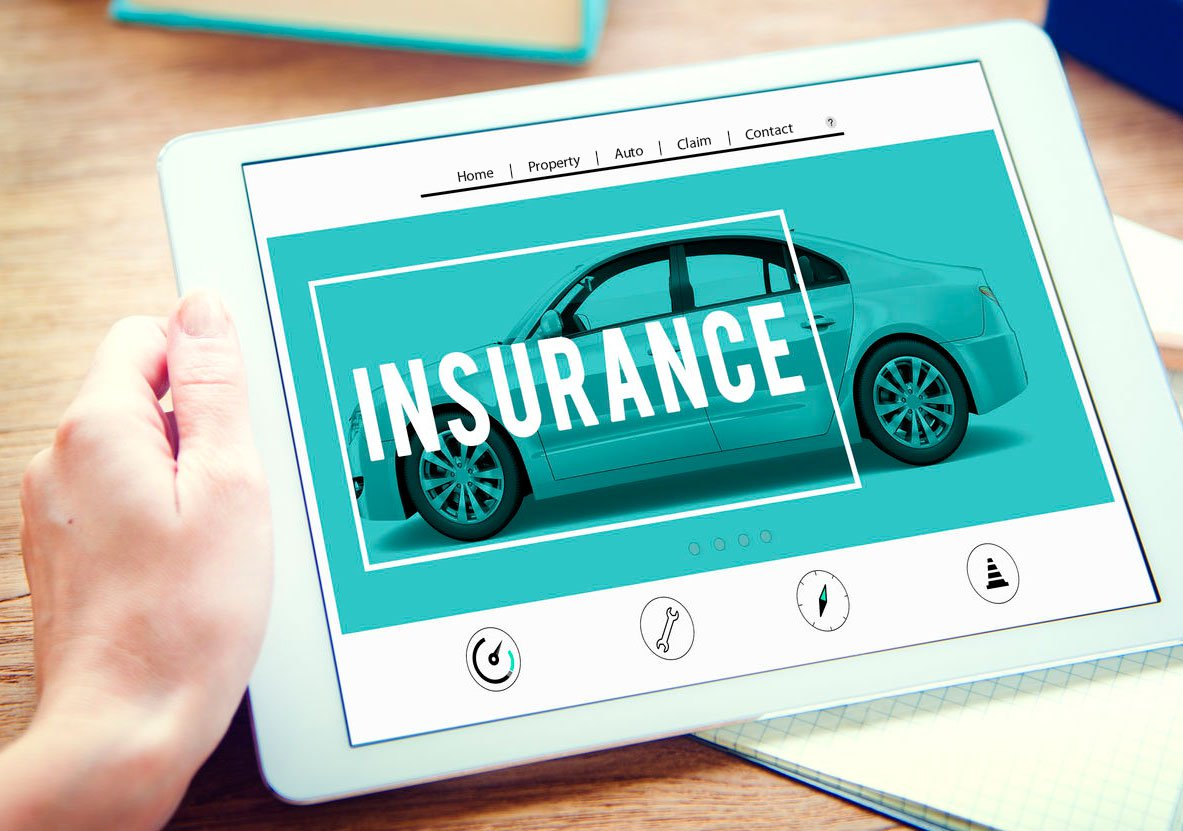
Applying for auto insurance online allows drivers to compare multiple quotes, customize coverage limits, and purchase a policy directly from a desktop or mobile device. By systematically gathering necessary documentation, evaluating coverage needs, and comparing quotes across top carriers, drivers can secure comprehensive protection while minimizing annual premium costs.
Navigating the digital marketplace for motor vehicle coverage requires a structured approach to ensure you do not miss critical discounts or purchase inadequate protection. While traditional agents once handled every policy application, modern web-based portals give consumers direct control over their deductible choices, liability limits, and optional endorsements. However, the sheer volume of choices can lead to confusion if you approach the process without a clear plan. Executing a streamlined, three-step method helps you avoid common pitfalls like underinsurance or paying for unnecessary add-ons, ensuring you find the right balance of price and security.
Step 1: Gather Documentation and Define Your Coverage Needs
Before navigating to insurer websites or comparison engines, compile all necessary personal and vehicular data. Having these details ready prevents application timeouts and ensures that the quotes you receive are accurate from the start. Estimates generated without exact data often change significantly once the underwriting process officially begins.
Essential Information to Prepare
- Driver's License Numbers: For all drivers listed on the household policy, along with their dates of birth and employment details.
- Vehicle Identification Numbers (VINs): Located on your current vehicle registration, insurance card, or the driver’s side dashboard. If you are shopping for a car you have not yet purchased, note the exact year, make, model, and trim.
- Driving History: A record of any accidents, moving violations, or claims filed within the past three to five years (typically spanning 36 to 60 months depending on state regulations and carrier rules).
- Current Insurance Declarations Page: Useful for matching your current liability limits and understanding your existing deductible structures so you can make an apples-to-apples comparison.
Understanding Core Coverage Components
Applying online requires you to select your own limits and deductibles rather than relying on an agent's default choices. Familiarize yourself with the primary coverage types:
- Liability Coverage: Pays for bodily injury and property damage you cause to others. It is legally mandated in nearly all jurisdictions, though minimum required limits are often too low to protect your personal assets after a major accident.
- Collision Coverage: Pays for damage to your own vehicle resulting from a collision with another car or object, regardless of fault.
- Comprehensive Coverage: Protects against non-collision events, such as theft, vandalism, fire, animal strikes, or weather-related damage (e.g., hail or falling tree branches).
- Uninsured/Underinsured Motorist (UM/UIM): Protects you if you are hit by a driver who carries no insurance or lacks adequate limits to cover medical and repair bills.
Step 2: Compare Quotes Using Digital Tools and Direct Carriers
Once your data is organized, you can begin the process of shopping for quotes. Relying on a single insurance company's website limits your perspective. The most effective digital strategy involves utilizing both independent multi-carrier comparison tools and direct-to-consumer insurance portals.
Multi-Carrier Comparison Engines vs. Direct Portals
Comparison websites allow you to input your information once and view estimated rates from multiple regional and national insurers simultaneously. This approach saves significant time. However, some specialized direct writers (companies that sell exclusively through their own proprietary websites) do not participate in third-party aggregator networks. To secure the absolute best rate, visit one or two major comparison platforms, and then run a separate quote directly on the website of a major direct writer.
Leveraging Discounts During the Digital Application
Online platforms often feature interactive check-boxes for various discounts. Ensure you account for all available savings opportunities during the quote configuration stage:
- Bundling Discounts: Combining your auto insurance with renters, homeowners, or umbrella insurance through the same carrier.
- Telematics and Usage-Based Programs: Opting into a mobile app or plug-in device that tracks your driving habits (speed, braking, phone usage, and mileage) in exchange for an immediate participation discount and potential renewal savings.
- Paperless and Pay-in-Full Discounts: Enrolling in automatic monthly deductions (EFT) and receiving documents electronically, or paying your six-month or annual premium in one lump sum.
- Safety Feature Credits: Designating anti-theft systems, passive restraint systems, anti-lock brakes, and advanced driver-assistance systems (ADAS).
| Coverage Type | What It Protects | Recommended Baseline |
|---|---|---|
| Bodily Injury Liability | Medical expenses and legal fees for others when you cause an accident. | $100,000 per person / $300,000 per accident |
| Property Damage Liability | Repair or replacement costs for other vehicles or property you damage. | $50,000 to $100,000 per accident |
| Comprehensive & Collision | Damage to your own vehicle from crashes, weather, theft, or animals. | Selected based on vehicle value (drop if car value is very low) |
| Uninsured Motorist | Your medical bills and repairs if hit by an uninsured driver. | Match your bodily injury liability limits |
Step 3: Finalize, Verify, and Secure Policy Binding
The final step transforms your online quote into an active, binding insurance contract. Do not rush through the final screens; an error in your name, mileage estimation, or garaging address can lead to delayed policy issuance or retroactive premium adjustments after underwriting review.
Reviewing the Final Declarations Page
Before submitting your credit card or banking information for the initial payment, carefully review the electronic summary or draft declarations page. Check the following items for absolute accuracy:
- Garaging Address: Ensure your primary zip code matches where the vehicle is parked overnight, as regional risk profiles dictate base rates.
- Annual Mileage Estimates: Verify that the estimated annual miles driven align with your actual commute and lifestyle. Overestimating can raise your rate unnecessarily, while severe underestimation can trigger underwriting scrutiny.
- Lienholder Information: If you finance or lease your vehicle, ensure the financial institution's correct clause and address are listed as the loss payee.
Completing Payment and Printing Digital Proof
After submitting payment, the portal will generate immediate proof of insurance. Download the digital insurance card to your smartphone wallet, print a physical copy for your glove compartment, and check your email inbox for the full policy packet. State motor vehicle departments and law enforcement agencies accept digital verification in most jurisdictions, but keeping a physical backup ensures compliance in areas with poor cellular coverage or specific regulatory traditions.
Frequently Asked Questions
Can I buy auto insurance online and drive immediately?
Yes. Once you complete the online application, pass any required verification checks, and make your initial down payment, the system will issue a binder and digital insurance card that takes effect immediately or at a specific future date and time you select.
Do online auto insurance quotes change after I purchase the policy?
Quotes are estimates based on self-reported data. After you purchase the policy, the insurer runs a formal motor vehicle report, claims history check (such as CLUE reports), and credit-based insurance score (where permitted by state law). If these records reveal discrepancies from what you entered, your final premium may adjust upward or downward.
Is it safe to enter my Social Security number on insurance websites?
Legitimate, licensed insurance carriers and reputable comparison sites use encrypted connections (HTTPS) and advanced data security protocols to protect sensitive personal identifiers. Providing your Social Security number is standard practice because insurers use it to pull your official driving and claims history accurately.
What should I do if my current auto insurance company raises my rates?
If your rates increase at renewal without an at-fault accident or ticket, it is often due to macroeconomic trends, regional repair cost inflation, or risk pool adjustments. Use the three-step digital application process to shop alternative carriers and see if you can secure comparable coverage at a more competitive price elsewhere.