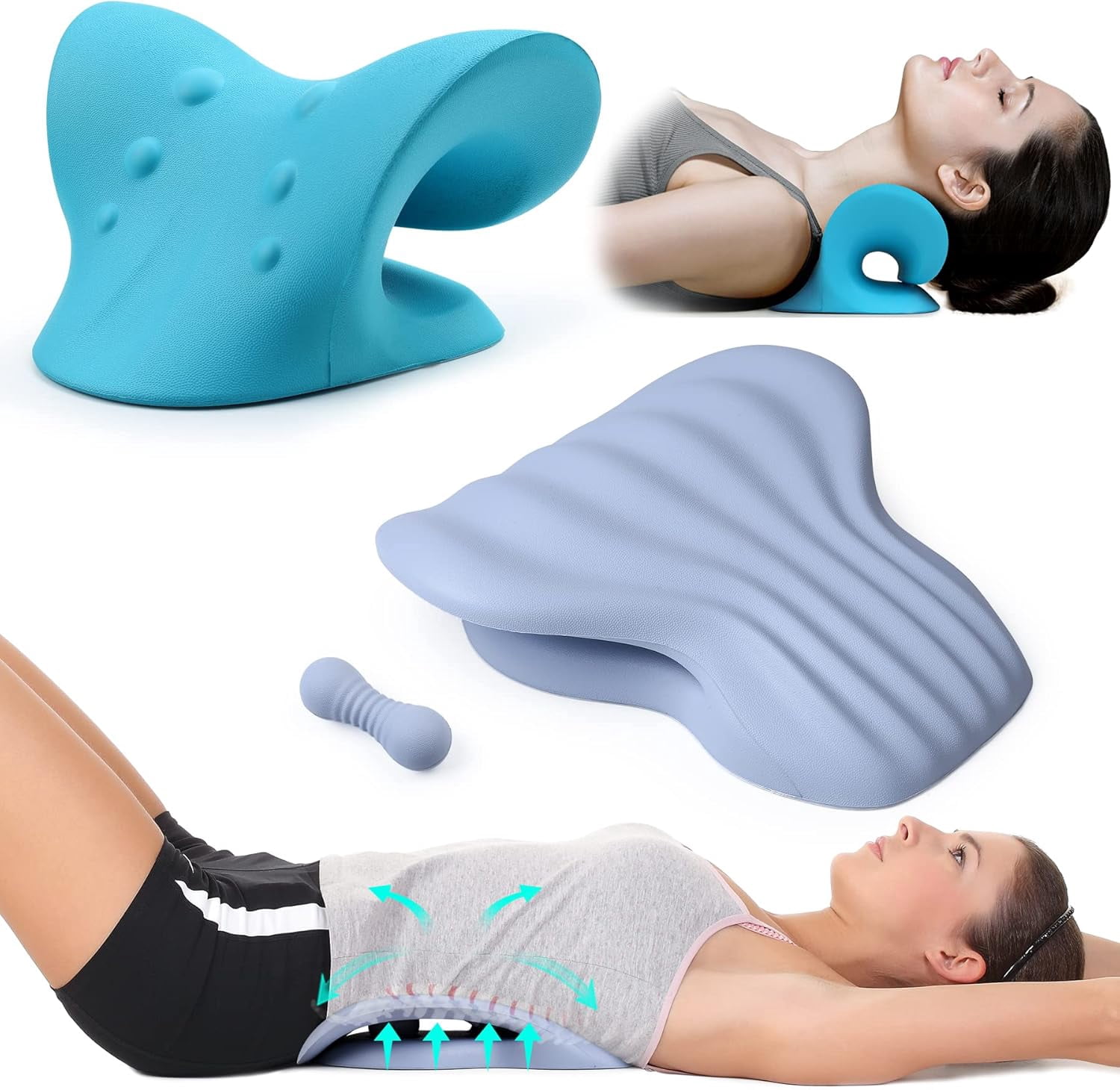
The three most effective neck devices for pain relief in 2026 are cervical traction collars, transcutaneous electrical nerve stimulation (TENS) units, and heated shiatsu neck massagers. These tools address different types of cervical distress, ranging from compressed spinal discs and nerve impingement to chronic muscle stiffness and "tech neck" symptoms.
Neck pain has become a near-universal challenge in 2026, largely driven by the cumulative effects of digital device usage and sedentary professional environments. While manual therapy remains a gold standard, at-home medical devices offer a necessary bridge for daily management and long-term rehabilitation. Selecting the right device requires understanding the underlying cause of your discomfort—whether it is mechanical, neurological, or muscular.
1. Cervical Traction Devices (Inflatable and Over-the-Door)
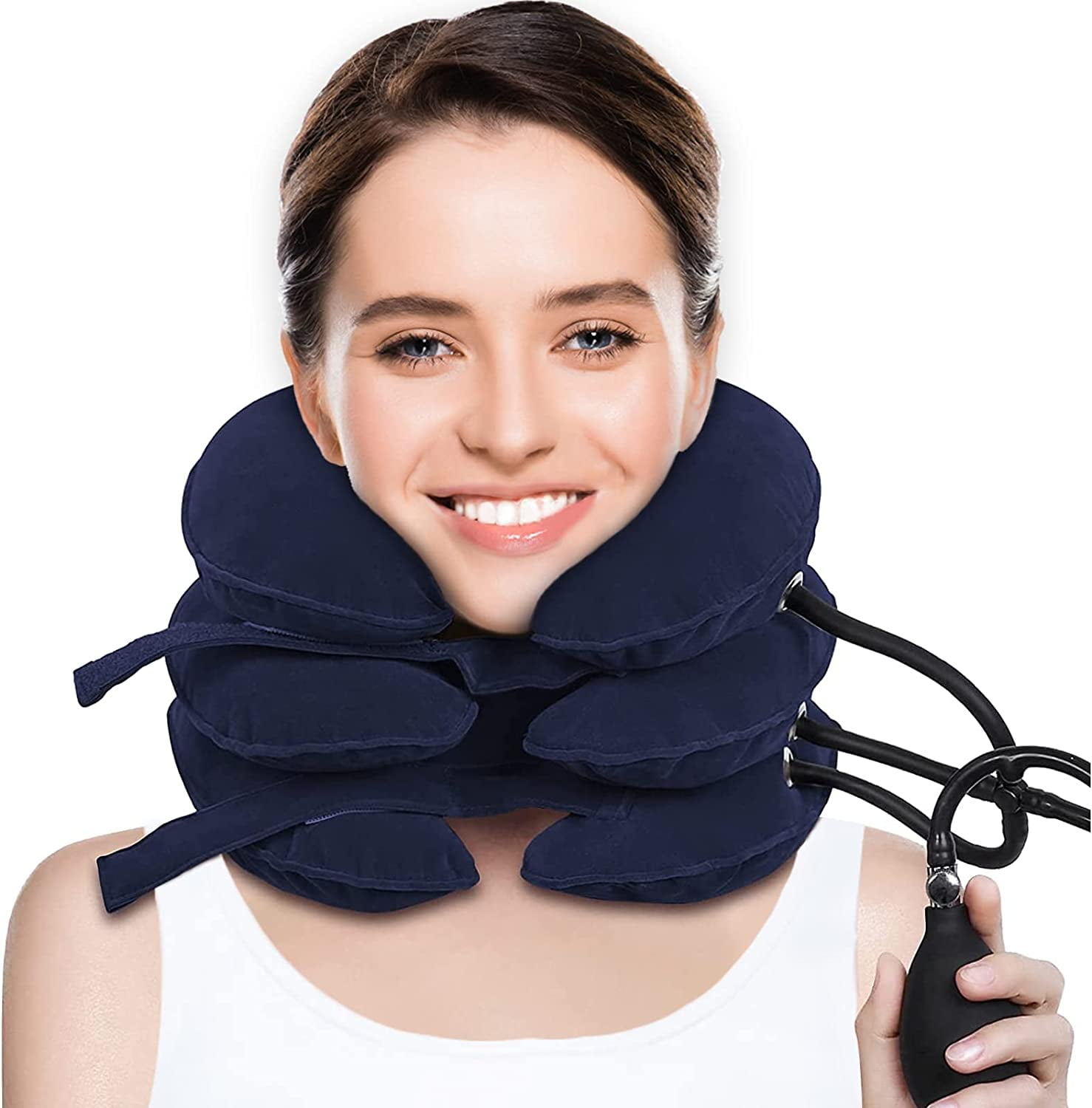
Cervical traction is a therapeutic method that involves stretching the neck to create space between the vertebrae. In 2026, inflatable traction collars have become the preferred choice for home use due to their portability and user-controlled intensity. These devices consist of an inflatable "pillowed" collar that wraps around the neck and is gradually pressurized using a hand pump.
The Mechanism of Decompression
The primary goal of a cervical traction device is to counteract gravity. The human head weighs approximately 10 to 12 pounds; however, when tilted forward at a 45-degree angle—a common posture for smartphone users—the effective weight on the cervical spine increases to nearly 50 pounds. This chronic loading leads to disc compression and reduced blood flow.
By applying upward pressure against the jawline and the base of the skull, these devices gently elongate the spine. This elongation creates a vacuum effect within the intervertebral discs, often referred to as intradiscal pressure reduction. This process can help retracted herniated or bulging discs, moving them away from sensitive nerve roots.
Clinical Indications and Benefits
Traction is particularly effective for individuals suffering from cervical radiculopathy, which manifests as radiating pain, tingling, or numbness traveling down the arms. It is also highly beneficial for:
- Degenerative Disc Disease: By increasing the space between vertebrae, it reduces the bone-on-bone friction that causes inflammation.
- Cervical Spondylosis: It helps alleviate the stiffness associated with age-related wear and tear of the spinal disks.
- Nerve Entrapment: Relieving pressure on the pinched nerves often provides immediate, albeit temporary, relief from acute "shooting" pains.
Operational Precautions
While effective, traction devices must be used with caution. Over-inflation can lead to jaw pain (TMJ issues) or lightheadedness if the carotid arteries are compressed. Most physical therapists recommend starting with short sessions of 5 to 10 minutes at low pressure, gradually increasing as the neck muscles habituate to the stretch.
2. Transcutaneous Electrical Nerve Stimulation (TENS) Units
TENS technology has evolved significantly by 2026, moving from bulky, wired boxes to sleek, wearable "smart" patches specifically contoured for the cervical spine. A TENS unit works by delivering low-voltage electrical currents through electrodes placed on the skin.
The Gate Control Theory of Pain
The efficacy of TENS units is rooted in the Gate Control Theory. This neurological concept suggests that the spinal cord contains a neurological "gate" that either blocks pain signals or allows them to continue to the brain. The electrical pulses from a TENS device stimulate non-pain-carrying nerve fibers. These signals reach the brain faster than the slower pain signals from injured tissues, effectively "closing the gate" and preventing the brain from registering the pain.
Furthermore, TENS units stimulate the production of endorphins, the body’s natural painkillers. By operating at specific frequencies (usually between 10Hz and 150Hz), these devices provide a non-pharmacological alternative to analgesics.
EMS vs. TENS Disambiguation
It is important to distinguish TENS from Electronic Muscle Stimulation (EMS). While TENS targets the nerves to block pain, EMS targets the muscle fibers to cause contraction. Many modern neck devices in 2026 offer "dual-mode" functionality. For neck pain relief, the TENS setting is typically used for sharp, nerve-related pain, while the EMS setting is used to rehabilitate weakened neck muscles or break up stubborn muscle knots.
Suitability and Limitations
TENS is an excellent choice for chronic pain management and post-operative recovery (under medical supervision). However, it does not "fix" the structural cause of the pain; it manages the symptom. It is strictly contraindicated for individuals with pacemakers, implanted defibrillators, or those who are pregnant, as the electrical currents can interfere with medical electronics or fetal development.
3. Heated Shiatsu Neck Massagers
For those whose neck pain is primarily muscular—stemming from stress, tension, or exercise fatigue—the heated shiatsu massager remains the most effective tool. These devices utilize rotating nodes that mimic the "kneading" and "rolling" motions of a professional massage therapist's hands.
Deep Tissue Manipulation and Myofascial Release
The "nodes" in a shiatsu massager are designed to target the suboccipital muscles and the trapezius, where most tension-based neck pain originates. By applying direct pressure to "trigger points" or myofascial knots, the device helps to break up adhesions in the muscle tissue. This increases local blood circulation, which flushes out lactic acid and brings oxygenated blood to the area to facilitate healing.
The Role of Thermotherapy
In 2026, advanced massagers incorporate far-infrared heat. Unlike standard heating pads, infrared heat penetrates deeper into the muscle layers (up to 3-4 cm). Heat serves several functions:
- Vasodilation: It widens the blood vessels, significantly improving nutrient delivery to damaged tissues.
- Increased Elasticity: It makes the collagen fibers in tendons and ligaments more pliable, which increases the range of motion.
- Sensory Soothing: Heat has a sedative effect on the sensory nerve endings, reducing the overall perception of soreness.
Ergonomics and Design
Modern 2026 models often feature a "U-shape" design with arm loops. These loops allow the user to pull down on the device, manually adjusting the intensity of the massage nodes against the neck. This "manual-active" interface is crucial because the pressure required for the upper neck (near the skull) is significantly different from the pressure needed for the tops of the shoulders.
Comparison of Top Neck Pain Relief Devices
The following table compares the primary functions, best use cases, and typical price points for these devices in 2026.
| Device Category | Primary Mechanism | Best For | Portability | Price Range (2026 USD) |
|---|---|---|---|---|
| Cervical Traction | Mechanical Decompression | Pinched nerves, herniated discs, spinal stenosis | Moderate | $50 – $150 |
| TENS Unit | Electrical Nerve Block | Chronic nerve pain, post-injury recovery | High | $40 – $120 |
| Shiatsu Massager | Mechanical Kneading + Heat | Muscle knots, tension headaches, stress | Low (Home use) | $60 – $200 |
Safety Considerations and Professional Guidance
While these devices are generally safe for over-the-counter use, they are medical tools and should be treated with appropriate caution. Before integrating any of these devices into a daily routine, it is essential to confirm that your neck pain is not a symptom of a more serious underlying condition.
When to Consult a Doctor
You should seek professional medical advice before using a neck device if you experience:
- Sudden, unexplained weight loss accompanied by neck pain.
- Pain resulting from a high-impact trauma (such as a car accident or fall).
- Severe loss of bladder or bowel control.
- Persistent fever or chills.
- Pain that worsens significantly at night or when lying down.
General Usage Guidelines
- Consistency over Intensity: For both traction and TENS, frequent short sessions (15 minutes, twice daily) are usually more effective than one long, high-intensity session.
- Skin Integrity: Always check the skin for irritation or burns after using TENS or heated massagers.
- Hydration: Deep tissue massage releases metabolic waste from the muscles. Drinking water after use helps the kidneys process these byproducts.
How to Choose the Right Device for Your Needs
Selecting the "best" device is subjective and depends entirely on the nature of your pain.
- If your pain is structural (Nerves/Bones): If you feel sharp, electric-like shocks or have been diagnosed with a bulging disc, the Cervical Traction Device is likely the most effective choice. It addresses the physical spacing of the vertebrae.
- If your pain is chronic and persistent: For those who live with constant aching that makes daily tasks difficult, a TENS Unit provides the best "on-the-go" pain management by interrupting the pain signals to the brain.
- If your pain is stress-related (Muscles): For the "stiff neck" that comes from sitting at a desk all day, the Heated Shiatsu Massager offers the most immediate comfort and relaxation.
In many cases, a multimodal approach is most effective. For example, using a traction device to decompress the spine followed by a heated massage to relax the surrounding musculature can provide a comprehensive recovery protocol. Always start with the lowest settings and listen to your body’s feedback to ensure a safe and effective path to pain relief.