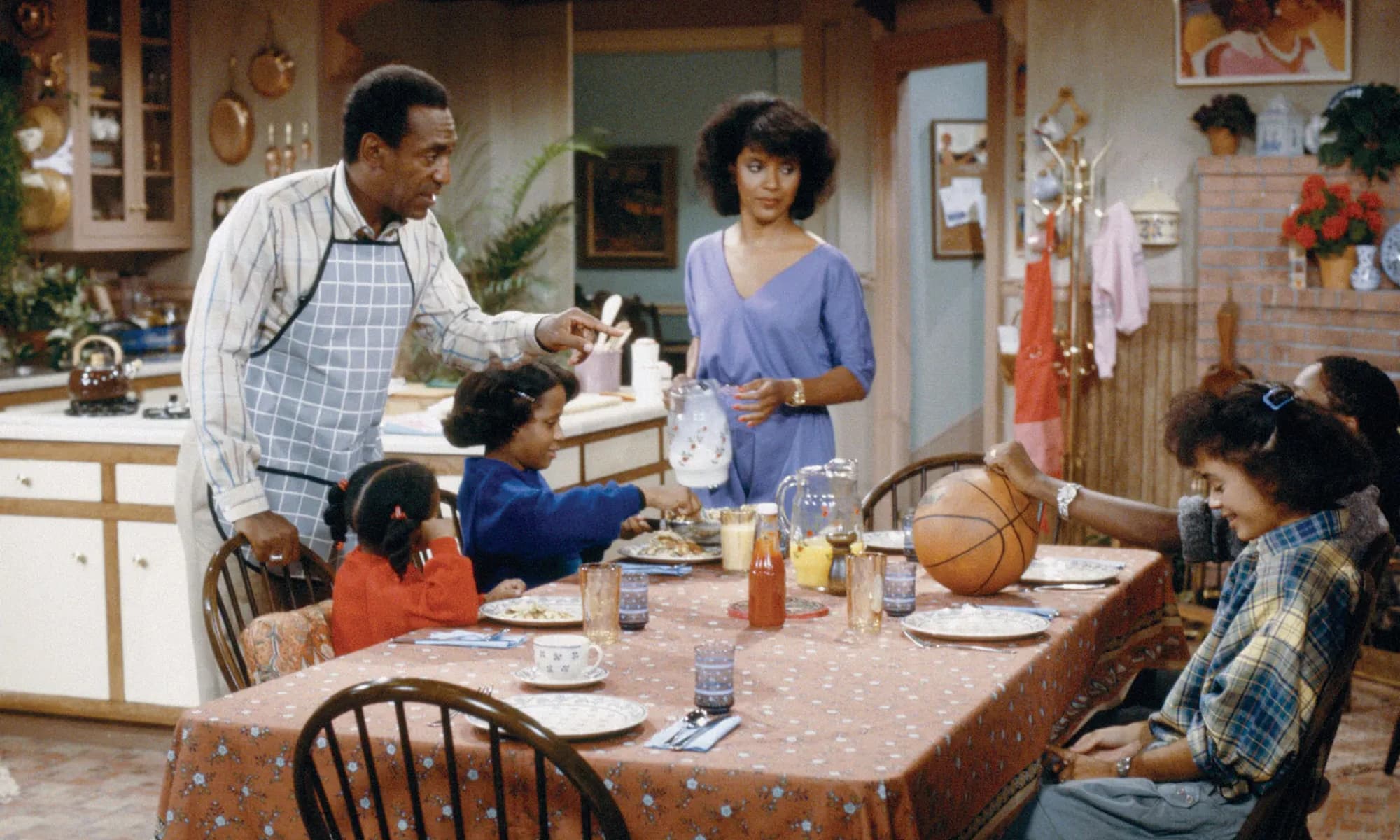
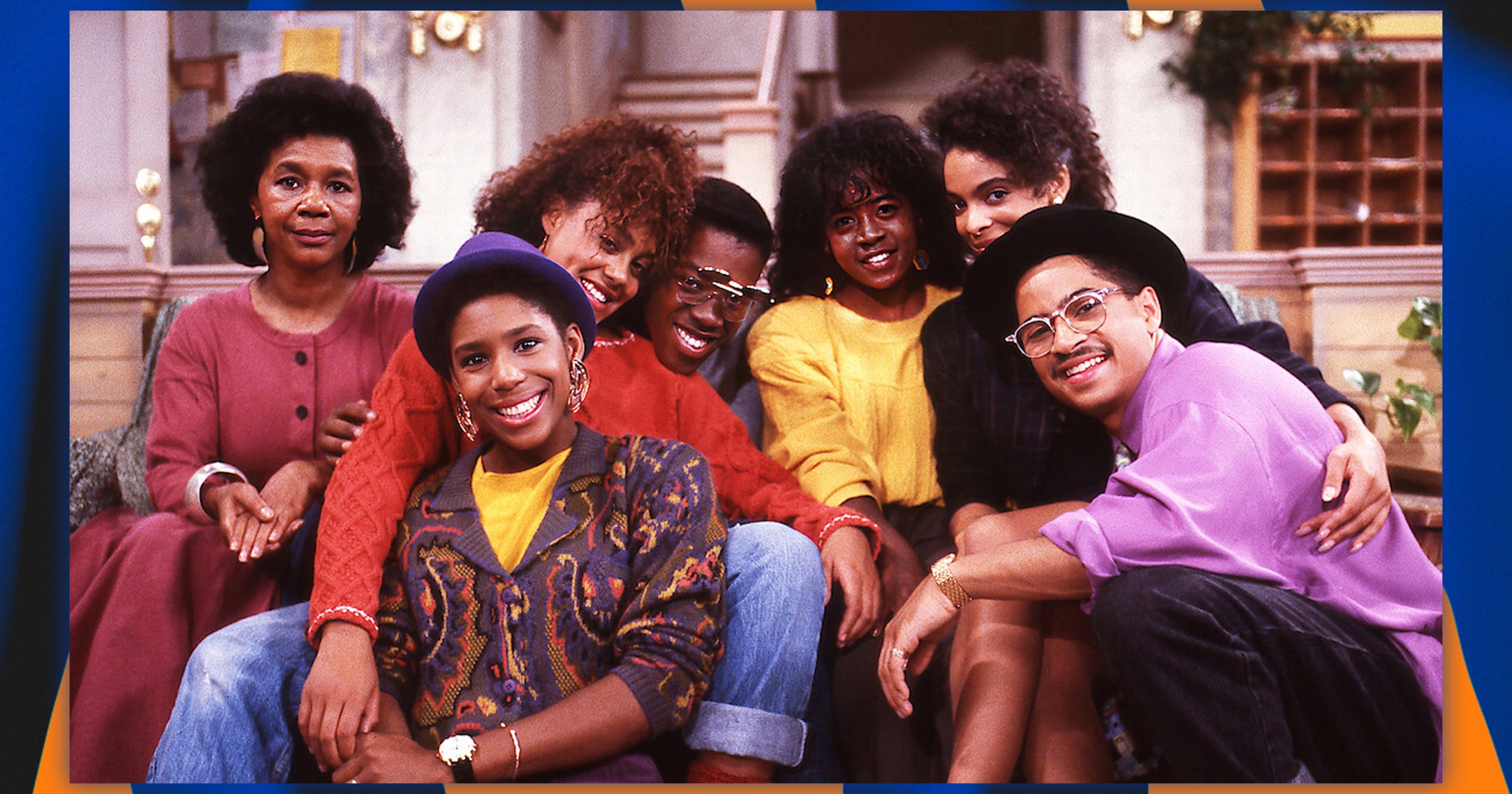
The sitcom A Different World concluded its television run after six seasons, with the final season consisting of 25 episodes that aired between 1992 and 1993. While fans often look back at the show’s legacy, the claim of "25 episodes of a different world season 6" specifically refers to the actual production order and broadcast count of the series' concluding chapter, which marked a significant shift in the show's tone and narrative direction compared to its earlier years.
Understanding the Production Context of Season 6
To evaluate the structure of A Different World, one must first understand its evolution. Premiering in 1987 as a spin-off of The Cosby Show, the series initially focused on Denise Huxtable at Hillman College. However, the show underwent a radical transformation following the departure of Lisa Bonet after the first season. By the time the show reached its sixth season, it had firmly established itself as a culturally significant entity that addressed complex social issues, including the HIV/AIDS epidemic, racial tensions, and economic struggles.
The production of 25 episodes for the final season was a standard commitment for a successful primetime sitcom in the early 1990s. Networks like NBC typically ordered full-season blocks of 22 to 26 episodes to ensure consistent advertising revenue and to allow for syndication viability. When discussing the "25 episodes" of this specific season, it is essential to view them not just as a count of units, but as a cohesive narrative arc that sought to wrap up the journeys of core characters like Whitley Gilbert, Dwayne Wayne, Kim Reese, and Ron Johnson.
Examining the Narrative Arc of the Final Season
The 25 episodes comprising season 6 represent the culmination of the show’s shift toward more serious, issue-oriented storytelling. Under the creative guidance of Debbie Allen, who took over as producer after the show's sophomore year, the series evolved from a lighthearted college comedy into a medium for exploring the African American collegiate experience.
Throughout these 25 episodes, the writers faced the challenge of providing closure for characters who had spent years evolving from undergraduates to young professionals. The season’s arc was defined by the marriage of Dwayne and Whitley, a central romantic plot point that had dominated much of the series' later years. By dedicating the final stretch to the transition into adulthood, the show mirrored the actual aging process of its audience, who had grown up alongside these characters over the half-decade of the show's run.
Why 25 Episodes Was the Industry Standard
In 1992 and 1993, the broadcast model for television was vastly different from the current streaming era. The 25-episode count for season 6 was a product of the "full-season order" system. In the 20th century, television networks operated on a rigid seasonal calendar beginning in September and ending in May. Producing 25 episodes required a highly efficient assembly-line process where writers, directors, and actors worked in near-constant rotation.
This high volume allowed the show to maintain a presence in the cultural conversation for most of the year. Unlike modern streaming series, which often consist of 8 to 10 episodes released simultaneously, A Different World relied on the weekly broadcast format to build communal viewing habits. The 25-episode structure meant that the show had enough content to maintain high-frequency reruns in local broadcast syndication, which was the primary goal for long-running sitcoms of that era.
Comparison of Season Lengths and Production Trends
To contextualize why season 6 reached exactly 25 episodes, it is helpful to look at the historical data of the show’s episode counts across its tenure.
| Season | Year Range | Total Episodes |
|---|---|---|
| Season 1 | 1987–1988 | 22 |
| Season 2 | 1988–1989 | 22 |
| Season 3 | 1989–1990 | 25 |
| Season 4 | 1990–1991 | 25 |
| Season 5 | 1991–1992 | 24 |
| Season 6 | 1992–1993 | 25 |
As evidenced by the table, the production volume remained remarkably stable, with the series rarely dipping below 22 episodes per year. The 25-episode count for the final season reflects a consistency in network confidence. Even as the show approached its conclusion, NBC maintained the same production load as it did during the show's mid-run peak, ensuring that the final season was a comprehensive send-off.
The Impact of Syndication on Episode Counts
The total number of episodes in A Different World—which settled at 143 across six seasons—is a vital statistic for the entertainment industry. For a show to be successfully syndicated in the 1990s, the "magic number" was traditionally 100 episodes. By reaching 143 episodes, including the 25 found in season 6, A Different World secured its longevity in rerun markets.
If season 6 had been significantly shorter, the show’s total package might have been less attractive to local stations looking for a deep library to fill daily slots. Therefore, the 25 episodes were not just an artistic decision; they were a business necessity to ensure the brand’s survival long after the original broadcast ended.
Challenges in Maintaining Quality Over 25 Episodes
Producing 25 episodes of high-quality television in a single season is an arduous task. Veteran showrunners and writers often cite the "mid-season slump," where the exhaustion of the production cycle begins to impact script quality. In the context of season 6, the challenge was compounded by the fact that the show was nearing its natural end.
Critics often point to the final season as a transition period where the show balanced its core identity with the need to finalize character arcs. The process of writing 25 distinct stories within a tight production timeline forced the creative team to focus on specific themes. For instance, the final episodes dealt heavily with the anxiety of the "real world," reflecting the actual anxiety of the cast and crew as they prepared for the series finale.
Key Creative Personnel During the Final 25
The success of these 25 episodes cannot be discussed without recognizing the leadership of Debbie Allen. Her influence transformed the visual style, the musical choices, and the depth of the social commentary. During season 6, the creative team included:
- Debbie Allen (Producer/Director): Instrumental in shaping the show's distinct voice and overseeing the final episodes.
- Susan Fales-Hill (Writer/Producer): A primary creative force who helped navigate the shift toward more socially conscious storylines.
- The Ensemble Cast: The chemistry developed over 143 episodes allowed the actors to perform under the pressure of the 25-episode grind with a level of familiarity that is rare in television production.
Analyzing the Finality of the 25th Episode
The 25th episode of the sixth season, titled "Fifty-Two Station Wagon," serves as the final installment of the series. For fans looking for closure, this specific episode is critical. It functions as the closing chapter to the 25-episode narrative arc, providing a resolution to the central relationships.
Understanding that this episode was not just an arbitrary finale but the final piece of a carefully structured 25-episode block is essential. It adhered to the traditional narrative structure of a sitcom, where the final episode attempts to restore a sense of normalcy after significant life changes—in this case, graduation and the marriage of the leads.
Common Misconceptions Regarding the Episode Count
There is often confusion regarding the episode counts for A Different World due to variations in how streaming platforms index content today. Some digital platforms may group episodes differently or omit special features that were once counted as production episodes. However, the verified historical count for the final season is 25.
If you are researching this for the purpose of a retrospective or a re-watch, it is important to ignore sources that suggest a truncated final season. The 25 episodes are complete, and they represent the final word from the creative team at that time.
Next Steps for Researching Series History
If you are interested in exploring the 25 episodes of season 6 in greater detail, the following steps are recommended:
- Consult Official Episode Guides: Use reputable databases that track production codes to verify individual episode titles and air dates.
- Review Retrospective Interviews: Many of the cast members, including Jasmine Guy and Kadeem Hardison, have given extensive interviews about the pressure of the final season.
- Analyze Cultural Impact: Research articles from 1993, when the show concluded, to see how the final 25 episodes were received by critics of the time compared to contemporary appraisals.
- View Behind-the-Scenes Documentaries: Look for features that discuss the transition from the show's early days to the final season, as these often contain context about the 25-episode production schedule.
By following these steps, you can gain a deeper understanding of the show’s history beyond just the numerical data of its final season. The legacy of A Different World is defined by those final 25 episodes, which solidified its status as an iconic piece of American television history.
Frequently Asked Questions
Why did A Different World end after its sixth season? The show concluded primarily due to a combination of rising production costs, shifting network priorities at NBC, and the fact that the core characters had reached their natural graduation point. After six seasons and 143 episodes, the narrative premise of the show—life at Hillman College—had been fully realized.
Are all 25 episodes of season 6 currently available for streaming? While availability depends on the specific licensing agreements of your region and your chosen platform as of 2026, the complete six-season library is generally distributed as a single unit. Always check your service provider’s current catalog to verify that all 25 episodes are included in their seasonal breakdown.
How does the 25-episode season 6 compare to earlier, shorter seasons? Season 6 actually shares the same 25-episode count as seasons 3 and 4. It is one of the longest seasons in the series' history, proving that the network remained committed to the show's volume even in its final year. It differs from early seasons only in tone and depth of content.
Was the final 25th episode intended to be the permanent end of the show? Yes, the final episode was written as a series finale. While there were discussions about the show's future, the production team focused on wrapping up the central arcs of the main cast, particularly the graduation and the transition of the primary characters into the workforce, which signaled a clear thematic conclusion.
Can I watch these episodes out of order? While many sitcom episodes are episodic, season 6 contains several long-form narrative arcs, particularly regarding the relationship between Dwayne and Whitley. It is highly recommended to watch the 25 episodes in their intended broadcast order to fully appreciate the character development and the emotional payoff of the finale.
What was the significance of the 25-episode format in the 1990s? The 25-episode format was the industry standard for broadcast sitcoms. It ensured enough content to sustain a show for an entire fall-to-spring season and provided a sufficient library for daily syndication strips, which was how television shows achieved financial profitability during that era.