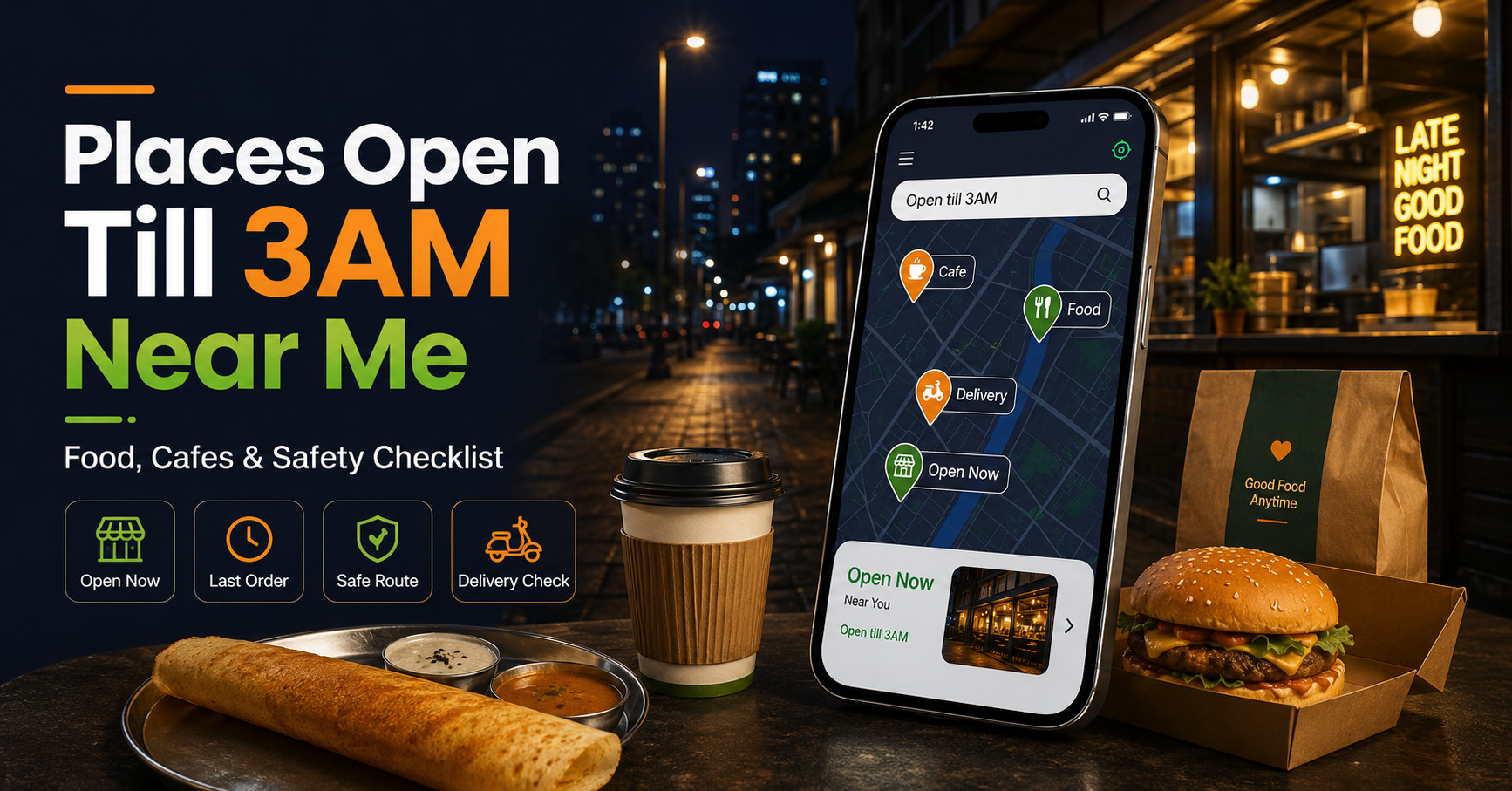
Finding reliable 24-hour places near you requires a combination of real-time digital verification, understanding regional zoning limitations, and recognizing the difference between automated services and staffed establishments. Whether you need fuel, medical assistance, groceries, or workspace, effective search strategies ensure you arrive at an open location rather than a locked door.
The Evolution of 24-Hour Availability
In recent years, the landscape of 24-hour commerce has undergone a significant shift. Following the global pandemic and subsequent labor market adjustments in the early 2020s, many businesses that were traditionally open around the clock—such as major retail chains and grocery stores—permanently altered their hours. As of 2026, assuming a business is open 24 hours based on pre-2020 habits is a common error.
To navigate this landscape, it is essential to distinguish between "Always Open" entities and "Extended Hours" entities. Some locations offer 24-hour access via automated systems (like self-service kiosks or key-card entry), while others maintain human staffing. Knowing the difference is vital for safety, service availability, and potential utility.
Digital Verification Techniques
Relying solely on a broad search engine query for "24 hour places near me" can lead to outdated information. To guarantee a location is actually open, follow these verification steps:
- Use Google Maps or Apple Maps with Time Filtering: Search for your specific category (e.g., "pharmacy") and toggle the "Open Now" filter. In 2026, these platforms rely on business profiles updated by owners or verified through user check-ins. If a business has not updated its profile in the last three months, the information may be flagged; look for the "Hours might differ" warning.
- Cross-Reference with Social Media: Instagram or Facebook pages for local businesses are often updated more frequently than static websites or third-party directory listings. If a business is hosting a special event or dealing with a temporary staffing shortage, the announcement is frequently posted to their feed.
- The "Call-Ahead" Rule: For services where your arrival is time-sensitive—such as urgent care or specialized retail—a two-minute phone call is the only way to confirm current staffing levels. Automated answering systems often state the operating hours, providing a definitive answer without needing to speak to a representative.
Categorizing 24-Hour Services
When searching for overnight assistance, it helps to group your needs by sector. Each sector has different operational standards regarding "24-hour" labels.
Retail and Grocery
Many convenience stores and gas stations operate 24/7, but they may restrict access to the interior during late-night hours, switching to a "window-only" transaction model. If you are traveling long distances, verify if the "24 hour" location you selected has an accessible restroom, as many stations limit facility access after midnight for security reasons.
Healthcare and Pharmacy
"24-hour" healthcare is generally split into Emergency Rooms (ER) and Urgent Care. While ERs are always open, they prioritize life-threatening conditions. Urgent Care centers rarely operate on a true 24-hour basis; most close between 8:00 PM and 10:00 PM. Always confirm if an "Urgent Care" location provides actual medical personnel on-site overnight or if they simply have a virtual triage service.
Logistics and Fuel
Fuel stations remain the most consistent 24-hour entities. However, in 2026, automation at the pump is ubiquitous. If you are using a commercial fleet card or a specific payment app, ensure the station’s card reader is compatible before you depart, as some stations disable card readers during overnight hours to prevent fraud, requiring payment inside.
Comparison of Late-Night Service Reliability
| Service Type | Typical Availability | Verification Level | Common Restriction |
|---|---|---|---|
| Gas Stations | High | Automated | Interior access limited |
| Pharmacy | Moderate | High | Drive-thru only |
| Urgent Care | Low | High | Triage vs. full staff |
| Gyms | High | Medium | Key-card access only |
| Convenience Store | High | Low | Window service only |
Safety and Operational Considerations
When visiting 24-hour places during the hours of 12:00 AM to 5:00 AM, safety and facility protocols are paramount.
Personal Safety: Prioritize well-lit establishments with active security or surveillance. If you find yourself in a location that feels deserted or unsafe, use a drive-thru or window-service option if available rather than entering the building.
Infrastructure Limitations: In many jurisdictions, local ordinances may require 24-hour businesses to maintain specific lighting and noise control standards. If you encounter a place that claims to be open but is dark or appears abandoned, do not attempt to bypass security measures. It is safer to seek a secondary, well-populated location.
Cost and Fees: Be aware that some services (particularly towing, emergency locksmiths, or late-night delivery) charge "after-hours" premiums. These are not always displayed clearly on digital storefronts. Always ask for a price breakdown before committing to a service if you are unsure about the current fee structure.
Troubleshooting Common Search Issues
If your search returns no results, you may be experiencing a "service desert." This occurs when local businesses have consolidated hours to reduce operational costs.
- Expand Your Radius: If you are in a suburban or rural area, you may need to expand your search radius significantly. Check major highway corridors, as these are more likely to support 24-hour infrastructure than residential or city-center zones.
- Alternative Keywords: Instead of searching for the general term, search by the specific utility. For example, search for "24 hour ATM" or "24 hour car charging station" rather than "24 hour places." Specificity allows search engines to pull data from more accurate, category-specific databases.
- Check Regulatory Lists: For critical services like medical care or government offices (which may have 24-hour drop boxes or help desks), consult official state or county government websites. These pages are updated with legally required operating hours and are more reliable than general business directories.
Frequently Asked Questions
1. How do I know if a 24-hour business is actually open right now? Check the business's Google Business Profile or their official website. Look for the "Updates" or "News" section. If you are still unsure, call the business directly. If the phone rings indefinitely without an answering machine, assume the location is closed or unstaffed.
2. Are "24-hour" pharmacies really open for prescriptions at night? Many retail pharmacies branded as "24-hour" offer 24-hour store access but may have a pharmacist on-site only during limited hours. If you need a prescription filled, call to confirm that a pharmacist is currently on the premises, as the pharmacy department often has different hours than the front-end retail store.
3. Why do some 24-hour places only offer window service? Many businesses moved to window-only operations to increase staff safety and reduce overhead costs related to cleaning and store security during low-traffic hours. This allows them to maintain the "24-hour" label while minimizing the liability of having a full store open to the public.
4. Can I rely on third-party aggregators for 24-hour information? Aggregator sites (like generic business directories) are often the least reliable sources. They frequently rely on scraped data that may be years old. Always prioritize the business’s official channel (website or social media) or a major map platform (Google/Apple) that requires owner verification.
Next Actions for Your Search
To successfully locate a 24-hour establishment, start by defining the absolute necessity of the trip. If the need is for a non-urgent retail item, consider if the purchase can wait until morning, as overnight service options have significantly thinned in 2026.
If you must proceed, prioritize your safety by selecting locations located along major thoroughfares or within well-lit, high-traffic commercial zones. Use a combination of real-time map data and a quick telephone call to confirm that the doors will be open and the specific service you require is available upon your arrival.