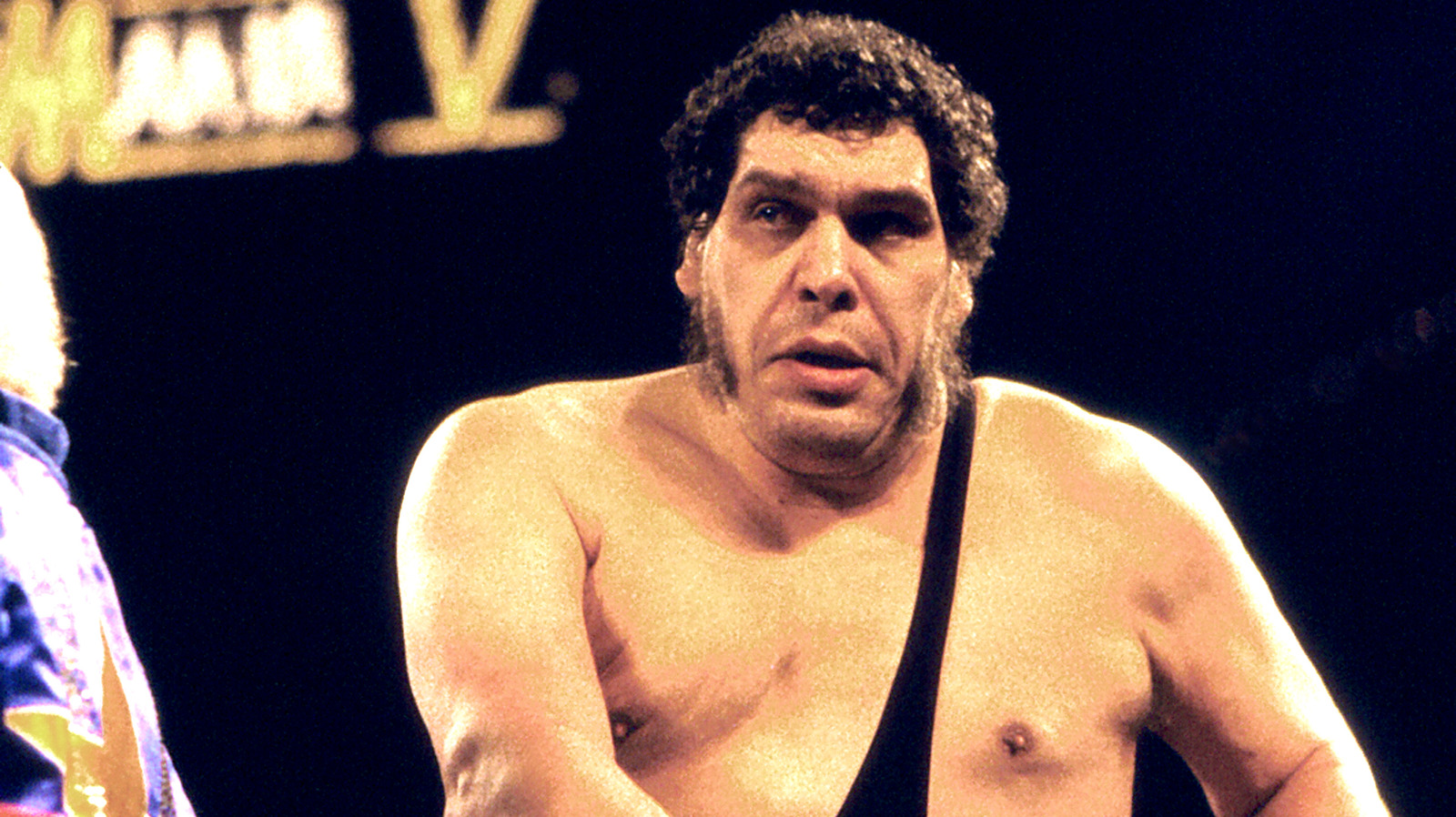
André the Giant measured 7 feet 4 inches tall due to a medical condition known as gigantism, caused by excess growth hormone production from the pituitary gland. This extraordinary stature defined his professional wrestling career, his cinematic roles, and his enduring cultural legacy as one of the most recognizable figures of the twentieth century.
The Biological Foundation: Gigantism and Acromegaly
The towering physical stature of André René Roussimoff, globally celebrated as André the Giant, was not merely a random genetic anomaly but the result of a specific, well-documented medical condition. Born in Grenoble, France, in 1946, André began exhibiting signs of accelerated growth during his childhood. By the time he reached his early teens, he had already outgrown standard sizing, a progression driven by a medical disorder called gigantism.
Gigantism occurs when the pituitary gland produces an excess of growth hormone (GH) during childhood, typically due to a benign tumor known as a pituitary adenoma. Before the fusion of the growth plates in the long bones, this hormonal surplus causes continuous, rapid bone elongation. In André's case, this biological process pushed his height to an astonishing 7 feet 4 inches (approximately 2.24 meters) and his adult weight to well over 500 pounds.
When this hypersecretion of growth hormone continues or begins after the growth plates have fused in adulthood, it manifests as acromegaly. This related condition causes the enlargement of hands, feet, facial features, and internal organs. Throughout his life and wrestling career, André's facial bone structure, thick fingers, and massive torso clearly displayed the classic physiological markers of acromegaly.
Medical Management and Historical Context
During the mid-twentieth century, medical technology for diagnosing and treating pituitary tumors was vastly different from modern neurosurgical standards. Transsphenoidal surgery—the modern technique for removing pituitary adenomas through the nasal cavity—was in its developmental stages, and the risks associated with brain surgery were exceptionally high.
Consequently, aggressive surgical intervention was rarely pursued for individuals whose conditions were already advanced, leading many people with gigantism to manage symptoms rather than correct the underlying hormonal imbalance. André's sheer size placed extraordinary strain on his cardiovascular system, joints, and internal organs. The heart, compelled to pump blood across a massive vascular network, often experiences hypertrophy in individuals with untreated acromegaly, a factor that ultimately contributed to his passing in 1993 at the age of 46.
Professional Wrestling Career and the Appeal of Scale
In the landscape of professional wrestling, physical size has always served as a primary promotional tool. However, André the Giant transcended the traditional archetype of the oversized antagonist. Entering the ring during an era when televised wrestling was transitioning from regional territories to a national spectacle, his immense proportions made him an instant attraction worldwide.
Promoters often marketed him as "The Eighth Wonder of the World," a moniker that played directly into the public fascination with his 7-foot-4-inch frame. Unlike many contemporaries who relied on theatrical bluster, André's physical presence was entirely authentic. Opponents looked dwarfed next to him, and standard wrestling rings frequently required structural reinforcements to safely accommodate his weight during high-impact matches.
The Unbeaten Mythos and Territorial Era
For much of his early career, particularly during the 1970s and early 1980s, André was famously billed as being undefeated for fifteen years. While this streak was heavily embellished by wrestling promoters to maximize box office appeal, the underlying reality was undeniable: few competitors possessed the leverage, strength, or mass to challenge him effectively.
| Career Phase | Approximate Years | Defining Characteristics | Cultural Impact |
|---|---|---|---|
| Early European Circuit | 1964–1971 | Raw development, wrestling across France, the UK, and Germany. | Gained foundational experience under various regional names. |
| Global Expansion | 1971–1983 | Touring North America, Japan, and Oceania as a special attraction. | Established international fame and the "unbeaten" promotional streak. |
| World Wrestling Federation Golden Era | 1984–1987 | High-profile feuds with Hulk Hogan and other top stars. | Reached peak mainstream visibility and mainstream pop-culture status. |
| Final Years and Transition | 1988–1992 | Reduced mobility, specialized tag-team roles, and film work. | Cemented legacy through cinematic appearances and emotional send-offs. |
During the territorial era of professional wrestling, André traveled relentlessly. He worked for the World Wide Wrestling Federation (later WWF), All Japan Pro Wrestling, and various National Wrestling Alliance territories. This nomadic schedule placed immense physical demands on his body, particularly on his knees and back, which bore the brunt of his massive frame combined with the rigorous impact of professional bouts.
Cinematic Endeavors and Pop Culture Integration
Beyond the squared circle, André's distinctive appearance opened doors to mainstream entertainment. His most celebrated non-wrestling role came in the 1987 fantasy-adventure film The Princess Bride, directed by Rob Reiner and based on William Goldman’s novel. Cast as Fezzik, a gentle giant with a kind heart and immense strength, André showcased a natural comedic timing and warmth that contrasted sharply with his intimidating wrestling persona.
Filming The Princess Bride presented unique logistical challenges due to his physical dimensions. Costumes had to be custom-tailored, and action sequences required careful choreography to ensure the safety of his co-stars, such as Mandy Patinkin and Cary Elwes, while maintaining the illusion of effortless physical dominance. Despite chronic back and joint pain during production—which made lifting other actors challenging—André delivered a performance that remains a high point of 1980s cinema.
His cultural footprint extended into television commercials, talk shows, and print media. He appeared on programs like The Six Million Dollar Man and various talk formats, where hosts routinely marveled at his capacity to consume large quantities of food and beverages, a phenomenon fueled by the elevated metabolic demands of gigantism.
Daily Life and Practical Challenges of Standing 7 Feet 4 Inches
Living at a height of 7 feet 4 inches in a world designed for individuals of average stature created constant, day-to-day friction. Standard architectural elements—doorways, ceiling heights, automobile interiors, and hotel furniture—were entirely inadequate for André's anatomy.
Mobility and Transportation
Traveling commercial aviation during the 1970s and 1980s was notoriously difficult for someone of his size. Standard airline seats offered insufficient legroom and narrow widths, forcing promoters and travel coordinators to book custom arrangements or rely on private transportation whenever feasible. Standard automobiles were similarly unusable without extensive aftermarket modifications to remove driver-side seats and create adequate clearance.
Nutrition, Hydration, and Metabolism
The caloric requirements of maintaining a body mass exceeding 500 pounds while experiencing active gigantism were immense. André's daily intake of food and beverages was frequently sensationalized in popular media, but nutritionally, it reflected the baseline energy demands of sustaining such a massive physiological structure. His legendary capacity for consuming large quantities of alcohol was similarly linked to his body mass and a tolerance developed over decades, though it also posed long-term health complications.
Frequently Asked Questions
How tall was André the Giant precisely?
André the Giant was officially billed at 7 feet 4 inches (2.24 meters). While some promotional materials occasionally exaggerated his height to 7 feet 5 inches or higher, medical records and physical evaluations consistently corroborated his height at approximately 7 feet 4 inches.
What medical condition caused his extreme height?
His height was caused by gigantism, a condition resulting from an excess production of growth hormone during childhood due to a pituitary gland tumor. In adulthood, this transitioned into acromegaly, causing continued thickening of bones and tissues.
Did André the Giant wear special footwear?
Yes. Due to the severe enlargement of his feet caused by acromegaly, André required custom-made footwear, typically ranging between size 22 and 24 in US men's sizing. Standard retail shoes were entirely unavailable, requiring specialized orthopedic manufacturing.
How did his height affect his wrestling career?
His height was the foundational element of his career, enabling promoters to market him as an unstoppable anomaly. However, the immense physical load accelerated joint degradation, forcing him to alter his wrestling style in his later years to rely on power moves rather than mobility.
What was his final role in entertainment?
His final major film appearance was in the 1991 comedy Trading Mom (released posthumously in 1994 as The Mommy Market), following his iconic role as Fezzik in The Princess Bride (1987) and various television guest spots during the height of the 1980s wrestling boom.
Conclusion and Final Perspective
The enduring fascination with André the Giant goes far beyond mere numbers. While measuring 7 feet 4 inches placed him among the tallest athletes in history, his legacy is defined by how he navigated a world ill-equipped for his size while achieving international stardom. By understanding the medical realities of gigantism and acromegaly, observers can appreciate the physical toll behind his legendary career, cementing his status as a truly unique figure in sports and entertainment history.