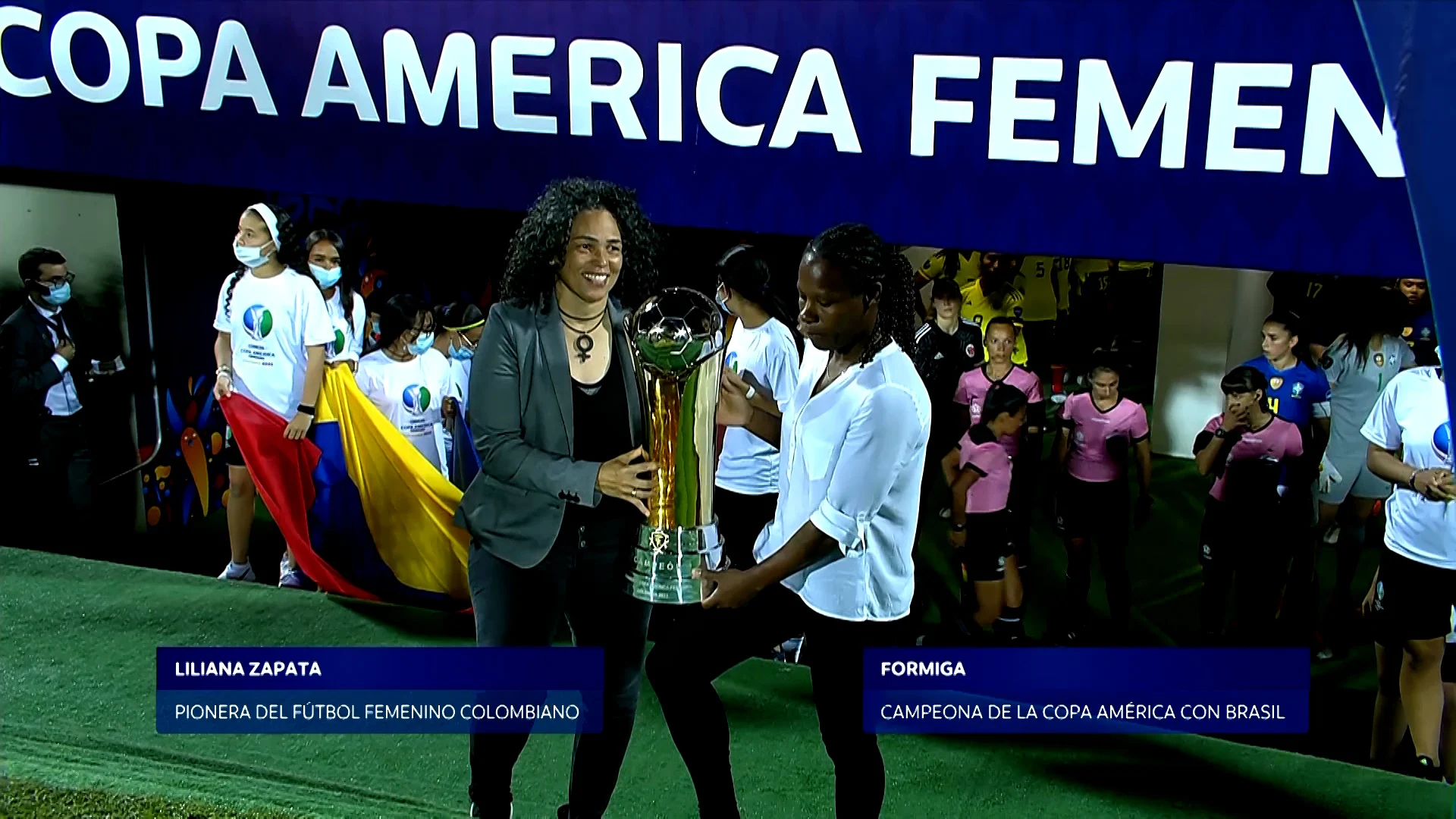
The 2022 Copa América Femenina served as a definitive turning point for South American football, marking the transition from a period of veteran dominance to an era defined by explosive young talent. Held in Colombia, the tournament showcased a new generation of players, most notably Linda Caicedo, who combined technical sophistication with tactical maturity far beyond their years. This shift not only revitalized the competitive landscape within CONMEBOL but also restructured how global scouts perceive South American developmental systems.
The Significance of the 2022 Tournament Context
To understand the rise of new talent in 2022, one must look at the state of the game following the global disruptions of the previous years. While the men's Copa América had taken place in 2021, the 2022 edition for the women was the first major continental opportunity for many players born in the mid-2000s to demonstrate their readiness for the senior international stage.
The tournament was hosted by Colombia across three cities: Cali, Armenia, and Bucaramanga. It was unique because it didn't just crown a continental champion (Brazil, for the eighth time); it served as the primary qualification route for the 2023 FIFA Women’s World Cup and the 2024 Paris Olympics. For young players, the stakes were not merely a trophy, but the chance to secure professional futures in European and North American leagues.
By 2022, several South American nations had begun investing more consistently in youth academies. The results were visible in the improved conditioning and tactical discipline of the "underdogs," particularly Colombia and Paraguay, who challenged the traditional hierarchy of Brazil and Chile.
Linda Caicedo: The Face of a New Generation
No discussion of the 2022 Copa América is complete without analyzing the impact of Linda Caicedo. At just 17 years old, the Colombian attacker didn't just participate; she dictated the rhythm of her team’s offense. Her performance was a masterclass in modern wing play, characterized by a low center of gravity, exceptional close control, and the "pausa"—the ability to slow down play before an explosive burst of speed.
Technical Mastery and Maturity
Caicedo’s goal against Argentina in the semi-final remains the defining image of the tournament. It wasn't just the finish, but the composure she showed in a high-pressure knockout environment. Throughout the tournament, she demonstrated an ability to navigate tight defensive blocks that had previously stifled Colombian squads.
Global Impact
Her success in 2022 acted as a catalyst for her subsequent move to Real Madrid. For scouts, Caicedo proved that the gap between South American youth football and European professional standards was narrowing. She was awarded the Golden Ball (Best Player) of the tournament, a rare feat for a teenager in a competition historically dominated by established veterans like Marta or Formiga.
Beyond the Spotlight: Emerging Stars Across the Continent
While Caicedo was the standout, the 2022 Copa América highlighted several other prospects who redefined their positions. These players brought a level of athleticism and technical precision that suggested a systemic improvement in coaching across the region.
Yamila Rodríguez (Argentina)
Rodríguez finished the tournament as the top scorer with six goals. While not a "new" player in the sense of age (she was 24), 2022 was her definitive breakout as a continental powerhouse. Her ability to find space in the box and her clinical finishing provided Argentina with the offensive edge needed to secure a third-place finish and a World Cup berth. Her rise signaled a shift in Argentina’s style from a defensive, counter-attacking unit to one capable of sustained offensive pressure.
Kerolin and the "New Brazil"
Brazil entered the 2022 tournament in a period of transition under coach Pia Sundhage. With several legends retiring or injured, the burden fell on players like Kerolin and Ary Borges. Kerolin, in particular, showcased the evolution of the Brazilian midfielder: highly versatile, defensively responsible, but still possessing the "Ginga" and creative flair expected of the Seleção. Her performance ensured that Brazil won the tournament without conceding a single goal, proving that the new talent could maintain the high standards of their predecessors while adding defensive rigor.
The Rise of the Paraguayan Attack
Paraguay’s fourth-place finish was one of the biggest surprises of the tournament, driven largely by the emergence of players who had come through their improved U-20 programs. Their performance proved that the talent pool was deepening beyond the traditional "Big Three" (Brazil, Colombia, Argentina).
Tactical Evolution Driven by Youth
The influx of new talent in 2022 led to a noticeable shift in how teams approached the game. Historically, South American women's football was often criticized for being overly reliant on individual brilliance or physical play. The 2022 tournament showed a move toward:
- High-Intensity Pressing: Younger players brought the fitness levels required to execute modern pressing triggers. Teams like Colombia and Brazil no longer sat back; they hunted the ball in the final third.
- Positional Fluidity: The new generation of players showed a higher tactical IQ, frequently rotating positions during matches. A winger like Caicedo would often drift centrally to act as a playmaker, while fullbacks provided the width—a hallmark of contemporary European tactics.
- Transition Speed: The 2022 highlights are dominated by goals scored in rapid transition. The sheer pace of the new talent made "parking the bus" a dangerous strategy for lower-ranked teams, as they could be punished in seconds.
Comparing Top Performers: 2022 Copa América Stats
The following table highlights the impact of the primary breakout players and established stars who defined the tournament's competitive edge.
| Player | Team | Age (in 2022) | Primary Impact | Notable Achievement |
|---|---|---|---|---|
| Linda Caicedo | Colombia | 17 | Creative engine, 1v1 dominance | Tournament Golden Ball |
| Yamila Rodríguez | Argentina | 24 | Clinical finishing, positioning | Golden Boot (6 Goals) |
| Lorena | Brazil | 25 | Shot-stopping, distribution | 0 goals conceded in tournament |
| Debinha | Brazil | 30 | Tactical leadership, scoring | 5 goals, Final winner |
| Jessica Martínez | Paraguay | 23 | Aerial threat, hold-up play | Key to Paraguay’s 4th place |
| Nicole Arcangeli | Ecuador | 19 | Pace, direct dribbling | Breakout youth performance |
Long-term Effects on the Global Transfer Market
The "rise of new talent" seen in 2022 had immediate and lasting consequences for the professionalization of the sport. Before this tournament, many South American players struggled to find paths to top-tier European leagues unless they were already established stars.
Following the July 2022 final, there was a surge in recruitment. European clubs from the Liga F (Spain), the WSL (England), and the Frauen-Bundesliga (Germany) began deploying more resources into South American scouting. They realized that the 2022 Copa América wasn't an anomaly but a signal that the region was finally producing "plug-and-play" talent—players who could transition into high-intensity professional environments with minimal adjustment periods.
This talent drain toward Europe has, in turn, benefited the national teams. By 2026, the experience gained by the "Class of 2022" in European competitions has made South American squads significantly more competitive on the world stage, as evidenced by their performances in subsequent global tournaments.
Challenges and Infrastructure Needs
Despite the rise of talent, the 2022 tournament also highlighted the disparities that still exist. While the players showed world-class potential, the infrastructure in some nations lagged.
- Domestic League Length: In 2022, many players in the tournament played in domestic leagues that lasted only a few months. The rise of talent happened in spite of these short seasons, leading to calls for more sustainable, year-round professional structures.
- Coaching Consistency: The success of Colombia and Brazil was tied to long-term coaching projects. The tournament highlighted that talent alone isn't enough; it requires a tactical framework to flourish.
- Investment Gaps: While the top four teams showed immense growth, the gap between the top and the bottom (such as Bolivia or Peru) remained significant. The "rise of talent" was uneven across the continent.
Frequently Asked Questions
Who was the best young player at the 2022 Copa América?
Linda Caicedo of Colombia is widely considered the best young player of the tournament. At 17, she won the Golden Ball, awarded to the competition's overall best player, for her pivotal role in leading Colombia to the final and securing their qualification for the World Cup and Olympics.
Did Brazil's dominance continue in 2022?
Yes, Brazil won the 2022 Copa América Femenina, marking their eighth title. However, the tournament was notable because Brazil faced much stiffer competition, particularly from Colombia in the final (a 1-0 win for Brazil). Brazil also achieved the remarkable feat of winning the tournament without conceding a single goal.
How did the 2022 tournament affect the 2023 World Cup?
The 2022 Copa América served as the qualifier. The talent showcased in 2022, specifically players like Caicedo and Rodríguez, went on to be major talking points during the 2023 World Cup. Colombia's run to the quarter-finals in 2023 was a direct result of the momentum and talent development witnessed during the 2022 continental championship.
Where was the 2022 Copa América held?
The tournament was hosted by Colombia. Matches were played in the cities of Cali (Estadio Pascual Guerrero), Armenia (Estadio Centenario), and Bucaramanga (Estadio Alfonso López). The hosting was praised for the high attendance figures, particularly for Colombia's matches, which demonstrated the growing commercial viability of women's football in the region.
Who was the top scorer in the 2022 edition?
Yamila Rodríguez of Argentina was the top scorer, winning the Golden Boot with six goals. Her goals were crucial in helping Argentina secure third place after a dramatic comeback against Paraguay in the third-place play-off.
Final Practical Implications for Enthusiasts and Analysts
For those tracking the trajectory of international football, the 2022 Copa América stands as the blueprint for how a regional tournament can rebrand a continent's footballing identity. The "rise of new talent" was not merely a catchphrase but a measurable shift in the age profile and technical ceiling of the players.
If you are looking to understand the current stars of the 2026 landscape, looking back at the 2022 footage is essential. It provides the "origin story" for the tactical flexibility and individual flair that now defines South American representatives in global play. The primary lesson from 2022 is that investment in youth systems, combined with high-stakes competitive opportunities, is the most effective way to bridge the gap between emerging markets and established footballing superpowers.