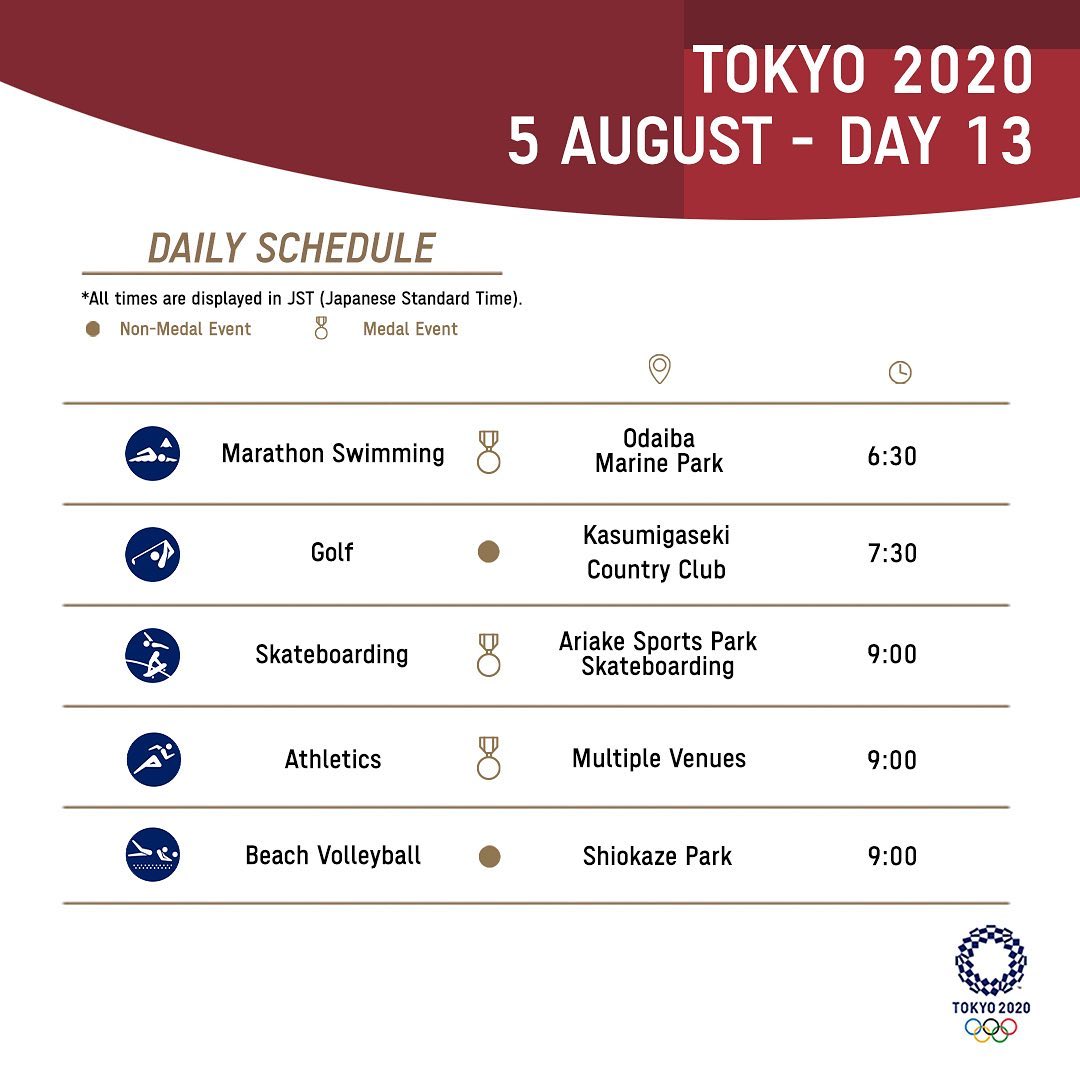
The official 2020 Olympic date was originally scheduled for July 24 to August 9, 2020, but the Games were postponed due to the COVID-19 pandemic and ultimately held from July 23 to August 8, 2021, while retaining the historical branding "Tokyo 2020."
Understanding the exact timeline of the Tokyo 2020 Olympic Games requires looking beyond simple calendar dates into an unprecedented chapter in modern sporting history. When the International Olympic Committee (IOC) and the Tokyo Metropolitan Government awarded the Games to Japan's capital, a precise schedule was locked into place. However, the global public health crisis of 2020 disrupted plans on a scale never before seen outside of wartime cancellations. This comprehensive guide details the original schedules, the mechanics of the historical postponement, the actual dates of competition, and the logistical implications that followed.
Origins and the Original 2020 Olympic Schedule
The journey of the Tokyo 2020 Olympic Games began long before the events took place. Tokyo was selected as the host city during the 125th IOC Session in Buenos Aires on September 7, 2013, prevailing over Istanbul and Madrid. From that moment, organizing committees drafted multi-year timelines to manage venue construction, ticket sales, security, and athlete qualification windows.
The initial scheduling of the Games was meticulously optimized for Tokyo’s mid-summer climate, broadcasting windows, and international sports calendars. The core dates established for the Games of the XXXII Olympiad were:
- Opening Ceremony: July 24, 2020
- Competition Window: July 24 – August 9, 2020
- Paralympic Games Window: August 25 – September 6, 2020
During this period, over 11,000 athletes from more than 200 National Olympic Committees were expected to compete across 339 events in 33 sports. Test events were running on schedule throughout 2019 and early 2020, and the Olympic torch relay was primed to begin its journey across Japan.
The Global Disruption and the Historic Postponement Decision
By early 2020, the outbreak of the novel coronavirus (COVID-19) evolved into a global pandemic. International travel restrictions, lockdowns, and the impossibility of safe athletic training caused widespread uncertainty. Athletes could no longer complete qualification events, and public health officials warned against mass gatherings.
For several weeks, the IOC, led by President Thomas Bach, and the Tokyo 2020 Organizing Committee, headed by Yoshiro Mori, maintained that preparations were proceeding. However, mounting pressure from national Olympic committees, international sports federations, and athletes forced a re-evaluation.
On March 24, 2020, Japanese Prime Minister Shinzo Abe and IOC President Thomas Bach held a joint conference call where they officially announced that the Tokyo 2020 Olympic Games would be rescheduled to a date beyond 2020, but not later than the summer of 2021. This marked the first time in history that the Olympic Games were postponed rather than outright cancelled during peacetime. Previous cancellations occurred in 1916, 1940, and 1944 due to World War I and World War II.
| Milestone Event | Original Scheduled Date | Actual Executed Date |
|---|---|---|
| Opening Ceremony | July 24, 2020 | July 23, 2021 |
| Closing Ceremony | August 9, 2021 | August 8, 2021 |
| Paralympic Opening | August 25, 2020 | August 24, 2021 |
| Paralympic Closing | September 6, 2020 | September 5, 2021 |
Setting the New 2021 Dates
Rescheduling the largest sporting event in the world required balancing numerous complex variables. The new dates needed to:
- Protect the health and safety of all participants and the Japanese public.
- Accommodate the international sports calendar to avoid conflicts with major annual championships and leagues.
- Secure television broadcasting rights windows across global networks.
- Ensure venue availability in Tokyo, many of which were commercially booked years in advance.
On March 30, 2020—just six days after the postponement announcement—the IOC, the Tokyo 2020 Organizing Committee, the Tokyo Metropolitan Government, and the Government of Japan finalized the new dates. The Games of the XXXII Olympiad would take place from July 23 to August 8, 2021, preserving the traditional mid-summer window while allowing a full year for the pandemic situation to evolve and for athletes to resume training.
Crucially, despite taking place in 2021, the event officially retained the marketing and branding title "Tokyo 2020" for commercial, legal, and historical continuity.
Logistical Challenges of the Rescheduled Timeline
Shifting the Olympic dates by precisely 364 days created massive logistical hurdles for organizers, sponsors, municipalities, and participants.
Venue Management
Venues secured for the summer of 2020 had to be renegotiated. Major facilities like the Japan National Stadium, the Tokyo Aquatics Centre, and the Olympic Village apartments required contract extensions spanning an extra year. The Olympic Village, designed to be sold off as private condominiums after the Games, faced complex legal and real estate adjustments as hundreds of buyers had their move-in dates delayed.
Financial Impacts
The postponement introduced billions of dollars in extra costs. Expenses included maintaining unbuilt or unused venues, renegotiating insurance policies, continuing workforce salaries, and implementing comprehensive COVID-19 countermeasures. According to official reports released by the Tokyo 2020 organizing committee, the total cost of the postponement and virus countermeasures added over $2.8 billion to the overall budget.
Athlete Eligibility and Qualification
With the postponement, about 57% of the total Olympic quota slots had already been allocated. The IOC and international federations had to freeze existing quotas while establishing new qualification deadlines for the remaining 43% of spots. Athletes who qualified in 2020 generally retained their individual quotas, but National Olympic Committees held the ultimate discretion over final team selections, leading to trials being re-held in many countries during the spring of 2021.
Execution Under Strict Public Health Protocols
When the revised 2020 Olympic dates arrived in July 2021, the global pandemic was still active. Consequently, the Games were executed under unprecedented restrictions:
- No International or Domestic Spectators: In June 2021, organizers made the historic decision to ban spectators from almost all venues in the Tokyo metropolitan area, holding events behind closed doors to prevent viral transmission.
- The Playbooks: Participants, coaches, media, and officials were governed by strict rules known as "Playbooks." These documents mandated daily saliva testing, restrictions on movement outside the Olympic Village and venues, and strict social distancing protocols.
- Zero-Bubble Concept: Athletes were instructed to arrive in Tokyo shortly before their specific competition events and depart within 48 hours of their event concluding, minimizing congestion within the village.
Despite these clinical conditions, the events proceeded successfully, delivering iconic athletic performances across 33 sports and cementing a unique place in sporting chronology.
Frequently Asked Questions
Why are the games still called Tokyo 2020 if they happened in 2021?
Organizers retained the "Tokyo 2020" moniker for marketing, merchandising, and historical consistency. Changing all branded materials, legal trademarks, and digital domains to 2021 would have created massive administrative and financial complications.
Were the Tokyo Olympics ever cancelled entirely?
No. While there was intense public speculation and discussion about cancellation in early 2020 and 2021, the official stance of the IOC and Japanese government was never cancellation, but rather postponement.
How did the date change affect ticket holders?
Ticketing policies allowed purchasers who could no longer attend the rescheduled 2021 dates to receive a full refund. For those who retained their tickets, the ticket remained valid for the corresponding session in 2021, though the venue spectator bans eventually rendered these tickets void for in-person attendance, triggering a secondary wave of automatic refunds.
Did any other Olympics face date changes in history?
While the 1940 Tokyo Games were cancelled due to World War II, no modern Olympic Games had ever been postponed or rescheduled to a different year while preparations were already underway prior to 2020.
When did the Tokyo 2020 Paralympics take place?
Following the postponement of the Olympic Games, the Tokyo 2020 Paralympic Games were rescheduled to take place from August 24 to September 5, 2021.
Practical Next Steps for Researchers and Historians
For researchers, statisticians, and sports historians examining the Tokyo Games, precision regarding the dates is paramount. Always verify whether a data set references the original 2020 planning calendar or the actual 2021 execution dates. Official medal tables, records, and documentary archives record the Tokyo 2020 Games as occurring between July 23 and August 8, 2021, while maintaining "Tokyo 2020" as the official official designation of the Olympiad.