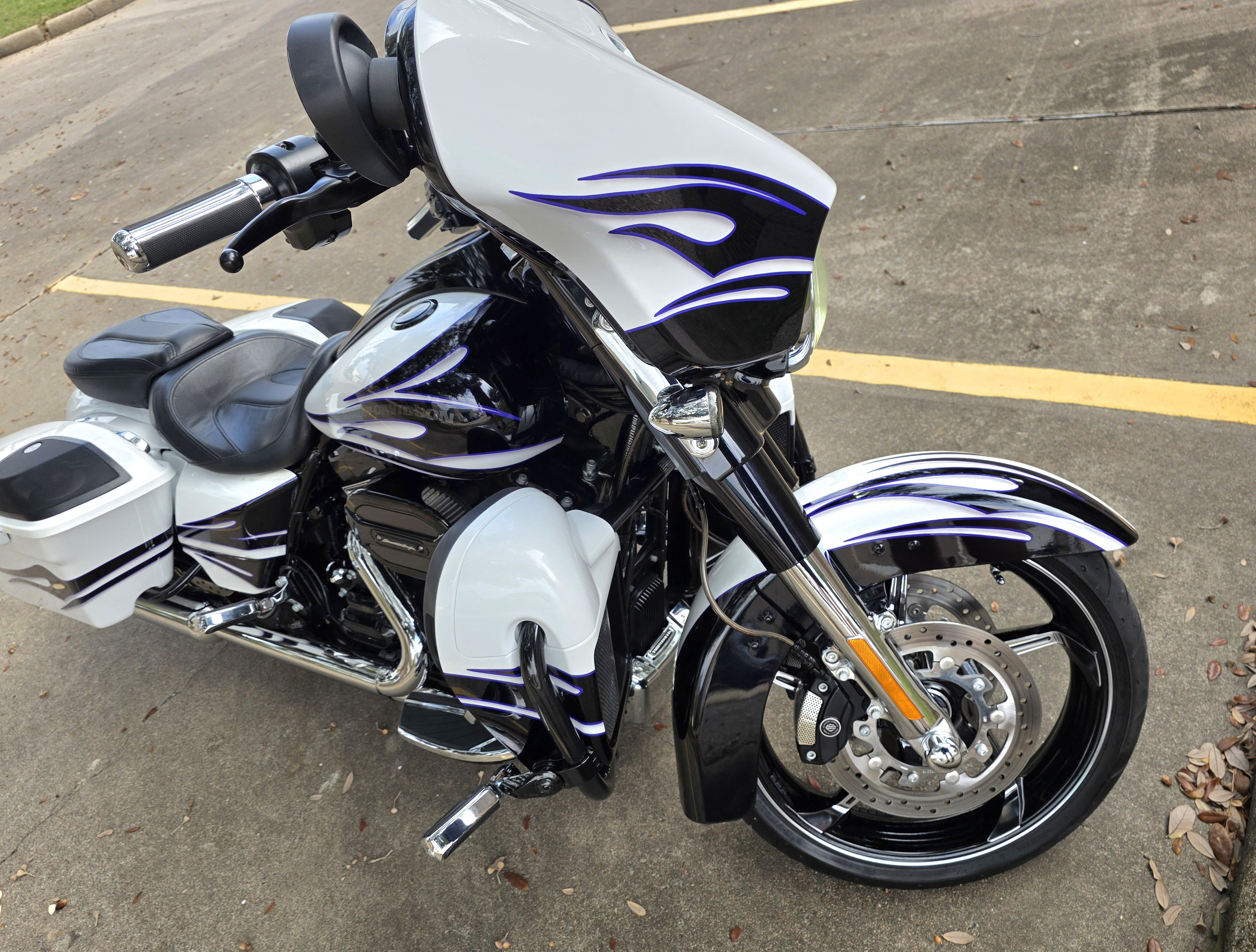
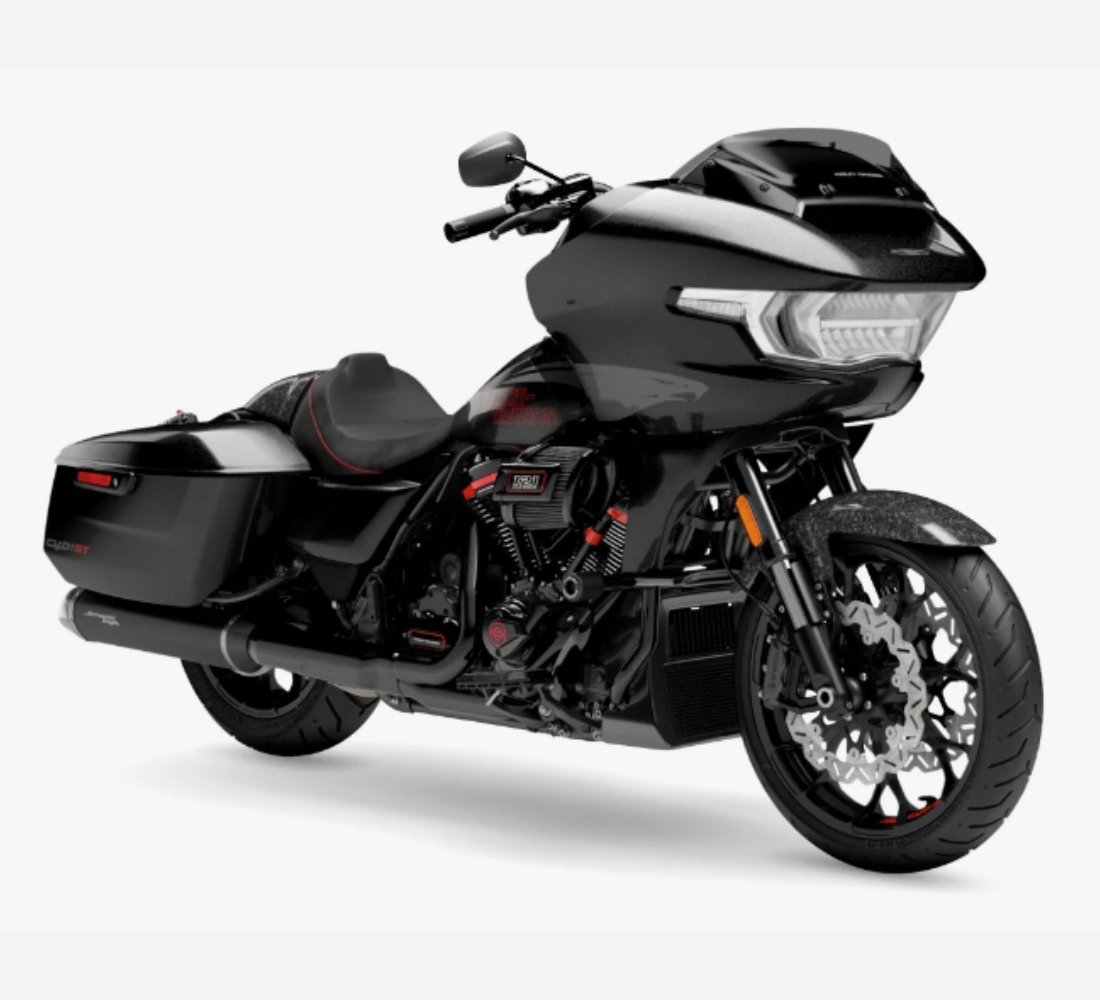
The 2016 Harley-Davidson CVO Road Glide is a premium, factory-custom touring motorcycle defined by its high-performance Screamin’ Eagle Twin Cam 110 engine and the specialized aerodynamic "Sharknose" fairing. As a flagship of the Project RUSHMORE era, it combines luxury long-haul features, like the Boom! Box 6.5GT infotainment system, with exclusive hand-finished paint and chrome detailing that remains a benchmark for the CVO (Custom Vehicle Operations) line.
The Legacy of the 2016 CVO Road Glide in 2026
A decade after its initial release, the 2016 CVO Road Glide (FLTRXSE) holds a unique position in the secondary market. In 2026, it is widely regarded by enthusiasts as the pinnacle of the "Twin Cam" era. While newer models have transitioned to the Milwaukee-Eight powertrain, many riders still seek out the 2016 model for its specific mechanical character and the historical significance of being the final year before the major engine architecture shift in the 2017 touring lineup.
The 2016 CVO was not just a motorcycle but a statement of engineering intent. It was designed to address the common complaints of touring riders—heat, wind buffeting, and tech integration—while maintaining the "fist-in-the-wind" attitude that Harley-Davidson loyalists demand. In the context of 2026, its analog-digital hybrid nature makes it a "modern classic," offering enough technology to be relevant (GPS, Bluetooth, ABS) without the excessive complexity of the most recent AI-integrated rider aids.
The Screamin’ Eagle Twin Cam 110 Powertrain
At the heart of the 2016 CVO Road Glide lies the Air-cooled, Twin-Cooled Twin Cam 110 V-Twin engine. This 1,801cc powerhouse was the largest engine Harley-Davidson offered from the factory at the time.
Torque and Power Delivery
The 110-cubic-inch engine was specifically tuned to provide massive low-end torque, essential for a bike with a curb weight exceeding 800 pounds. It delivers approximately 115 lb-ft of torque at 3,750 RPM. For riders in 2026, this engine provides a "thump" and mechanical feedback that many find more visceral than the smoother, counterbalanced Milwaukee-Eight engines.
Cooling Technology
The 2016 model year utilized "Twin-Cooled" technology on the Ultra versions, which used small radiators hidden in the fairing lowers to cool the cylinder heads. However, the standard CVO Road Glide (FLTRXSE) relied on traditional air cooling supplemented by a high-capacity oil cooler. This distinction is vital for buyers today to understand: the FLTRXSE is a "hot" bike. The high compression and large displacement generate significant heat, a factor that 2026 owners often mitigate with aftermarket headers and EFI tuning.
The Screamin’ Eagle Influence
Because it is a CVO, the engine features Screamin’ Eagle components as standard equipment. This includes a high-flow ventilator intake and a heavy-duty clutch with hydraulic actuation. The 6-Speed Cruise Drive transmission provides smooth shifting, though it retains the signature "clunk" that signifies the robustness of the Harley-Davidson gearbox.
Project RUSHMORE: Aerodynamics and Ergonomics
The 2016 Road Glide benefited immensely from "Project RUSHMORE," a multi-year effort by Harley-Davidson to redesign their touring lineup based on direct rider feedback.
The Sharknose Fairing
The most striking feature of the Road Glide is its frame-mounted Sharknose fairing. Unlike the Batwing fairing found on the Street Glide, which is mounted to the forks, the Sharknose remains stationary. This significantly reduces the impact of crosswinds and semi-truck turbulence on the handlebars, leading to a more stable ride at 2026 highway speeds.
In 2016, this fairing was refined with the Triple Splitstream Vent system. These vents are strategically placed to equalize pressure behind the fairing, virtually eliminating the "helmet buffeting" that plagued earlier models. This allows riders to keep their visors open at higher speeds and reduces neck fatigue during 500-mile days.
Ergonomic Refinements
The CVO variant features a "Slammed" look but maintains rider comfort through a specialized solo seat (with a removable pillion) and ergonomic handlebars that pull back toward the rider. The one-touch saddlebag latches—a hallmark of Project RUSHMORE—allow the rider to open the luggage with a single finger, even while wearing gloves. In 2026, these mechanical improvements are still considered the industry standard for ease of use.
Infotainment and Electronics: The Boom! Box 6.5GT
While modern 2026 motorcycles feature massive TFT displays and full smartphone mirroring, the Boom! Box 6.5GT system in the 2016 CVO was a pioneer in its day.
- Navigation and Control: The 6.5-inch color touchscreen remains functional and supports GPS navigation with 2D and 3D maps. It can be operated via the touchscreen or the intuitive joysticks located on the hand controls.
- Audio Performance: The CVO model came standard with an upgraded audio package, featuring 75 watts per channel and high-output speakers in the fairing and saddlebag lids. The system includes an internal amplifier that delivers clear audio even at 80 mph.
- Connectivity: While it lacks modern wireless Apple CarPlay, it features a USB "Jukebox" compartment that allows for wired phone charging and media playback. Many 2026 owners choose to update the firmware or use Bluetooth adapters to bridge the gap to modern smartphones.
Technical Specifications and Dimensions
The following table outlines the critical technical data for the 2016 Road Glide CVO (FLTRXSE).
| Feature | Specification |
|---|---|
| Engine Type | Screamin' Eagle Twin Cam 110 V-Twin |
| Displacement | 110 cu in (1,801 cc) |
| Bore x Stroke | 4.0 in. x 4.374 in. |
| Engine Torque | 115.1 ft-lb @ 3750 RPM |
| Fuel System | Electronic Sequential Port Fuel Injection (ESPFI) |
| Transmission | 6-Speed Cruise Drive |
| Front Wheel | 19-inch Mirror Chrome Enforcer |
| Rear Wheel | 18-inch Mirror Chrome Enforcer |
| Fuel Capacity | 6.0 gal (22.7 L) |
| Weight (As Shipped) | 818 lb (371 kg) |
| Seat Height | 26.3 in (Laden) |
| Braking System | Reflex Linked ABS (Brembo 4-piston) |
Performance and Handling
The 2016 CVO Road Glide is often described as a "Performance Bagger." Despite its weight, the geometry of the frame and the fork-mounted fairing allow for surprisingly nimble handling in the twisties.
Braking and Safety
Safety is handled by the Reflex Linked Brakes with ABS. This system electronically links the front and rear brakes when traveling above roughly 20 mph. If you apply the rear brake too hard, the system automatically applies a portion of front braking to keep the bike stable. In 2026, this early version of linked braking is still highly effective for emergency stops on heavy touring rigs.
Suspension
The 2016 model uses air-adjustable rear shocks. While this was high-tech at the time, it is one of the areas where 2026 owners often look for upgrades. The stock suspension provides a plush ride on smooth highways but can feel under-damped on the rougher infrastructure often encountered today. The front forks are 49mm, providing a stiff and responsive feel that prevents "diving" under heavy braking.
Aesthetic Excellence: CVO Custom Touches
The "C" in CVO stands for Custom, and the 2016 Road Glide is a masterclass in factory paint. In 2016, Harley-Davidson offered three primary colorways:
- Carbon Dust/Electric Silver
- Charcoal Slate/Magnetic Grey
- Ebony Slate/Electric Silver
These are not standard paint jobs; they feature hand-applied flakes, ghosted Harley-Davidson logos, and deep clear coats that are difficult to replicate in an aftermarket shop. Additionally, the bike features "Mirror Chrome" finishes on almost every surface—from the engine covers to the wheels—which requires dedicated maintenance to preserve in 2026.
Ownership in 2026: Maintenance and Reliability
Owning a 2016 CVO Road Glide in 2026 requires an understanding of the Twin Cam 110's specific needs. While the engine is robust, it has known "character traits" that owners should monitor.
The Lifter and Cam Chain Tensioner Concern
The high-lift cams in the Screamin’ Eagle 110 engine put significant stress on the hydraulic lifters. It is a common recommendation in the Harley community to replace the stock lifters every 20,000 to 25,000 miles as a preventative measure. Failure to do so can result in catastrophic engine damage if a lifter fails and sends metal debris through the oiling system.
Heat Management
The 110 engine runs hot. In 2026, many owners have opted to install "Stage 1" kits, which include a less restrictive exhaust and a professional ECM (Engine Control Module) tune. This not only increases power but significantly lowers the operating temperature, extending the life of the gaskets and improving rider comfort in stop-and-go traffic.
Parts Availability
One of the benefits of the 2016 model is that it shares many chassis parts with the standard Road Glide. While CVO-specific trim pieces (like the specific badges or seat covers) can be expensive or hard to find in 2026, the mechanical components—gaskets, brakes, belts, and filters—are readily available at any Harley-Davidson dealership or through the vast aftermarket.
Comparison: CVO Road Glide vs. CVO Road Glide Ultra
In 2016, Harley-Davidson offered two distinct versions of the CVO Road Glide. It is important to distinguish them based on your touring needs.
- CVO Road Glide (FLTRXSE): This is the "Special" or custom bagger. It has a shorter windscreen, no Tour-Pak (rear luggage trunk), and a solo-focused seat. It is designed for style and shorter trips.
- CVO Road Glide Ultra (FLTRUSE): This is the full-dress tourer. It includes a king Tour-Pak, a taller windscreen, fairing lowers with radiators (Twin-Cooled), and a much more comfortable passenger throne. It is built for cross-country travel with a partner.
Frequently Asked Questions
Is the 2016 CVO Road Glide still a good buy in 2026?
Yes, it remains a premium touring option. Its Twin Cam 110 engine provides a classic Harley feel that many enthusiasts prefer over newer models. However, buyers should check for service records regarding lifter replacement and ensure the "Mirror Chrome" finish hasn't been pitted by poor storage.
How does the 2016 infotainment compare to 2026 standards?
The Boom! Box 6.5GT is dated compared to 2026 TFT screens. It lacks native wireless smartphone integration. However, it is a rugged, weatherproof system that still handles basic navigation and high-quality audio very well. Many owners use a smartphone mount for modern Waze/Google Maps while using the bike’s system for audio.
Does the 2016 Road Glide CVO have LED lighting?
Yes, it comes standard with Daymaker LED headlamps. These remain highly effective even by 2026 standards, providing a bright, white light with a wide "punch" that significantly improves nighttime safety. The turn signals and tail lights are also LED.
What is the typical mileage limit for a used 2016 CVO?
Harley-Davidson engines are designed for longevity. A well-maintained 110 Twin Cam can easily exceed 100,000 miles. However, in the used market of 2026, "low mileage" is generally considered under 30,000 miles. If the bike has over 50,000 miles, ensure the cam chest and lifters have been inspected or upgraded.
Can I upgrade the 2016 CVO to 2026 tech levels?
Yes. There are many "plug-and-play" aftermarket head units available that replace the 6.5GT with a modern touchscreen featuring Apple CarPlay and Android Auto. Additionally, modern suspension kits from brands like Ohlins or Legend can be installed to bring the ride quality up to modern luxury standards.
Final Recommendations
The 2016 Road Glide CVO is a definitive piece of Harley-Davidson history. For the rider who wants a bike that looks like a custom showpiece but possesses the reliability of a factory build, this remains a top-tier choice in 2026.
Next Actions for Prospective Buyers:
- Verify the Vin: Ensure it is a true FLTRXSE (CVO) and not a standard Road Glide with CVO parts added.
- Inspect the Lifters: Ask the seller if the lifters have been replaced with high-quality aftermarket options (like S&S or Johnson Hylift).
- Check the Paint: Look for chips in the CVO-exclusive paint, as these are nearly impossible to match without a professional specialist.
- Test the Audio: Ensure the saddlebag speakers and fairing speakers are not blown, as these high-output components are expensive to replace.