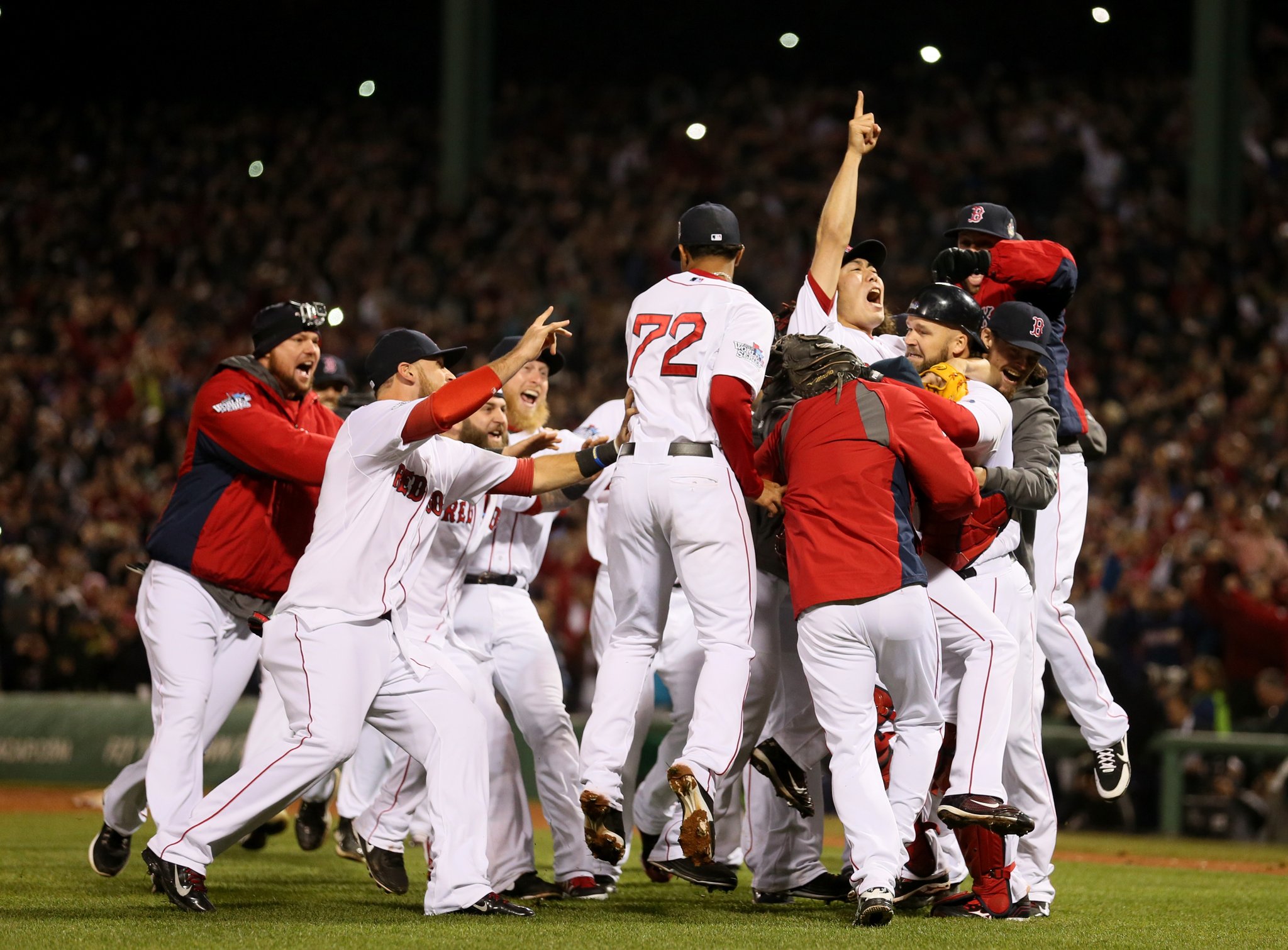
The 2013 Boston Red Sox season stands as a monumental era of "worst-to-first" achievement, where the team transitioned from a 69-win basement finish in 2012 to World Series champions. Beyond the field, the season became a symbol of civic resilience and healing following the tragic Boston Marathon bombings.
From Worst to First: The 2012 Context and the Need for Change
To understand the magnitude of the 2013 triumph, one must first revisit the wreckage of the 2012 season. Under the brief and tumultuous tenure of Bobby Valentine, the Red Sox suffered their worst season in 47 years. The clubhouse culture was fractured, veteran players were disgruntled, and the fan base had reached a point of apathy rarely seen in New England. The "Great Escape" trade with the Los Angeles Dodgers in August 2012—which cleared the massive contracts of Adrian Gonzalez, Carl Crawford, and Josh Beckett—was a necessary tactical retreat that provided the financial flexibility to rebuild.
In 2026, looking back at this transition, baseball historians view the 2012-2013 offseason as a masterclass in organizational recalibration. General Manager Ben Cherington did not chase the highest-priced superstars. Instead, he sought "gritty" players who possessed high baseball IQ and a willingness to embrace the intense Boston market. This led to the hiring of John Farrell as manager, bringing back a familiar face who had served as the team’s pitching coach during the 2007 championship run. Farrell’s arrival signaled a return to professionalism and accountability.
The Emotional Core: Boston Strong and the Marathon Bombings
While the 2013 Red Sox were talented, their season was irrevocably shaped by the events of April 15, 2013. The bombings at the Boston Marathon Finish Line transformed the team from a sports franchise into a vehicle for community recovery. The phrase "Boston Strong" became the rallying cry for a city in mourning, and the Red Sox players took it upon themselves to embody that resilience.
The most iconic moment of this emotional journey occurred on April 20, 2013, during the first home game at Fenway Park after the tragedy. David Ortiz, standing on the infield grass, delivered a raw, unscripted speech that concluded with the now-legendary declaration: "This is our f***ing city, and nobody is going to dictate our freedom. Stay strong." This moment shifted the season’s narrative. The team was no longer just playing for a pennant; they were playing for the morale of their neighbors. The "B Strong" logo was mowed into the center-field grass, and the connection between the team and the city reached a depth that transcended traditional fandom.
Strategic Roster Building: The "Bridge" Year That Wasn't
Initially, 2013 was projected by many analysts as a "bridge" year—a season meant to stabilize the franchise while waiting for top prospects to mature. However, the veterans Cherington signed in the offseason performed far above their career averages. These players, often referred to as "dirt dogs," prioritized clubhouse chemistry and situational hitting.
Key Offseason Acquisitions
The success of the 2013 team was built on several pivotal signings that provided the "power and triumph" promised in the season's legacy:
- Shane Victorino: Known as "The Flyin' Hawaiian," Victorino brought elite defense to right field and a penchant for clutch hitting. His grand slam in the ALCS remains one of the most celebrated moments in Fenway history.
- Mike Napoli: Transitioning from catcher to first base, Napoli provided raw power and a leadership presence. His massive home runs and his role in the "Beard" movement helped define the team's identity.
- Koji Uehara: Signed as a middle reliever, Uehara eventually took over the closer role. In 2013, he posted one of the most dominant seasons for a reliever in MLB history, featuring a 1.09 ERA and a strikeout-to-walk ratio that defied logic.
- Jonny Gomes: While his statistical output was modest, Gomes was credited with being the "glue" of the clubhouse. He was the primary architect of the team's decision to grow long, unkempt beards as a sign of unity.
The Regular Season: Power, Patience, and Beards
The 2013 Red Sox led the American League in runs scored (853) and on-base percentage (.349). Their offensive philosophy was built on "grinding out" at-bats, forcing opposing pitchers to throw high pitch counts and exposing the weaknesses of middle-relief corps. This approach resulted in a league-leading 601 walks, a testament to the discipline instilled by the coaching staff.
The "Beard" phenomenon became a cultural sensation. Starting in spring training, players began growing beards and refused to shave until the season ended. This "Tug-of-the-Beard" celebration became a signature move after big hits. Fans followed suit, wearing fake beards to games, creating a visual brand for the team that emphasized ruggedness and unity. By the time the team reached the All-Star break, it was clear that the 2013 squad was a legitimate contender, not a fluke.
The Postseason Journey to Triumph
The Red Sox finished the regular season with 97 wins, clinching the American League East. Their path through the playoffs was a gauntlet against some of the best pitching rotations in the modern era.
ALDS and the ALCS Showdown
In the American League Division Series (ALDS), the Red Sox defeated the Tampa Bay Rays 3-1. However, the real test came in the American League Championship Series (ALCS) against the Detroit Tigers, who featured a rotation of Max Scherzer, Justin Verlander, and Anibal Sanchez.
The defining moment of the ALCS occurred in Game 2. Trailing 5-1 in the eighth inning, the Red Sox loaded the bases. David Ortiz stepped to the plate and launched a game-tying grand slam into the Red Sox bullpen, a hit that sent Tigers outfielder Torii Hunter flipping over the wall and produced the iconic image of a Boston police officer celebrating with raised arms. That single swing shifted the momentum of the entire series, which the Red Sox eventually won in six games.
The 2013 World Series: Clinching at Fenway
The 2013 World Series pitted the Red Sox against the St. Louis Cardinals. It was a clash of two "old school" franchises with deep histories. The series was tightly contested, featuring a controversial "obstruction" call in Game 3 that led to a Cardinals win. However, David Ortiz put on one of the greatest individual World Series performances in history, batting .688 with two home runs and six RBIs, essentially forcing the Cardinals to walk him every time he came to the plate.
In Game 6, played at Fenway Park, the Red Sox secured a 6-1 victory behind a dominant performance from John Lackey and a bases-clearing double by Shane Victorino. This victory was historically significant as it was the first time the Red Sox had clinched a World Series title on their home field since 1918.
Statistical Leaders and Impact Players
The 2013 roster was balanced, with contributions coming from every corner of the clubhouse. While David Ortiz was the focal point, the supporting cast ensured that the team never relied on a single individual.
| Player | Category | 2013 Regular Season Stat | Impact / Significance |
|---|---|---|---|
| David Ortiz | Batting Average / OPS | .309 / .959 | Career-defining year; World Series MVP. |
| Dustin Pedroia | Hits / Gold Glove | 193 Hits | The defensive heart and soul of the infield. |
| Jon Lester | Wins / Postseason ERA | 15 Wins / 1.56 PS ERA | Established himself as a true postseason ace. |
| Koji Uehara | Saves / WHIP | 21 Saves / 0.57 WHIP | Set a record for the lowest WHIP in MLB history (min 50 IP). |
| Mike Napoli | Home Runs | 23 HR | Provided middle-of-the-order power and veteran leadership. |
| Shane Victorino | Outs Above Average | +15 DRS | Elite right-field defense and clutch postseason hitting. |
The Legacy of 2013 in 2026
Thirteen years later, the 2013 Red Sox are remembered differently than the 2004 "Idiots" or the powerhouse 2018 team. The 2004 team ended the curse, and the 2018 team was arguably the most talented in franchise history. However, the 2013 team remains the most loved. They are the team that "healed a city."
In 2026, many of the players from that roster have moved into coaching, broadcasting, or management. David Ortiz has been inducted into the Hall of Fame, and Dustin Pedroia’s number 15 is a frequent subject of retirement discussions. The "Boston Strong" jersey that hung in the dugout throughout the 2013 season is now a centerpiece at the National Baseball Hall of Fame in Cooperstown, serving as a permanent reminder of how a sports team can act as a lighthouse during a community's darkest hours.
Frequently Asked Questions
Who was the 2013 World Series MVP?
David Ortiz was named the 2013 World Series MVP. His performance was statistically historic, recording 11 hits in 16 at-bats, including two home runs and eight walks. His .688 batting average remains one of the highest in the history of the Fall Classic.
Why was the 2013 season called the "Season of the Beards"?
The "Beard" movement began as a simple bonding exercise during spring training between Jonny Gomes and Mike Napoli. It eventually evolved into a team-wide pact where players refused to shave until they were eliminated or won the World Series. It became a marketing sensation and a symbol of the team's rugged, unified identity.
How many games did the Red Sox win in 2013?
The Red Sox won 97 games during the regular season, finishing with a 97-65 record. They were tied with the St. Louis Cardinals for the best record in all of Major League Baseball that year. In the postseason, they went 11-5 to secure the championship.
What was the significance of Game 6 being at Fenway Park?
Prior to 2013, the Red Sox had won World Series titles in 2004 and 2007, but both of those were clinched on the road (in St. Louis and Colorado, respectively). The 2013 victory was the first time since 1918—a span of 95 years—that Red Sox fans were able to witness a championship clincher within the walls of Fenway Park.
How did the team honor the Marathon bombing victims?
The team honored victims through several gestures: the "B Strong" logo on their jerseys, hosting survivors and first responders at games, and visiting hospitals. After winning the World Series, the team took the trophy to the Marathon finish line during their victory parade as a final tribute to the city.
Next Steps for Fans and Historians
For those looking to relive the "Power and Triumph" of the 2013 season, the official World Series film and the documentary "The 2013 Boston Red Sox: A Season to Remember" provide comprehensive visual histories. Fans can also visit the official Red Sox website for archival statistics and historical galleries. If you are in Boston, a tour of Fenway Park offers a close-up look at the 2013 championship banner and memorabilia from David Ortiz's historic run.