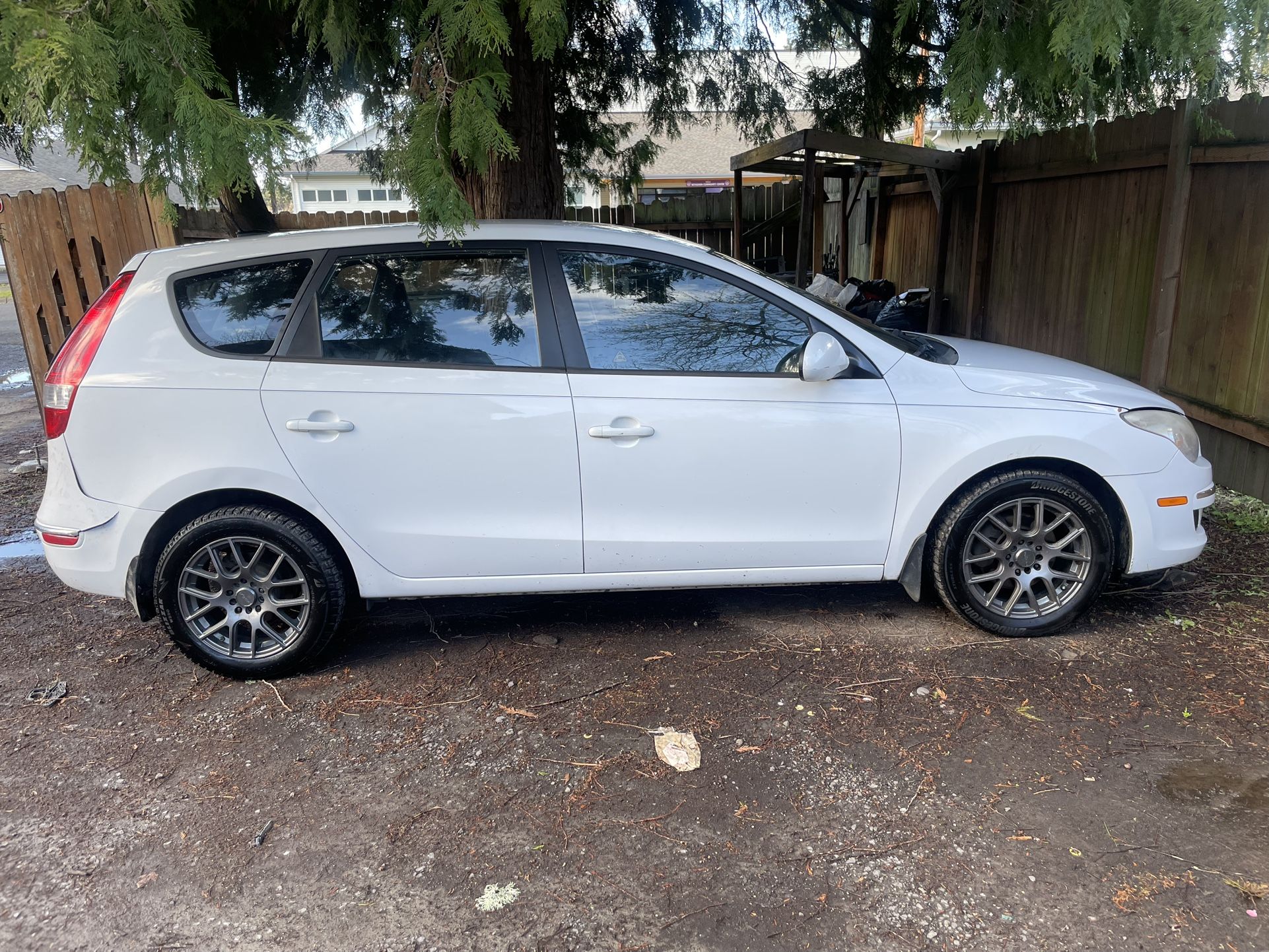
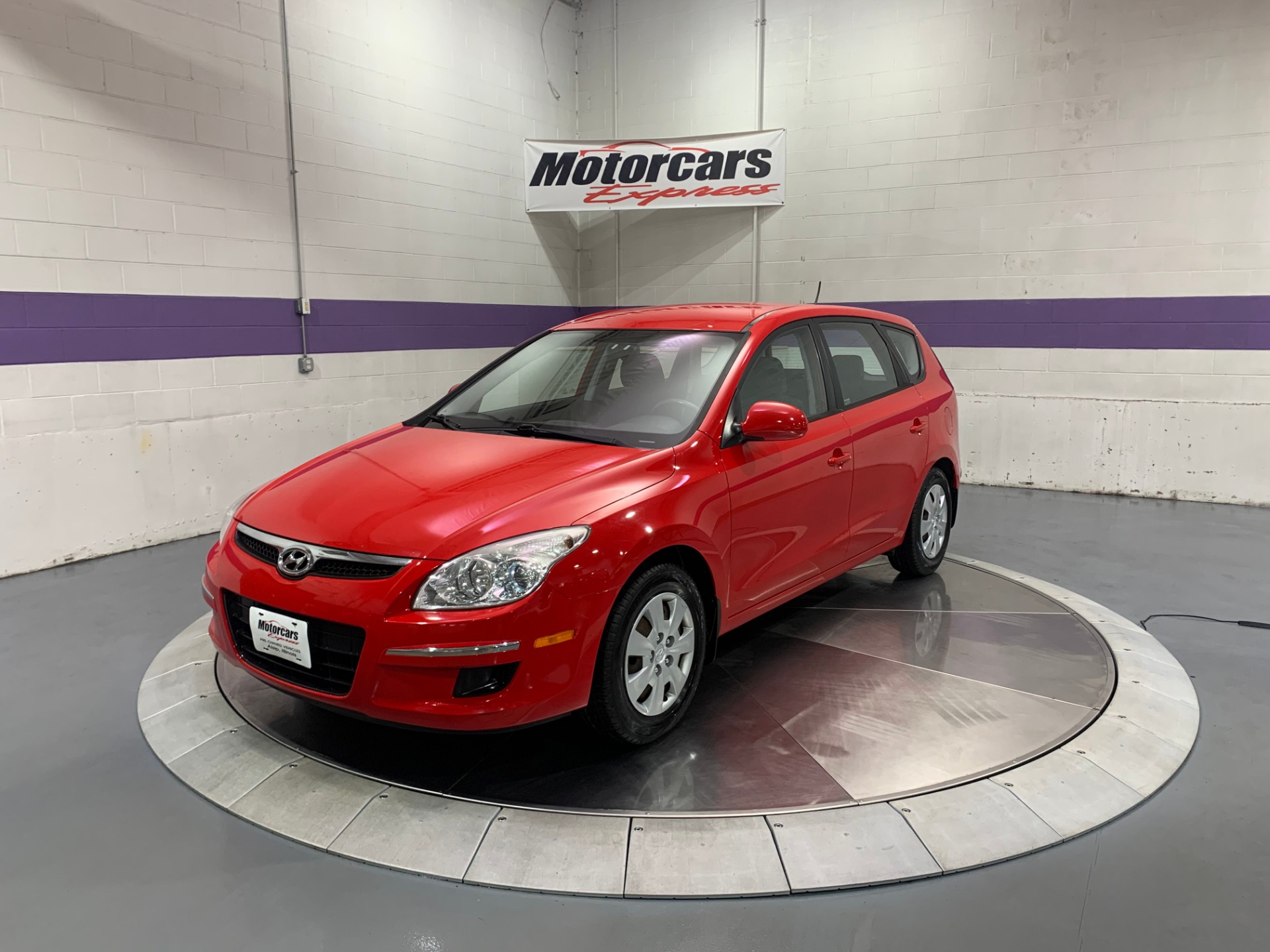
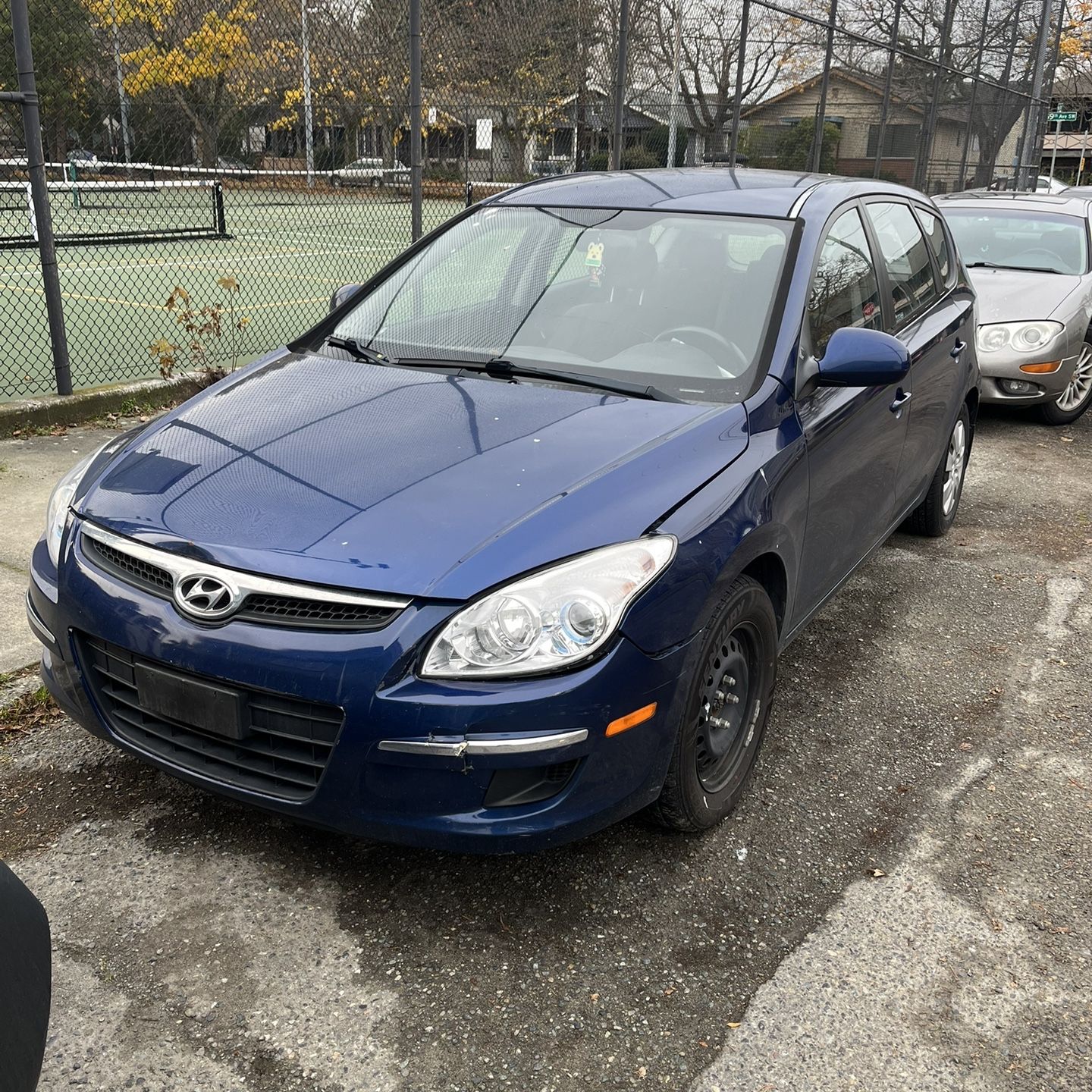
The 2011 Hyundai Elantra Touring functions as a versatile compact hatchback, offering significantly more cargo capacity and interior verticality than the standard Elantra sedan of the same model year. Built on a distinct platform shared with the European-market Hyundai i30, this vehicle caters to drivers seeking fuel-efficient commuter utility paired with a flexible rear-loading area.
Historical Context and Vehicle Identity
The 2011 Hyundai Elantra Touring occupies a unique space in the Korean automaker's North American lineage. While it shares the "Elantra" nameplate with the popular sedan of the same era, it is structurally different. The sedan underwent a major design overhaul in 2011, moving to the "Fluidic Sculpture" aesthetic, whereas the 2011 Elantra Touring maintained the design language of the previous generation.
Understanding this distinction is critical for owners and prospective buyers. The Touring model is effectively a compact wagon. Because it was engineered with European roads in mind, it features a slightly firmer suspension setup and different interior packaging compared to the domestic sedan version. By 2026, these vehicles are classified as mature, high-mileage utility options, making them popular for budget-conscious buyers who prioritize mechanical simplicity over modern infotainment or driver-assistance technologies.
Technical Specifications and Powertrain
The 2011 Elantra Touring is equipped with a 2.0-liter, 16-valve, DOHC (Double Overhead Camshaft) inline-four engine. This engine was a staple for Hyundai during that period, known more for its straightforward maintenance than for high-performance output.
- Engine: 2.0L Beta II Inline-4
- Horsepower: 138 hp @ 6,000 rpm
- Torque: 136 lb-ft @ 4,600 rpm
- Transmission: 5-speed manual or 4-speed automatic
- Drivetrain: Front-wheel drive (FWD)
The 4-speed automatic transmission is a point of note for long-term reliability. While it lacks the gear range of modern 8-speed or CVT transmissions, its simplicity often results in lower long-term repair costs, provided the transmission fluid has been changed at regular intervals. The engine utilizes a timing belt rather than a chain, necessitating strict adherence to replacement intervals—typically recommended every 60,000 to 90,000 miles—to prevent catastrophic engine failure.
Interior Utility and Cargo Dynamics
The primary reason to select the Touring model over the sedan is the cargo configuration. With the rear seats in the upright position, the vehicle provides approximately 24.3 cubic feet of storage. When the 60/40 split-folding rear seats are lowered, this capacity expands to 65.3 cubic feet, effectively creating a flat-load floor that rivals small crossover SUVs.
The cabin design emphasizes ergonomics over luxury. Controls are laid out in a logical, high-contrast fashion, which has aged better than many of the complex, touchscreen-dependent cockpits found in mid-2010s vehicles. Materials are utilitarian, featuring hard plastics designed for durability rather than soft-touch refinement. For the 2026 owner, this translates to an interior that, while dated in appearance, remains functional and relatively resistant to degradation if maintained properly.
Comparison Table: 2011 Elantra Touring vs. 2011 Elantra Sedan
| Feature | 2011 Elantra Touring (Wagon) | 2011 Elantra Sedan |
|---|---|---|
| Platform Basis | European i30 (CW) | Domestic Elantra (MD) |
| Max Cargo Capacity | 65.3 cu. ft. | 14.8 cu. ft. (Trunk) |
| Engine Displacement | 2.0L (Beta II) | 1.8L (Nu) |
| Suspension Setup | Independent Multi-link Rear | Torsion Beam Rear |
| Curb Weight | ~2,800–2,900 lbs | ~2,600–2,700 lbs |
Maintenance and Common Troubleshooting
As of 2026, the 2011 Hyundai Elantra Touring is in the "legacy ownership" phase. The most significant maintenance priority is the timing belt. Unlike the 1.8L Nu engine found in the 2011 sedan, which uses a timing chain, the 2.0L in the Touring requires periodic belt replacement. Ignoring this service is the most common cause of engine retirement for this specific model.
Suspension components are another area of concern. Given the vehicle's age, bushings, ball joints, and struts are likely reaching the end of their service life. Owners frequently report a "clunking" noise from the front suspension, which typically points to worn sway bar end links—a relatively inexpensive and manageable repair.
Electrical issues are generally minimal, though power window regulators and door lock actuators are known to fail after 15 years of use. Because the vehicle lacks complex electronic control units compared to contemporary vehicles, diagnostic tasks are often simpler, allowing for DIY intervention with basic OBD-II scanners.
Safety and Regulatory Standards
In its day, the 2011 Elantra Touring was equipped with standard safety features including six airbags (dual front, front-seat-mounted side, and side-curtain airbags), Electronic Stability Control (ESC), and four-wheel disc brakes with ABS. While these were competitive in 2011, they do not match the comprehensive suites of 2026.
Buyers must verify the status of any open safety recalls. Over the lifespan of this vehicle, recalls regarding brake light switches or other minor safety components were issued. Accessing the National Highway Traffic Safety Administration (NHTSA) database using the vehicle's 17-digit VIN (Vehicle Identification Number) is the only definitive way to confirm that all manufacturer-mandated repairs have been addressed.
Ownership Considerations in 2026
Purchasing or maintaining a 2011 Elantra Touring today requires a different mindset than purchasing a new vehicle. Fuel economy is moderate by modern standards, typically ranging between 23–30 mpg depending on driving conditions. However, the lack of a monthly payment often offsets the higher fuel consumption compared to a modern hybrid.
Insurance premiums for a 2011 model are typically low due to the vehicle's diminished book value. However, finding replacement body parts—specifically rear-end panels or hatch-specific components—can be challenging as the supply in salvage yards decreases. Mechanical parts remain widely available through aftermarket suppliers, as the 2.0L Beta II engine was shared across several other Hyundai and Kia models, ensuring that engine-related repairs remain cost-effective.
Frequently Asked Questions
Does the 2011 Elantra Touring use a timing belt or a chain? The 2011 Elantra Touring uses a timing belt. This is a critical maintenance item that requires inspection and replacement according to the manufacturer’s service interval, typically every 60,000 to 90,000 miles, to prevent engine failure.
Is the 2011 Elantra Touring structurally the same as the 2011 Elantra sedan? No. They are built on different platforms. The Touring version is based on the Hyundai i30 wagon platform, which features a different rear suspension design, a different engine, and significantly more cargo space than the sedan.
Are parts still available for the 2011 model in 2026? Yes, mechanical parts are widely available through major aftermarket retailers and local automotive shops. Because the powertrain was used across multiple Hyundai models, finding engine and transmission components remains relatively easy compared to chassis-specific body parts.
What is the most common issue with this model? Aside from the timing belt, the most frequently reported issues involve worn suspension end links causing noise, and the failure of interior door lock actuators or window motors. These are generally considered minor, manageable repairs.
Should I use premium fuel for this engine? No. The 2.0L Beta II engine is designed to run efficiently on 87-octane regular unleaded gasoline. Using higher-octane fuel offers no performance or efficiency benefit for this engine and is not required by the manufacturer.
Next Steps for Owners
If you currently own or are considering the purchase of a 2011 Hyundai Elantra Touring, your first priority is a thorough inspection of the timing belt's service history. If records are missing, assume it needs replacement immediately to safeguard the engine. Once mechanical health is verified, focus on the suspension components to ensure handling stability. For daily operation, prioritize regular oil changes and transmission fluid services to keep the powertrain viable for as long as possible. If you are preparing the vehicle for long-term use, address minor electrical quirks—such as intermittent window functionality—early, as parts for these older systems are gradually transitioning out of mass production.