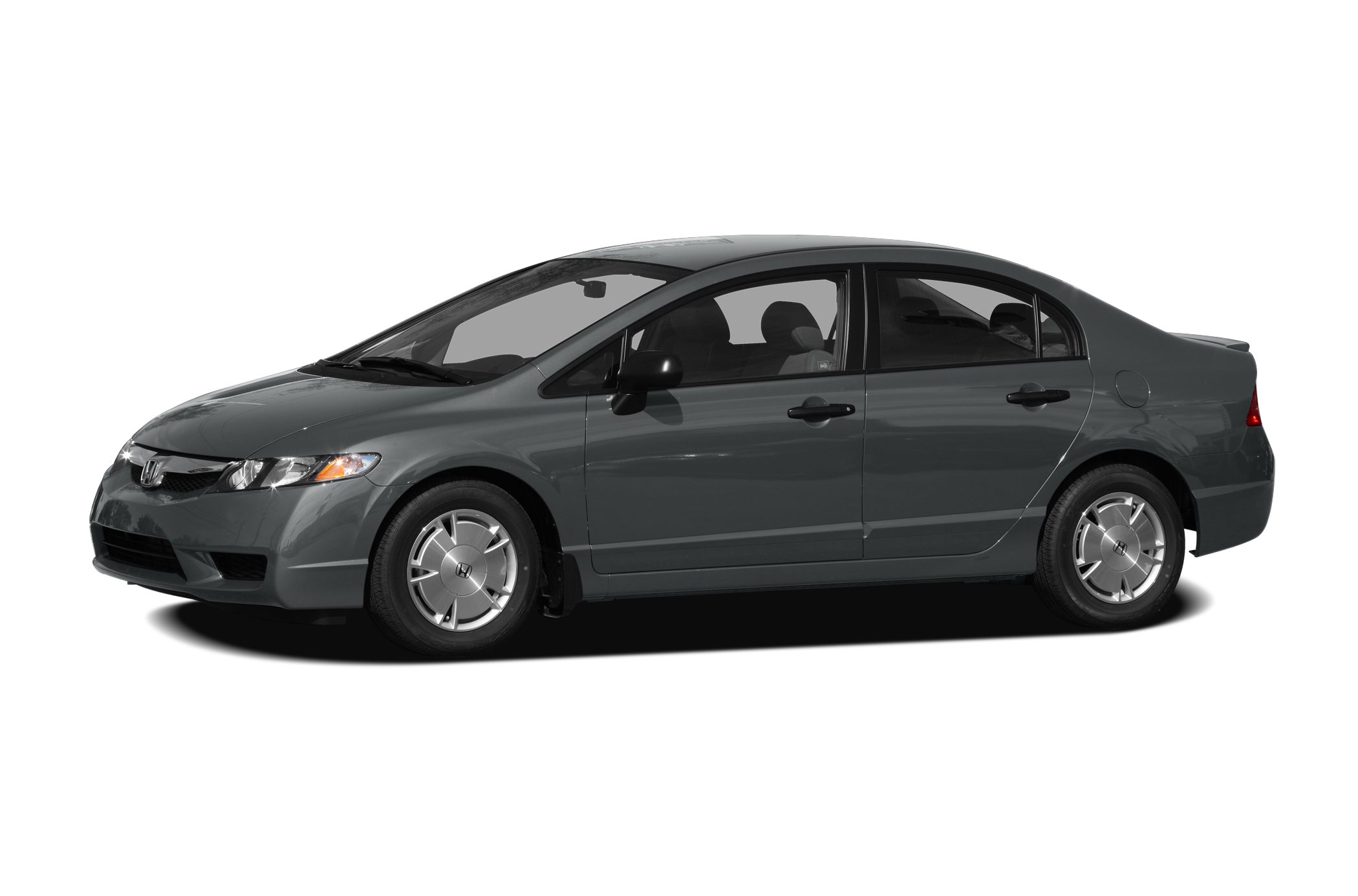
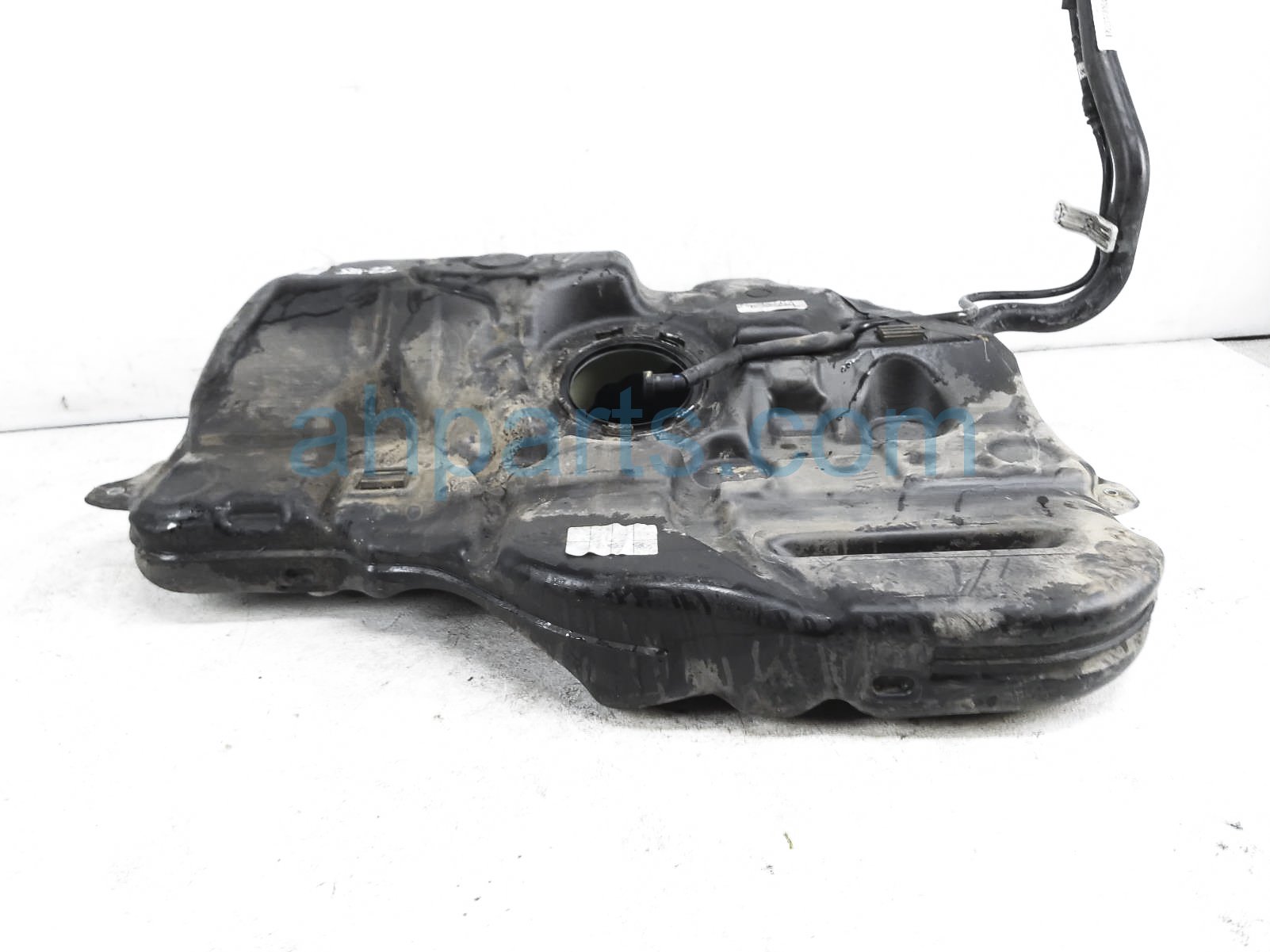
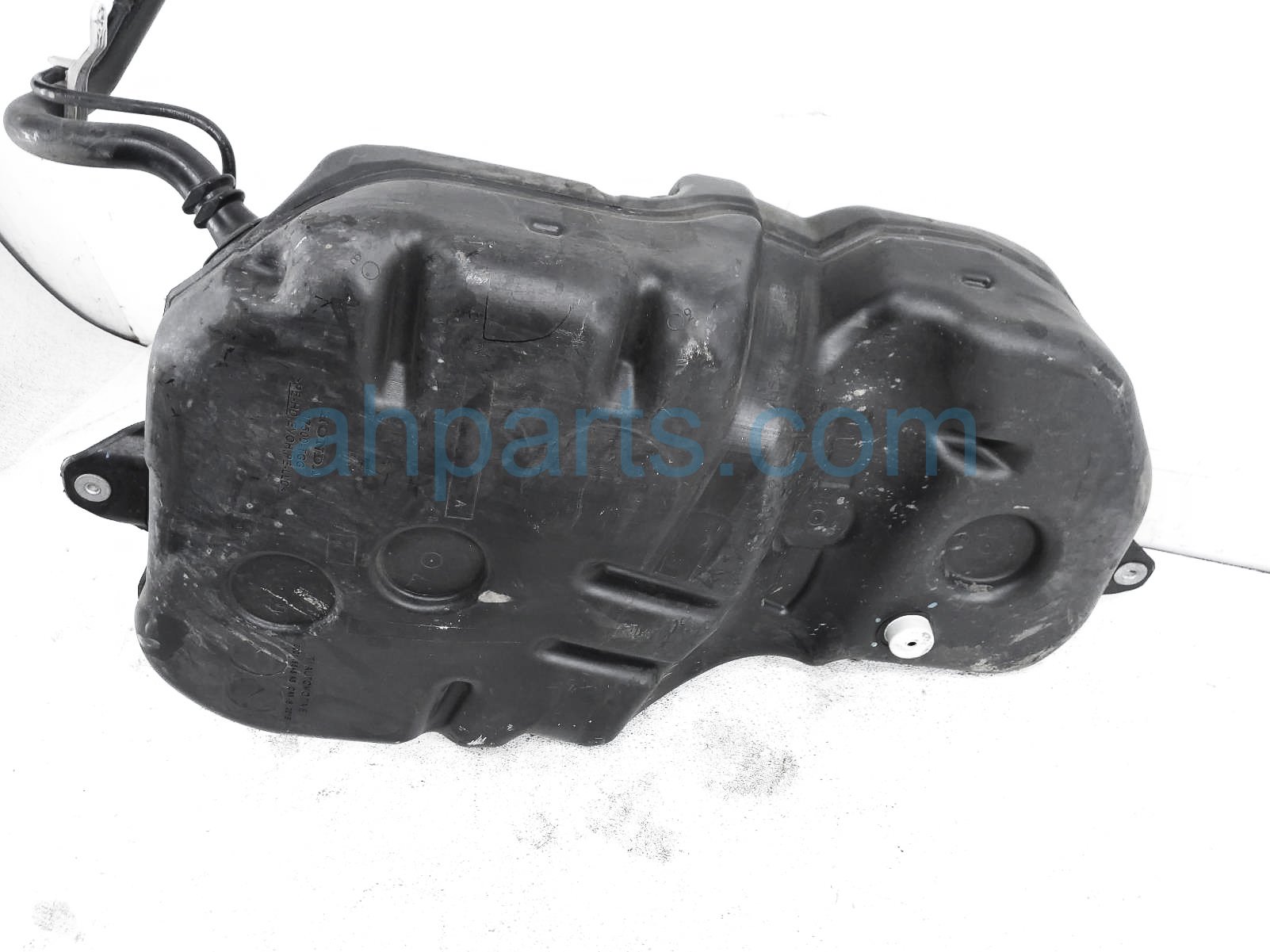
The 2010 Honda Civic features a gas tank capacity of either 13.2 U.S. gallons (50 liters) for standard gasoline-powered coupe and sedan models, or 12.4 U.S. gallons (47 liters) for the Civic Hybrid and Civic Natural Gas (GX) variants. Understanding these exact fuel storage specifications allows drivers to accurately calculate driving range, plan long-distance journeys, and monitor fuel efficiency under varied real-world driving conditions.
When maintaining, repairing, or simply calculating the operating range of an eighth-generation Honda Civic, knowing the precise fuel tank volume is essential. Because vehicle performance, fuel economy estimates, and refueling costs all tie back to how much fuel the vehicle can hold, an in-depth breakdown of the 2010 Honda Civic fuel system variants provides clarity for owners, buyers, and automotive technicians alike.
Overview of the Eighth-Generation Honda Civic Fuel System
The 2010 model year sits right in the middle of the eighth generation of the Honda Civic, which spanned from the 2006 through 2011 model years. During this era, Honda engineered multiple powertrain configurations to cater to different consumer needs, ranging from traditional gasoline engines to high-efficiency hybrids and alternative-fuel vehicles.
Because of these diverse engineering layouts, the physical fuel storage capacity varies depending on the specific trim level and drivetrain option chosen. While the exterior dimensions and interior packaging remained largely consistent across standard sedans and coupes, the integration of hybrid battery packs or compressed natural gas tanks required distinct packaging modifications underneath the vehicle floorboards.
For the vast majority of owners driving standard DX, LX, EX, EX-L, or Si models, the fuel storage system is uniform. However, assuming every 2010 Civic shares the exact same tank size can lead to miscalculations regarding fuel economy and trip planning, particularly for drivers transitioning between standard gasoline variants and alternative trims.
Detailed Breakdown of 2010 Honda Civic Tank Capacities by Trim
To ensure absolute accuracy when evaluating fuel capacity, it is necessary to examine how capacities differ across specific powertrain configurations. The following breakdown outlines the exact factory fuel storage volumes for each major 2010 Honda Civic variant.
Standard Gasoline Models (Coupe and Sedan)
The standard gasoline-powered 2010 Honda Civic, which includes the 1.8-liter four-cylinder engine found in the DX, LX, and EX trims, as well as the high-performance 2.0-liter engine found in the sporty Civic Si, is equipped with a 13.2 U.S. gallons (50 liters) fuel tank.
- DX and LX Trims: Designed for commuter efficiency with a 1.8L engine, utilizing the full 13.2-gallon capacity to yield impressive highway cruising ranges.
- EX and EX-L Trims: Featuring the same 1.8L powerplant and identical fuel storage dimensions, ensuring standard highway travel ranges remain consistent across mainstream trims.
- Si Trim (Coupe and Sedan): Powered by a high-revving 2.0L VTEC engine. Despite higher fuel consumption and lower overall miles per gallon (MPG) compared to the standard 1.8L engine, the Si retains the same 13.2-gallon fuel tank architecture.
Civic Hybrid
The 2010 Honda Civic Hybrid pairs a 1.3-liter i-VTEC four-cylinder engine with an electric Integrated Motor Assist (IMA) system. To accommodate the nickel-metal hydride (NiMH) battery pack located behind the rear seatbacks, Honda modified the underfloor packaging of the vehicle, resulting in a slightly smaller fuel reservoir.
- Fuel Capacity: 12.4 U.S. gallons (47 liters).
- Operational Impact: While the hybrid offers significantly higher EPA fuel economy ratings than standard models, the 0.8-gallon reduction in tank size slightly compresses the theoretical maximum driving range compared to a standard gasoline sedan, though outstanding fuel efficiency more than compensates for the difference.
Civic GX (Natural Gas)
The Civic GX is a specialized variant engineered to run exclusively on Compressed Natural Gas (CNG). Unlike liquid gasoline tanks, the CNG fuel system utilizes a high-pressure composite fuel cylinder mounted inside the trunk area.
- Fuel Capacity: Measured in gasoline gallon equivalents (GGE), the Civic GX tank holds approximately 8.0 GGE (or about 3,600 psi of compressed natural gas).
- Operational Impact: Because natural gas has a lower energy density by volume than liquid gasoline, the effective range of the Civic GX is considerably shorter than standard gasoline or hybrid models, requiring more frequent refueling stops at dedicated CNG stations.
| Trim Level / Variant | Engine Type | Fuel Tank Capacity | Fuel Type |
|---|---|---|---|
| DX, LX, EX, EX-L (Sedan/Coupe) | 1.8L 4-Cylinder | 13.2 U.S. Gal (50 Liters) | Unleaded Gasoline (87 Octane) |
| Si (Sedan/Coupe) | 2.0L 4-Cylinder | 13.2 U.S. Gal (50 Liters) | Premium Unleaded (91+ Octane) |
| Hybrid | 1.3L 4-Cylinder + IMA | 12.4 U.S. Gal (47 Liters) | Unleaded Gasoline (87 Octane) |
| GX | 1.8L CNG 4-Cylinder | 8.0 GGE (Compressed) | Compressed Natural Gas (CNG) |
Calculating Driving Range and Fuel Economy
Knowing the 2010 honda civic gas tank capacity allows owners to estimate total driving range between fill-ups. However, real-world driving range depends heavily on driving habits, vehicle maintenance, tire pressure, and environmental conditions.
According to historical EPA testing metrics adjusted for the 2010 model year:
- Standard 1.8L Automatic/Manual: Achieves roughly 25-26 mpg city and 34 mpg highway. Multiplying the 13.2-gallon capacity by a blended average of roughly 29 mpg yields an estimated nominal cruising range of approximately 380 to 400 miles under mixed driving conditions.
- Civic Si: Achieves approximately 21 mpg city and 29 mpg highway. With the 13.2-gallon tank, a spirited driving style will typically reduce total highway range to roughly 350 miles.
- Civic Hybrid: Achieves an EPA-estimated 40 mpg city and 45 mpg highway. Multiplying the 12.4-gallon tank by a conservative average of 42 mpg yields a total estimated cruising range exceeding 500 miles on a single fill-up.
Reserve Fuel and Low Fuel Warning Behavior
Drivers frequently wonder how much fuel remains in the 2010 Honda Civic when the low fuel warning light illuminates on the instrument cluster.
Honda engineers designed the low fuel indicator to trigger when approximately 2.0 to 2.3 U.S. gallons of fuel remain in the tank. This reserve buffer gives drivers ample time—typically 50 to 70 miles of normal driving—to locate a gas station after the warning light turns on. Relying on this reserve is discouraged, however, as running a vehicle consistently near empty can draw accumulated sediment into the fuel pump and cause premature fuel pump overheating or failure.
Refueling Guidelines and Best Practices
Maintaining the fuel system of a 2010 Honda Civic involves standard automotive best practices to ensure longevity and prevent evaporative emissions system (EVAP) issues, which are common diagnostic trouble codes in older high-mileage vehicles.
Octane Requirements
- Standard 1.8L and Hybrid Models: Designed to run efficiently on standard regular unleaded gasoline with an octane rating of 87 or higher. Using higher octane fuels (such as premium 91 or 93) offers no performance or efficiency benefit for these engines.
- Si Models: Require premium unleaded gasoline with an octane rating of 91 or higher to prevent engine knock and allow the high-compression 2.0L VTEC engine to produce its rated 197 horsepower.
Preventing EVAP System Faults
The 2010 Honda Civic utilizes an advanced On-Board Diagnostic (OBD-II) system that monitors the sealed fuel system for vapor leaks. To prevent Check Engine Lights related to evaporative emissions:
- Click the Gas Cap: Ensure the fuel cap is tightened until it clicks at least three to four times after refueling. A loose gas cap is the single most common cause of EVAP-related diagnostic trouble codes (such as P0456 or P0457) on this generation of Civic.
- Avoid "Topping Off": Stop pumping fuel the automatic nozzle shut-off clicks the first time. Forcing additional fuel into the filler neck floods the charcoal canister with liquid gasoline, damaging the emission control system and leading to costly repairs.
Frequently Asked Questions
How many gallons does a 2010 Honda Civic gas tank hold?
Standard gasoline-powered 2010 Honda Civic coupes and sedans hold 13.2 U.S. gallons (50 liters). The Civic Hybrid holds 12.4 U.S. gallons (47 liters), and the natural gas-powered Civic GX holds approximately 8.0 gasoline gallon equivalents (GGE).
How many miles can a 2010 Honda Civic go on a full tank of gas?
Depending on the trim level and driving conditions, a standard 1.8-liter 2010 Honda Civic can travel between 350 and 420 miles on a single full tank. The Civic Hybrid can achieve well over 500 miles due to its exceptional EPA fuel economy ratings.
What kind of gas should I put in a 2010 Honda Civic?
Standard 1.8L models and Hybrid variants require regular unleaded gasoline with an 87 octane rating. The high-performance 2010 Honda Civic Si requires premium unleaded gasoline with an octane rating of 91 or higher.
How much fuel is left when the low fuel light comes on?
When the low fuel warning indicator illuminates on the dashboard instrument panel of a 2010 Honda Civic, there are typically about 2.0 to 2.3 gallons of usable fuel remaining in the tank, providing roughly 50 miles of emergency driving range.
Can I install a larger aftermarket gas tank in a 2010 Honda Civic?
No, aftermarket larger fuel tanks are not commercially produced for passenger cars like the 2010 Honda Civic. The fuel tank is custom-molded high-density polyethylene shaped specifically to fit within the chassis underbody architecture without interfering with the exhaust system, suspension components, or rear axle.
Conclusion and Next Actions
Knowing that the 2010 Honda Civic gas tank capacity is 13.2 gallons for standard models or 12.4 gallons for hybrids enables accurate trip planning, realistic fuel budgeting, and effective monitoring of vehicle efficiency. If your vehicle is experiencing poor fuel economy or unexpected fuel gauge readings, verify tire pressures, check for dragging brakes, inspect the fuel filter and spark plugs, and scan for stored diagnostic trouble codes using an OBD-II scanner. Always ensure your gas cap is firmly clicked into place after every refueling stop to maintain a sealed emissions system.