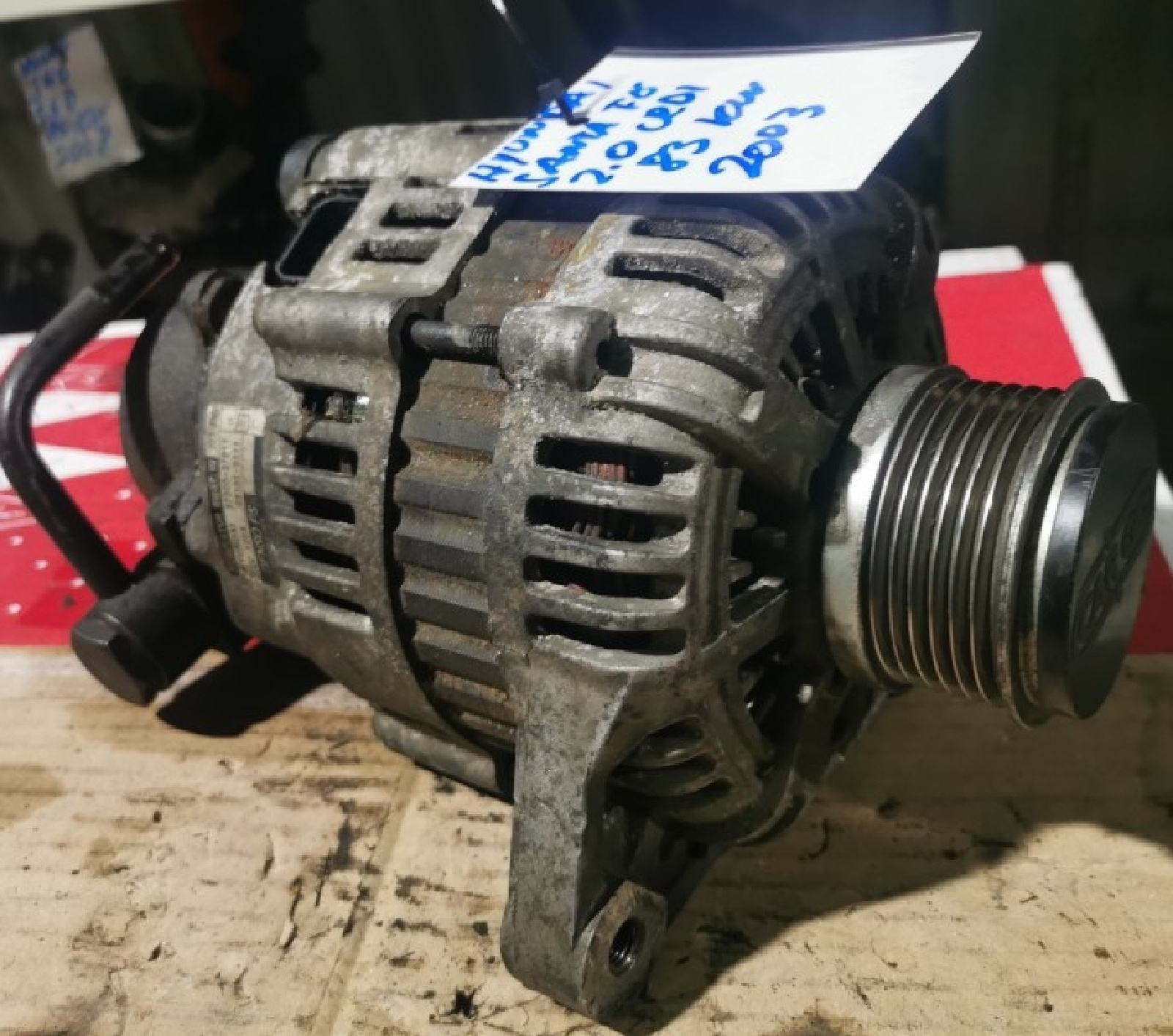
The 2008 Hyundai Santa Fe alternator is a belt-driven generator responsible for converting mechanical engine energy into electrical power to run the vehicle's electrical systems and recharge the 12-volt battery while driving. When this component fails, it typically triggers dashboard warning lights, dimming headlights, and eventual total electrical shutdown once the battery's remaining reserve is exhausted.
Understanding the 2008 Hyundai Santa Fe Charging System
The electrical architecture of the 2008 Hyundai Santa Fe relies heavily on a properly functioning alternator to maintain system voltage between 13.5 and 14.5 volts while the engine is running. Depending on the specific trim level and powertrain configuration, this model year was produced with two primary engine options: the 2.7-liter V6 and the larger 3.3-liter V6. Both engines utilize serpentine belt-driven alternators equipped with internal voltage regulators.
Unlike older automotive designs where external regulators managed charging output, modern units feature internal solid-state microcircuits that constantly monitor electrical load and battery state of charge. The alternator communicates directly with the powertrain control module (PCM) and instrument cluster. If output drops below operational thresholds, the charging system warning lamp illuminates on the dashboard, providing the driver with an immediate notice of impending failure.
Understanding how this component integrates into the vehicle's broader ecosystem helps prevent misdiagnoses. Many drivers replace a battery when the root cause is actually a failing alternator diode or worn brushes. Conversely, a severely degraded battery can place an excessive continuous load on a healthy alternator, causing premature thermal breakdown. Evaluating both components simultaneously ensures long-term reliability.
Recognizing Symptoms of Alternator Failure
Identifying early signs of alternator degradation can prevent drivers from becoming stranded on the road. Because every electrical accessory in the vehicle depends on this component, failure manifests across multiple systems simultaneously.
Common Indicators of a Failing Alternator
- Dim or Excessively Bright Lights: Headlights, interior dashboard illumination, and instrument cluster lights may flicker, pulse, or dim noticeably at idle, brightening only when engine revs increase.
- Battery Warning Light: The battery icon on the dashboard illuminates, which actually signifies a fault within the charging circuit rather than an inherent battery defect.
- Electrical Accessory Malfunction: Power windows may roll up at a sluggish pace, heated seats may fail to warm, and the radio may reset unexpectedly due to voltage drops.
- Whining or Growling Noises: Bearings inside the alternator housing can wear out over time, producing a distinct high-pitched whine that increases in pitch with engine RPM.
- Chemical Burning Odor: Overworked alternators struggling to maintain output or experiencing internal short circuits can generate heat that melts insulation wire coatings, creating a sharp, acrid smell under the hood.
- Dead Battery: A completely drained battery that repeatedly fails to hold a charge after being jump-started often points to an alternator incapable of replenishing electrical reserves.
Diagnostic Procedures and Voltage Testing
Before purchasing a replacement unit, performing a systematic diagnostic evaluation confirms whether the alternator is truly at fault. Visual inspections and multimeter tests provide definitive data regarding the health of the charging system.
| Test Phase | Target Voltage / State | Indication |
|---|---|---|
| Resting Battery Test | 12.4V - 12.6V | Fully charged battery (Engine Off) |
| Surface Charge Removal | 11.8V - 12.2V | Headlights on for 2 mins (Engine Off) |
| Running Charging Test | 13.5V - 14.5V | Alternator functioning properly |
| Loaded Charging Test | 13.0V minimum | Output under heavy electrical load |
To execute a basic multimeter diagnostic test, set the device to direct current (DC) voltage and place the probes across the battery terminals while the engine is turned off. A healthy resting battery should read approximately 12.6 volts. Next, start the engine and observe the multimeter reading. The voltage should immediately rise to a range between 13.5 and 14.5 volts.
If the voltage remains stagnant at 12.6 volts or continues to drop below battery resting levels while the engine runs, the alternator is failing to generate electrical current. To test output under stress, turn on the high-beam headlights, rear window defroster, and maximum blower fan. Voltage should remain stable above 13.0 volts. If voltage plummets, the alternator internal diodes or stator windings are failing under thermal or electrical load.
Alternator Options: New, Remanufactured, and OEM Specifications
When sourcing a replacement alternator for a 2008 Hyundai Santa Fe, owners encounter several choices regarding manufacturing origin, amperage output, and warranty coverage. Selecting the correct unit requires matching physical mounting points, electrical plug configurations, and amperage ratings to the specific engine variant.
Replacement Categories
- Original Equipment Manufacturer (OEM): Brand-new units produced by Hyundai or its direct suppliers. These guarantee precise fitment and factory-grade electrical performance but typically carry a higher financial cost.
- New Aftermarket: Units built by third-party manufacturers using entirely new components. These offer a middle ground in pricing and often come with lifetime limited warranties from national auto parts retailers.
- Remanufactured Units: Existing alternator cores that have been completely disassembled, cleaned, inspected, and rebuilt with new wear components such as brushes, bearings, and diodes. Remanufactured units are cost-effective and environmentally sustainable, though quality control can vary depending on the rebuilder.
Amperage output is a critical specification. The 2008 Hyundai Santa Fe requires an alternator capable of supporting its standard electronics package, typically rated between 110 and 130 amps depending on whether the vehicle is equipped with towing packages, premium sound systems, or heated seats. Installing an under-rated unit can lead to premature component failure due to chronic electrical overload.
Step-by-Step Replacement Guide
Replacing the alternator on a 2008 Hyundai Santa Fe requires basic hand tools, mechanical aptitude, and adherence to safety protocols. Because the unit sits within the engine bay alongside moving parts and high-current electrical lines, preparation is essential.
Required Tools and Safety Equipment
- Safety glasses and insulated work gloves
- 10mm, 12mm, 14mm sockets and ratchet set
- Combination wrench set
- Serpentine belt tool or long-handle breaker bar
- Multimeter
- Terminal cleaner and wire brush
Disassembly and Removal Steps
- Disconnect the Battery: Always disconnect the negative battery terminal first to eliminate the risk of electrical short circuits, sparking, or damage to sensitive electronic control modules.
- Remove Interference Components: Depending on whether you are working on the 2.7L or 3.3L engine, remove plastic engine covers, air intake ducting, or coolant overflow reservoirs to gain clear access to the accessory drive belt area.
- Relieve Serpentine Belt Tension: Attach a serpentine belt tool or appropriate socket to the automatic belt tensioner pulley bolt. Rotate the tensioner clockwise or counter-clockwise (depending on engine layout) to release tension, and slip the belt off the alternator pulley. Secure the belt out of the working area.
- Disconnect Electrical Connections: Remove the protective rubber boot covering the main battery output wire (B+ terminal) secured by a 10mm nut. Carefully loosen the nut and remove the cable. Unplug the secondary plastic electrical connector harness clip by pressing the release tab.
- Unbolt the Alternator: Locate and remove the primary mounting bolts securing the alternator to the engine bracket. These bolts are often torqued tightly; use a breaker bar if necessary. Support the alternator with one hand as the final bolt is removed to prevent it from dropping onto fragile engine components.
- Extract the Unit: Maneuver the alternator out through the engine bay gap. Metal mounting bushings can sometimes seize tightly in the bracket; gently rock the unit back and forth to slide it free.
Installation and Verification
- Prepare Mounting Points: Clean any corrosion, dirt, or debris from the metal mounting brackets using a wire brush. Ensure the metal sleeves inside the alternator mounting tabs are pushed outward slightly to ease installation.
- Position and Secure: Slide the new alternator into place and hand-thread the mounting bolts to ensure proper alignment before tightening them to factory torque specifications.
- Reconnect Wiring: Attach the main power wire securely to the B+ terminal and tighten the retaining nut without over-tightening. Snap the electrical harness connector firmly into place.
- Route Serpentine Belt: Re-tension the automatic belt tensioner and route the serpentine belt across all pulleys, double-checking that the rib alignment matches every pulley groove precisely.
- Reconnect Battery and Test: Reattach the negative battery terminal. Start the vehicle and use a multimeter to verify that the charging system is operating within the healthy 13.5 to 14.5-volt range.
Cost Analysis and Professional Labor Estimates
When deciding whether to perform a DIY replacement or hire a professional mechanic, understanding parts and labor costs provides valuable budgeting insight.
Parts pricing varies widely based on supplier quality tiers. Economy remanufactured alternators generally range from $150 to $250, while premium new aftermarket or OEM units span $300 to $500. Core charges—a temporary deposit refunded upon returning the old alternator unit—may add an extra $30 to $75 to initial purchase totals.
Professional labor times for 2008 Hyundai Santa Fe alternator replacement typically range from 1.5 to 2.5 hours, depending on engine configuration and workspace accessibility. Independent repair shops and dealership service centers bill labor at varying hourly rates, bringing total professional replacement costs between $350 and $750.
DIY mechanics save significantly on labor expenses, investing only in parts and basic tools. However, factoring in personal time, diagnostic verification, and potential tool purchases helps determine the most practical approach for individual vehicle owners.
Frequently Asked Questions
Can I drive my 2008 Hyundai Santa Fe with a bad alternator?
Driving with a failing alternator is strongly discouraged. Once the alternator stops producing current, all vehicle electronics draw exclusively from the battery. Within a short distance—often 10 to 30 miles depending on accessory usage—the battery voltage will drop too low to power the fuel injectors, spark plugs, and computer modules, causing the engine to stall completely in traffic.
How long does a 2008 Hyundai Santa Fe alternator last?
The factory alternator typically lasts between 80,000 and 150,000 miles. Lifespan is influenced by environmental conditions, operating temperatures, electrical accessory demands, and exposure to oil leaks from valve cover gaskets situated directly above the component on certain engine configurations.
What is the difference between a failing alternator and a bad battery?
A bad battery holds a surface charge but fails to crank the engine or maintain power when stationary. A bad alternator may allow the car to start via jump-starting, but the engine will quickly die once disconnected because the charging system cannot sustain electrical demand while running.
Will a failing alternator trigger a check engine light?
While a dedicated battery warning light almost always illuminates for charging system failures, severe voltage fluctuations can also trigger generic check engine codes related to low system voltage, erratic sensor readings, or misfires due to weak spark energy.
Should I replace the serpentine belt when changing the alternator?
Yes. Inspecting and replacing the serpentine belt during alternator service is standard mechanical best practice. If the belt shows signs of cracking, glazing, stretching, or oil contamination, installing a new belt prevents premature wear and ensures optimal pulley traction.
Conclusion and Recommended Action
Addressing a failing 2008 Hyundai Santa Fe alternator promptly protects sensitive onboard computers and prevents unexpected roadside breakdowns. Begin by verifying the charging system voltage with a multimeter to rule out simple battery or cable faults. When selecting a replacement unit, prioritize reputable new or remanufactured components backed by solid warranty coverage, and thoroughly inspect the serpentine belt and electrical connections during reassembly to ensure long-term charging reliability.