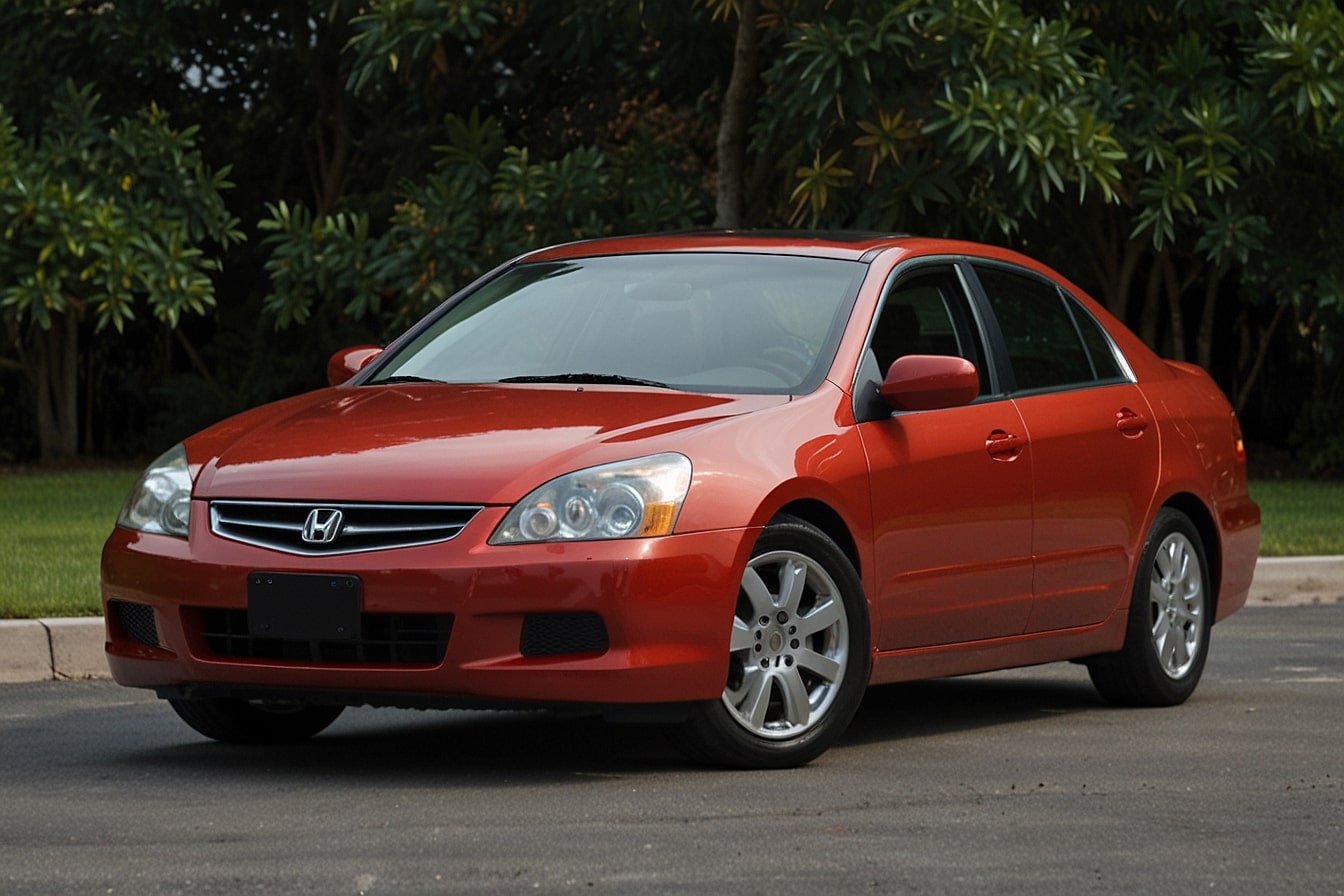
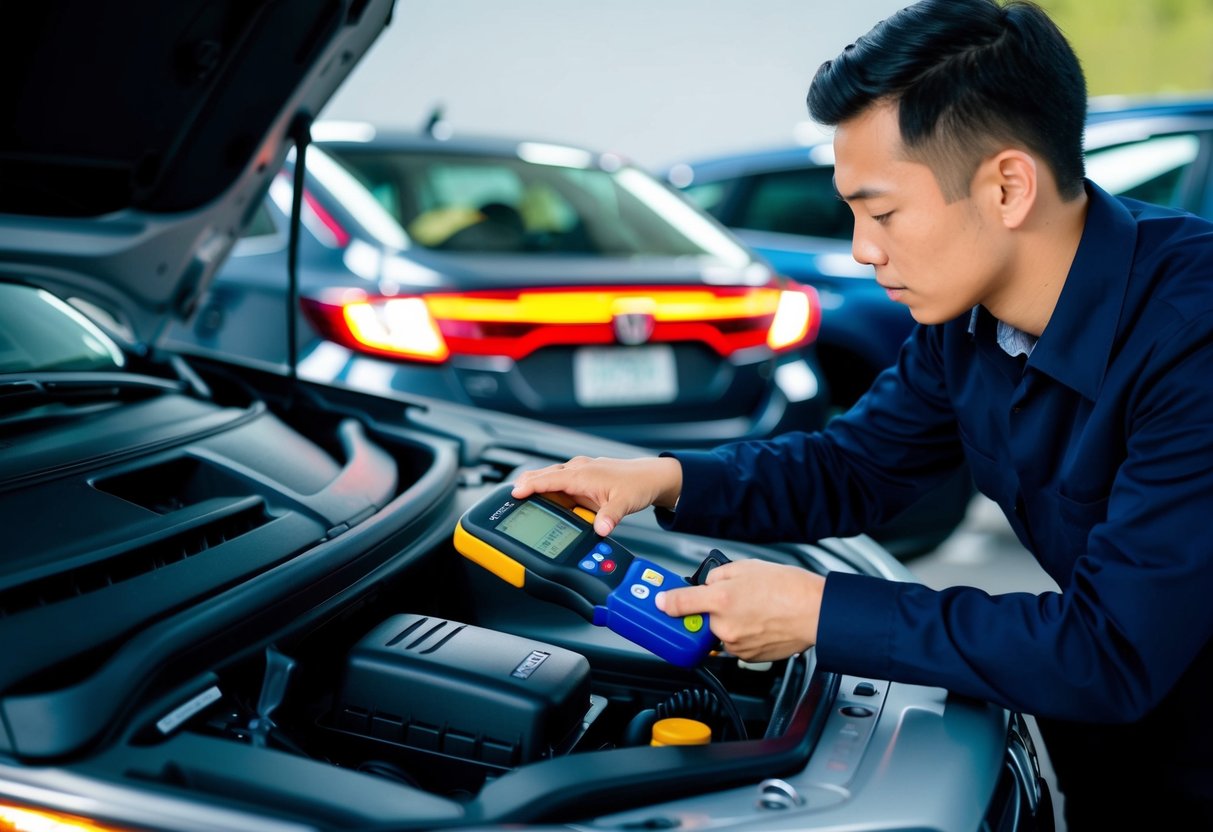
The 2007 Honda Accord remains a staple on the road in 2026, known for its mechanical longevity and predictable engineering. Troubleshooting this vehicle effectively requires systematic diagnostic steps, focusing on its specific susceptibility to transmission slip, door lock actuator failure, and power steering fluid leaks. By prioritizing electrical checks before mechanical teardowns, owners can resolve most recurring issues through routine maintenance and targeted part replacement.
Assessing Vehicle Health: A Diagnostic Framework
Before diving into complex repairs, establish a baseline for your 2007 Honda Accord. Vehicles of this vintage often suffer from "phantom" electrical issues caused by aging wiring harnesses or compromised grounding points. Troubleshooting should always begin with the most accessible components.
Start by verifying the integrity of the 12-volt battery and the charging system. A weak battery—even one capable of starting the engine—can induce erratic behavior in the Multiplex Control System (MCS), leading to intermittent interior lighting, window malfunctions, or false dashboard warnings. Use a digital multimeter to confirm a resting voltage of at least 12.6 volts and 13.8–14.4 volts while the engine is idling. If the charging system is healthy but symptoms persist, inspect the main grounding cable connected to the chassis for corrosion.
Transmission Performance and Shift Logic
The 2007 Honda Accord was offered with both manual and automatic transmissions. The automatic units, particularly in V6 models, are sensitive to fluid degradation. If you experience delayed engagement when shifting from Park to Drive or "flaring" (a momentary spike in RPM between gear shifts), the first step is to perform a transmission fluid drain-and-fill.
Do not use high-pressure power flushes on an older Honda transmission; these can dislodge sediment and cause internal valve body blockage. Use only Honda Genuine ATF-DW1 (or the manufacturer-approved successor) to ensure material compatibility with the internal clutch packs. If the fluid is dark or smells burnt, repeat the drain-and-fill process three times over the course of 100 miles. If the gear shifting remains harsh or if the transmission continues to slip under load, the issue may be a degraded linear solenoid or an internal wear-and-tear condition requiring specialized transmission service.
Addressing Common Electrical and Accessory Failures
The seventh-generation Accord (2003–2007) is well-documented regarding specific interior accessory failures. By 2026, many of these vehicles have experienced the total failure of the door lock actuators or the window regulator assemblies.
Troubleshooting Power Door Locks
When a door fails to lock or unlock via the key fob or the interior switch, the culprit is almost invariably the actuator motor located inside the door panel. To troubleshoot:
- Remove the interior door panel using a trim removal tool to avoid damaging the plastic clips.
- Peel back the moisture barrier carefully.
- Use a test light to confirm that the actuator is receiving 12-volt signals when the switch is depressed.
- If power is present but the lock remains stationary, replace the actuator unit.
Resolving Climate Control Issues
The automatic climate control systems often suffer from a failing "power transistor" or "blower motor resistor." If your fan works only on the highest speed setting or stops entirely, this resistor is the primary suspect. It is located under the passenger-side dashboard. Replacing this component usually restores the full range of fan speeds without needing to replace the blower motor itself.
Engine Management and Driveability
The 2007 Accord is equipped with either the K24 inline-four engine or the J30 V6. Both are generally reliable but require strict adherence to maintenance schedules to prevent long-term failure.
The V6 Timing Belt Requirement
The J30 V6 engine utilizes a timing belt, which requires replacement at specific intervals (typically every 105,000 miles or seven years). If your 2007 model has not had this service recently, this is a critical troubleshooting priority. A snapped timing belt will cause catastrophic internal engine damage. If you hear a whining sound from the front of the engine, it may indicate a failing water pump or tensioner, both of which should be replaced as part of a complete timing belt kit.
Power Steering System Leaks
A common characteristic of the 2007 Accord is the tendency for the power steering suction hose to develop leaks. This often manifests as a whining noise during cold starts or fluid spots appearing on the garage floor. The O-ring on the power steering pump inlet fitting is a frequent failure point. It is inexpensive and relatively simple to replace. Replacing this O-ring often resolves the whining noise by preventing air from entering the system.
Diagnostic Comparison Table: Symptoms and Actions
The following table summarizes common issues and the verified steps required to restore optimal performance.
| Issue | Primary Symptom | Diagnostic Step | Recommended Action |
|---|---|---|---|
| Transmission | Harsh shifting/flare | Check fluid color/level | Drain-and-fill with DW1 ATF |
| Power Steering | Whining noise | Inspect pump inlet O-ring | Replace O-ring / Check fluid |
| Climate Control | Fan speed inconsistent | Test resistor circuit | Replace blower motor resistor |
| Door Locks | Intermittent operation | Check actuator voltage | Replace door lock actuator |
| Engine | Rough idle | Scan OBDII codes | Clean throttle body/Replace plugs |
Frequently Asked Questions
How do I read check engine codes on a 2007 Accord? You can retrieve diagnostic trouble codes (DTCs) by connecting an OBDII scanner to the port located under the driver-side dashboard. Even if the light is off, some "pending" codes may remain in the ECU memory, providing clues to intermittent issues.
Is it normal for the 2007 Accord to use oil between changes? While some oil consumption is common in high-mileage engines due to piston ring wear or valve stem seals, excessive consumption should be monitored. Check your oil level every 1,000 miles to establish a baseline for your specific engine's health.
What is the significance of the "Maintenance Minder" light? The 2007 model uses an early version of the Maintenance Minder system. It tracks oil life and time elapsed. If the light is flashing or on, use the owner's manual to decode the specific maintenance sub-code to determine if you need an oil change, tire rotation, or major inspection.
Can I upgrade my 2007 Accord's infotainment system? Yes, but the HVAC controls are integrated into the factory head unit on many trims. If you replace the radio, you must use a dedicated wiring harness kit designed for the 2007 Accord to retain functional climate control settings.
Why does my Accord pull to one side while driving? Before assuming a suspension failure, check your tire pressures. If pressures are correct, have the alignment checked. If alignment is perfect, inspect the front control arm bushings for dry rot or tearing, which is common in vehicles of this age.
Final Recommendations and Next Steps
The 2007 Honda Accord is a robust vehicle that rewards proactive maintenance. If you are experiencing a technical issue, always start with the least invasive solution: verify battery voltage, check fluid levels, and scan for OBDII fault codes. Avoid the temptation to replace sensors or mechanical components based on guesses, as original Honda components are often more reliable than low-cost aftermarket alternatives. For recurring issues, verify the integrity of electrical grounds and connectors, as oxidation in these areas is the most common cause of "unsolvable" electrical gremlins in 19-year-old vehicles.