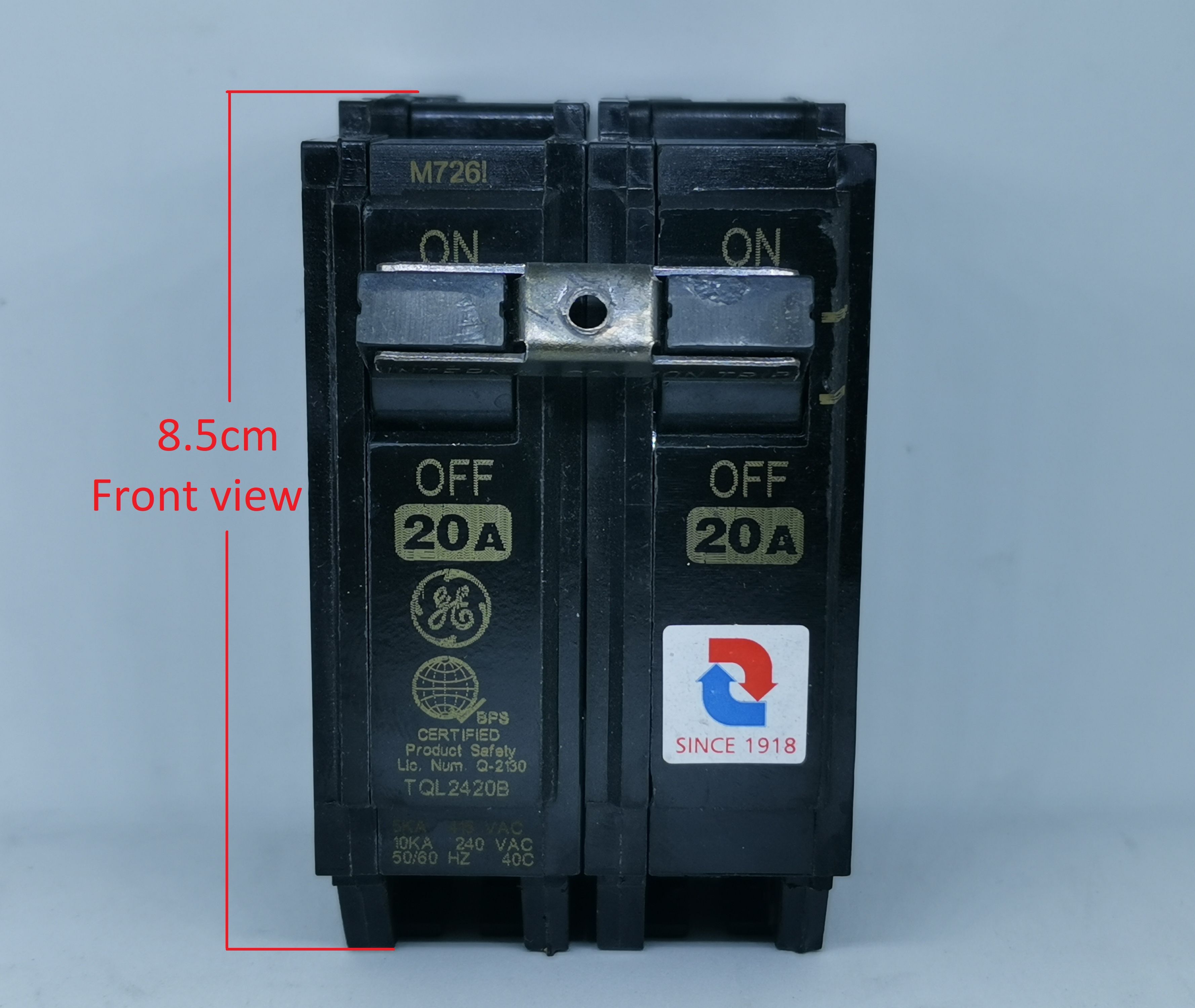
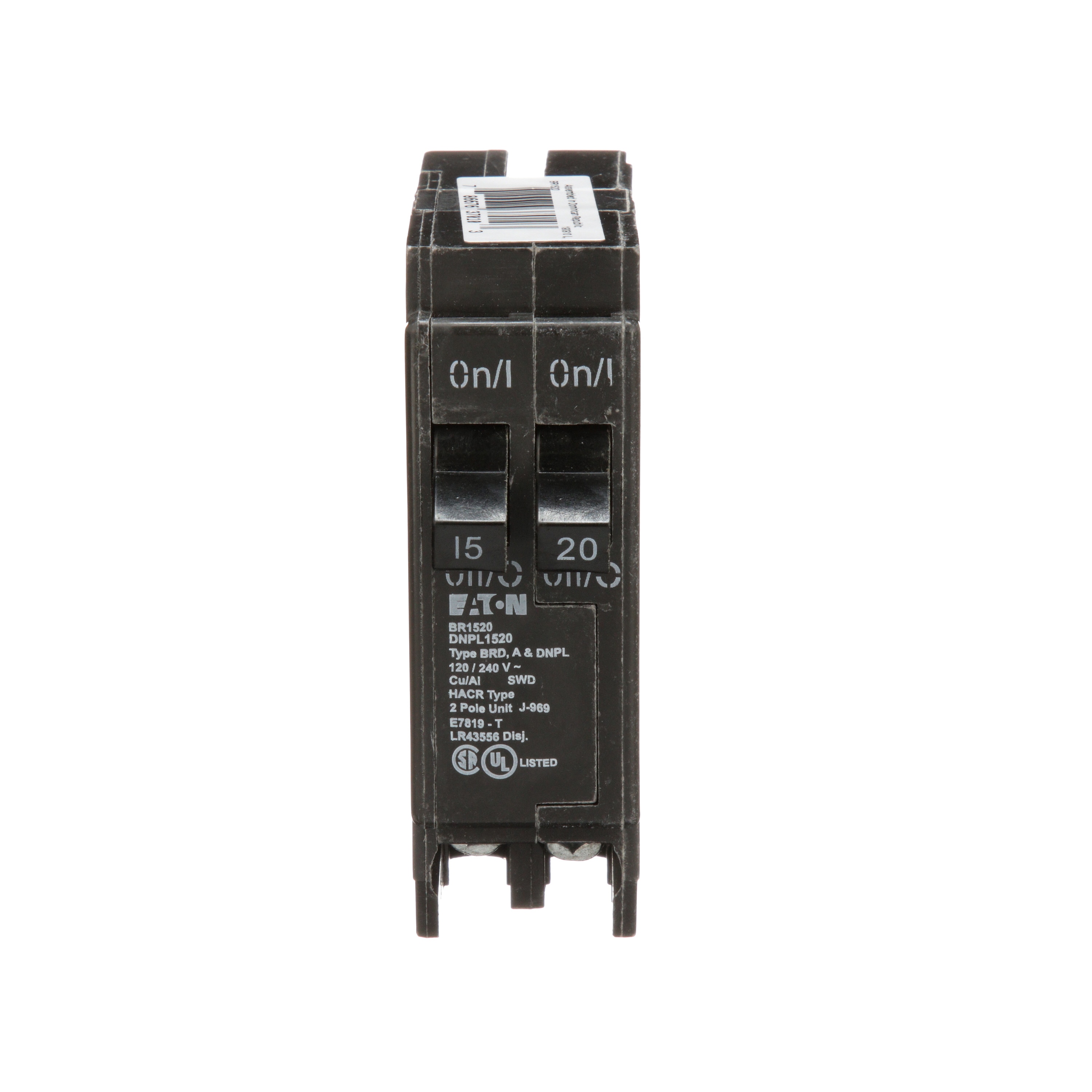
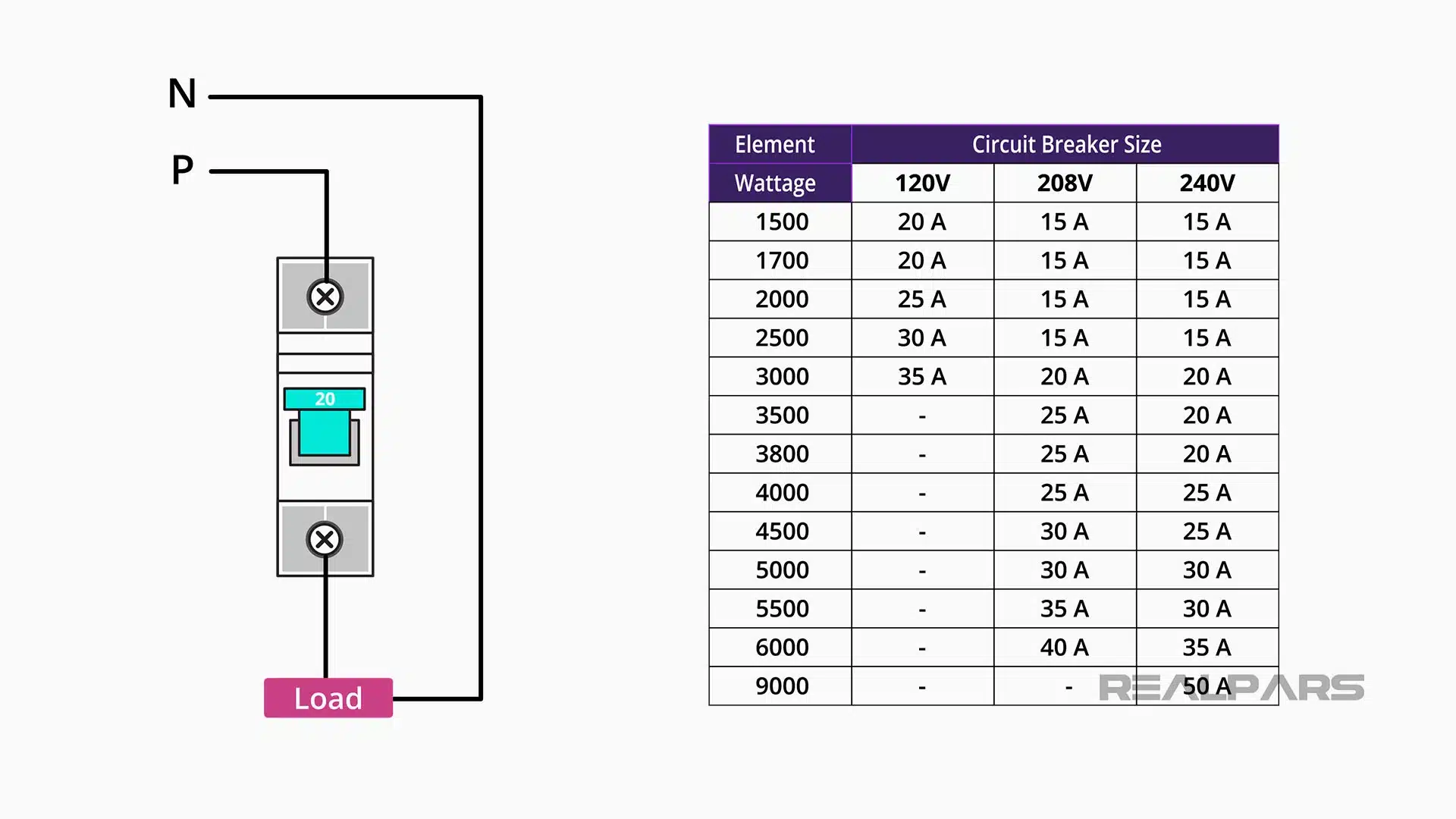
A 20-amp circuit breaker is an electrical safety device designed to protect 120-volt or 240-volt circuits from overloads and short circuits by automatically interrupting the flow of electricity when current exceeds safe thresholds. Selecting the correct 20-amp breaker type depends on your electrical panel manufacturer, wiring requirements, load characteristics, and modern building codes that mandate specialized safety features like ground-fault and arc-fault protection.
Understanding 20 amp breaker types is essential for anyone planning a home renovation, upgrading an electrical panel, or troubleshooting a tripping circuit. Modern electrical systems are far more complex than simple fuses or standard thermal-magnetic breakers of the past. Today’s National Electrical Code (NEC) dictates specific protection mechanisms depending on the room, the application, and whether the circuit supplies standard outlets, heavy appliances, or outdoor equipment.
Foundations of Electrical Breakers
Before examining specific 20-amp breaker variations, it helps to understand the underlying mechanics of how circuit breakers function. Every circuit breaker acts as a manual switch and an automatic safety gate. Inside a standard residential electrical panel, hot wires connect to individual breakers, which monitor the electrical current flowing through the home's copper or aluminum wiring.
A 20-amp breaker is engineered to handle a continuous load up to 80% of its rating (16 amps) and a maximum transient load of 20 amps. When the electrical current surpasses this threshold—or when a fault occurs—the breaker trips. Tripping breaks the circuit, stopping the flow of electricity to prevent wires from overheating, melting insulation, or sparking electrical fires.
The Role of Amperage and Wire Gauge
Ampacity is the maximum amount of electric current a conductor can carry before sustaining immediate damage or degradation. For a 20-amp circuit, building codes universally require copper wire with a minimum gauge of 12 AWG (American Wire Gauge).
Using a 20-amp breaker with undersized 14 AWG wire (which is rated strictly for 15 amps) creates a severe fire hazard. The wire could overheat and cause a fire before the 20-amp breaker registers an overload and trips. Always verify that your wire gauge matches your breaker rating before installation.
Standard Thermal-Magnetic 20 Amp Breakers
The thermal-magnetic breaker is the traditional and most common type of circuit breaker found in residential panels worldwide. It utilizes two distinct mechanisms to detect faults: a bimetallic strip for overloads and an electromagnet for short circuits.
How Thermal Protection Works
The thermal component addresses gradual overloads—such as plugging too many high-wattage appliances into a single circuit. Inside the breaker, a bimetallic strip made of two bonded metals with different expansion rates carries the electrical current.
When too much current passes through the strip, it generates heat. As the strip heats up, it bends. If the current remains too high for too long, the strip bends far enough to trip the mechanical latch, opening the circuit. This process takes time, allowing for temporary startup surges (like a refrigerator motor kicking on) without nuisance tripping.
How Magnetic Protection Works
The magnetic component handles sudden, catastrophic events like a short circuit or a direct ground fault. This mechanism features an electromagnet coil.
When a short circuit occurs, current spikes instantaneously to hundreds or thousands of amps. This massive surge creates a powerful magnetic field within the coil, instantly pulling an armature that trips the breaker mechanism in milliseconds. This rapid response prevents severe equipment damage and arc flashes.
Arc-Fault Circuit Interrupters (AFCIs)
An arc-fault circuit interrupter (AFCI) is an advanced type of circuit breaker designed to detect unintended electrical arcs (sparking), which are a primary cause of residential electrical fires.
Why AFCIs Are Necessary
Standard thermal-magnetic breakers cannot reliably detect series or parallel arcing faults. Series arcs occur when a wire is broken or loose inside a wall, while parallel arcs happen when current jumps between hot and neutral wires due to damaged insulation. These arcs generate intense localized heat without drawing enough total current to trip a standard thermal-magnetic breaker.
Modern electrical codes, following National Fire Protection Association (NFPA) guidelines, require AFCI protection on almost all 15-amp and 20-amp branch circuits in habitable residential areas, including bedrooms, living rooms, hallways, and kitchens.
Combination AFCI Breakers
Most modern installations use Combination AFCI breakers. These devices detect both parallel and series arcs, as well as line-to-ground and line-to-neutral arcs. They also incorporate standard thermal-magnetic overcurrent protection, making them a comprehensive upgrade over older standard breakers.
Ground-Fault Circuit Interrupters (GFCIs)
A ground-fault circuit interrupter (GFCI) protects people from severe electrical shock by monitoring the balance of current flowing between the hot and neutral wires.
How GFCIs Operate
In a normal circuit, the current flowing out through the hot wire must equal the current returning through the neutral wire. A GFCI breaker continuously measures this balance.
If current leaks outside the intended circuit path—such as through a person's body into wet ground—the GFCI detects an imbalance as small as 4 to 6 milliamperes. Within fractions of a second, the internal switch opens, cutting off power and preventing fatal electrocution.
Where 20 Amp GFCI Breakers Are Used
While GFCI protection is frequently provided via wall receptacles with test and reset buttons, GFCI circuit breakers protect the entire wire run from the panel to the outlet. Building codes mandate GFCI protection in areas where water and electricity are in close proximity:
- Bathrooms
- Kitchens (countertop and sink areas)
- Outdoor receptacles
- Garages, crawl spaces, and unfinished basements
- Laundry areas
Dual-Function (AFCI/GFCI) Breakers
Technology has advanced to combine both safety features into a single unit. A Dual-Function Circuit Breaker provides comprehensive protection against both arc faults (fire prevention) and ground faults (shock prevention) within one device.
Advantages of Dual-Function Breakers
Before dual-function breakers became widely available, electricians had to install AFCI breakers paired with GFCI receptacles, or use bulky dead-front GFCI modules. Dual-function breakers streamline panel installations, save physical space on crowded breaker buses, and ensure full compliance with modern electrical codes for kitchens, laundry rooms, and other mandatory zones.
Comparison of 20 Amp Breaker Types
To help clarify the differences in application, cost, and primary safety purpose, review the comparison table below:
| Breaker Type | Primary Safety Purpose | Common Installation Locations | Cost Factor |
|---|---|---|---|
| Standard Thermal-Magnetic | Overloads & short circuits | Dedicated appliance circuits, garages, older subpanels | Low ($6 – $15) |
| AFCI (Arc-Fault) | Electrical fire prevention from sparking | Bedrooms, living rooms, hallways, residential living areas | Moderate ($40 – $60) |
| GFCI (Ground-Fault) | Shock and electrocution prevention | Bathrooms, outdoor spaces, kitchens, basements | Moderate ($40 – $60) |
| Dual-Function (AFCI/GFCI) | Both fire and shock protection | Modern kitchens, laundry areas, code-compliant renovations | High ($50 – $90) |
Physical and Electrical Compatibility Factors
When selecting or replacing a 20-amp breaker, you cannot simply buy any brand off the shelf and snap it into your panel. Compatibility is governed by strict safety and mechanical standards.
Panel Brand Matching
Circuit breakers are tested and listed by safety organizations like Underwriters Laboratories (UL) for use in specific electrical panel brands. Installing a non-approved brand of breaker into a panel—even if it physically fits—violates the listing, voids panel warranties, and creates a severe fire risk due to improper bus bar connections. Always match the breaker brand (e.g., Square D, Eaton, Siemens, GE) directly to the manufacturer of your electrical panel.
Tandem vs. Full-Size Breakers
A standard 20-amp breaker occupies a single full-size slot (one pole) in a breaker panel, delivering 120 volts. However, some panels accept tandem (or twin) breakers, which pack two separate switches into a single physical slot.
Tandem breakers require a panel specifically designed and rated to accept them (noted as CTL - Circuit Total Limiting compliant). Furthermore, tandem breakers are typically single-pole 120V devices; ensure you are not confusing them with double-pole breakers used for 240V circuits.
Common Mistakes and Troubleshooting
Working with electrical panels carries inherent risks of electrocution and arc flashes. Always turn off the main breaker before opening a panel cover, and verify dead circuits with a reliable non-contact voltage tester or multimeter.
Nuisance Tripping with Modern Breakers
Homeowners upgrading older electrical panels to modern AFCI or dual-function breakers frequently experience nuisance tripping. Common culprits include:
- Multi-wire branch circuits (MWBCs): Shared neutral wires can confuse AFCI sensors if wired incorrectly.
- Old or damaged appliance motors: Aging refrigerators or vacuum cleaners with worn brushes can generate harmless arcs that trigger sensitive AFCI electronics.
- Loose terminal screws: A poorly torqued neutral or hot connection creates micro-arcing that instantly trips AFCI breakers.
If a new breaker trips immediately upon reset, disconnect all loads on that circuit. If the breaker holds, plug items back in one by one to identify the faulty appliance. If the breaker trips immediately with all appliances unplugged, inspect the wiring for a pinched cable, nail puncture, or loose terminal connection.
Conclusion and Next Steps
Choosing the right 20-amp breaker requires careful attention to wiring gauge, panel compatibility, and current building code mandates. While standard thermal-magnetic breakers remain useful for basic heavy-duty loads, modern residential installations rely heavily on AFCI, GFCI, and dual-function breakers to protect against fires and electrical shocks.
If you are replacing a faulty breaker or planning a panel upgrade, consult a licensed electrician to ensure full compliance with local building codes and safety regulations.