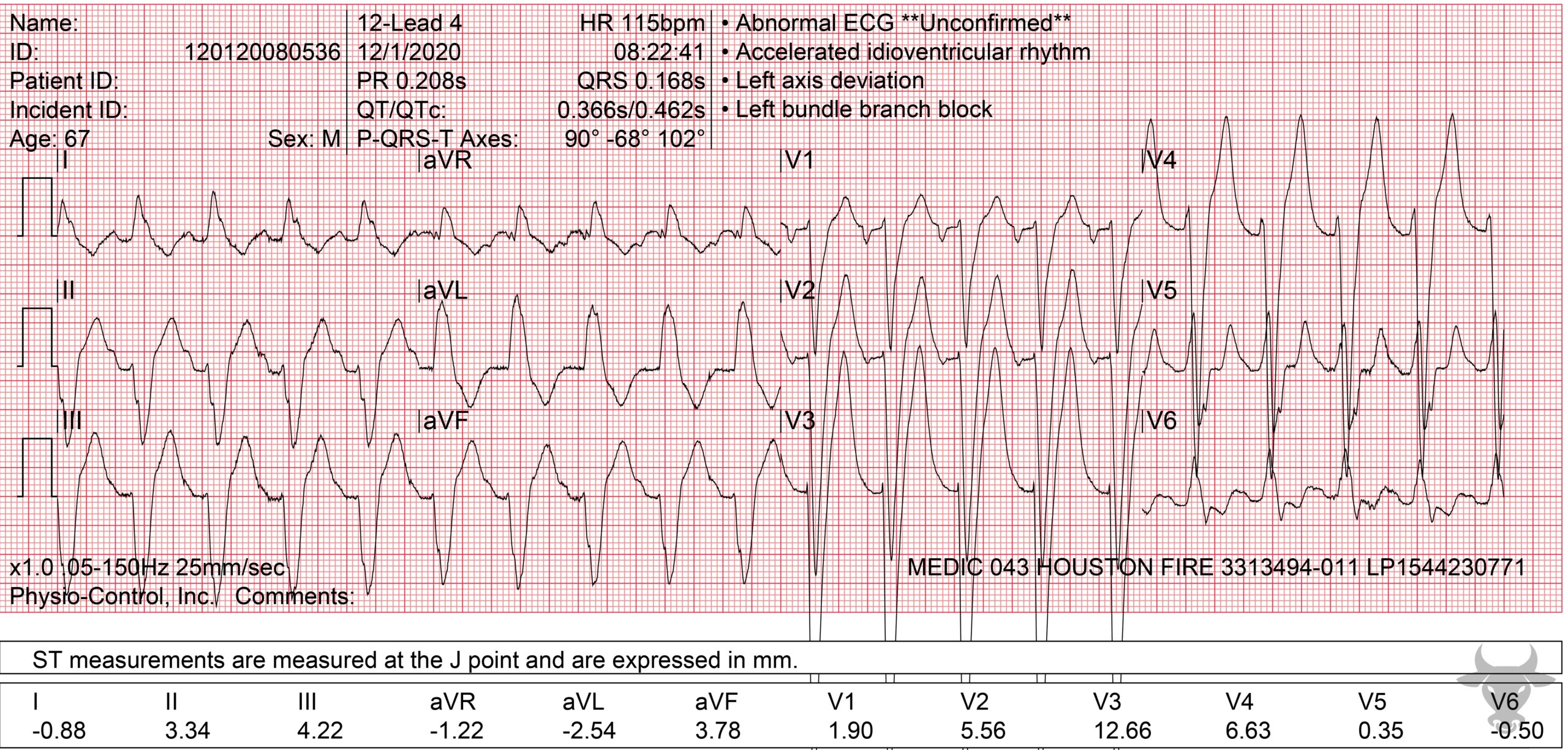
In most cases, first-degree atrioventricular (AV) block does not significantly alter the resting heart rate, as every electrical impulse from the atria still reaches the ventricles. While the heart rate remains within the normal range of 60 to 100 beats per minute, there is a measurable delay in the conduction timing, specifically a PR interval exceeding 200 milliseconds.
First-degree AV block is often an incidental finding on an electrocardiogram (ECG). To the average person, it may sound like a frightening diagnosis, yet for the vast majority of individuals, it is a benign condition that requires no treatment. However, understanding how this delay affects your heart’s efficiency and how it interacts with your heart rate is crucial for long-term cardiovascular health monitoring. As we navigate the medical landscape of 2026, the prevalence of wearable health technology has made the detection of these conduction delays more common than ever before.
What is First-Degree AV Block?
To understand first-degree AV block, one must first understand the "electrical plumbing" of the heart. The heart’s rhythm is governed by the sinoatrial (SA) node, the natural pacemaker. This node sends an electrical signal through the atria (the upper chambers), causing them to contract and pump blood into the ventricles (the lower chambers). This signal then hits a "gatekeeper" known as the atrioventricular (AV) node.
In a healthy heart, there is a brief, purposeful pause at the AV node to allow the ventricles to fill completely with blood. In first-degree AV block, this pause is simply longer than usual. Technically defined, it occurs when the PR interval—the time it takes for the electrical impulse to travel from the start of the atrial contraction to the start of the ventricular contraction—is greater than 0.20 seconds (or 200 milliseconds).
Unlike more severe forms of heart block (second-degree or third-degree), first-degree AV block is characterized by a 1:1 conduction ratio. This means that for every "P wave" (atrial signal), there is a corresponding "QRS complex" (ventricular contraction). Because no beats are actually skipped or dropped, the heart rate typically remains steady and rhythmic, even if the timing between the signals is delayed.
The Relationship Between Heart Rate and First-Degree AV Block
A common misconception is that a "heart block" automatically implies a slow heart rate (bradycardia). While higher-degree blocks often result in a dangerously slow pulse, first-degree AV block is unique because it describes a delay in conduction rather than a failure of conduction.
Does it Lower Your Heart Rate?
Directly speaking, first-degree AV block does not cause the heart rate to drop. A person can have a perfectly normal resting heart rate of 72 beats per minute while simultaneously presenting with a PR interval of 240 milliseconds. However, the two conditions often coexist. Many factors that cause first-degree AV block, such as high vagal tone in athletes or the use of certain medications like beta-blockers, are also known to lower the overall heart rate.
In some clinical scenarios, an extremely prolonged PR interval (e.g., greater than 300 milliseconds) can lead to a phenomenon sometimes referred to as "pseudo-pacemaker syndrome." This occurs because the atria contract so much earlier than the ventricles that the atrial contraction happens against closed valves or interferes with optimal ventricular filling. In these rare cases, even if the heart rate is numerically normal, the patient might feel symptoms similar to those of a slow heart rate, such as fatigue or lightheadedness, because the heart is working less efficiently.
Resting Heart Rate Context in 2026
In 2026, clinical standards continue to define a normal resting heart rate as 60–100 beats per minute. If you are diagnosed with first-degree AV block and your heart rate consistently falls below 60 bpm, this is classified as sinus bradycardia with first-degree AV block. This combination is particularly common in young, healthy individuals and endurance athletes, where the heart is so efficient that it can maintain circulation with fewer, slightly delayed beats.
Common Causes of Conduction Delays
First-degree AV block can be caused by various factors, ranging from completely benign physiological adaptations to underlying medical conditions.
1. High Vagal Tone
This is the most common cause among healthy individuals. The vagus nerve is part of the parasympathetic nervous system, which acts as the "brake" for the heart. High vagal tone slows the conduction through the AV node. This is frequently seen in athletes whose cardiovascular systems have adapted to intense training.
2. Medications
Several classes of drugs are known to prolong the PR interval:
- Beta-blockers: Commonly used for hypertension and anxiety.
- Calcium Channel Blockers: Specifically non-dihydropyridines like diltiazem and verapamil.
- Digitalis: Used in the treatment of heart failure and certain arrhythmias.
- Anti-arrhythmic drugs: Medications used to treat other rhythm issues can sometimes cause a delay in AV conduction as a side effect.
3. Aging and Fibrosis
As the body ages, the conduction system of the heart can undergo "wear and tear." Fibrosis (scarring) or calcification of the conduction pathways can slow the electrical signal. This is a progressive process and is why first-degree AV block is more prevalent in the elderly population.
4. Underlying Health Conditions
Certain conditions can inflame or damage the AV node, leading to conduction delays:
- Myocardial Infarction (Heart Attack): Particularly those affecting the bottom (inferior) wall of the heart.
- Myocarditis: Inflammation of the heart muscle, often caused by viral infections.
- Electrolyte Imbalances: Abnormal levels of potassium (hyperkalemia) or magnesium.
- Lyme Disease: In certain regions, Lyme carditis is a known cause of varying degrees of heart block.
Identifying Symptoms and Seeking Care
For the majority of people, first-degree AV block is asymptomatic. You could live your entire life with this condition and never know it unless you receive an ECG for an unrelated reason. However, the clinical picture changes if the delay becomes extreme or is accompanied by other rhythm disturbances.
When Symptoms Occur
If a person with first-degree AV block experiences symptoms, they are usually related to the underlying heart rate or the lack of coordination between the atria and ventricles. Symptoms may include:
- Mild dizziness or lightheadedness.
- Unexplained fatigue, especially during physical exertion.
- Palpitations or the sensation of a "skipped beat" (even though beats aren't technically skipped).
- Shortness of breath.
Diagnostic Benchmarks
The primary tool for diagnosis is the 12-lead ECG. Cardiologists look for a PR interval that is consistently longer than five small boxes (0.20 seconds) on the ECG paper. In 2026, many patients are now bringing data from smartwatches to their doctors. While these devices are excellent at detecting atrial fibrillation, their ability to accurately measure PR intervals is improving, but a clinical-grade ECG remains the gold standard for confirmation.
Comparing Heart Block Degrees
To understand the severity of first-degree AV block, it is helpful to see where it sits on the spectrum of conduction disorders.
| Feature | First-Degree AV Block | Second-Degree (Mobitz I) | Second-Degree (Mobitz II) | Third-Degree (Complete) |
|---|---|---|---|---|
| Conduction | Delayed but 1:1 ratio | Progressively delayed | Randomly dropped beats | No signals pass through |
| Heart Rate | Usually Normal | Usually Normal to Slow | Usually Slow | Very Slow (30-40 bpm) |
| Symptoms | Rarely any | Occasional dizziness | Dizziness, Fainting | Fainting, Chest pain |
| Urgency | Low / Observation | Low to Moderate | High (Needs Pacemaker) | Emergency (Needs Pacemaker) |
| PR Interval | Constant > 200ms | Gets longer each beat | Constant until a drop | Variable / Dissociated |
Clinical Management and 2026 Guidelines
As of 2026, the management of first-degree AV block remains largely conservative. Because it is generally a benign finding, aggressive intervention is rarely required.
Observation and Monitoring
If you are asymptomatic, the standard approach is "watchful waiting." This involves periodic ECGs to ensure the block is not progressing into a second-degree or third-degree block. For most people, the condition remains stable for decades.
Medication Review
If the conduction delay is significant and the patient is taking medications known to affect the AV node (like beta-blockers), a physician may consider adjusting the dosage. This is especially true if the patient's heart rate is also low and they are experiencing fatigue.
When is a Pacemaker Necessary?
A pacemaker is almost never indicated for first-degree AV block alone. The only exceptions are rare cases of "marked" first-degree AV block (PR interval > 300ms) where the patient is clearly symptomatic due to the dyssynchrony between the atria and ventricles. In these instances, the pacemaker helps restore the optimal timing of the heart's chambers.
Frequently Asked Questions
Can exercise make first-degree AV block worse?
Generally, no. In fact, for many people, the PR interval actually shortens during exercise as the sympathetic nervous system takes over and speeds up conduction through the AV node. If the PR interval lengthens or a beat is dropped during exercise, this may indicate a more serious underlying conduction issue that requires further investigation by a cardiologist.
Is first-degree AV block a sign of heart disease?
Not necessarily. While it can be associated with conditions like coronary artery disease or heart valve issues, it is often a standalone finding related to high vagal tone or natural aging. It is best viewed as a clinical marker that warrants a baseline cardiovascular evaluation rather than a definitive sign of disease.
Can caffeine or stress affect the PR interval?
Caffeine and stress increase sympathetic activity (the "fight or flight" response), which typically decreases the PR interval and increases the heart rate. Therefore, caffeine is unlikely to cause first-degree AV block; however, the withdrawal from stimulants or a subsequent "vagal rebound" could theoretically make a pre-existing delay more apparent.
Do I need to limit my activity if my heart rate is normal but I have this block?
Unless your physician has found other structural issues with your heart, there is usually no need to limit physical activity. Most individuals with first-degree AV block lead completely normal, active lives, including professional athletes.
Is there a cure for first-degree AV block?
Because it is a description of a conduction timing rather than a disease in itself, there is no "cure." If it is caused by a specific medication or an electrolyte imbalance, correcting those factors may return the PR interval to a normal range. If it is due to aging or fibrosis, the delay is permanent but manageable.
Practical Recommendations
If you have been diagnosed with first-degree AV block, your first step should be to maintain a record of your resting heart rate and any symptoms you experience. While the block itself is usually not a cause for concern, it is a reminder to prioritize overall heart health.
- Get a Baseline Evaluation: Ensure a cardiologist has performed at least one comprehensive ECG and perhaps an echocardiogram to rule out structural heart disease.
- Monitor Symptoms: Keep track of any episodes of fainting (syncope), near-fainting, or unusual shortness of breath. If these occur, notify your healthcare provider immediately.
- Review Medications: Always inform any doctor prescribing new medications that you have a first-degree AV block, as some drugs can worsen conduction delays.
- Stay Cardiovascually Fit: Regular aerobic exercise and a heart-healthy diet remain the best defenses against the progression of any conduction system issues.
Medical Disclaimer: This article is for informational purposes only and does not constitute medical advice, diagnosis, or treatment. Always seek the advice of your physician or other qualified health provider with any questions you may have regarding a medical condition. Never disregard professional medical advice or delay in seeking it because of something you have read here.