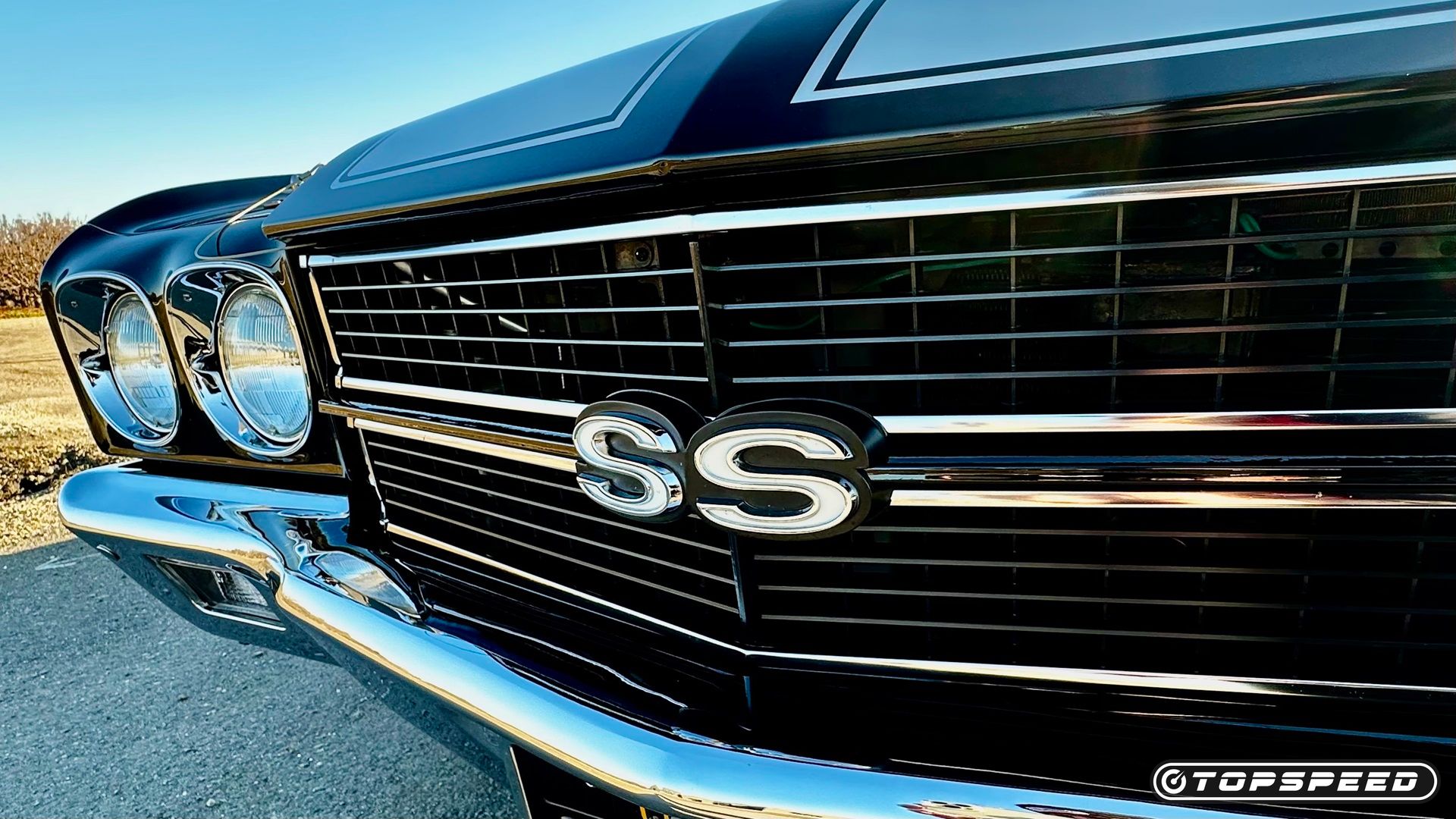
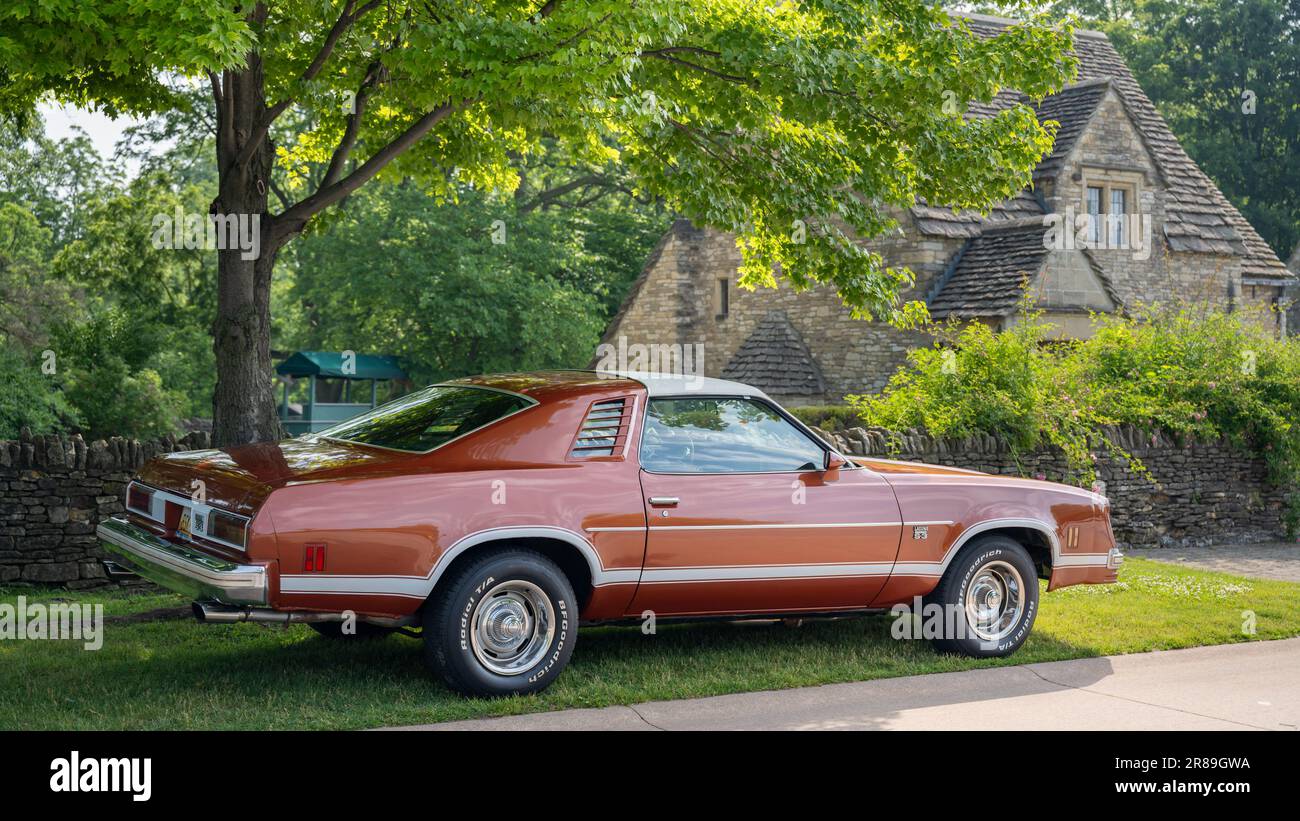
The 1975 Chevrolet Chevelle SS represents a final, nuanced chapter in the iconic Super Sport lineage, characterized by a shift toward luxury and emissions-compliant performance rather than pure raw horsepower. While often overshadowed by the high-compression muscle car legends of the late 1960s, this specific model year offers a unique study in the automotive industry's pivot toward the "personal luxury" era during the mid-1970s.
The Context of the 1975 Chevelle SS
By 1975, the American automotive landscape had undergone a seismic shift. The twin pressures of the 1973 oil crisis and increasingly stringent Environmental Protection Agency (EPA) emissions regulations forced manufacturers to rethink their performance portfolios. The traditional "muscle car" definition—a light body paired with a massive, high-compression big-block engine—was no longer sustainable under federal mandates.
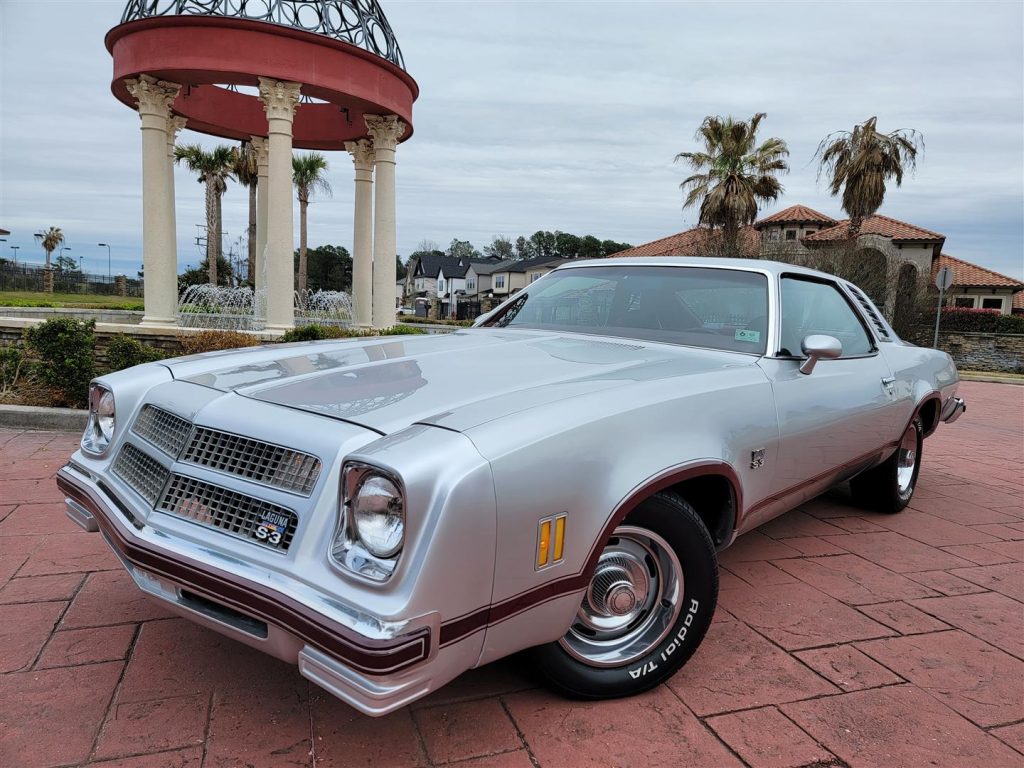
The 1975 Chevelle SS was marketed not as a stripped-down drag strip contender, but as a "Laguna Type S-3" variant, which had become the spiritual successor to the Chevelle SS badge. Chevrolet had effectively folded the SS performance ethos into the Laguna body style, prioritizing a blend of refined handling, front-end aerodynamic styling, and updated interior appointments. For enthusiasts today, the 1975 model is recognized as a bridge between the classic muscle era and the more comfort-oriented designs that would define the late 1970s and 1980s.
Engineering and Powertrain Dynamics
The technical backbone of the 1975 Chevelle was the A-body platform. By this stage in the production cycle, the focus had shifted from aggressive acceleration to driveability.
Engine Options and Emissions Controls
The 1975 model year introduced the widespread implementation of the catalytic converter. This technology, while revolutionary for air quality, initially restricted exhaust flow significantly compared to earlier, non-emissions-controlled vehicles. The available V8 powerplants, primarily the 350-cubic-inch and 400-cubic-inch Small Block engines, were tuned for lower compression ratios to run on unleaded gasoline.
- 350-ci V8: The workhorse of the lineup, offering reliability and moderate torque.
- 400-ci V8: Provided the highest displacement for the Chevelle line, though output figures were conservative compared to previous decades.
- Transmission: Most units were equipped with the TH400 or TH350 automatic transmissions, which were geared for highway cruising rather than aggressive stop-light racing.
Suspension and Chassis
One of the distinct advantages of the 1975 Chevelle SS/Laguna S-3 was its suspension calibration. Chevrolet engineers had moved toward a more compliant ride quality. The front independent suspension featured coil springs and double-acting shock absorbers, while the rear utilized a four-link system. While criticized at the time for being "softer" than the 1970 Chevelle SS, modern enthusiasts often find the 1975 model’s ride quality far more forgiving for long-distance touring.
Aesthetic and Design Evolution
The design language of the 1975 Chevelle reflected the "Colonnade" styling introduced in 1973. The Colonnade look featured heavy B-pillars and fixed rear quarter windows, a departure from the earlier hardtop coupes.
The Laguna S-3 Influence
The "SS" nomenclature effectively moved to the Laguna S-3 trim. This trim level was distinguishable by its urethane-covered, body-colored front bumper and distinct grille, which gave the car a more aerodynamic "aero-look." These design choices were influenced by NASCAR racing at the time, where teams found that the sleek, sloping noses of the Laguna provided a distinct aerodynamic advantage on the track.
Interior Appointments
Inside, the 1975 Chevelle leaned into the luxury trend. The interior featured swivel bucket seats (in some configurations), a center console, and a dashboard layout that placed gauges and controls within closer reach of the driver. Deep-pile carpeting, improved sound deadening, and optional air conditioning made this car feel more like a grand tourer than an entry-level performance machine.
Performance Comparison: 1970 vs. 1975
Understanding the 1975 Chevelle requires a direct comparison to the "peak" muscle era. The table below highlights how the priorities changed over a five-year span.
| Feature | 1970 Chevelle SS (Typical) | 1975 Chevelle SS/Laguna S-3 |
|---|---|---|
| Primary Focus | High Horsepower/Acceleration | Reliability/Emissions Compliance |
| Fuel Requirement | Leaded High-Octane | Unleaded Regular |
| Exhaust System | Dual exhaust (high flow) | Catalytic Converter (restricted) |
| Styling Emphasis | Aggressive/Hardtop | Aero-refined/Colonnade |
| Transmission | Muncie 4-Speed Manual / TH400 | TH350/TH400 Automatic |
Restoration and Maintenance in 2026
In 2026, the 1975 Chevelle has transitioned into a "collector's classic." Because these cars were often used as daily drivers throughout the 1980s and 90s, finding an original, rust-free example can be a challenge.
Sourcing Parts
The A-body platform benefits from massive aftermarket support. Almost every body panel, trim piece, and mechanical component for the 1975 Chevelle is available through reproduction suppliers. When restoring a 1975 model, focus on the following areas:
- Frame Rails: Check for corrosion, especially behind the rear tires where debris collects.
- Urethane Bumpers: The unique front bumper on the Laguna S-3 can suffer from degradation or cracking over time. Finding high-quality reproductions or New Old Stock (NOS) parts is often necessary for a concours-level restoration.
- Emissions Equipment: If the goal is historical accuracy, locating the original air injection reactor (AIR) pump and plumbing can be difficult, as many owners removed these components decades ago to increase power.
Performance Upgrades
Many current owners choose to modernize their 1975 Chevelles. Modern LS-series engine swaps are a popular path to restoring the "muscle" performance that the car lacked in 1975 while maintaining its classic lines. Upgrading to modern four-wheel disc brakes and electronic fuel injection (EFI) are common modifications that improve the car's viability for 2026 road conditions.
Frequently Asked Questions
Is the 1975 Chevelle SS considered a "true" muscle car?
Opinions vary. Purists often categorize muscle cars by the 1964–1972 era of high-compression performance. The 1975 model is technically a "personal luxury coupe" with a performance trim. While it does not boast the same raw performance figures as the 1970 LS6 Chevelle, it carries the historical lineage of the badge and is considered a classic of the malaise era.
What are the main differences between the Malibu and the Laguna S-3?
The Laguna S-3 served as the top-tier trim. It included unique, sporty bucket seats, specific badging, upgraded suspension components, and the signature body-colored urethane front nose, which separated it significantly from the standard Malibu.
Are replacement parts easy to find for this model?
Yes. Because the 1975 Chevelle shares its A-body chassis with other GM vehicles like the Buick Century and Oldsmobile Cutlass, the aftermarket support is exceptional. Components for the engine, drivetrain, and suspension are widely available.
Should I prioritize a restoration or a restomod?
If the vehicle is a numbers-matching, low-mileage survivor, a factory-correct restoration is usually the best path to preserving its investment value. However, if the car is already heavily modified or in poor condition, a restomod approach—integrating modern, reliable technology—is more practical for regular use in 2026.
How does the catalytic converter affect performance?
The early 1975 catalytic converters were relatively restrictive. Many owners in the past removed them, but for modern restoration, high-flow metallic catalytic converters are available. These provide modern emissions compliance without the performance bottleneck of the original 1970s technology.
Final Recommendation
When acquiring or maintaining a 1975 Chevelle SS, focus first on the structural integrity of the frame and the condition of the unique body-colored urethane components. If you are looking to enjoy the car on modern roads, prioritize a mild restomod approach—specifically upgrading the braking and cooling systems—to bring the 1970s platform up to contemporary safety standards. The 1975 Chevelle is an excellent platform for those who appreciate the transition-era aesthetic and want a reliable, stylish, and increasingly rare piece of Chevrolet history.