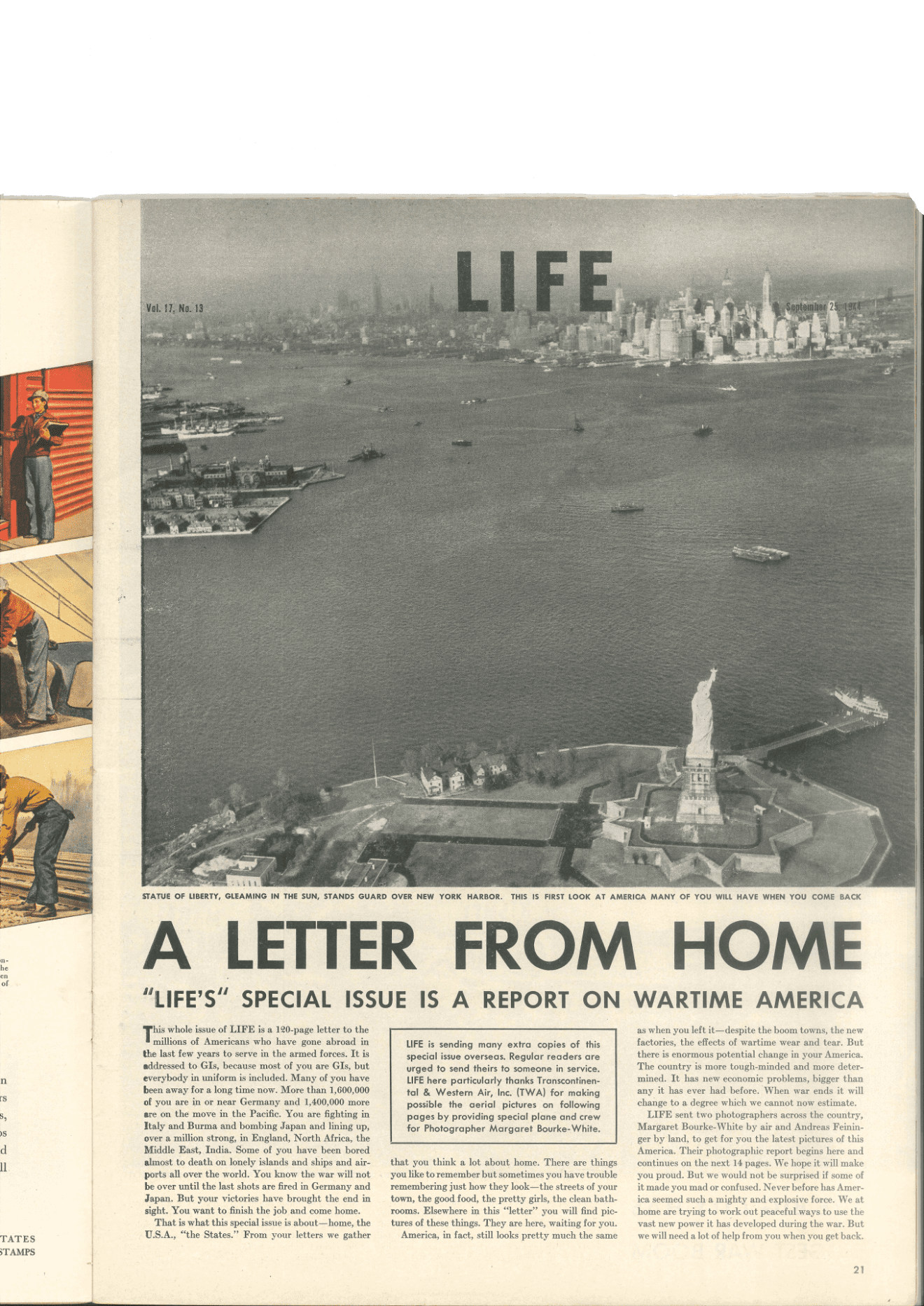
The term "1944 Victory Life Insurance" most commonly refers to the National Service Life Insurance (NSLI) policies issued to military personnel during the Second World War. These policies were designed to provide essential financial protection to service members and their families at a time when private insurers often excluded war-related risks. Today, these policies are largely matured, and managing them involves identifying specific documentation, understanding federal benefit protocols, and coordinating with the Department of Veterans Affairs.
Historical Foundation of 1944 Victory Life Insurance
During the early 1940s, the United States government recognized that the nature of modern combat rendered traditional commercial life insurance largely inaccessible or prohibitively expensive for active-duty service members. In response, the National Service Life Insurance Act of 1940 established a program to provide low-cost insurance to those serving in the Armed Forces.
By 1944, this program was in full operation. These policies were not "Victory" insurance in the sense of a brand name, but rather part of the "Victory" effort—the mobilization of the home front and military to support the war effort. Millions of service members signed up for these policies, which were backed by the full faith and credit of the United States government. The intent was to ensure that if a soldier were lost in combat, their dependents would have a financial safety net, mitigating the devastating economic impact that often followed the loss of a primary breadwinner during the wartime era.
Distinguishing Government Policies from Private Labels
It is common for families discovering old documentation in 2026 to see the word "Victory" associated with various financial products from the mid-1940s. While some private life insurance companies utilized patriotic branding and "Victory" nomenclature in their marketing materials during the final stages of the war, the primary entity providing life insurance to the military was the U.S. government.
If you are currently holding a policy document from this era, the first step is to distinguish whether the issuer was the United States Government (specifically the Veterans Administration, now the Department of Veterans Affairs) or a private commercial entity.
- Government-Issued (NSLI/USGLI): These policies typically feature the seal of the Veterans Administration and refer to the National Service Life Insurance Act.
- Private Commercial: These will name a specific insurance corporation (such as Metropolitan Life, Prudential, or smaller regional firms). If the policy was issued by a private company that has since merged or gone out of business, you may need to conduct a search through the state insurance commissioner’s office in the state where the policy was originally purchased.
The Role of the Department of Veterans Affairs in 2026
For policies issued under the 1944 federal program, the Department of Veterans Affairs (VA) remains the primary point of contact. While the vast majority of these policies were paid out decades ago, claims occasionally arise due to lost paperwork, uncollected dividends, or legacy trusts.
If you have located an original policy certificate from 1944, do not assume it has no value. While most policies were term-based and expired upon the end of service or conversion to permanent plans, some policies were converted to Whole Life or Endowment plans. In these instances, the policy may have accumulated cash value or matured into a death benefit that remains unclaimed if the beneficiary could not be located at the time of the veteran’s passing.
Steps to Verify and Claim Legacy Insurance Benefits
If you believe you are a beneficiary of a life insurance policy from the 1944 era, follow these procedural steps to verify the status of the policy.
- Locate Official Documents: Gather the policy number, the full legal name of the insured veteran, their service number (not just a Social Security Number), and their date of birth.
- Contact the VA Insurance Center: For government-issued policies, contact the VA Insurance Center directly. They maintain archives of NSLI and USGLI policies. In 2026, the VA provides online portals and dedicated telephone lines for legacy inquiries.
- National Association of Insurance Commissioners (NAIC): If the policy is not a government-issued one, utilize the NAIC Life Insurance Policy Locator Service. This tool helps consumers find lost life insurance policies or annuity contracts.
- State Unclaimed Property Divisions: If a policy was matured and the beneficiary was never found, the proceeds are legally required to be turned over to the state’s unclaimed property division. Search the database of the state where the policyholder resided at the time of their passing.
Comparison of Insurance Types in the 1940s
| Feature | Government (NSLI) | Private Commercial |
|---|---|---|
| Backing | Federal Government | Private Reserves |
| Eligibility | Military Personnel Only | General Public |
| Premium Costs | Standardized/Subsidized | Risk-Based/Age-Based |
| Documentation | VA Form 9-xxxx | Corporate Certificate |
| Regulation | Federal Statute | State Insurance Commissions |
Understanding Policy Maturity and Expiration
A critical aspect of 1944-era insurance is the difference between "Term" and "Permanent" insurance. Most wartime policies were issued as five-year renewable term insurance. This means the coverage was only active as long as premiums were paid and the policy was renewed. Many veterans allowed these policies to lapse after returning to civilian life because they could obtain private insurance or were no longer interested in maintaining the military-specific coverage.
However, many veterans chose to "convert" their term insurance into permanent life insurance (such as Ordinary Life or 20-Pay Life). These converted policies were designed to remain in effect for the life of the insured, provided premiums were paid. If the insured passed away, the policy would have matured, and the death benefit would have been paid to the named beneficiaries. If you suspect a claim was never made, look for evidence of premium payment receipts dated after the war.
Practical Guidance for Beneficiaries
Finding a 1944 document does not guarantee an active policy. However, it can provide vital information for genealogy research or verifying veteran status. If you are handling an estate in 2026, treat these documents as financial records. Do not discard them until you have verified their status through the VA or the NAIC locator.
- Common Mistakes: Assuming a policy certificate is a "check" or proof of current coverage. It is merely a contract.
- Verification: Always cross-reference the policy number with the veteran’s service records.
- Legal Advice: If a significant sum is potentially involved, consult with an estate attorney, as there may be probate requirements if the original beneficiary is also deceased.
Frequently Asked Questions
Are 1944 insurance policies still valid in 2026? Most policies from 1944 have either matured, been paid out, or lapsed due to non-payment of premiums decades ago. However, if a policy was "paid up" or converted to a permanent plan, it may still hold a death benefit that is currently sitting in an unclaimed property account.
How do I check if a policy is a government policy? Look for the name of the issuing entity on the policy document. Government policies will explicitly state "National Service Life Insurance" or reference the "Veterans Administration." Private policies will display the name of a commercial insurance company.
What if the insurance company no longer exists? If a private company has merged or dissolved, its liabilities are typically assumed by a successor company. The NAIC Life Insurance Policy Locator is the most effective tool to track these corporate successions.
Is there a deadline to claim life insurance benefits? While insurance companies prefer timely claims, there is often no absolute statute of limitations for the death benefit itself if the policy was legitimately in force at the time of death. However, proving the claim becomes exponentially more difficult as decades pass.
Does the VA pay interest on old claims? If a claim was legitimately owed but not paid, the VA or the state unclaimed property division may include interest depending on the specific legal circumstances of the delay.
Next Steps for Policy Holders
If you have found a document that appears to be a 1944 Victory Life Insurance policy, your immediate next action should be to determine the issuer. If it is federal, contact the Department of Veterans Affairs at 1-800-669-8477 (or their current, updated contact channel for the VA Insurance Center) and provide the veteran's full name, date of birth, and service serial number. If it is private, begin your search with the NAIC Policy Locator. Ensure you have the original document available, as it contains unique identifiers that will streamline your request.