When a permanent life insurance policy undergoes a taxable event, distribution, or surrender, the transaction is reported to the Internal Revenue Service (IRS) on Form 1099-R. Understanding how this tax form intersects with whole life insurance requires navigating cash value growth, cost basis, policy loans, surrenders, and taxable gains to ensure accurate reporting and compliance.
Introduction to Form 1099-R and Whole Life Insurance
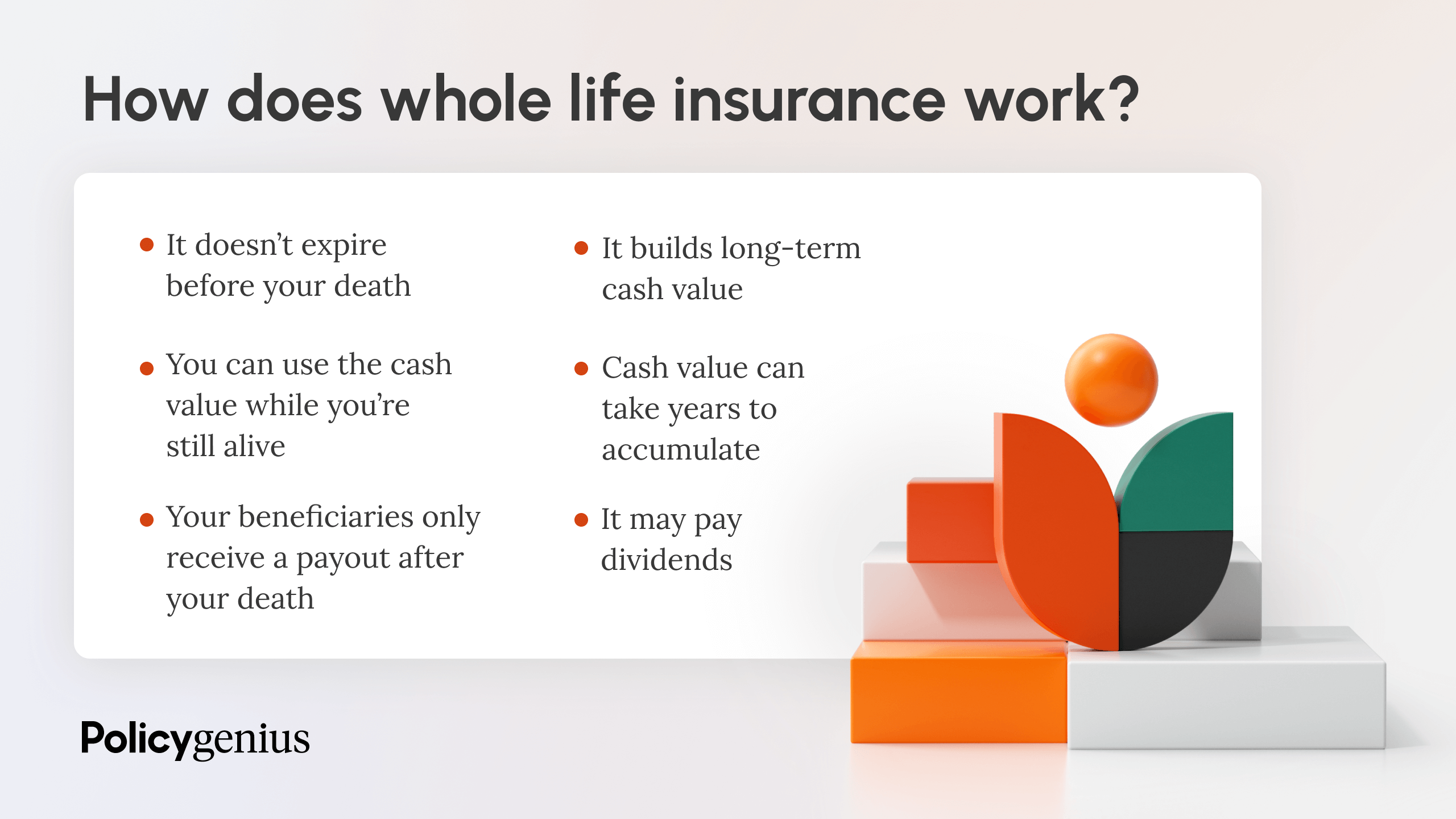
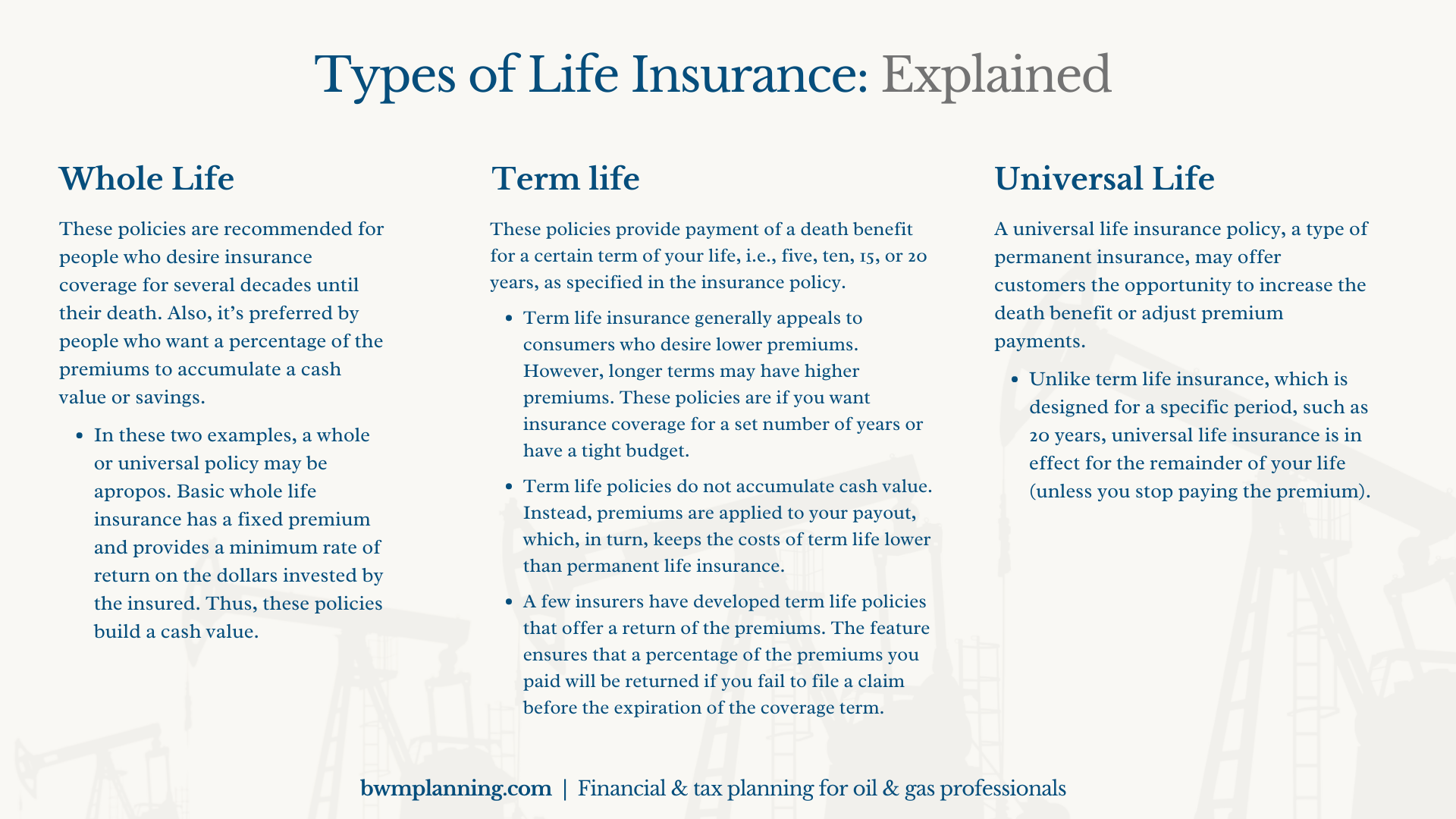
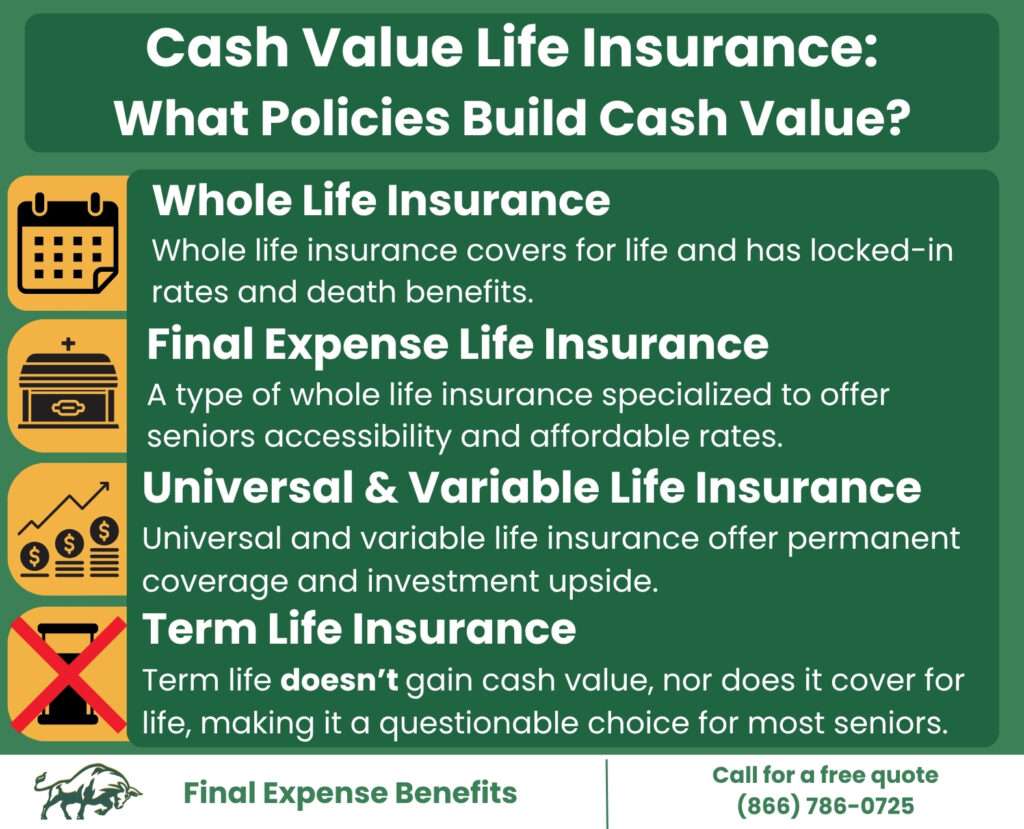
Whole life insurance is a type of permanent life insurance that provides lifetime coverage alongside a cash value component. This cash value grows on a tax-deferred basis, meaning policyholders generally do not pay current income tax on the interest, dividends, or internal gains accumulating inside the policy. However, this tax-deferred status changes when money is withdrawn, the policy is surrendered, or certain distributions are triggered.
When a taxable distribution occurs from a whole life insurance contract, the insurance carrier or financial institution issues Form 1099-R (Distributions From Pensions, Annuities, Retirement or Profit-Sharing Plans, IRAs, Insurance Contracts, etc.). While Form 1099-R is most commonly associated with retirement accounts like IRAs and 401(k)s, the IRS also mandates its use for reporting reportable distributions and surrenders from life insurance contracts and endowments.
To navigate this process successfully, policyholders must understand the distinction between cost basis (premiums paid) and gains, how policy loans interact with tax laws, and how to interpret the specific distribution codes listed on the form. This comprehensive guide details the mechanics of whole life insurance taxation, when Form 1099-R is triggered, how to read the form, and what steps to take during tax season.
How Whole Life Insurance Taxation Works
Before examining Form 1099-R, it is essential to understand the fundamental tax rules governing permanent life insurance. The tax code provides favorable treatment to life insurance to encourage financial protection, but this treatment is bound by specific statutory limits.
The Cost Basis Principle
The cornerstone of life insurance taxation is the cost basis (often referred to as the investment in the contract). The cost basis generally equals the total amount of premiums paid into the policy, minus any prior tax-free dividends or distributions taken.
- Tax-Free Return of Principal: Because premiums are paid with after-tax dollars, withdrawals up to the amount of the cost basis are treated as a return of principal and are completely income tax-free.
- Taxable Gains: Any amount withdrawn or distributed that exceeds the cost basis represents accumulated earnings and is subject to ordinary income tax rates.
The Cost Recovery Rule (FIFO vs. LIFO)
How withdrawals are taxed depends on whether the policy is classified as a standard life insurance contract or a Modified Endowment Contract (MEC):
- Non-MEC Life Insurance: Standard whole life policies follow the FIFO (First-In, First-Out) rule for withdrawals. Withdrawals are treated as coming from the cost basis first (tax-free) until the basis is exhausted. Only after the basis is fully depleted do withdrawals tap into taxable gains.
- Modified Endowment Contracts (MECs): If a policy receives an excess of funding within the first seven years (violating the 7-pay test established by the Technical and Miscellaneous Revenue Act of 1988), it becomes a MEC. MECs follow the LIFO (Last-In, First-Out) rule. Distributions are treated as coming from taxable earnings first, meaning every withdrawal is taxable as ordinary income until all gains are exhausted, and a 10% penalty tax may apply if the owner is under age 59½.
When Is Form 1099-R Issued for a Whole Life Policy?
An insurance company is not required to issue a Form 1099-R for every routine transaction. Policyholders can take certain actions without triggering tax reporting. However, specific milestones and transactions compel the insurer to generate the form and send a copy to both the policyholder and the IRS.
Transactions That Do Trigger Form 1099-R
- Policy Surrender: If the policyholder cancels or surrenders the whole life policy for its cash surrender value, a 1099-R is issued. The total payout is evaluated against the cost basis to determine the taxable gain.
- Maturity of the Contract: If the insured reaches the maturity age of the policy (often age 100 or 121 depending on the contract table) and the face value is paid out, this triggers reporting.
- Exceeding Cost Basis via Withdrawals: If a policyholder makes a cash withdrawal that exceeds their remaining cost basis, the excess gain portion is reported on Form 1099-R.
- Dividends Exceeding Cost Basis: While policy dividends are typically treated as a nontaxable return of premium, if total dividends received exceed the cumulative premiums paid, the excess may become taxable and trigger a 1099-R.
- Policy Lapse with Outstanding Loans: If a policy lapses while a policy loan is outstanding, the IRS treats the canceled loan amount as a deemed distribution. If the total loan exceeds the cost basis, a taxable gain occurs, resulting in a Form 1099-R.
Transactions That Do NOT Trigger Form 1099-R
- Standard Policy Loans: Taking a loan against the cash value of a whole life policy is generally treated as a loan, not a distribution, provided the policy remains active. Loans do not trigger a 1099-R.
- Nontaxable Withdrawals: Withdrawals of cash value that remain strictly at or below the cost basis do not generate taxable income and do not require a 1099-R.
- Death Benefit Payouts: The death benefit paid to a named beneficiary upon the passing of the insured is generally income tax-free under Internal Revenue Code Section 101(a) and does not generate a Form 1099-R.
Anatomy of Form 1099-R for Insurance Contracts
Form 1099-R contains several numbered boxes that provide specific financial data to the IRS and the taxpayer. When dealing with whole life insurance, certain boxes carry primary significance.
| Box Number | Field Name | Description & Relevance to Whole Life Insurance |
|---|---|---|
| Box 1 | Gross Distribution | The total dollar amount paid out to the policyholder during the tax year (e.g., total surrender value or withdrawal amount). |
| Box 2a | Taxable Amount | The portion of the gross distribution that is subject to income tax (calculated as Box 1 minus the cost basis). |
| Box 2b | Taxable amount not determined / Total distribution | Checkboxes indicating if the insurer cannot calculate the taxable amount or if the payout represents a total liquidation. |
| Box 7 | Distribution Code(s) | Alphanumeric codes that explain the reason for the distribution (e.g., Code 1 for early distribution, Code 7 for normal distribution). |
| Box 8 | Other | Reflects specific items such as designated or conservative asset distributions, if applicable. |
| Boxes 9a-9b | Your percentage of total distrib. / Employee contributions | Typically left blank or used for specific qualified plan equivalents; cost basis is tracked separately by the insurer. |
Understanding Distribution Codes in Box 7
Box 7 is critical because it tells the IRS why the money was distributed. Common codes found on life insurance 1099-Rs include:
- Code 1: Early distribution, no known exception (often used for MECs if the owner is under age 59½, signaling that a 10% penalty may apply).
- Code 7: Normal distribution (used when the policyholder is over age 59½ or when standard rules apply, avoiding early withdrawal penalties).
- Code 4: Death (though death benefits are generally tax-free, reporting may occur in specific administrative contexts).
- Code F: A direct trustee-to-trustee transfer, though less common in standard whole life contracts unless part of an IRC Section 1035 exchange.
Section 1035 Exchanges and Form 1099-R
A frequent point of confusion for policyholders is whether an exchange of one life insurance policy for another triggers a Form 1099-R.
Under Internal Revenue Code Section 1035, a policyholder can exchange an existing whole life insurance policy for a new life insurance policy, endowment, or annuity without recognizing a taxable gain. Even though no tax is owed, the insurance company originating the old policy will still issue a Form 1099-R.
How a 1035 Exchange is Reported
- Box 1 will show the total cash value transferred from the old policy to the new carrier.
- Box 2a (Taxable Amount) should ideally show $0, because the exchange is a tax-free rollover of assets.
- Box 7 will typically display a specific code (such as Code 6) indicating a tax-free exchange between insurance contracts.
Taxpayers must ensure that their tax professional or tax software correctly accounts for this transaction. If Box 2a incorrectly lists the full transfer amount as taxable income, the taxpayer must reconcile the error by attaching Form 8949 or providing documentation showing the tax-free 1035 exchange.
Common Mistakes and How to Avoid Them
Failing to properly reconcile a whole life insurance transaction on a tax return can lead to IRS notices, unnecessary tax liabilities, or audits. Policyholders should watch out for several frequent pitfalls.
1. Assuming All Cash Surrenders Are Tax-Free
A common misconception is that because life insurance premiums are paid with after-tax dollars, getting rid of a policy is entirely tax-free. In reality, if the cash surrender value exceeds the total premiums paid, that difference is profit and is fully taxable as ordinary income.
2. Ignoring Cost Basis Tracking
Insurers do not always print the exact cost basis on the Form 1099-R (often leaving Box 2a blank or showing the gross distribution in Box 1). It is the policyholder's responsibility to maintain historical records of all premium payments, withdrawals, and prior dividends to calculate the exact taxable gain.
3. Confusing Policy Loans with Income
Taking a policy loan does not generate a 1099-R and is not taxable income. However, if a policy lapses while a loan is outstanding, the loan balance is transformed into a taxable distribution. Many taxpayers fail to budget for the unexpected tax bill generated by a lapsing leveraged policy.
Up-to-date guidance and official instructions regarding tax reporting forms can be reviewed directly via the Internal Revenue Service (IRS).
Frequently Asked Questions
Does receiving a Form 1099-R for whole life insurance mean I owe taxes?
Not necessarily. Form 1099-R reports the gross distribution, but tax is only owed on the portion that exceeds your cost basis (total premiums paid). If you completed a tax-free 1035 exchange, the taxable amount in Box 2a should be zero, meaning no tax is owed despite the issuance of the form.
What should I do if my insurance company reported the wrong taxable amount?
If you believe the taxable amount in Box 2a is incorrect—for example, if the insurer did not factor in your historical premium payments—contact the insurance carrier immediately to request a corrected Form 1099-R (marked as "Corrected"). If a corrected form cannot be obtained in time, you must report the accurate figures on your tax return and be prepared to attach documentation supporting your cost basis calculation.
Are life insurance policy loans reported on Form 1099-R?
No. Standard policy loans taken against the cash value of a whole life insurance policy are considered loans from the insurer, not taxable distributions. They do not generate a Form 1099-R unless the policy lapses or is surrendered while the loan is outstanding, at which point the unpaid loan is treated as a distribution.
Why did I receive a Form 1099-R when I did a 1035 exchange?
Insurance companies are legally required to report the movement of funds out of a policy, even when that movement is a tax-free Section 1035 exchange into a new policy. The form documents the transfer, but Box 7 or accompanying codes should indicate that the transaction was a non-taxable exchange.
Conclusion and Next Actions
Navigating Form 1099-R in the context of whole life insurance requires careful attention to cost basis, transaction types, and tax classifications. When a distribution, surrender, or exchange occurs, reviewing the form immediately against personal financial records ensures accuracy. Policyholders should maintain comprehensive records of all premium payments and consult a qualified tax professional or certified financial planner before surrendering a policy or executing major cash value transactions to minimize unexpected tax liabilities.