The 1099-MISC filing deadline for reporting the 2024 tax year payments to the IRS was February 28, 2025, if filing on paper, or March 31, 2025, if filing electronically. Copy B must have been furnished to recipients by January 31, 2025.
Navigating information returns can be a daunting task for business owners, independent contractors, and accounting professionals alike. When tax season arrives, understanding the precise due dates, procedural modifications, and technical compliance mandates for tax forms ensures that businesses avoid costly penalties. The Form 1099-MISC (Miscellaneous Information) is a crucial component of tax compliance in the United States, capturing payments that do not fit neatly onto a Form 1099-NEC (Nonemployee Compensation) or other specialized reporting documents.
Understanding the precise timeline requires a comprehensive breakdown of the reporting ecosystem. Meeting these regulatory obligations involves not only submitting information to the Internal Revenue Service (IRS) but also fulfilling strict statutory mandates regarding recipient copies.
Overview of Form 1099-MISC and Reporting Scope
Form 1099-MISC is utilized by payers to report miscellaneous income distributions to individuals, partnerships, corporations, and other entities during the course of a trade or business. While the Form 1099-NEC handles nonemployee compensation, the 1099-MISC covers a wide array of specialized financial transactions.
Common types of payments reported on Form 1099-MISC include:
- At least $10 in gross royalty payments or broker payments in lieu of dividends or tax-exempt interest.
- At least $600 in rents, prizes and awards, other income payments, and medical and healthcare payments.
- Direct sales of at least $5,000 of consumer products for resale anywhere other than a permanent retail establishment.
- Payments to a physician or legal corporation.
- Fish purchases for cash.
Determining whether a payment requires a 1099-MISC involves evaluating both the cumulative annual dollar threshold and the recipient's tax classification. Most payments made to corporations—including limited liability companies (LLCs) treated as C or S corporations—are exempt from reporting, though payments for legal services remain an exception to this rule.
Critical Deadlines for the 2024 Tax Year (Filed in 2025)
The tax reporting calendar is split between furnishing notices to the individuals or entities receiving payments and submitting the formal data to federal agencies. Missing these targets can result in tiered penalties imposed by the IRS.
Recipient Furnishing Deadline
- Date: January 31, 2025
- Requirement: Payers must provide Copy B of Form 1099-MISC to the recipient (the person or entity that received the income). This gives taxpayers the necessary data to prepare their own income tax returns.
IRS Paper Filing Deadline
- Date: February 28, 2025
- Requirement: For businesses filing paper forms (Copy A) with the IRS, this is the final day to mail documentation without incurring late-filing penalties. However, paper filing is heavily restricted for entities filing large volumes of information returns.
IRS Electronic Filing Deadline
- Date: March 31, 2025
- Requirement: Payers filing electronically through the IRS Information Returns Intake System (IRIS) or the older Filing Information Returns Electronically (FIRE) system have until this date to transmit their files.
E-Filing Mandates and Technological Requirements
A major regulatory shift executed by the IRS significantly impacts how businesses submit their information returns. Under Treasury Decision 9972, the threshold for mandatory electronic filing was drastically lowered.
The 10-Return Rule
Previously, businesses could file up to 250 information returns on paper before electronic filing became compulsory. The updated regulations lowered this threshold to a cumulative total of 10 or more information returns.
This means that if a business files a combination of 10 or more information returns—such as Form 1099-NEC, Form 1099-MISC, Form 1099-INT, and Form W-2 combined—electronic filing is mandatory. Attempting to submit paper forms when crossing this 10-return threshold can result in severe non-compliance penalties from the IRS, unless an approved waiver is granted.
Electronic Filing Systems
Payers utilize distinct platforms to transmit their 1099 data:
- IRIS (Information Returns Intake System): A modern, web-based portal provided directly by the IRS that allows secure transmission of 1099 forms without requiring specialized software or complex formatting.
- FIRE System: The legacy system primarily utilized by financial institutions, software developers, and high-volume filers using specialized ASCII-formatted text files.
Comparison of 1099-MISC and 1099-NEC Deadlines and Criteria
A frequent source of confusion during tax season is distinguishing between the 1099-MISC and the 1099-NEC. While both share the January 31 deadline for recipient furnishing, their IRS filing schedules diverge significantly.
| Form Type | Primary Purpose | IRS Paper Filing Deadline | IRS E-Filing Deadline | Recipient Deadline |
|---|---|---|---|---|
| Form 1099-MISC | Rents, royalties, prizes, awards, legal services | February 28, 2025 | March 31, 2025 | January 31, 2025 |
| Form 1099-NEC | Nonemployee compensation (independent contractors) | January 31, 2025 | January 31, 2025 | January 31, 2025 |
As shown in the table above, Form 1099-NEC maintains an expedited timeline where both paper and electronic filings are due on January 31. This dual-deadline structure allows businesses handling miscellaneous payments on Form 1099-MISC an extra month for electronic submission, easing the administrative burden on accounting departments.
Step-by-Step Guide to Filing Form 1099-MISC
Ensuring accurate and timely submission requires a structured workflow throughout the fiscal year, culminating in the formal reporting process.
1. Collect Form W-9 Early
Before issuing payments to vendors, landlords, or service providers, collect a completed Form W-9 (Request for Taxpayer Identification Number and Certification). This document verifies the payee’s correct legal name, address, federal tax classification, and Employer Identification Number (EIN) or Social Security Number (SSN).
2. Track Payments and Thresholds
Maintain a ledger of all transactional disbursements. Verify whether payments cross the statutory minimums—such as $600 for rents or $10 for royalties—and check whether the recipient is exempt from 1099 reporting based on their entity classification (e.g., corporations).
3. Complete the Form Accurately
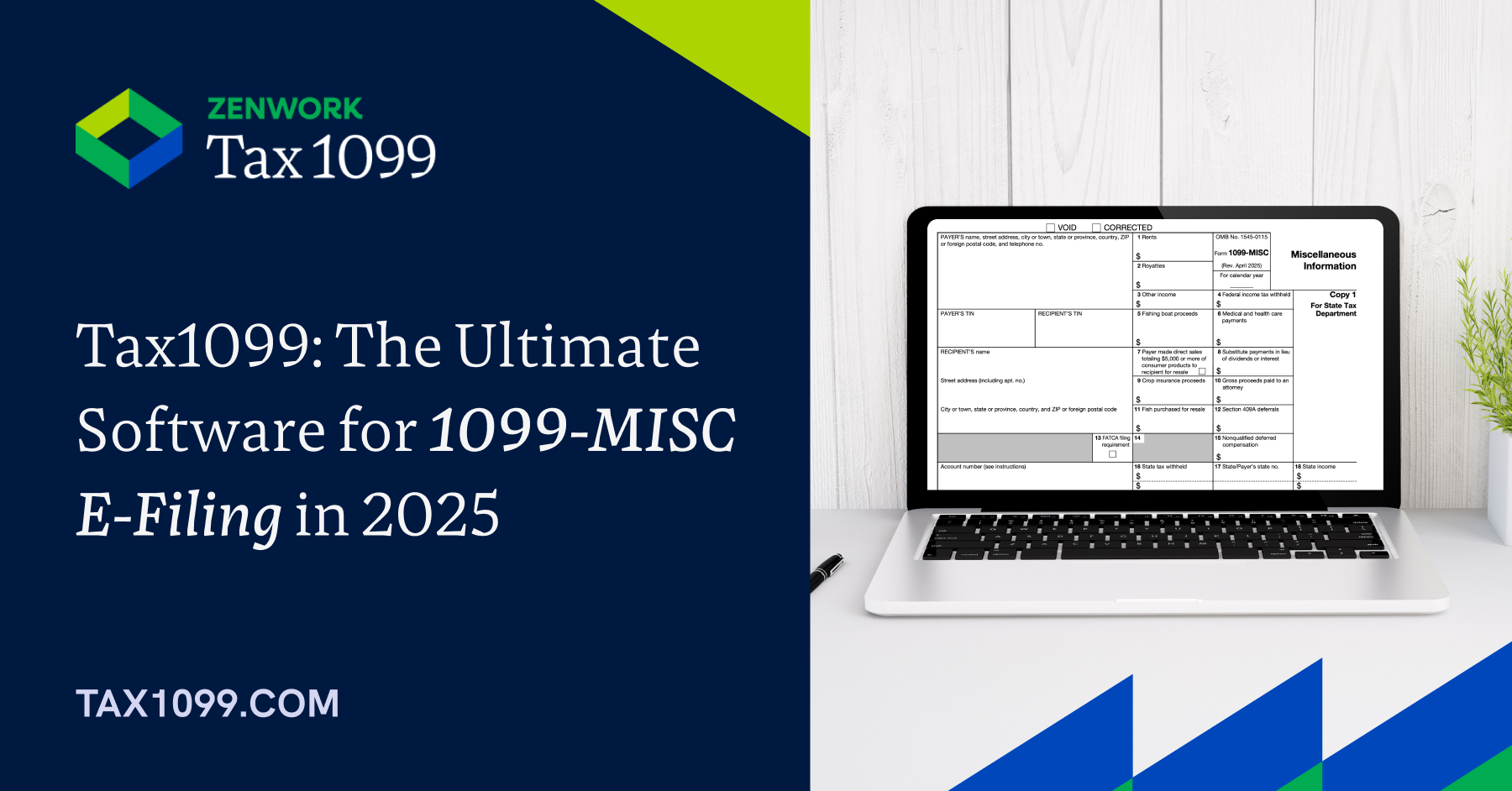
When filling out Form 1099-MISC, verify the correct data boxes:
- Box 1: Rents
- Box 2: Royalties
- Box 3: Other income
- Box 5: Fishing boat proceeds
- Box 8: Substitute payments in lieu of dividends or interest
- Box 10: Gross proceeds paid to an attorney
4. Distribute and Transmit
Provide Copy B to the recipient by January 31, 2025. Then, submit Copy A to the IRS via the IRIS portal or mail paper forms along with Form 1096 (Annual Summary and Transmittal of U.S. Information Returns) if filing under the paper exemption threshold.
Common Mistakes to Avoid
Navigating tax information returns involves strict compliance hurdles. Avoiding common operational errors prevents delays, notices, and financial penalties.
- Failing to E-File When Required: Assuming the old 250-form threshold applies instead of the updated 10-return threshold. Exceeding 10 total information returns without filing electronically will trigger administrative penalties.
- Incorrect Taxpayer Identification Numbers (TINs): Entering mismatched names and TIN combinations leads to IRS CP2100 notices and potential backup withholding requirements. Always cross-reference data against the collected Form W-9.
- Missing the Recipient Deadline: Failing to furnish Copy B by January 31. Even if the IRS filing deadlines afford extra time, recipients must receive their copies promptly to file their individual or corporate tax returns.
- Confusing NEC and MISC Categories: Reporting independent contractor nonemployee compensation on Form 1099-MISC instead of Form 1099-NEC. The IRS implemented Form 1099-NEC specifically to decouple nonemployee compensation from the miscellaneous schedule.
Penalties for Late or Incorrect Filing
The IRS enforces tiered financial penalties for failing to file correct information returns on time. The penalty amounts adjust annually for inflation and depend on how late the filing occurs:
- Filing within 30 days late: A lower penalty per return applies, capped at an annual maximum for small businesses.
- Filing after 30 days but by August 1: A higher penalty per return applies, with a correspondingly higher cap.
- Filing after August 1 or not filing at all: The maximum penalty tier is assessed per return.
- Intentional Disregard: If the IRS determines that a business intentionally failed to file accurate information returns, penalties increase substantially with no maximum cap.
Frequently Asked Questions
What should I do if I missed the 2025 filing deadlines for Form 1099-MISC?
File the required returns with the IRS as soon as possible, either electronically through IRIS or via paper. While late penalties will accrue, filing promptly helps mitigate the total penalty exposure and reduces the likelihood of automated compliance notices from the IRS.
Do I need to file a Form 1099-MISC for payments made to an LLC?
It depends on how the LLC is taxed. If the LLC is a single-member entity treated as a disregarded entity for tax purposes, or if it is structured as a partnership, you generally must file if payments meet or exceed $600. If the LLC is classified as a C or S corporation, reporting is typically exempt.
Can I request an extension to file Form 1099-MISC?
Yes. Payers can request an automatic 30-day extension to file information returns with the IRS by submitting Form 8809 (Application for Extension of Time To File Information Returns) on or before the original due date. Note that this extension generally does not automatically extend the deadline for furnishing copies to recipients.
How do state filing requirements interact with the federal 1099-MISC deadline?
Many states participate in the IRS Combined Federal/State Filing (CFSF) program, which automatically forwards information returns to participating state tax agencies. However, states with independent state income taxes or specific state-level reporting thresholds may require separate submissions directly to the state department of revenue, often on matching timelines.
What is the difference between Form 1099-MISC and Form 1099-NEC?
Form 1099-NEC is dedicated exclusively to nonemployee compensation paid to independent contractors, freelancers, or service providers. Form 1099-MISC covers other types of miscellaneous payments, such as rents, royalties, healthcare payments, and prizes.
Next Actions and Compliance Checklist
To maintain optimal tax hygiene and compliance, business operators and financial administrators should implement a continuous verification workflow:
- Audit all vendor profiles annually to ensure active Form W-9 documents are on file.
- Monitor aggregate payment totals throughout the fiscal year to identify accounts crossing statutory reporting thresholds early.
- Establish access credentials for the IRS IRIS portal well in advance of filing season to prevent technical bottlenecks.
- Consult a certified public accountant (CPA) or tax professional to review complex transactions, multi-state reporting nuances, and localized regulatory updates.