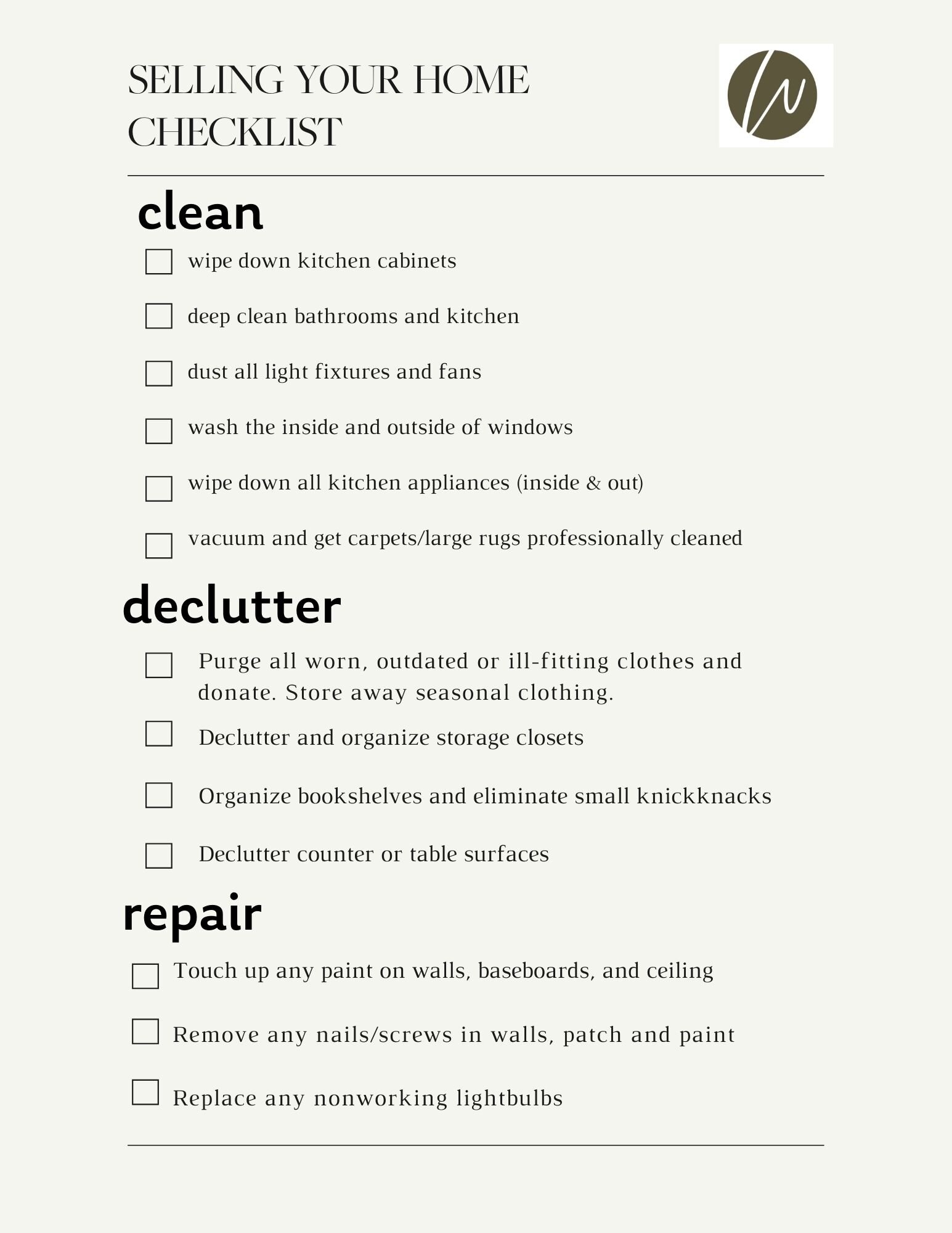
Preparing a home for the market requires a strategic approach that combines deep cleaning, essential repairs, and intentional staging to maximize buyer appeal and property value. By addressing structural vulnerabilities, neutralizing interior aesthetics, and enhancing curb appeal before listing, sellers can accelerate the sale timeline and command competitive offers.
Getting a property ready for real estate listing can feel overwhelming, but breaking the process down into high-impact, manageable steps ensures that every dollar and hour spent yields a measurable return. Whether you are working with a real estate agent or listing independently, a structured preparation phase helps your house stand out in a competitive market. Below are ten critical steps to complete before putting your house on the market, designed to address everything from structural integrity to first impressions.
1. Deep Clean Every Square Inch
The foundation of any successful home sale is an uncompromising level of cleanliness. When prospective buyers tour a property, cleanliness acts as a proxy for how well the home has been maintained overall. If a buyer notices dust on the baseboards or grime in the oven, they will instinctively wonder what other hidden, more expensive maintenance issues might be lurking behind the walls.
Begin with a top-to-bottom deep clean that goes far beyond routine weekly chores. Wash windows inside and out to maximize natural light—a major selling point for any property. Scrub grout lines in the bathrooms and kitchen, polish stainless steel appliances, and steam clean carpets to eliminate embedded dirt and persistent odors. Pay special attention to high-traffic areas, baseboards, ceiling fans, light fixtures, and the interiors of cabinets and closets.
If deep cleaning feels like too massive of a project while managing the stress of moving, consider hiring a professional cleaning service. A pristine home feels larger, smells fresher, and invites buyers to imagine moving right in without having to scrub someone else's residue.
2. Depersonalize and Declutter Your Space
Buyers need to visualize themselves living in your home, which is nearly impossible if every wall and shelf is covered in family portraits, vacation souvenirs, and personal collections. Depersonalizing allows prospective buyers to mentally project their own lives onto the canvas of your house.
Start by packing away family photos, religious artifacts, political memorabilia, and highly idiosyncratic decorative items. Next, tackle decluttering with ruthless efficiency. Clear off kitchen counters, remove unnecessary furniture to make rooms feel more expansive, and thin out overcrowded closets. Buyers will open closets, pantries, and storage cabinets; if things spill out, they will perceive the storage space as inadequate, regardless of its actual square footage.
Rent a temporary storage unit if necessary to house excess furniture and personal items during the selling process. A minimalist, tidy environment highlights the architectural features and spaciousness of your rooms.
3. Neutralize Bold Paint Colors and Wallpaper
While you may love a vibrant tangerine accent wall or a dramatic dark navy bedroom, bold and highly personalized design choices can alienate a significant percentage of buyers. Painting walls in neutral tones—such as warm grays, soft off-whites, or versatile beiges—creates a blank slate that appeals to a broad demographic and makes spaces look brighter and larger.
If your home features outdated wallpaper or heavily textured faux-finishes, take the time to remove it and smooth the walls before painting. Wallpaper is a matter of intense personal taste, and many buyers view its removal as an expensive and labor-intensive chore. Neutral paint is one of the most cost-effective home improvements you can make, offering a high return on investment by instantly modernizing the interior aesthetic.
4. Tackle Critical Minor Repairs and Maintenance
Deferred maintenance is a primary red flag for home inspectors and savvy buyers. A dripping faucet, a squeaky door hinge, a cracked tile, or a hole in drywall may seem minor to you, but to a buyer, each defect signals neglect and hints at potential underlying structural problems.
Walk through your house with a critical eye, notepad in hand, and compile a comprehensive repair punch list. Address these items before scheduling photographs or open houses:
- Patch holes in drywall and touch up scuffed paint.
- Replace burnt-out light bulbs with bright, matching LEDs.
- Fix leaking faucets, running toilets, and sluggish drains.
- Oil squeaky doors and tighten loose cabinet hardware.
- Replace cracked or missing electrical switchplate covers.
Taking care of these small annoyances communicates that the home has been meticulously cared for, giving buyers greater confidence in making an offer.
5. Enhance Curb Appeal for an Unbeatable First Impression
Curb appeal is the ultimate litmus test for a property. If a buyer pulls up to your house and is greeted by overgrown shrubs, peeling paint, and a cluttered porch, their enthusiasm will plummet before they even step through the front door. Exterior presentation sets the psychological tone for the entire showing.
Begin with basic landscaping: mow the lawn, edge the walkways, weed flower beds, and lay down fresh mulch. Trim back bushes that block windows or obscure the entryway. Power wash the siding, driveway, and front walkway to blast away years of dirt and grime.
Finally, focus on the front entrance. Paint the front door a welcoming, complementary color, update the house numbers, install a modern light fixture, and place a clean, neutral doormat at the threshold. These low-cost exterior updates deliver a powerful visual punch.
6. Maximize Natural Light and Illumination
Dark homes feel smaller, dingier, and less inviting. Maximizing light throughout your house is a crucial step in preparing it for showings and professional real estate photography.
Before any showing or photography session, throw open all curtains, blinds, and drapes to flood the interior with natural daylight. Clean the windows inside and out to ensure glass is streak-free and transparent.
Inside, evaluate the artificial lighting in every room. Upgrade low-wattage bulbs to higher-lumen LED bulbs with a warm, consistent color temperature (typically between 2700K and 3000K). Turn on every lamp and overhead light fixture before potential buyers arrive, even during daytime showings, to create a bright, warm, and expansive atmosphere.
7. Neutralize Unpleasant Odors
Homeowners often become nose-blind to the distinct smells of their own properties, whether caused by pets, cooking spices, dampness, or tobacco. However, unpleasant odors are an immediate dealbreaker for many prospective buyers and can instantly overshadow attractive decor or a great layout.
Identify and eliminate the root sources of any odors rather than simply masking them with heavy artificial air fresheners, which can trigger allergies or arouse suspicion. Deep clean carpets and upholstery, wash pet bedding, take out the trash daily, and run an enzymatic cleaner on any pet-related trouble spots.
When hosting an open house, keep artificial scents to a minimum. A subtle, clean scent or the neutral smell of fresh air is far more appealing than overpowering chemical sprays or heavy scented candles.
8. Stage Rooms to Highlight Function and Flow
Staging goes beyond simple decorating; it is the strategic arrangement of furniture and accessories to showcase a home’s best architectural features, define functional zones, and maximize spatial flow.
Evaluate each room to ensure its primary purpose is immediately obvious to a visitor. A spare room should not double as a home office and a storage catch-all; choose one distinct function and stage it accordingly. Arrange furniture to facilitate natural conversation areas and clear walking paths.
Remove bulky furniture that makes rooms feel cramped. Add tasteful, neutral accent pieces—such as fresh greenery, crisp white towels in the bathroom, and a decorative throw blanket on the sofa—to create an aspirational yet lived-in feel that appeals to buyers' lifestyles.
9. Gather Records of Repairs and Warranties
An organized homeowner inspires trust. When buyers make an offer or enter into escrow, they want to know the history of the property and its major mechanical systems.
Compile a comprehensive binder or digital folder containing documentation for your home. Include:
- Receipts and contractor invoices for major repairs, roof replacements, and HVAC servicing.
- User manuals and active warranty documents for appliances, water heaters, and smart home devices.
- Permits for any additions, remodeling projects, or finished basements.
- Utility bills from the past year to help buyers estimate monthly operating costs.
Providing transparent, well-organized records demonstrates responsible ownership and can streamline the home inspection and appraisal processes.
10. Complete a Pre-Listing Home Inspection
One of the most proactive steps a seller can take is hiring a certified home inspector to conduct a pre-listing inspection before putting the property on the market. Surprises discovered during a buyer's home inspection frequently derail transactions or lead to aggressive last-minute price negotiations.
By identifying hidden defects—such as minor roof leaks, outdated electrical wiring, or plumbing issues—ahead of time, you retain control. You can choose to repair the issues professionally before listing, price the home accordingly, or disclose the findings upfront with repair estimates in hand. This transparency builds immense credibility with potential buyers and keeps the transaction moving smoothly toward closing.
| Preparation Step | Primary Objective | Estimated Effort Level | Potential Impact on Sale |
|---|---|---|---|
| 1. Deep Cleaning | Eliminate grime and signal overall maintenance care | High | Essential |
| 2. Decluttering & Depersonalizing | Allow buyers to visualize themselves in the space | Medium-High | High |
| 3. Neutralizing Paint | Broaden aesthetic appeal and modernize interiors | Medium | High |
| 4. Minor Repairs | Remove red flags for inspectors and cautious buyers | Low-Medium | High |
| 5. Curb Appeal | Create an inviting first impression at the entryway | Medium | Essential |
| 6. Maximize Lighting | Make rooms feel larger, brighter, and more welcoming | Low | Medium-High |
| 7. Neutralize Odors | Prevent immediate dealbreakers upon entry | Low | Essential |
| 8. Strategic Staging | Highlight room function and spatial flow | Medium | High |
| 9. Organize Records | Build buyer trust and streamline escrow | Low | Medium |
| 10. Pre-Listing Inspection | Eliminate surprises during buyer negotiations | High | High |
Frequently Asked Questions
Should I renovate my kitchen before selling my house?
Not necessarily. Major kitchen remodels rarely return 100% of their cost upon resale. Instead of a costly gut renovation, focus on high-impact, low-cost updates such as painting existing cabinets, replacing outdated hardware, installing a modern backsplash, or upgrading to new stainless steel appliances.
How long does it take to prepare a house for the market?
Depending on the size of the home and the amount of deferred maintenance, preparation typically takes anywhere from two to four weeks. This window allows ample time for decluttering, deep cleaning, painting, tackling minor repairs, and coordinating professional staging and photography.
Is professional staging worth the investment?
Yes, in most cases professional staging helps homes sell faster and often for a higher price. Staged homes photograph better online—which is where the vast majority of modern buyers begin their search—and help visitors understand how to utilize awkward or empty spaces effectively.
What should I hide or lock away during home showings?
You should secure all valuables, prescription medications, financial documents, firearms, and sensitive personal information. While the vast majority of people who tour homes are honest, open houses invite a high volume of strangers into your private living space.
How can I make my small rooms look larger to buyers?
To make compact spaces feel more expansive, remove excess furniture, keep window treatments minimal to let in natural light, use neutral light paint colors on walls, and hang large mirrors to reflect light and create a sense of depth throughout the room.
Final Recommendation
Preparing your house for sale is a strategic exercise in marketing and presentation rather than simply packing your belongings. Start by addressing deferred maintenance and deep cleaning, then transition to neutralizing aesthetics and staging your spaces to appeal to the widest possible buyer pool. Completing these foundational steps before your first open house will position your property for a faster, more profitable sale.