Navigating a positive COVID-19 test requires a clear understanding of current public health recommendations, focusing on core symptom management, strategic isolation protocols, and personalized risk assessment to prevent transmission in community and workplace settings.
Evolution of Public Health Policy: Shifting Toward Unified Respiratory Virus Guidance
The framework for managing respiratory illnesses has undergone significant restructuring by public health authorities. For several years, isolation protocols for SARS-CoV-2 were distinct from those governing other common respiratory pathogens like influenza and respiratory syncytial virus (RSV). However, the Centers for Disease Control and Prevention (CDC) streamlined these recommendations into a single, unified respiratory virus guidance framework.
This approach acknowledges that individuals experience similar clinical trajectories across various common viral infections and that practical, sustainable behavioral recommendations yield better public health compliance than complex, pathogen-specific matrices. When managing a positive test result, the focus shifts away from rigid, arbitrary isolation clocks and toward a symptom-led recovery model. This model prioritizes individual clinical presentation, fever resolution, and overall functional improvement over mandatory calendar days.
Understanding this shift helps patients, employers, and healthcare providers communicate effectively. Rather than calculating exact hours since symptom onset or testing cadence, individuals evaluate their physiological recovery milestones. This modern approach balances the ongoing need to protect vulnerable populations with the practical realities of daily life, employment, and education.
Core Principles of the Unified Respiratory Guidance
The foundation of modern public health management rests on actionable milestones rather than compulsory quarantine periods. When an individual tests positive for COVID-19, the immediate clinical objective is to mitigate transmission while ensuring safe, effective personal recovery.
1. Staying Home and Isolating During Acute Illness
The primary line of defense against community transmission is remaining at home when actively sick. If you test positive for COVID-19, you should isolate from others, particularly individuals at a high risk of developing severe complications. This means staying away from communal spaces within a household where possible, using a separate bathroom, and minimizing direct physical contact with uninfected co-habitants.
2. Monitoring Symptoms Closely
Self-monitoring involves tracking the trajectory of your illness. Common symptoms include fever, chills, cough, shortness of breath, fatigue, muscle aches, and loss of taste or smell. Keeping a log of temperature and symptom severity helps determine when you are ready to resume normal activities and alerts you to potential warning signs that require professional medical evaluation.
3. Applying Fever-Free Criteria Without Medication
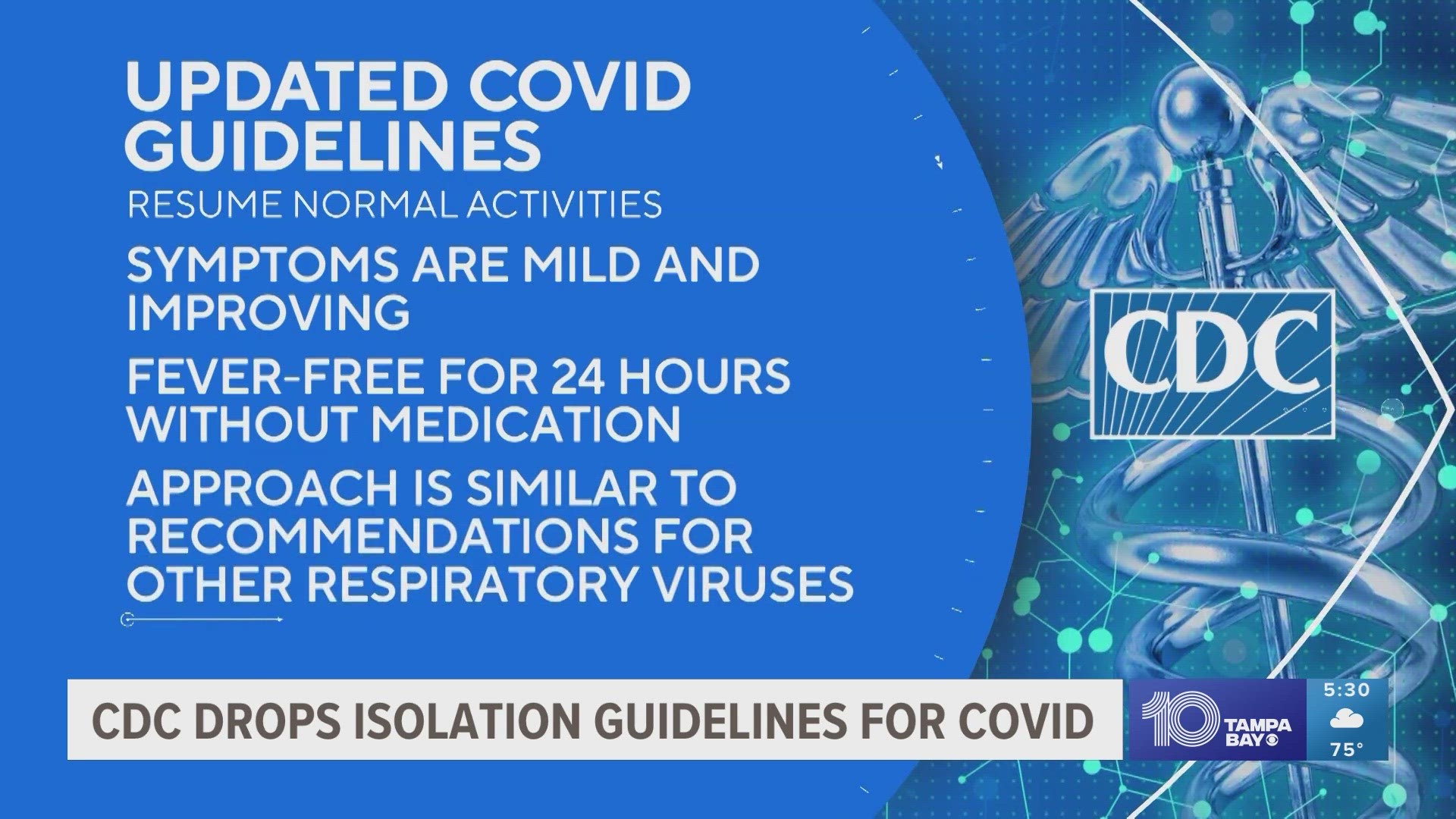
A critical milestone in ending isolation is the resolution of fever. Current guidelines specify that you must be free of fever for at least 24 hours without the use of fever-reducing medications such as acetaminophen or ibuprofen. Relying on unmedicated fever checks ensures that the underlying inflammatory response has genuinely subsided rather than being temporarily masked by pharmaceuticals.
4. Evaluating Overall Symptom Improvement
Beyond fever resolution, other symptoms must be showing clear signs of improvement. If you still have a lingering, mild cough or residual fatigue, you may still resume normal activities provided those symptoms are distinctly better and you meet all other criteria. Conversely, if symptoms are worsening or persist unabated, continued isolation and medical consultation are necessary.
5. Implementing Additional Precautions After Returning to Normal Activities
Even after meeting the criteria to resume normal routines, the body may continue to shed viral particles at lower levels. For an additional five days, individuals are advised to take extra precautions. These protective measures include wearing a well-fitting mask when around others, maintaining physical distance, enhancing indoor air ventilation, and utilizing diagnostic testing to confirm reduced viral load before unmasked interactions.
6. Protecting High-Risk Individuals and Settings
Special care is required for individuals who interact with or live near vulnerable populations, including older adults, immunocompromised persons, infants, and individuals with underlying chronic medical conditions. If exposure to high-risk environments is unavoidable, strict adherence to masking, hygiene protocols, and avoidance of non-essential visits is essential during and immediately following a positive test.
7. Prioritizing Enhanced Personal Hygiene
Basic hygiene practices remain highly effective barriers to viral dissemination. Frequent handwashing with soap and water for at least 20 seconds, or utilizing alcohol-based hand sanitizer when soap is unavailable, reduces surface-to-person transmission. Additionally, covering coughs and sneezes with a tissue or the inner elbow prevents aerosolized droplets from contaminating shared environments.
8. Utilizing Indoor Air Quality and Ventilation Strategies
Mitigating airborne transmission within indoor spaces is a vital component of post-positive management. Opening windows when weather permits, utilizing portable high-efficiency particulate air (HEPA) cleaners, and running HVAC systems with upgraded filtration ratings help lower the concentration of viral particles in shared air spaces, protecting other household members.
9. Assessing Personal Risk Factors and Treatment Eligibility
A positive test demands prompt evaluation of individual health status to determine eligibility for antiviral therapeutics. Medications such as Paxlovid significantly reduce the risk of severe illness, hospitalization, and death, but they must be administered within a specific window following symptom onset. High-risk individuals should contact a healthcare provider immediately upon testing positive to discuss therapeutic options.
10. Staying Informed Through Verified Public Health Channels
Guidance can evolve as scientific understanding and viral characteristics shift. Relying on direct updates from the CDC and local health departments ensures that your actions align with the most current scientific evidence, avoiding reliance on outdated internet rumors or superseded protocols.
Actionable Recovery Timeline and Protocols
To operationalize these ten principles, individuals must follow a structured decision-making process from the moment of a positive test through the days that follow.
| Recovery Phase | Primary Actions | Key Criteria for Advancement |
|---|---|---|
| Acute Phase (Days 1–3+) | Isolate at home, monitor symptoms, assess antiviral eligibility, practice strict hand hygiene, and wear a mask around household members. | Presence of active symptoms or fever. |
| Transition Phase (Fever Resolution) | Verify 24 hours have passed without fever-reducing medications; assess if other symptoms are clearly improving. | Body temperature normal unassisted for 24+ hours; overall improvement. |
| Precaution Phase (Next 5 Days) | Resume normal activities with enhanced precautions: wear a well-fitting mask, maintain distance, test periodically, and improve ventilation. | Completion of acute symptoms and stable recovery trajectory. |
Managing Symptoms and Seeking Medical Care
Most individuals who test positive for COVID-19 experience mild to moderate illness that can be managed effectively at home with supportive care. This includes adequate hydration, rest, and over-the-counter medications for discomfort such as sore throats or body aches. However, recognizing red-flag symptoms is crucial for preventing severe outcomes.
Seek emergency medical attention immediately if you or someone testing positive experiences any of the following warning signs:
- Severe, persistent pain or pressure in the chest
- New confusion or inability to wake or stay awake
- Pale, gray, or blue-colored skin, lips, or nail beds
- Severe shortness of breath or difficulty breathing
If you do not experience emergency symptoms but possess risk factors such as advanced age, obesity, diabetes, or immunosuppression, contact your primary care physician or visit an urgent care center promptly. Early medical assessment ensures timely access to prescription treatments that alter the course of the infection.
Frequently Asked Questions
Do I still need to isolate for five days after testing positive?
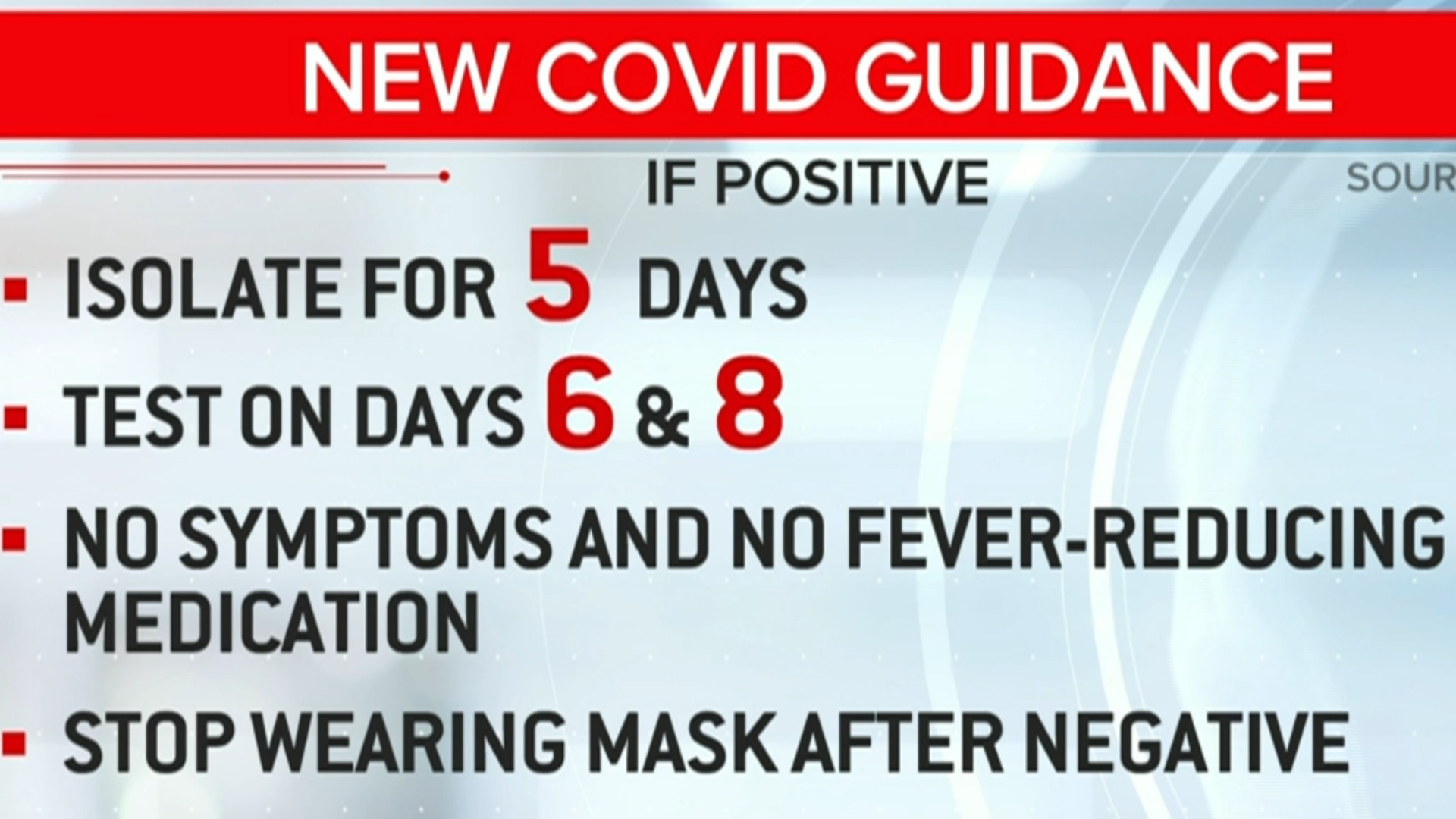
The previous rigid rule mandating a specific five-day isolation period has been replaced by the unified respiratory virus guidance. Under current recommendations, you do not need to count exact days. Instead, you isolate while you are sick with symptoms and have a fever, and you may resume normal activities once your fever has resolved for 24 hours without medication and your other symptoms are clearly improving.
What should I do if my symptoms return after I have recovered?
If your symptoms return or worsen after you have resumed normal activities—sometimes referred to as viral rebound—you should restart your isolation period and take precautions again. Consult a healthcare provider if symptoms are severe or concerning, as a secondary evaluation may be necessary to rule out other infections or complications.
Are at-home rapid antigen tests still reliable for confirming recovery?
At-home rapid antigen tests remain useful tools for detecting viral presence, but they are no longer the sole metric required to end isolation. While a negative antigen test can provide added reassurance that your viral shedding has dropped, the clinical guidance prioritizes symptom resolution and fever absence as the primary indicators for safe return to normal activities.
Can I take antiviral treatments if I test positive?
Antiviral treatments, such as oral Paxlovid, are available for individuals who test positive and face a high risk of progressing to severe illness. These treatments must be prescribed by a healthcare provider and taken within the first five days of symptom onset. It is vital to speak with a doctor or pharmacist immediately upon receiving a positive test to evaluate your eligibility.
How can I protect other people living in my home?
To protect household contacts, isolate in a separate room if possible, use a dedicated bathroom, wear a high-filtration mask (such as an N95 or KN95) when interaction is unavoidable, improve indoor ventilation by opening windows or running air purifiers, and disinfect high-touch surfaces regularly.
Next Steps and Professional Disclaimer
If you have recently tested positive for COVID-19, begin by evaluating your symptoms and checking your temperature without medication. If you fall into a high-risk category or experience concerning symptoms, contact a healthcare provider immediately to discuss therapeutic options. Practice proper hand hygiene, wear a mask when around others, and monitor your health closely over the coming days.
Disclaimer: This article is for informational and educational purposes only and does not constitute medical advice, diagnosis, or treatment. Always seek the advice of your physician or other qualified health provider with any questions you may have regarding a medical condition.