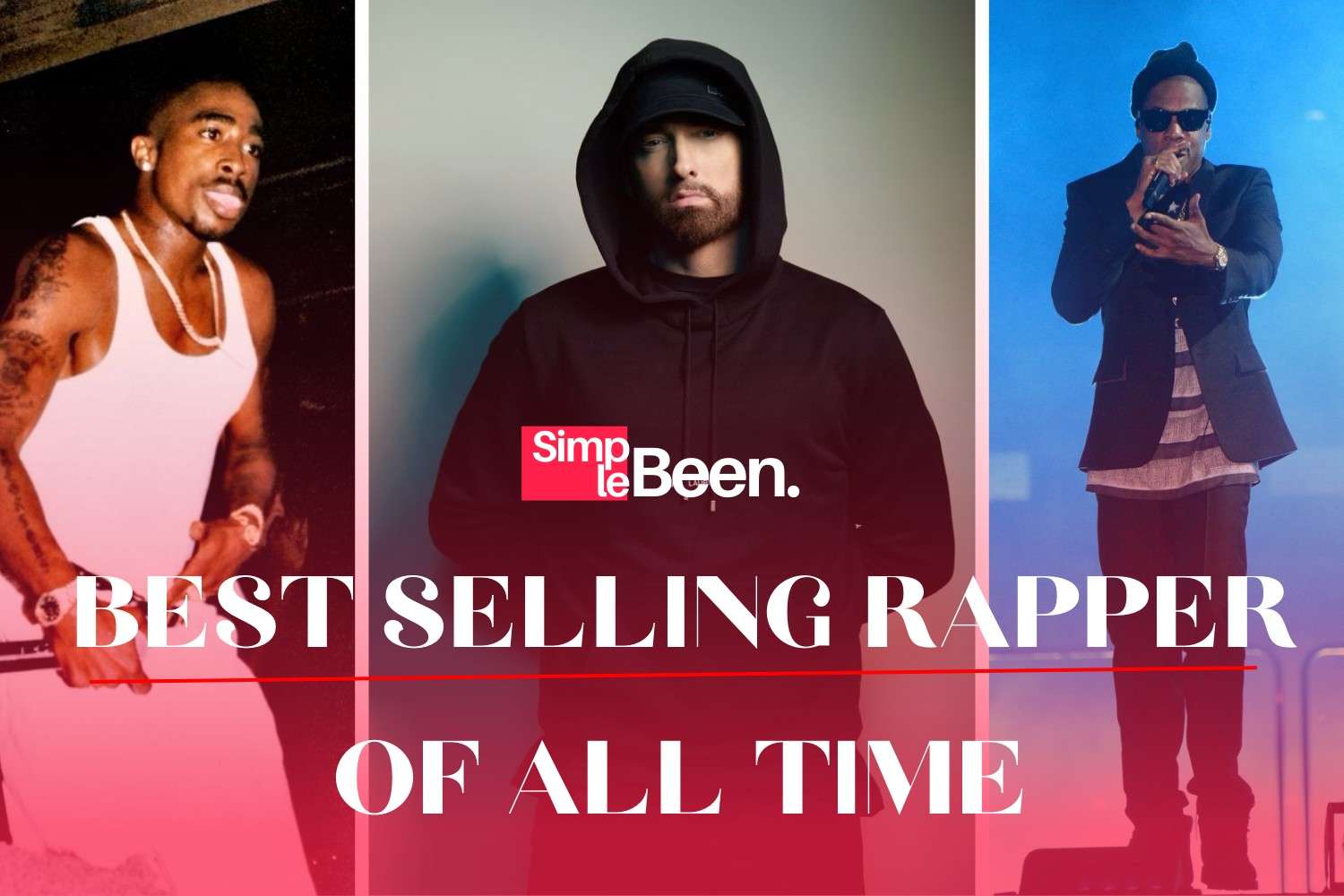
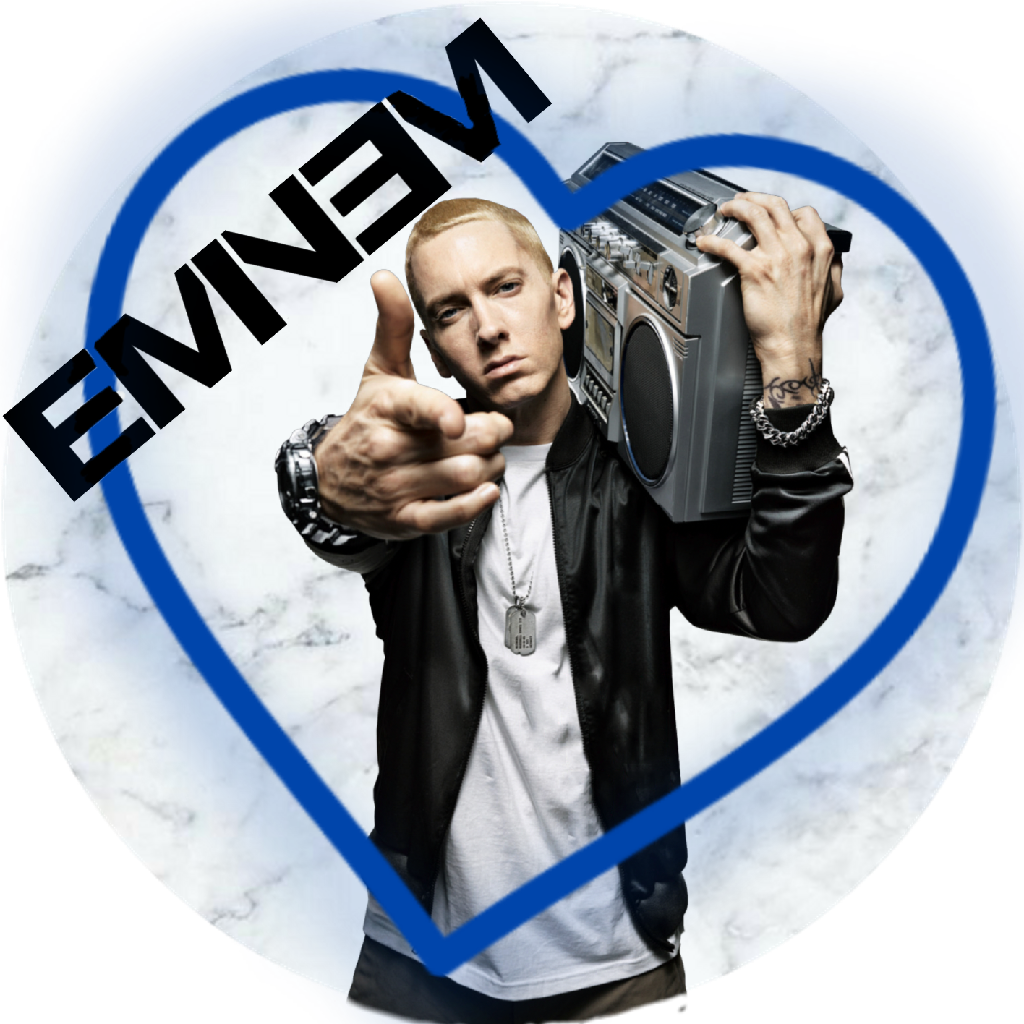
Eminem, born Marshall Bruce Mathers III, officially holds the title of the best-selling hip-hop artist in history, based on global certified unit sales. His unprecedented commercial dominance is validated by data from the Recording Industry Association of America (RIAA) and international chart authorities, cementing his status as a singular force in music, transitioning from a regional Detroit underground contender to the most commercially successful rapper ever.
Establishing the Metric of Commercial Success
To understand why Eminem holds the top spot, one must first define the metrics used to track musical success. In the industry, commercial performance is typically measured through "certified units," which combine physical album sales, digital downloads, and, more recently, audio and video streaming equivalents.
The RIAA is the primary authority in the United States for certifying music sales. As of 2026, Eminem holds a staggering number of multi-platinum certifications. Unlike artists who may rely on a single era of peak popularity, his success spans three decades. His catalog, ranging from his 1999 breakthrough The Slim Shady LP to his 2024 project The Death of Slim Shady (Coup de Grâce), demonstrates a consistent ability to generate sales that few, if any, other hip-hop artists have matched.
When critics or industry analysts argue about the "top-selling" status, they often look at the interplay between RIAA certifications and global market data. While some artists may have higher streaming numbers due to the modern "streaming era" bias, Eminem’s ability to move units in the physical and digital download eras—when consumers actually purchased music—provides a level of historical weight that is difficult to challenge.
Historical Trajectory and Milestone Albums
Eminem’s rise to the top was not immediate, but once he reached the summit, he remained there with remarkable consistency. His initial project, Infinite (1996), saw limited success, but the transition to The Slim Shady LP under the mentorship of Dr. Dre turned the tide.
However, the primary driver for his record-breaking status lies in the sheer volume of his diamond-certified records. A diamond certification represents 10 million units sold in the United States alone. To have multiple albums reach this milestone—most notably The Marshall Mathers LP and The Eminem Show—positions him in a rarefied echelon of the music industry.
The Core Pillars of His Sales Dominance
- Cultural Crossover: Eminem’s appeal reached demographics that historically did not consume hip-hop, allowing him to dominate suburban, international, and mainstream markets.
- Lyrical Accessibility vs. Complexity: He mastered the art of balancing technically dense, complex rhyme schemes with radio-friendly, melodic, and occasionally comedic hooks that resonated with a mass audience.
- Longevity: By evolving his sound from the horrorcore-inspired antics of the late 90s to the introspective, technical precision of his mid-career work, he maintained a loyal fanbase that spans generations.
- Strategic Collaborations: His close association with Dr. Dre ensured production quality that was consistently ahead of its time, further boosting the commercial viability of his projects.
Analyzing the Competitive Landscape
When discussing the "top-selling" title, one must acknowledge other heavyweights in the genre. Artists like Drake, Kanye West, and Jay-Z have certainly commanded massive portions of the market share. However, when isolating total units—particularly regarding long-tail sales—Eminem remains the outlier.
| Artist | Key Commercial Strengths | Primary Revenue Era |
|---|---|---|
| Eminem | Massive physical/digital album sales; high longevity | 1999–Present |
| Drake | Unmatched streaming volume; constant output | 2009–Present |
| Jay-Z | Touring prowess; high-value brand partnerships | 1996–Present |
| Kanye West | High-concept production; cultural influence | 2004–Present |
The distinction here is vital: while modern artists may dominate streaming playlists, Eminem’s "units" are built on the bedrock of the pre-streaming era, which required a more committed financial investment from the listener. In 2026, comparing these figures requires understanding that album sales in the year 2000 are mathematically and culturally different from "album equivalent units" in the current streaming landscape.
Technical Verification of Sales Data
The RIAA’s "Gold & Platinum" database remains the gold standard for verifying these claims. For an artist to hold the top-selling position, they must have a high percentage of their discography certified at a high level. Many artists suffer from "drop-off," where only one or two albums sell exceptionally well, while the rest of their discography fades.
Eminem’s case is unique because his entire catalog, including compilation albums like Curtain Call: The Hits, continues to sell and stream at levels that eclipse the current releases of newer artists. Curtain Call itself became one of the longest-running albums on the Billboard 200, proving that his back-catalog is a revenue-generating machine.
Challenges and Criticism in Data Tracking
Despite his record-breaking status, interpreting sales data is not without nuance. Critics often point to the "streaming inflation" of the mid-2020s, noting that current units are inflated by high-frequency streaming counts compared to the scarcity model of the 1990s.
However, Eminem’s performance is largely immune to this critique because he successfully navigated both models. He was already a record-breaking sales force before the digital disruption began, and he adapted to the streaming model by maintaining a high level of engagement on platforms like Spotify and Apple Music, where his classic tracks continue to rack up millions of plays daily.
Impact on Industry Standards
Eminem’s commercial success effectively changed the business model for rap artists. His success proved to major labels that a hip-hop artist could sustain a career as long as rock or pop stars, provided they could balance the internal requirements of the hip-hop community with the demands of a global commercial audience.
By setting the bar so high, he established a roadmap for future artists to optimize their releases. This includes the importance of:
- Controlled Leakage: Using promotional strategies to build anticipation.
- The "Hits" Strategy: Including radio-ready tracks that anchor albums and drive broader consumption.
- Consistent Touring and Merchandising: Leveraging music sales to fuel a broader ecosystem of income.
Frequently Asked Questions
Does Eminem have the most streams of any rapper in 2026?
While Eminem is consistently among the most-streamed artists globally, he often competes with contemporary artists like Drake or Kendrick Lamar for specific monthly streaming titles. His dominance, however, is firmly rooted in total historical units, which encompasses physical sales and digital downloads from the last three decades.
Why is Eminem considered the best-selling, despite modern rappers having more "hits"?
The "best-selling" title is determined by cumulative RIAA-certified units. Modern rappers may have more "hot" singles, but Eminem’s historical album sales are deep and consistently certified. He has multiple Diamond-certified albums, a feat very few artists across any genre have achieved.
How does the RIAA account for streaming in these totals?
The RIAA uses "Album Equivalent Units" (AEUs). Under current guidelines, 1,500 on-demand audio and/or video streams of an album's tracks count as one unit. Eminem’s high stream counts for his older, classic albums contribute heavily to his ongoing accumulation of certifications.
Are there any other artists close to his sales figures?
While Tupac Shakur and The Notorious B.I.G. remain massive sellers posthumously, and Drake has accumulated massive volume, Eminem remains statistically ahead in total certified units within the hip-hop genre.
Does his "top-selling" status include his production work?
No. The title of top-selling hip-hop artist refers to his primary work as a solo recording artist. Production credits for artists like 50 Cent or Dr. Dre are tracked separately and are not included in his personal sales count.
Final Action and Observation
If you are looking to verify the exact current unit counts for specific Eminem albums, the most accurate resource remains the RIAA Gold & Platinum database. For fans and researchers interested in the longevity of his career, observing his position on the Billboard 200 in 2026 reveals that he continues to perform at a level that most artists only achieve during their initial hype cycle.
The verdict remains definitive: through a combination of early-career physical sales dominance and successful adaptation to the streaming era, Eminem maintains an insurmountable lead in certified units. His career serves as a masterclass in audience retention and market adaptation, ensuring his spot at the top of the hip-hop charts for the foreseeable future.