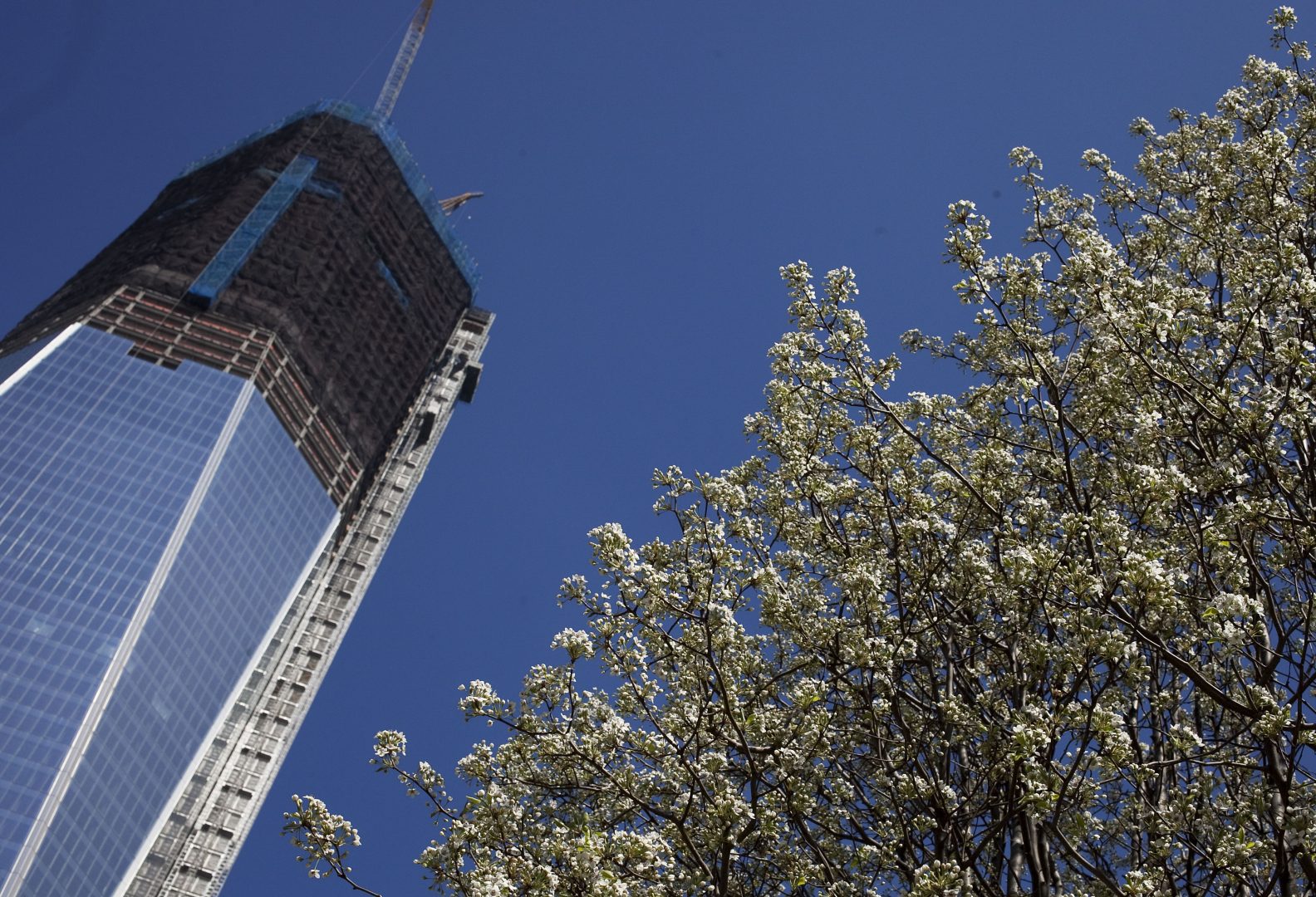
The 1 survivor tree 9/11 refers to a heavily damaged Callery pear tree discovered at Ground Zero in October 2001, which was nursed back to health and later replanted at the National September 11 Memorial & Museum as a living symbol of resilience, endurance, and hope.
Introduction to the Survivor Tree
In the wake of the September 11, 2001 terrorist attacks, the World Trade Center site was a landscape of unimaginable destruction and loss. Amid the twisted steel, ash, and rubble, recovery workers made a startling discovery: a single, battered Callery pear tree (Pyrus calleryana) that was still miraculously alive. Severely burned, stripped of its branches, and buried beneath tons of debris, this unassuming tree became an instant symbol of endurance.
Often searched for as "1 survivor tree 9/11," this arboreal landmark captures the global fascination with how life persists even in the darkest circumstances. Tracing the journey of this tree involves examining its rescue from the wreckage of Lower Manhattan, its intensive years of rehabilitation under the care of New York City parks horticulturists, its triumphant return to the memorial plaza, and its ongoing role as a living educational monument. Understanding the history of the Survivor Tree provides profound insight into the human spirit of recovery and the meticulous science required to heal a deeply traumatized living organism.
Discovery and Rescue at Ground Zero
The Callery pear tree had originally been planted in the 1970s plaza area of the World Trade Center complex. When the twin towers collapsed on the morning of September 11, the tree was subjected to extreme heat, falling debris, and toxic chemical exposure. When recovery crews found it in October 2001—nearly a month after the attacks—it was barely recognizable as a tree.
Condition of the Tree Upon Discovery
- Physical Damage: Standing at only about eight feet tall, the tree had a broken trunk, completely charred bark, and severely snapped limbs. Only a single living branch showed any signs of viable tissue.
- Environmental Stress: The root system was crushed beneath concrete, twisted metal, and pulverized building materials, suffocating under a thick blanket of dust and jet fuel residue.
- Immediate Intervention: Recognizing its profound symbolic value, workers from the New York City Department of Parks and Recreation carefully extracted the battered stump and root ball from the site.
The extraction process required extreme caution to avoid severing the few remaining structural roots. Once removed from the World Trade Center footprint, the tree was transferred out of Lower Manhattan to a city-run nursery in the Bronx, initiating a multi-year rehabilitation effort that would test the limits of urban arboriculture.
Rehabilitation and Nursing Back to Health
Transporting the damaged tree to the Arthur Ross Nursery in Van Cortlandt Park, Bronx, marked the beginning of an intensive horticultural rescue operation. Horticulturists under the direction of the New York City Parks Department took charge of nursing the specimen back to health, operating without any guarantee that the tree would survive the shock of transplantation and trauma.
Horticultural Care Strategies
- Root Zone Restoration: Specialists gently excavated the crushed root system, removing toxic debris and aerating the soil to allow oxygen flow to the remaining viable roots.
- Pruning and Shaping: Dead, diseased, and structurally compromised wood was carefully pruned away to encourage energy to redirect toward the single living shoot.
- Soil and Nutrient Management: The tree was planted in a specialized soil blend rich in organic matter and beneficial microorganisms to rebuild microbial activity lost in the sterile urban dust of Ground Zero.
- Monitoring and Irrigation: Daily moisture checks, customized watering schedules, and protective winter coverings shielded the fragile organism from harsh weather conditions.
Slowly, over the course of several years, the tree responded. New green shoots emerged from the charred bark, and vibrant leaves began to fill out a newly forming canopy. The healing process became a national news story, mirroring the broader psychological and physical recovery of New York City itself.
Return to the National September 11 Memorial & Museum
By the late 2000s, the tree had grown strong enough to return to its original home. In 2010, the Survivor Tree was transported back to Lower Manhattan and formally replanted on the plaza of the National September 11 Memorial & Museum.
Replantation and Current Placement
- Location: The tree occupies a prominent position on the memorial plaza, surrounded by hundreds of swamp white oaks, easily identifiable by its distinct, gnarled lower trunk where the 2001 scars remain visible beneath a smooth, healthy upper canopy.
- Engineering Support: Because the memorial plaza is built over a complex subterranean structure (including the museum and transportation hubs), the tree is housed within a specially engineered soil bed with advanced drainage and aeration systems.
- Care Regimen: Today, the tree receives continuous monitoring from dedicated arborists who inspect its foliage, test the soil chemistry, and prune dead growth to maintain its structural integrity against high winds and urban pollution.
| Phase | Timeline | Primary Location | Key Action Taken |
|---|---|---|---|
| Discovery | October 2001 | Ground Zero, Manhattan | Extracted from debris by NYC Parks workers |
| Rehabilitation | 2001 – 2010 | Arthur Ross Nursery, Bronx | Root repair, pruning, and intensive horticulture |
| Replantation | November 2010 | 9/11 Memorial Plaza, Manhattan | Replanted on the permanent memorial site |
| Legacy & Outreach | 2011 – Present | Nationwide | Annual seedling distribution and educational programs |
Cultural Impact and the Survivor Tree Seedling Program
The legacy of the Survivor Tree extends far beyond its physical presence in Lower Manhattan. Recognizing that the tree embodied a universal message of resilience, the National September 11 Memorial & Museum established the Survivor Tree Seedling Program in 2013.
How the Seedling Program Operates
- Propagation: Every year, expert horticulturists take cuttings from the Survivor Tree, grafting them onto healthy rootstocks to produce genetically identical offspring.
- Distribution: Each spring, seedlings are gifted to communities that have experienced tragedies, natural disasters, or acts of violence, serving as living memorials of hope and solidarity.
- Recipient Communities: Schools, parks, and civic organizations across the United States—and internationally—have received these saplings, creating a decentralized network of living monuments connected to the events of 9/11.
This propagation effort ensures that the resilience demonstrated by the original Callery pear tree is shared with future generations, transforming a site of immense grief into a wellspring of renewal.
Frequently Asked Questions
What kind of tree is the 9/11 Survivor Tree?
The Survivor Tree is a Callery pear tree (Pyrus calleryana). It was originally planted in the World Trade Center plaza in the 1970s and is known for its resilience, white spring blossoms, and glossy green leaves that turn vibrant red in the autumn.
Where is the Survivor Tree located today?
The tree is permanently planted on the National September 11 Memorial & Museum plaza in Lower Manhattan, New York City. Visitors can view it directly on the plaza level near the interactive exhibit spaces.
Can visitors touch the Survivor Tree?
While visitors are encouraged to view and photograph the tree up close, a protective low barrier surrounds its root zone to prevent soil compaction and protect the delicate structural base where the historic scars from 2001 remain visible.
How are seedlings from the Survivor Tree distributed?
The 9/11 Memorial Museum manages an annual seedling program where healthy saplings—propagated from cuttings taken from the original tree—are awarded to communities impacted by trauma or disaster to symbolize endurance and community healing.
Conclusion and Next Actions
The story of the Survivor Tree stands as a profound testament to the capacity for healing after catastrophic loss. Whether you are planning a visit to the National September 11 Memorial & Museum in New York City or exploring educational resources online, taking time to learn about this living monument offers a deeper connection to the history of the site. To support the ongoing preservation of the tree and its educational initiatives, visitors and supporters can explore official resources provided by the National September 11 Memorial & Museum website to learn about donation opportunities, visitor guidelines, and the annual seedling application process.