During 2017, Post Malone experienced a meteoric rise characterized by significant wealth accumulation, driven by his breakthrough debut album Stoney, extensive touring, and the explosive release of early singles from his sophomore project like "Rockstar." His estimated net worth during this pivotal breakout year sat between $2 million and $4 million, setting the financial foundation for his subsequent global superstardom.
Introduction: The Threshold of Global Stardom
To understand the trajectory of Post Malone—born Austin Richard Post—during the year 2017 requires examining a transitional era in modern hip-hop and pop culture. Having emerged onto the mainstream music scene late in 2015 with his viral hit "White Iverson," Post Malone spent 2016 establishing his commercial viability through his debut studio album, Stoney. However, it was 2017 that cemented his status as a permanent fixture in the global music industry. This period was defined by aggressive touring schedules, strategic brand partnerships, massive streaming milestones, and the creation of pivotal new music that would reshape the charts.
This profile explores the financial landscape, career milestones, and musical outputs that defined Post Malone in 2017. By examining his estimated net worth during this period alongside the release profile of his breakthrough new songs—most notably the chart-dominating single "Rockstar"—readers gain a comprehensive view of how an emerging streaming sensation transformed into an elite commercial powerhouse. Understanding this era clarifies the mechanics of modern music monetization, streaming economics, and the rapid wealth generation unique to the digital age of hip-hop.
The Financial Baseline: Estimating Post Malone's Net Worth in 2017
Calculating the net worth of a touring musician during a breakthrough year involves analyzing multiple revenue streams, including recorded music royalties, live performance fees, merchandise sales, and early endorsement deals. In 2017, Post Malone's net worth was estimated to be in the range of $2 million to $4 million. While this figure appears modest compared to his later multi-million-dollar fortunes, it represented an extraordinary financial leap for an artist who had been sleeping on a friend's floor in Los Angeles just a few years prior.
Primary Revenue Streams in 2017
Understanding how this net worth was generated requires breaking down the core financial pillars of Post Malone’s career during this specific calendar year:
- Streaming Royalties: Stoney, released in December 2016, achieved massive, sustained streaming numbers throughout 2017. It crossed the threshold of earning RIAA multi-platinum certifications during this year. Streaming payouts from platforms like Spotify and Apple Music provided a steady, albeit delayed, baseline income.
- Live Performance and Touring: In 2017, Post Malone was primarily a supporting act or a mid-tier headliner. He served as the opening act for Justin Bieber on the extensive Purpose World Tour, which exposed him to massive stadium and arena audiences. Headline club and theater dates, alongside festival appearances, generated substantial nightly guarantees.
- Merchandise Sales: As his fanbase expanded rapidly, high-margin merchandise sales became an increasingly lucrative component of his income, particularly during the Bieber tour and his own headlining runs.
- Publishing and Songwriting: Writing credits on his own material, as well as occasional collaborative writing, secured performance rights organization (PRO) royalties from radio airplay, public performance venues, and sync licensing.
Financial Growth Factors and Industry Realities
It is vital to contextualize early-career net worth figures within the broader ecosystem of the music business. New artists signed to major labels—in Post Malone’s case, Republic Records—frequently operate under advance structures where initial earnings are recouped against production, marketing, and distribution costs. Consequently, an artist's gross earnings in 2017 did not translate dollar-for-dollar into net worth. Furthermore, manager commissions, booking agent fees, legal representation, and heavy touring overhead significantly reduced take-home revenue. Despite these financial obligations, 2017 marked the definitive turning point where Post Malone transitioned from a streaming anomaly to a self-sustaining financial enterprise.
Musical Evolution and the Breakthrough Sound of 2017
Musically, 2017 was the year Post Malone successfully distanced himself from the "one-hit-wonder" label that skeptical critics assigned to him following "White Iverson." His sound—a seamless fusion of hip-hop cadence, melodic pop songwriting, country-inflected vocal delivery, and rock-star aesthetics—crystallized during this period. Rather than adhering strictly to traditional rap structures, he leaned into atmospheric, guitar-driven instrumentals and heavy bass production that resonated deeply with internet-native audiences.
The cultural footprint of Stoney remained powerful throughout 2017, driven by enduring tracks like "Congratulations" featuring Quavo. The single became a cultural anthem, dominating radio airwaves and solidifying his collaborative credibility within the trap and mainstream hip-hop communities. However, the true musical watershed of 2017 arrived in the autumn with the rollout of the campaign for his second album, Beerbongs & Bentleys.
New Song Profile: "Rockstar" and the Ascent to Global Dominance
The defining musical release of Post Malone's 2017 campaign was undoubtedly "Rockstar," featuring 21 Savage. Released on September 15, 2017, as the lead single from his upcoming sophomore album, the track immediately shifted his career into an entirely different commercial bracket.
Production and Compositional Style
"Rockstar" was produced by Tank God and Louis Bell, who crafted a stark, minimalist trap beat anchored by a prominent acoustic guitar loop and heavy, sub-bass percussion. Lyrically, the song embraces the hedonistic, excessive lifestyle associated with rock icons of previous decades, blending braggadocio with melancholic introspection. Post Malone’s melodic, auto-tuned delivery on the chorus created an instant earworm, while 21 Savage’s deadpan, menacing guest verse provided a compelling contrast.
Commercial Performance and Milestones
The release of "Rockstar" shattered streaming records upon its debut. It achieved the following notable milestones:
- Billboard Hot 100: The song debuted at number two and quickly ascended to the number one position, where it remained for eight consecutive weeks, marking Post Malone's first Billboard Hot 100 chart-topper.
- Streaming Dominance: On Spotify, "Rockstar" broke the global record for first-week streaming numbers at the time of its release, accumulating tens of millions of plays within days and proving the sheer magnitude of Post Malone's digital audience.
- Global Chart Success: The single topped charts internationally, including in the United Kingdom, Canada, Australia, and New Zealand, transforming him from a domestic American success story into a truly global touring and streaming powerhouse.
| Feature / Metric | "White Iverson" (2015) | "Congratulations" (2016) | "Rockstar" (2017) |
|---|---|---|---|
| Primary Genre | Cloud Rap / Melodic Hip-Hop | Trap / Melodic Pop | Hip-Hop / Pop-Rap |
| Peak Billboard Hot 100 | No. 14 | No. 8 | No. 1 (8 weeks) |
| Primary Producers | Rodrick Pistol, FKi 1st | Metro Boomin, Frank Dukes | Tank God, Louis Bell |
| Album Origin | Stoney | Stoney | Beerbongs & Bentleys |
| Global Impact | Breakthrough viral hit | Established mainstream radio viability | Global superstar coronation |
Strategic Partnerships, Collaborations, and Cultural Footprint
Beyond solo releases and touring, 2017 was characterized by strategic collaborations that expanded Post Malone's demographic reach. By working with artists across diverse genres—ranging from traditional hip-hop figures like 21 Savage and Quavo to pop and alternative collaborators—he insulated himself against genre-specific fatigue.
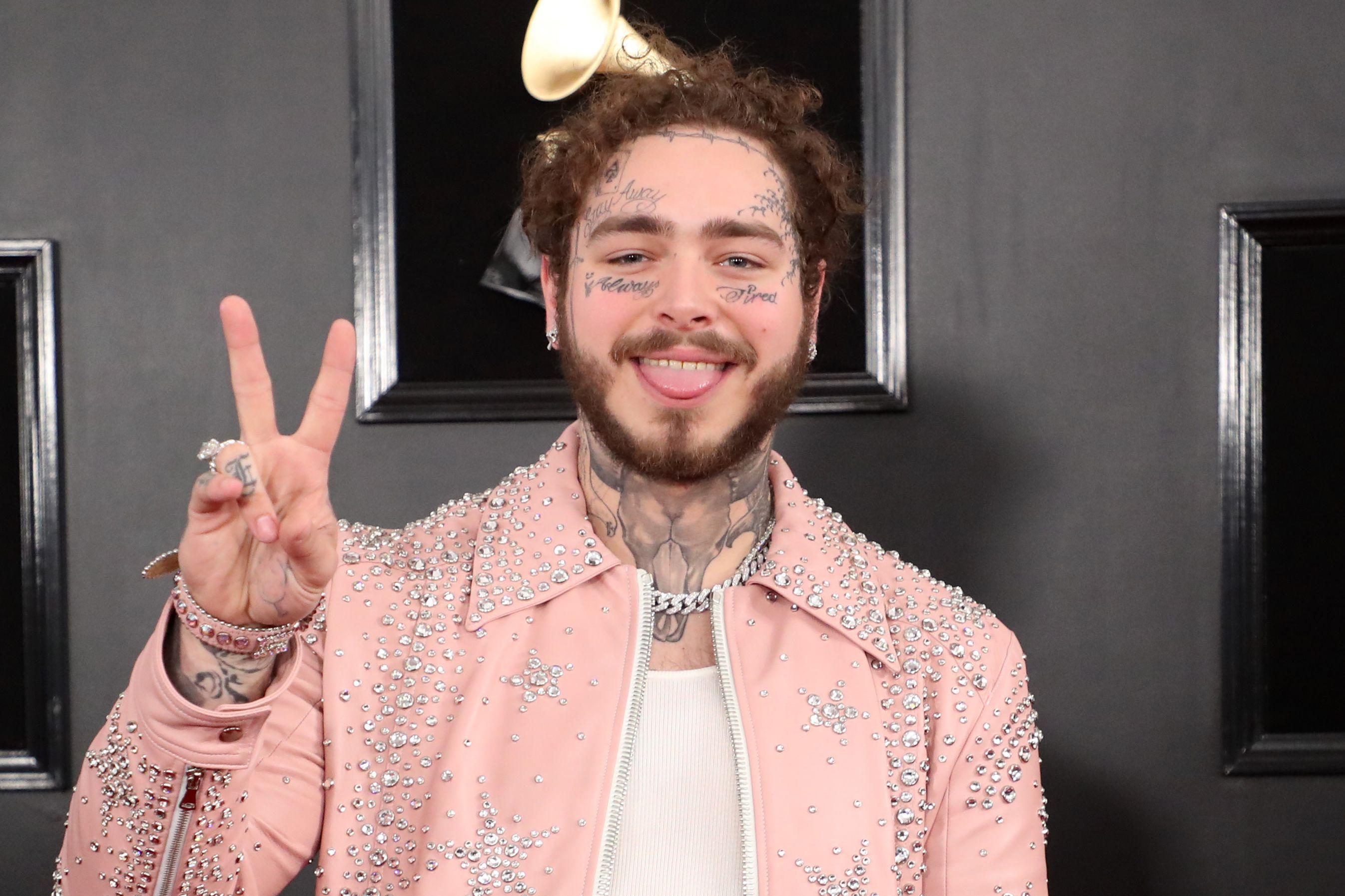
His aesthetic also became a major cultural talking point in 2017. His distinctive facial tattoos, unpretentious wardrobe, and open embrace of diverse musical influences created a relatable, anti-pop-star persona that fans embraced. This authenticity directly fueled his merchandise sales and social media engagement, creating an organic marketing loop that reduced his reliance on traditional promotional cycles.
Challenges and Industry Perceptions in 2017
Despite his soaring popularity and growing net worth, 2017 was not without friction. Early in his career, Post Malone faced persistent skepticism from traditional hip-hop purists who questioned his cultural standing and accused him of engaging in culture appropriation or "blaccent." In prominent interviews during 2017, he addressed these criticisms directly, expressing his lifelong love for hip-hop and emphasizing that his music stemmed from genuine appreciation rather than calculated trend-chasing.
Additionally, the physical toll of relentless touring became apparent. Navigating life on the road as an overnight sensation required rapid adjustments to media scrutiny, performance stamina, and personal well-being. These early operational pressures laid the groundwork for the professional discipline required to manage his vastly larger enterprises in subsequent years.
Frequently Asked Questions
What was Post Malone's net worth in 2017?
Post Malone's net worth in 2017 was estimated between $2 million and $4 million. This valuation reflected his rapid rise from an underground streaming artist to a multi-platinum recording act, supported by earnings from his debut album Stoney, early touring revenue, and initial streaming royalties before his massive wealth expansion in 2018 and beyond.
Which song made Post Malone famous in 2017?
While "White Iverson" launched him into the public consciousness in late 2015 and "Congratulations" solidified his radio presence in 2016, his definitive hit of 2017 was "Rockstar" featuring 21 Savage. The song debuted at the top of international charts and cemented his global commercial dominance.
Was Post Malone touring as a headliner in 2017?
In 2017, Post Malone performed in a hybrid capacity. He spent a significant portion of the year as a high-profile supporting act on Justin Bieber’s Purpose World Tour, while simultaneously headlining smaller venues, clubs, and festival stages to build his core solo touring foundation.
How did Post Malone make money before "Rockstar" blew up?
Prior to the massive commercial success of "Rockstar," Post Malone generated revenue primarily through streaming royalties from his debut album Stoney, merchandise sales during live performances, opening-act tour guarantees, and early publishing rights associated with his songwriting credits.
What album was Post Malone promoting in 2017?
Throughout 2017, Post Malone actively toured and promoted his debut studio album, Stoney (released in December 2016), while simultaneously recording and rolling out singles for his highly anticipated second studio album, Beerbongs & Bentleys, which arrived in 2018.
Conclusion and Next Actions
Examining Post Malone’s 2017 net worth and new song profile reveals a crucial inflection point in modern music history. Through a combination of relentless touring, shrewd digital distribution, and the creation of genre-defining hits like "Rockstar," he successfully transitioned from a viral internet curiosity into a generational superstar. For industry analysts, aspiring musicians, and music business students, the 2017 Post Malone blueprint demonstrates the immense power of sustained streaming momentum, cross-genre collaboration, and authentic audience connection. To explore further, examine the structural economics of the Purpose World Tour or review the RIAA certification history of the Stoney album campaign.