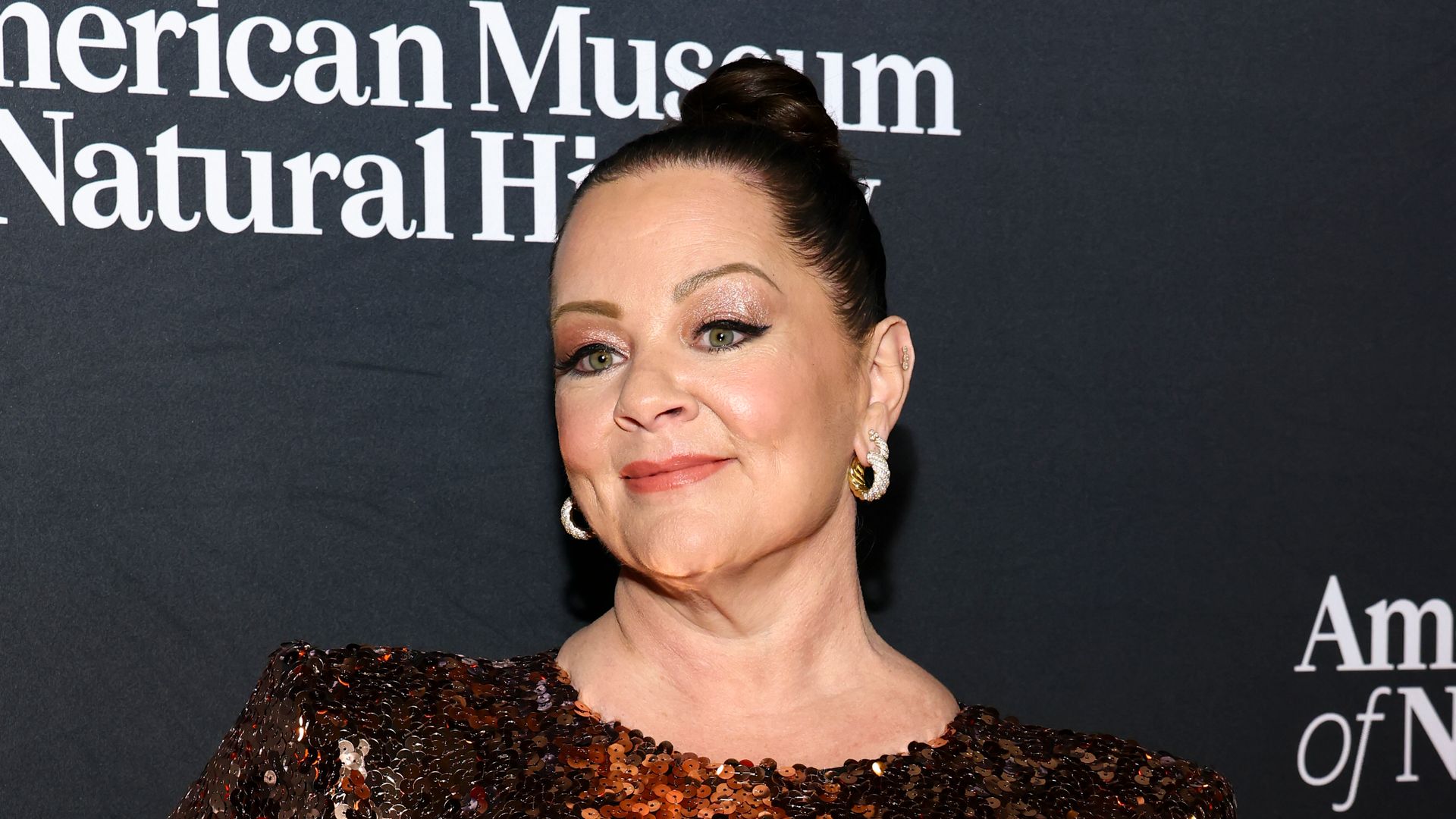
In the 1999 cult classic Go, directed by Doug Liman, Melissa McCarthy makes an early and memorable screen appearance as Sandra, a quirky friend of the main characters. While her role is relatively brief, it serves as a fascinating snapshot of her pre-fame talent, showcasing the natural comedic timing and character-driven performance style that would later define her career in television and major motion pictures.
The Context of 1999 Cinema and the Rise of Go
To understand the significance of Melissa McCarthy’s participation in Go, one must first appreciate the landscape of independent cinema in the late 1990s. Go emerged as a stylized, multi-narrative crime comedy that captured the frenetic energy of Los Angeles youth culture. Written by John August and directed by Doug Liman, the film utilized a Rashomon-style structure, following three intertwined stories that all centered on a botched drug deal on Christmas Eve.
At the time of its release, the film was a critical success, praised for its sharp dialogue and kinetic editing. It became a launchpad for several actors who would go on to become household names. For Melissa McCarthy, who had only a few minor credits to her name at that stage, Go was a foundational experience. It allowed her to operate within an ensemble cast that prioritized improvisational flair and a deadpan delivery—elements that became cornerstones of her professional identity.
Analyzing the Character of Sandra
In Go, Melissa McCarthy plays Sandra, a character who orbits the primary social circle of the film’s protagonists, Ronna (Sarah Polley) and Claire (Katie Holmes). Sandra is not a central driver of the plot’s action; rather, she exists to add texture to the world Liman created.
The character is emblematic of the "indie-film" archetype prevalent in the late 90s: slightly cynical, socially detached, and deeply integrated into a specific, localized subculture. McCarthy plays Sandra with a grounded approach that eschews the broader, physical comedy she would later employ in projects like Bridesmaids or Spy. In this role, we see the nuance of her craft—how she uses silence, eye movements, and subtle shifts in posture to communicate a character’s internal boredom or confusion.
| Feature | Detail |
|---|---|
| Film Title | Go |
| Release Year | 1999 |
| Role | Sandra |
| Director | Doug Liman |
| Genre | Crime/Comedy |
| Significance | Early career character study |
The Progression of McCarthy’s Career Post-1999
Following her appearance in Go, McCarthy moved through a period of character acting that solidified her reputation within the industry. While the general public would not become fully acquainted with her talents until her breakout role as Sookie St. James on Gilmore Girls (which premiered in 2000), her work in 1999 provided the necessary footing to secure that transition.
The transition from the small role of Sandra to a series regular on a network television show demonstrates the versatility McCarthy possessed even in her early twenties. The transition required her to move from the fleeting, scene-stealing nature of a film cameo to the consistent, long-form development of a character arc. By comparing the two, viewers can observe how McCarthy adapted her performance style to fit the pacing of different media—film requiring rapid impact, and television requiring sustained character growth.
Technical Elements of the Performance
From a technical perspective, McCarthy’s performance in Go highlights her ability to exist within a frame without needing the spotlight. In ensemble-heavy scenes, she maintains a consistent internal logic for Sandra. She does not "wait for the camera" in a way that feels forced; instead, she exhibits a readiness to react to her co-stars, which is a hallmark of someone trained in sketch comedy and improvisation.
The cinematography of Go is notoriously fast-paced, with handheld camerawork and rapid cuts. For a newer actor, this environment can be incredibly demanding. McCarthy’s ability to remain "in character" despite the frenetic energy of the set speaks to her discipline. She handles the dialogue, which is characterized by a specific, clipped, and sarcastic tone, with an ease that suggests she was already highly attuned to the requirements of the script.
Frequently Asked Questions
Did Melissa McCarthy have a large part in the movie Go? No, Melissa McCarthy’s role as Sandra is a supporting performance. She appears in a limited capacity within the film's ensemble structure. Her presence is meant to ground the social interactions of the main characters rather than to advance the primary crime-thriller plot.
How does her role in Go compare to her later work? Her role in Go is much more understated and grounded than her later, iconic comedic roles. While later characters often featured broad physical comedy and high-intensity energy, Sandra is characterized by a dry, observational humor that focuses on reaction rather than action.
Is Go available to watch in 2026? As of 2026, Go remains available on several digital platforms and physical media collections. Given its status as a cult classic, it is frequently featured in retrospective streaming rotations, though viewers should check local licensing for current availability.
Why is this specific role considered significant by fans? Fans and film historians often point to this role as an example of McCarthy’s "incubation" period. It offers a clear look at her early technical foundation, demonstrating that her comedic timing and ability to inhabit quirky characters were well-developed long before she reached international fame.
What specific training did McCarthy have before 1999? McCarthy studied at The Groundlings, a renowned Los Angeles-based sketch comedy and improv troupe. This training is highly evident in her performance in Go, specifically in her comfort with ensemble dynamics and her ability to improvise reactions within the structure of a scripted scene.
Final Reflections on the Performance
Viewing Go through the lens of Melissa McCarthy’s career trajectory offers a valuable case study in the evolution of a performer. It is rare to see an actor who eventually achieves massive global success maintain the same core strengths—intelligence, timing, and a deep sense of character—from their earliest professional appearances.
The role of Sandra, while minor in the context of the entire film, is a perfect microcosm of what makes McCarthy effective. She does not attempt to overshadow the scene but instead provides a distinct, believable piece of the puzzle. For those interested in the craft of acting or the history of 1990s independent film, revisiting Go provides a clear, albeit brief, look at a future icon in the making.
If you are looking to understand the full arc of McCarthy’s career, this role is an essential starting point. It reminds us that every major performance is built upon hundreds of smaller, disciplined efforts, and that even the most famous stars began by mastering the art of the supporting role.