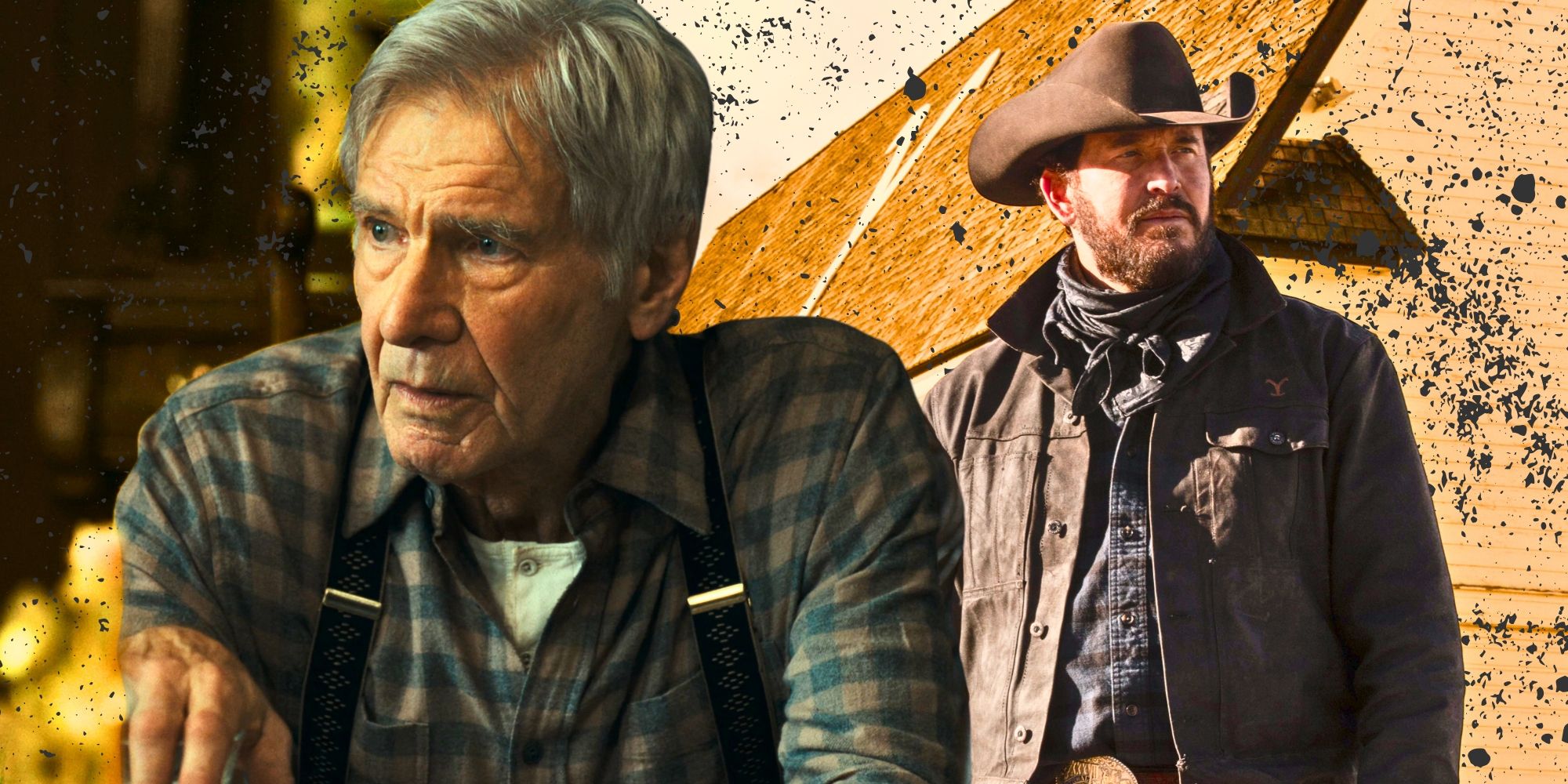
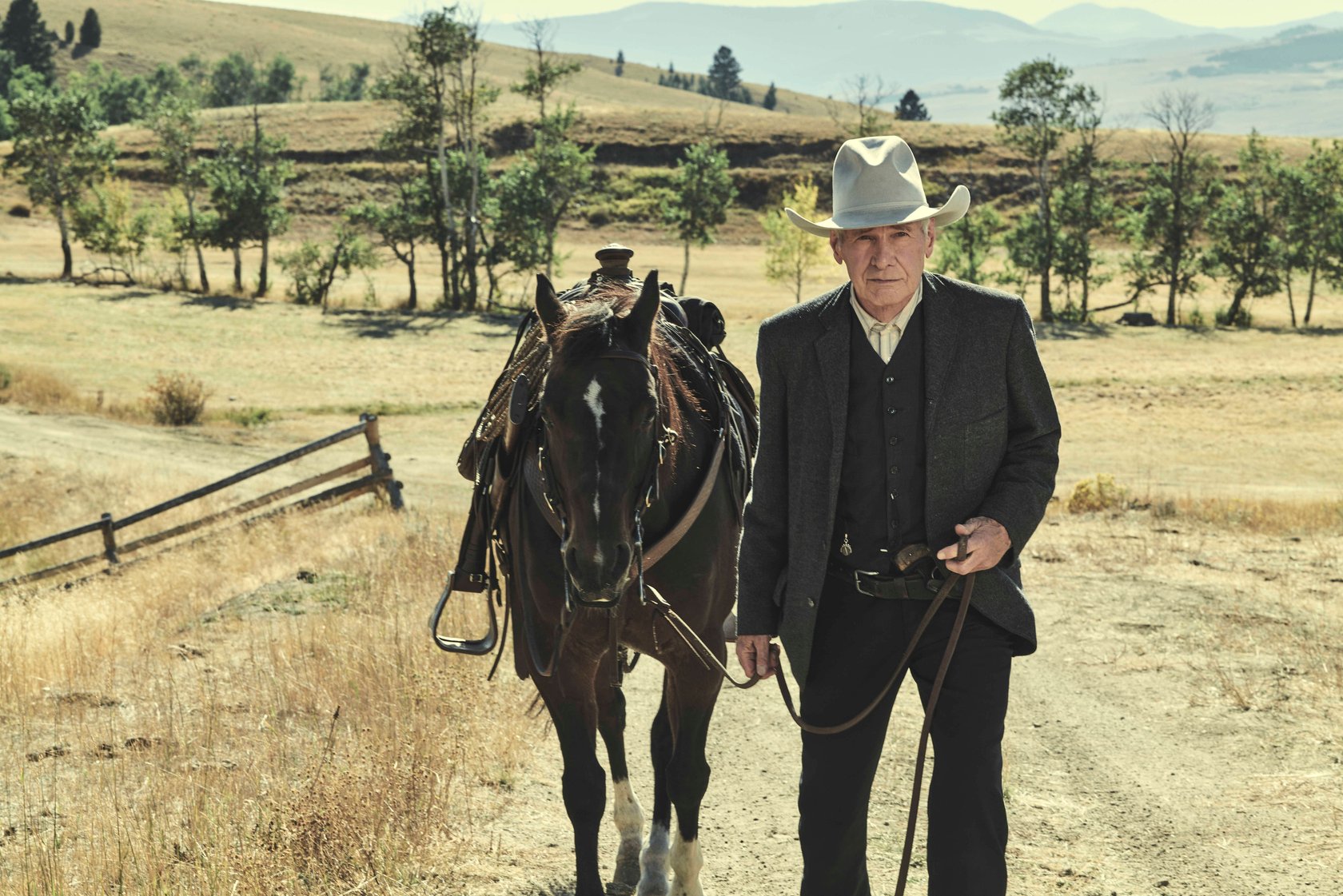
Jacob Dutton is the central protagonist of the Yellowstone prequel series 1923, portrayed by Academy Award nominee Harrison Ford. As the brother of James Dutton (the founder of the Yellowstone Ranch), Jacob serves as the resilient patriarch and commissioner of the Montana Livestock Association, defending his family's land against drought, lawlessness, and corporate encroachment.
The Taylor Sheridan universe is known for its complex web of lineage and rugged individualism. Within this tapestry, Jacob Dutton stands as a bridge between the pioneering struggle of the late 19th century and the modern-day empire seen in the original Yellowstone series. Understanding who Jacob Dutton is requires a deep dive into his history, his role within the family hierarchy, and the specific socio-economic challenges of 1920s Montana.
The Origins and Lineage of Jacob Dutton
To understand Jacob Dutton’s arrival at the Yellowstone Ranch, one must look back to the events of the series 1883. Jacob is the brother of James Dutton (Tim McGraw). While James and his wife Margaret were the ones who originally traveled the Oregon Trail and settled in the Paradise Valley, their journey ended in tragedy with the death of their daughter Elsa and, eventually, James himself.
Following James’s death in 1893 and Margaret’s subsequent passing, Jacob and his wife Cara (Helen Mirren) traveled from the East to Montana to take over the management of the ranch and raise James's surviving sons, John Sr. and Spencer. Because Jacob and Cara never had biological children of their own, they poured their life’s work into their nephews, treating them as their own sons. This move was not merely a family favor; it was the act that saved the Yellowstone Ranch from total collapse in its infancy.
In the timeline of 1923, Jacob has been the master of the ranch for nearly three decades. He has transformed it from a fledgling homestead into a dominant regional power. His presence explains how the Dutton legacy survived the gap between the initial settlement and the industrial expansion of the early 20th century.
Jacob Dutton's Role as the Patriarch
By 1923, Jacob Dutton is more than just a rancher; he is a political and social force in Montana. His primary roles can be divided into three distinct categories:
1. The Ranch Leader
Jacob is a "working" patriarch. Unlike the wealthy industrialists he clashes with, Jacob is frequently seen on horseback, participating in cattle drives and managing the day-to-day operations of the land. His leadership style is rooted in the "Code of the West"—a belief that the land belongs to those who can defend it and work it.
2. Commissioner of the Livestock Association
Jacob wields legal authority as the head of the Montana Livestock Association. This position allows him to deputize his own men, effectively giving the Dutton family a private army with the veneer of state-sanctioned law enforcement. This role is crucial to the plot of 1923, as it creates the friction between the cattle ranchers (who need the grass for their herds) and the sheep herders (who are struggling to survive a devastating drought).
3. The Family Guardian
Jacob’s relationship with his wife, Cara, is the emotional anchor of the series. Unlike other iterations of the Dutton family where the patriarch is often isolated or widowed, Jacob and Cara operate as a true partnership. Jacob handles the external threats—the violence and the politics—while Cara manages the internal stability and the future of the family.
Key Conflicts and Antagonists in 1923
Jacob Dutton’s character is defined by the enemies he keeps. In the year 1923, Montana is facing a unique set of pressures: the end of the "Open Range," the arrival of Prohibition, and the early onset of the Great Depression (which hit agricultural states years before the 1929 stock market crash).
The Range War with Banner Creighton
The primary physical threat to Jacob is Banner Creighton, a leader of the local sheepmen. The conflict arises from a fundamental resource scarcity: there is not enough grass for both sheep and cattle. When Banner grazes his sheep on Dutton land, Jacob exercises his authority as Livestock Commissioner to arrest the sheepmen and hang those who resist. This leads to a cycle of bloody retribution, culminating in a brutal ambush that leaves Jacob near death and the family in a state of emergency.
The Corporate Threat: Donald Whitfield
While Banner Creighton represents the old-world threat of violence, Donald Whitfield (Timothy Dalton) represents the new-world threat of capital. Whitfield is a wealthy mining tycoon who wishes to seize the Yellowstone Ranch for its mineral rights. Jacob views men like Whitfield as "parasites" who destroy the land for profit, whereas Jacob views himself as a steward who protects it for future generations.
Harrison Ford’s Portrayal of Jacob Dutton
The casting of Harrison Ford brought a specific gravitas to the role of Jacob Dutton. Ford portrays Jacob as a man of few words but decisive action. There is a weariness in his performance that reflects a man who has spent 30 years fighting both nature and man to keep a promise to his dead brother.
Critics have noted that Ford’s Jacob is less "vocal" than Kevin Costner’s John Dutton III, but perhaps more physically resilient. Even after being riddled with bullets during a mid-season ambush, Jacob’s primary concern remains the survival of the ranch rather than his own recovery. This "granite-like" personality is a recurring trait in the Dutton men, but Ford adds a layer of vulnerability through Jacob’s aging process and his reliance on Cara.
Analyzing the Dutton Family Tree in 1923
The lineage of the Dutton family can be confusing due to the multiple prequels. To clarify Jacob's position and the family structure during the 1923 era, the following table outlines the key members of the household.
| Name | Relation to Jacob | Role/Status in 1923 |
|---|---|---|
| Cara Dutton | Wife | The matriarch; manages the ranch and family affairs. |
| John Dutton Sr. | Nephew (Raised as Son) | Jacob's right-hand man on the ranch; son of James Dutton. |
| Emma Dutton | Niece-in-law | Wife of John Sr.; provides domestic support for the ranch. |
| Jack Dutton | Grand-nephew | Son of John Sr. and Emma; represents the next generation of ranching. |
| Spencer Dutton | Nephew (Raised as Son) | A WWI veteran and big-game hunter in Africa; Jacob's "enforcer." |
| Elizabeth Strafford | Future Family Member | Jack's fiancée; represents the struggle to adapt to ranch life. |
The Philosophy of the "Yellowstone Brand"
Under Jacob Dutton’s leadership, we see the early implementation of the "Yellowstone Brand." While this becomes a darker, more cult-like tradition in the modern series, in Jacob’s time, it is a symbol of absolute loyalty and a second chance. Jacob offers a home to men who have nowhere else to go, provided they are willing to fight and die for the ranch.
This philosophy is born out of necessity. In 1923, the law is thin, and the distance between neighbors is vast. Jacob understands that the only way to survive the "range wars" is to have a crew that is beholden to the family rather than the state. This creates a moral ambiguity that follows the Dutton family for a century: are they heroes protecting a way of life, or are they a criminal enterprise using the land as an excuse for violence?
Historical Context: Montana in the 1920s
The year 1923 was a period of immense transition. To understand why Jacob Dutton is so protective of his borders, one must understand the environment:
- The Drought: Montana suffered a severe drought in the early 1920s that decimated livestock and forced many smaller ranchers into bankruptcy. Jacob’s struggle to find grass for his cattle is a historically accurate representation of this crisis.
- Prohibition: The illegal trade of alcohol created a new class of "mountain outlaws." While not the focus of the show, the general atmosphere of lawlessness during Prohibition allowed for the types of violent escalations seen between the Duttons and the sheepmen.
- Modernization: The 1920s brought the arrival of cars, electricity, and telephones to the West. Jacob Dutton is notably resistant to these changes. He views the "easy life" of the city as something that makes men weak, a theme that resonates through every generation of the Dutton family.
Comparison: Jacob Dutton vs. John Dutton III
While Jacob and John III (Kevin Costner) are separated by several generations, their characters share striking similarities and key differences:
- Motivation: Both are driven by a singular goal: "Keep the land." However, Jacob’s motivation is rooted in a promise to his brother James, whereas John III’s motivation is rooted in the weight of a century of tradition.
- Methodology: Jacob is more willing to work within (or manipulate) the existing legal structures of his time, such as the Livestock Association. John III often has to navigate a much more complex legal and political world involving environmental agencies and federal land rights.
- Relationship to Violence: Jacob lives in an era where violence is an accepted part of settling disputes. John III has to hide his violence in "the train station," whereas Jacob can often hang a man in broad daylight and call it justice.
Frequently Asked Questions
Is Jacob Dutton the grandfather of John Dutton (Kevin Costner)?
No. Jacob Dutton is the great-great-uncle of John Dutton III. Jacob had no children of his own. The lineage continues through Jacob’s nephew, John Dutton Sr., then through John Sr.'s son (Jack) or grandson (John II), eventually leading to Kevin Costner’s character.
Does Jacob Dutton die in the first season of 1923?
Jacob Dutton suffers life-threatening injuries during a gunfight with Banner Creighton's men in the third episode. While he remains in a fragile state for much of the first season, he survives the initial assassination attempt and continues to lead the family through his recovery.
Why is Jacob Dutton the Livestock Commissioner?
The position gives him the legal authority to protect the interests of cattle ranchers. By holding this office, Jacob can legally seize livestock, arrest trespassers, and use force to protect the grazing lands that are essential for the survival of the Yellowstone Ranch.
Who is Jacob Dutton's brother?
Jacob’s brother is James Dutton, the protagonist of 1883. James was the first Dutton to settle in Montana. After James died from a gunshot wound and Margaret died in a harsh winter, Jacob came to Montana to take over the ranch.
What is the relationship between Jacob and Spencer Dutton?
Spencer is Jacob’s nephew, but since Jacob raised him from a young age, their bond is that of a father and son. Jacob views Spencer as the "warrior" of the family, eventually sending word to Africa for Spencer to return home and help defend the ranch from Donald Whitfield.
Conclusion and Next Actions
Jacob Dutton is the "Iron Patriarch" who ensured the survival of the Yellowstone legacy during its most vulnerable era. His story is one of transition—from the lawless frontier to the regulated modern world—and his character highlights the immense personal cost of maintaining such a vast empire.
For fans of the Yellowstone universe, understanding Jacob Dutton is essential to understanding the family’s obsession with their land. His actions in 1923 set the stage for the political and social power the Duttons would wield for the next hundred years.
Next Steps for Viewers: To fully grasp the scope of Jacob’s influence, it is highly recommended to watch 1883 first to see the sacrifice made by his brother James, followed by 1923 to see how Jacob turned that sacrifice into a lasting empire. For a deeper dive into the historical realities Jacob faced, researching the Montana Range Wars of the late 19th and early 20th centuries provides excellent context for the character's motivations and methods.