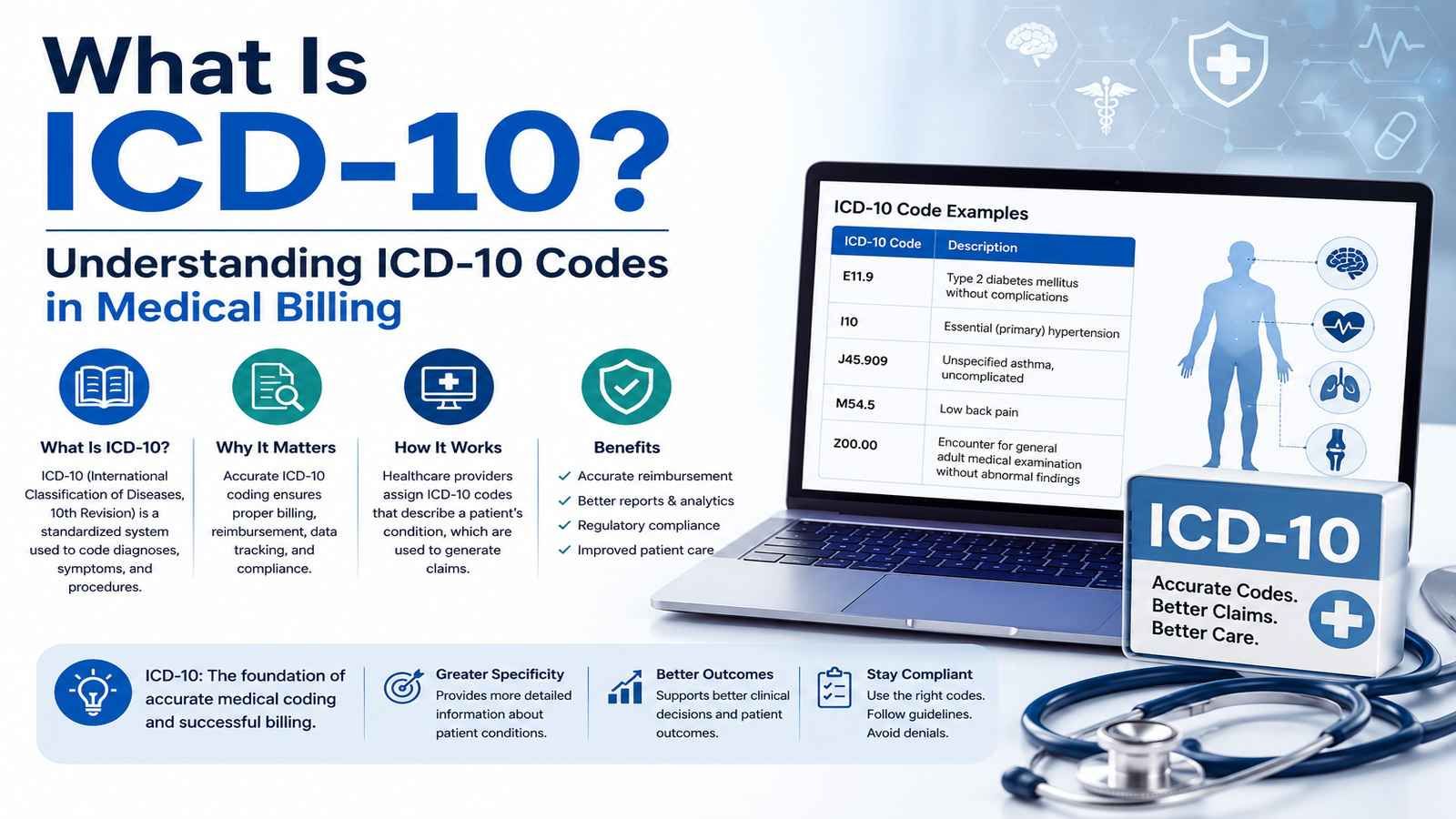
ICD-10 code O21.8 is a specific medical classification for "Other vomiting complicating pregnancy." It is utilized by healthcare providers and medical coders to document pregnancy-related vomiting that does not meet the clinical criteria for hyperemesis gravidarum (mild or severe) or late-onset vomiting occurring after 22 weeks of gestation.
What is ICD-10 Code O21.8?
In the International Classification of Diseases, 10th Revision, Clinical Modification (ICD-10-CM), the code O21.8 serves as a specific diagnostic tool within Chapter 15, which covers "Pregnancy, childbirth and the puerperium." As we navigate the clinical landscape of 2026, this code remains essential for distinguishing between routine "morning sickness" and more persistent, yet non-metabolic, vomiting disorders that occur during the first and second trimesters.
The "O" prefix indicates that the condition is a maternal disorder predominantly related to pregnancy. Within the O21 category, which focuses on "Excessive vomiting in pregnancy," O21.8 functions as a "specified" code. This means the clinician has identified a specific type of vomiting that is related to the pregnancy but falls outside the more common definitions of Hyperemesis Gravidarum (HG).
The Role of "Other" in ICD-10 Coding
In medical coding, the term "other" (often appearing as "Other specified") is used when the medical record provides a specific diagnosis for which there is no unique, dedicated code in the ICD-10 manual. For O21.8, this applies when the physician documents a specific vomiting-related complication that is not mild hyperemesis (O21.0), severe hyperemesis with metabolic disturbance (O21.1), or late-onset vomiting (O21.2).
Clinical Indications for Using O21.8
Deciding when to use O21.8 instead of more general or more severe codes requires a careful review of the patient’s clinical presentation. In 2026, diagnostic precision is more important than ever for both patient care and insurance reimbursement.
Distinguishing from Morning Sickness (O21.9)
The most common confusion occurs between O21.8 and O21.9 (Vomiting of pregnancy, unspecified). O21.9 is used for general morning sickness where no further details are provided. O21.8 should be selected when the documentation describes specific characteristics of the vomiting—such as persistent nausea without the extreme weight loss of HG—that the provider explicitly links to the pregnancy but distinguishes from the standard "unspecified" nausea and vomiting of pregnancy (NVP).
Distinguishing from Hyperemesis Gravidarum (O21.0 and O21.1)
Hyperemesis Gravidarum is a severe form of pregnancy-related vomiting.
- O21.0 (Mild HG): Used when the patient has hyperemesis but remains metabolically stable.
- O21.1 (Severe HG): Used when the vomiting causes metabolic disturbances such as carbohydrate depletion, dehydration, or electrolyte imbalances.
O21.8 is the appropriate choice when the patient’s vomiting is more severe or persistent than standard morning sickness but lacks the clinical hallmarks of HG, such as ketonuria or a weight loss of more than 5% of pre-pregnancy body weight.
The ICD-10-CM Hierarchy for Pregnancy-Related Vomiting
To ensure accurate billing and clinical tracking, it is helpful to see where O21.8 sits within the broader category of gestational emesis.
| ICD-10 Code | Description | Clinical Context |
|---|---|---|
| O21.0 | Mild hyperemesis gravidarum | Persistent vomiting starting before the end of the 22nd week, without metabolic disturbance. |
| O21.1 | Hyperemesis gravidarum with metabolic disturbance | Severe vomiting with dehydration, electrolyte imbalance, or ketosis. |
| O21.2 | Late vomiting of pregnancy | Vomiting that starts after 22 completed weeks of gestation. |
| O21.8 | Other vomiting complicating pregnancy | Specified vomiting conditions not meeting HG or late-onset criteria. |
| O21.9 | Vomiting of pregnancy, unspecified | General "morning sickness" without further clinical specification. |
Coding Guidelines and Documentation Requirements
As of 2026, the Official Guidelines for Coding and Reporting emphasize the importance of "sequencing" for Chapter 15 codes. When a patient is seen for a condition related to pregnancy, the code from Chapter 15 (such as O21.8) must be the primary diagnosis (the principal diagnosis in an inpatient setting or the first-listed code in an outpatient setting).
Necessary Documentation for O21.8
For a coder to accurately assign O21.8, the healthcare provider's documentation should include:
- The Relationship to Pregnancy: Explicitly stating that the vomiting is a complication of the current pregnancy.
- Trimester Specificity: While O21.8 itself does not have a 5th character for the trimester, the medical record must support that the condition occurred before the 22nd week. (If it occurs after, O21.2 is used).
- Absence of Metabolic Issues: If the provider mentions dehydration or electrolyte imbalance, the coder must look toward O21.1 instead.
- Weeks of Gestation: It is a standard requirement in 2026 to include an additional code from category Z3A (Weeks of gestation) to identify the specific stage of the pregnancy.
The Significance of Z3A Codes
A code from category Z3A should always follow O21.8. For example, if a patient is in her 12th week of pregnancy, the sequence would be O21.8 followed by Z3A.12. This provides a complete picture for insurers and public health researchers regarding when these complications are most likely to occur.
Differential Diagnosis and Exclusion Criteria
When evaluating a pregnant patient for vomiting, providers must rule out non-obstetric causes. If the vomiting is caused by a condition unrelated to the pregnancy itself—such as food poisoning or a stomach virus—O21.8 is not the correct code.
What to Exclude
- Gastroenteritis: If the patient has a viral infection, codes from category A08 or K52 should be used, followed by O99.6 (Diseases of the digestive system complicating pregnancy).
- Appendicitis: This is coded under K35-K37, again followed by the appropriate O99 category code.
- Molar Pregnancy: If the vomiting is a result of a hydatidiform mole, the primary code should be from category O01.
O21.8 is reserved strictly for vomiting that is a direct physiological result of the pregnancy hormones (like hCG and estrogen) affecting the gastrointestinal tract, rather than an external pathogen or a separate pre-existing condition.
Impact on Medical Billing and Insurance Claims
Accuracy in using O21.8 is vital for the financial health of a medical practice and for the patient’s insurance coverage. In 2026, insurance payers use automated algorithms to cross-reference codes with the level of care provided.
If O21.8 is billed alongside intensive intravenous (IV) hydration therapy or inpatient admission, the claim may be flagged for review. This is because O21.8 typically represents a less severe condition than O21.1 (Hyperemesis Gravidarum with metabolic disturbance), which more clearly justifies high-acuity interventions. Conversely, using O21.9 (unspecified) for a patient who requires prescription medication or frequent monitoring might lead to an "under-coding" situation, where the severity of the patient's condition is not adequately captured.
Clinical Management of Pregnancy-Related Vomiting
Understanding the clinical management behind the code helps explain why O21.8 is assigned. Patients diagnosed with "other vomiting" often require a step-up approach in treatment that exceeds the "wait and see" advice given for minor morning sickness.
Non-Pharmacological Interventions
Initially, providers may recommend lifestyle changes. While these don't change the diagnosis code, they are part of the clinical pathway for O21.8 patients:
- Dietary Modifications: Smaller, more frequent meals; high-protein snacks; and the avoidance of fatty or spicy "trigger" foods.
- Ginger and Acupressure: Use of ginger capsules or P6 (Neiguan point) acupressure bands.
Pharmacological Treatments
When vomiting is persistent enough to be coded as O21.8, medications are often necessary:
- Vitamin B6 (Pyridoxine) and Doxylamine: This combination is the first-line FDA-approved treatment for nausea and vomiting of pregnancy.
- Antiemetics: In more stubborn cases, providers may prescribe Ondansetron (Zofran) or Promethazine, though these are used judiciously depending on the trimester.
Common Coding Errors and How to Avoid Them
Even experienced coders can make mistakes with the O21 category. Avoiding these errors is essential for maintaining a clean audit trail.
- Confusing O21.8 with O21.2: Always check the gestational age. If the patient is at 23 weeks, O21.8 is incorrect; O21.2 (Late vomiting) must be used.
- Using O21.8 for "Nausea Only": Code O21.8 is specifically for vomiting. If the patient only experiences nausea without emesis, the more appropriate code is R11.0 (Nausea), although Chapter 15 codes for nausea in pregnancy (like O21.9) are generally preferred if the nausea is persistent.
- Failure to Sequence: Never put a Z3A code or a symptoms code (like R11) before O21.8. The pregnancy complication code always takes priority.
- Overlooking Metabolic Disturbance: If the lab results show elevated ketones or abnormal electrolytes, the coder must "code up" to O21.1. Using O21.8 in this scenario would be an "under-coding" error.
Frequently Asked Questions
Is O21.8 a "billable" code?
Yes, O21.8 is a valid, specific, and billable ICD-10-CM code. It has sufficient specificity for reimbursement purposes in 2026, provided it is supported by the medical documentation and accompanied by a code for the weeks of gestation (Z3A).
Can O21.8 be used in the third trimester?
No. By definition, codes in the O21.0 to O21.8 range are for vomiting that occurs early in the pregnancy (before 22 weeks). Vomiting that occurs in the third trimester is classified under O21.2 (Late vomiting of pregnancy).
How does O21.8 differ from O21.9?
O21.8 is "Other specified" vomiting, while O21.9 is "Unspecified." Use O21.8 when the physician provides a specific description of the vomiting that doesn't fit HG. Use O21.9 when the chart simply says "nausea and vomiting of pregnancy" with no additional detail.
Does O21.8 require an additional code for the trimester?
While some ICD-10 codes require a final character to specify the trimester (1, 2, or 3), the O21 category relies on the distinction between "before 22 weeks" and "after 22 weeks" within the code descriptions themselves. However, you must always include the Z3A code to specify the exact weeks of gestation.
Is O21.8 used for nausea without vomiting?
Technically, O21.8 refers to vomiting. However, in clinical practice, nausea and vomiting often occur together. If the patient only has nausea, O21.9 (which includes nausea of pregnancy) is more common, unless the provider specifies an "other" type of nausea.
Practical Recommendation for Providers and Coders
To ensure the highest level of accuracy when documenting and billing for pregnancy-related vomiting in 2026, providers should be encouraged to move away from vague terminology. Instead of writing "morning sickness," providers should document the frequency of vomiting, its impact on daily activities, and the absence or presence of dehydration.
For coders, the best practice is to always review the most recent laboratory results (specifically urinalysis and electrolyte panels). If you see O21.8 documented but the labs show significant ketonuria or a drop in potassium, query the physician to see if the diagnosis should be updated to O21.1 (Severe HG). This ensures that the patient's record reflects the true clinical severity, which is vital for long-term health tracking and appropriate resource allocation within the healthcare system.